
Delivery volunteer volunteer roles


Actively Interviewing
This organisation is scheduling interviews as applications come in. They're ready to hire as soon as they find the right person. Don't miss your opportunity, apply now!
Would you like to support people who have served in the Armed Forces? You just need the ability to listen, strong IT skills and good written and spoken English. If you think this could be the role for you, we’d love to hear from you.
What is a Caseworker?
Caseworkers visit clients to work out what type of support they need. You will listen without judgement to assess and provide tailored support to help those serving, who have served and their families to navigate life in and beyond military service. Some examples of support are securing funding for special equipment for someone with a disability, adaptions to a property so an older client can remain at home or funds for a rental deposit. Caseworkers also sign-post clients onto specialist local services for advice on benefits, housing, mental health, debt, finding work etc.
Why do we need you?
We’ve been supporting the Armed Forces community since 1885. Our clients come from all backgrounds and age groups and may have served in WW2 or in a more recent conflict like the Falklands or Afghanistan. We’d love the general public to understand what we do and how they can help us.
There are SSAFA branches throughout the UK and overseas who support local volunteers to deliver services to veterans, serving personnel and their families. Some branches are divided into smaller divisions to ensure the best local service delivery. Each branch has a team of volunteer caseworkers, support volunteers, executive roles, and fundraisers.
Volunteer Caseworkers are the lifeblood of SSAFA, supporting a growing number of people in need of financial, practical, and emotional support. Clients come from all backgrounds and age groups and may have served in WW2 or in a more recent conflict like Iraq or Afghanistan.
When would you be needed and where would you be based?
The essential part of the role is visiting clients, so you will need access to a vehicle or another way to travel to meet clients at home or in a care home setting. As part of your local branch, you might have access to an office, but you can complete the administration part of the role from home as long as you have access to IT equipment and the internet.
What would you be doing?
- Contacting beneficiaries and arranging to meet them at a mutually convenient time.
- Meeting beneficiaries and completing a form to assess their circumstances, using good communication skills, empathy and understanding.
- Sign-posting clients onto local services providing specialist advice.
- Applying for funding on the behalf of the beneficiary through a specific process and system
- Arranging for the purchase of goods and services
- Keeping the beneficiary informed of their case progress.
- Liaise with the branch and regional office, regarding your availability.
- Keeping up to date with training and SSAFA news so that you are best able to support clients.
- Being a positive ambassador for SSAFA remembering that anyone you meet could be a potential client, volunteer, or fundraiser.
- Volunteering within the standards and values of SSAFA
- Adhering to SSAFAs policies and procedures at all times, including safeguarding, volunteering policy, equality, diversity and inclusion, health and safety, data protection and confidentiality.
What can you gain from this volunteering role?
- Use your skills, knowledge, and life experience to benefit others.
- Support from your local SSAFA branch and the wider SSAFA community
- Experience, training, and skills that you can highlight on your CV and in job interviews.
- Better physical and mental health – studies show that volunteers live longer and experience lower levels of stress and depression!
What training and support would you receive?
- Role specific training to prepare you for your voluntary role – confidentiality and boundaries, personal safety, caseworker training, and caseworker IT system training. The caseworker training takes 3 days and a further half a day for the other training.
- Mandatory on-line training modules to complete at home, so you are up to date on how to keep clients, their families safe and personal information safe.
- Access to a range additional e-learning courses as well as local opportunities for your personal and professional development.
- Local induction including assigning a person from the team who will be your main point of contact.
- Regular opportunities to meet and share best practice with other caseworkers.
- Range of support from central and regional volunteer operations team.
- Reimbursement of out-of-pocket expenses
- Volunteers will be covered by SSAFAs Public Liability Insurance whilst carrying out the role.
What are we looking for?
- Friendly and approachable with good listening skills, patience, and a positive attitude.
- Good communication skills both written and verbally.
- Respectful and non-judgemental approach with beneficiaries, their family, other agencies and SSAFA colleagues
- Willingness and ability to use IT systems for initial and on-going training and to enter cases on the Casework Management System. Willingness and ability to send and receive emails – you will receive your own SSAFA email address which you will be required to use when exercising your role.
- Ability to make enquires on behalf of beneficiaries by phone, email, letter or by filling in forms.
- Ability to keep within boundaries of the role with regards to friendship or giving advice
- Reliable, prompt and trustworthy.
- Access to public transport or a car to travel to appointments with clients.
We welcome volunteers of all backgrounds, abilities, races, sexual orientations, socio-economic backgrounds, and of all faiths and none. SSAFA are committed to making reasonable adjustments to support volunteers with disabilities, so they have access to the same opportunities and experiences as volunteers who do not.
Minimum Age: 18
Safer Recruitment: SSAFA undertakes a systematic approach and utmost care at every step of the process of volunteer recruitment, selection, and retention to ensure that those recruited are suitable and appropriate. Measures taken at points along this journey work together to make volunteering at SSAFA a positive and safe experience.
References Required: Yes. We will ask for two character references, this can be a former employer or someone that know you well (other than a relative)
Is a criminal record check required? Yes, this is provided by SSAFA at no cost to the potential volunteer. This role requires an enhanced check (including checks against the children and adults barred list)
*A disclosure certificate that contains convictions, cautions, warnings, reprimands, or other information may not automatically mean that you are not able to volunteer. All certificates will be reviewed on a case-by-case basis and, where possible, a modified or alternative role will be offered.

 Registered Charity
 101 - 500
Our vision A society in which the Armed Forces, veterans and their families can thrive.


The client requests no contact from agencies or media sales.

Thank you!
Actively Interviewing
This organisation is scheduling interviews as applications come in. They're ready to hire as soon as they find the right person. Don't miss your opportunity, apply now!
It’s an exciting time to join Victim Support, as we prepare to begin delivery of the Witness Service from April 2026. We look forward to welcoming current Witness Service staff and volunteers to Victim Support — and we’re also now beginning recruitment for several new roles and to fill vacant positions.
The Witness Service provides free, independent support to any witness giving evidence in criminal courts in England and Wales — both for the prosecution and the defence.
Our trained staff and volunteers help people understand what to expect before, during and after a trial, and offer practical and emotional support every step of the way, so witnesses can give their best evidence.
The Witness Service also supports bereaved family members, and friends and family who are accompanying witnesses in court.
This is an exceptional opportunity to help us ensure a smooth transition and shape a high-quality, high-impact and trauma-informed service — so every witness feels informed, supported and more confident in court.
Witness Service Outreach Volunteers provide support to witnesses when they are attending court, as well as pre-trial and post-trial helping them to feel safe and informed. You will provide support to both prosecution and defence witnesses.
Why volunteer with us?
-
Make a difference - you will volunteer directly with victims and witnesses.
-
Gain skills and experience - you will receive training on how to provide practical and emotional support.
-
Join our community - you will be part of a large community of over 2,000 volunteers and staff.
-
Beyond your role – attend one of our many events/webinars and join one of our six Equality, Diversity & Inclusion networks.
What do we ask of you?
In order to join us as a Witness Service Volunteer, you must:
-
Be 18 years of age or over.
-
Be able to volunteer for at least 1 day per week, for at least 12 months.
-
Undertake training – this includes virtual training days as well as completing online learning modules.
-
Undertake an Enhanced DBS with Child Barred List check & be part of the DBS Update Service.
-
Be able to provide two satisfactory references.
-
Have an active email address that you are comfortable using in order to engage with VS communications.
Diversity Matters
-
VS strives to represent the diverse communities we serve and are passionate about creating an environment where all staff and volunteers feel respected and heard. Being a diverse organisation with an inclusive culture is integral to us being able to meet our aim of ensuring that anyone who is a victim of crime gets the support they need.
-
VS is also a Disability Confident Employer and we provide a Guaranteed Interview Scheme for candidates that are disabled and meet all essential criteria for a role.
-
We are happy to make reasonable adjustments to support you through the application process.



The client requests no contact from agencies or media sales.
Thank you!
Actively Interviewing
This organisation is scheduling interviews as applications come in. They're ready to hire as soon as they find the right person. Don't miss your opportunity, apply now!
Would you like to support people who have served in the Armed Forces? You just need the ability to listen, strong IT skills and good written and spoken English. If you think this could be the role for you, we’d love to hear from you.
What is a Caseworker?
Caseworkers visit clients to work out what type of support they need. You will listen without judgement to assess and provide tailored support to help those serving, who have served and their families to navigate life in and beyond military service. Some examples of support are securing funding for special equipment for someone with a disability, adaptions to a property so an older client can remain at home or funds for a rental deposit. Caseworkers also sign-post clients onto specialist local services for advice on benefits, housing, mental health, debt, finding work etc.
Why do we need you?
We’ve been supporting the Armed Forces community since 1885. Our clients come from all backgrounds and age groups and may have served in WW2 or in a more recent conflict like the Falklands or Afghanistan. We’d love the general public to understand what we do and how they can help us.
There are SSAFA branches throughout the UK and overseas who support local volunteers to deliver services to veterans, serving personnel and their families. Some branches are divided into smaller divisions to ensure the best local service delivery. Each branch has a team of volunteer caseworkers, support volunteers, executive roles, and fundraisers.
Volunteer Caseworkers are the lifeblood of SSAFA, supporting a growing number of people in need of financial, practical, and emotional support. Clients come from all backgrounds and age groups and may have served in WW2 or in a more recent conflict like Iraq or Afghanistan.
When would you be needed and where would you be based?
The essential part of the role is visiting clients, so you will need access to a vehicle or another way to travel to meet clients at home or in a care home setting. As part of your local branch, you might have access to an office, but you can complete the administration part of the role from home as long as you have access to IT equipment and the internet.
What would you be doing?
- Contacting beneficiaries and arranging to meet them at a mutually convenient time.
- Meeting beneficiaries and completing a form to assess their circumstances, using good communication skills, empathy and understanding.
- Sign-posting clients onto local services providing specialist advice.
- Applying for funding on the behalf of the beneficiary through a specific process and system
- Arranging for the purchase of goods and services
- Keeping the beneficiary informed of their case progress.
- Liaise with the branch and regional office, regarding your availability.
- Keeping up to date with training and SSAFA news so that you are best able to support clients.
- Being a positive ambassador for SSAFA remembering that anyone you meet could be a potential client, volunteer, or fundraiser.
- Volunteering within the standards and values of SSAFA
- Adhering to SSAFAs policies and procedures at all times, including safeguarding, volunteering policy, equality, diversity and inclusion, health and safety, data protection and confidentiality.
What can you gain from this volunteering role?
- Use your skills, knowledge, and life experience to benefit others.
- Support from your local SSAFA branch and the wider SSAFA community
- Experience, training, and skills that you can highlight on your CV and in job interviews.
- Better physical and mental health – studies show that volunteers live longer and experience lower levels of stress and depression!
What training and support would you receive?
- Role specific training to prepare you for your voluntary role – confidentiality and boundaries, personal safety, caseworker training, and caseworker IT system training. The caseworker training takes 3 days and a further half a day for the other training.
- Mandatory on-line training modules to complete at home, so you are up to date on how to keep clients, their families safe and personal information safe.
- Access to a range additional e-learning courses as well as local opportunities for your personal and professional development.
- Local induction including assigning a person from the team who will be your main point of contact.
- Regular opportunities to meet and share best practice with other caseworkers.
- Range of support from central and regional volunteer operations team.
- Reimbursement of out-of-pocket expenses
- Volunteers will be covered by SSAFAs Public Liability Insurance whilst carrying out the role.
What are we looking for?
- Friendly and approachable with good listening skills, patience, and a positive attitude.
- Good communication skills both written and verbally.
- Respectful and non-judgemental approach with beneficiaries, their family, other agencies and SSAFA colleagues
- Willingness and ability to use IT systems for initial and on-going training and to enter cases on the Casework Management System. Willingness and ability to send and receive emails – you will receive your own SSAFA email address which you will be required to use when exercising your role.
- Ability to make enquires on behalf of beneficiaries by phone, email, letter or by filling in forms.
- Ability to keep within boundaries of the role with regards to friendship or giving advice
- Reliable, prompt and trustworthy.
- Access to public transport or a car to travel to appointments with clients.
We welcome volunteers of all backgrounds, abilities, races, sexual orientations, socio-economic backgrounds, and of all faiths and none. SSAFA are committed to making reasonable adjustments to support volunteers with disabilities, so they have access to the same opportunities and experiences as volunteers who do not.
Minimum Age: 18
Safer Recruitment: SSAFA undertakes a systematic approach and utmost care at every step of the process of volunteer recruitment, selection, and retention to ensure that those recruited are suitable and appropriate. Measures taken at points along this journey work together to make volunteering at SSAFA a positive and safe experience.
References Required: Yes. We will ask for two character references, this can be a former employer or someone that know you well (other than a relative)
Is a criminal record check required? Yes, this is provided by SSAFA at no cost to the potential volunteer. This role requires an enhanced check (including checks against the children and adults barred list)
*A disclosure certificate that contains convictions, cautions, warnings, reprimands, or other information may not automatically mean that you are not able to volunteer. All certificates will be reviewed on a case-by-case basis and, where possible, a modified or alternative role will be offered.
Registered Charity
101 - 500
Our vision A society in which the Armed Forces, veterans and their families can thrive.
The client requests no contact from agencies or media sales.
Thank you!
Actively Interviewing
This organisation is scheduling interviews as applications come in. They're ready to hire as soon as they find the right person. Don't miss your opportunity, apply now!
Are you passionate about sustainability? Do you want to make a real impact on household carbon footprints and promote sustainable living? Can you help us crowdsource our innovative E-Save app and outreach programme?
What will you be doing?
To support delivery of the E‑Save app, you’ll help recruit, support and coordinate our growing UK‑based volunteer community. You’ll provide administrative oversight for current volunteers, support ongoing recruitment, and help develop volunteer and HR processes.
Over time, you’ll contribute to policies, engagement programmes, crowd‑sourcing initiatives, and local pilot volunteers.
What are we looking for?
We’re looking for UK‑based volunteers with experience in HR, volunteer management, or people operations. You’ll help lead volunteer recruitment, onboarding and training; develop HR and volunteer policies; support engagement and wellbeing; and maintain confidential records.
You’ll need strong organisational and interpersonal skills, knowledge of safeguarding and data protection, and the ability to support a diverse, remote volunteer team.
What difference will you make?
You will lead and/or support the volunteer recruitment and engagement needed to sustain and grow the organisation, and develop the network of experts and contributors that will power E-Save.
You will be at the forefront of innovation, bringing climate action into people’s homes across the UK, making sustainable living part of everyday life.
 Non Charity Employer
1 - 5
Non Charity Employer
1 - 5
Empowering people to live and work sustainably. We inform, inspire and enable people to take practical action on climate change and the environment.
The client requests no contact from agencies or media sales.
Thank you!
Actively Interviewing
This organisation is scheduling interviews as applications come in. They're ready to hire as soon as they find the right person. Don't miss your opportunity, apply now!
Would you like to support people who have served in the Armed Forces? You just need the ability to listen, strong IT skills and good written and spoken English. If you think this could be the role for you, we’d love to hear form you.
What is a caseworker?
Caseworkers visit clients to work out what type of support they need. You will listen without judgement to assess and provide tailored support to help those serving, who have served and their families to navigate life in and beyond military service. Some examples of support are securing funding for special equipment for someone with a disability, adaptions to a property so an older client can remain at home or funds for a rental deposit. Caseworkers also sign-post clients onto specialist local services for advice on benefits, housing, mental health, debt, finding work etc.
Why do we need you?
We’ve been supporting the Armed Forces community since 1885. Our clients come from all backgrounds and age groups and may have served in WW2 or in a more recent conflict like the Falklands or Afghanistan. We’d love the general public to understand what we do and how they can help us.
There are SSAFA branches throughout the UK and overseas who support local volunteers to deliver services to veterans, serving personnel and their families. Some branches are divided into smaller divisions to ensure the best local service delivery. Each branch has a team of volunteer caseworkers, support volunteers, executive roles, and fundraisers.
Volunteer Caseworkers are the lifeblood of SSAFA, supporting a growing number of people in need of financial, practical, and emotional support. Clients come from all backgrounds and age groups and may have served in WW2 or in a more recent conflict like Iraq or Afghanistan.
When would you be needed and where would you be based?
The essential part of the role is visiting clients, so you will need access to a vehicle or another way to travel to meet clients at home or in a care home setting. As part of your local branch, you might have access to an office, but you can complete the administration part of the role from home as long as you have access to IT equipment and the internet.
What would you be doing?
- Contacting beneficiaries and arranging to meet them at a mutually convenient time.
- Meeting beneficiaries and completing a form to assess their circumstances, using good communication skills, empathy and understanding.
- Sign-posting clients onto local services providing specialist advice.
- Applying for funding on the behalf of the beneficiary through a specific process and system
- Arranging for the purchase of goods and services
- Keeping the beneficiary informed of their case progress.
- Liaise with the branch and regional office, regarding your availability.
- Keeping up to date with training and SSAFA news so that you are best able to support clients.
- Being a positive ambassador for SSAFA remembering that anyone you meet could be a potential client, volunteer, or fundraiser.
- Volunteering within the standards and values of SSAFA
- Adhering to SSAFAs policies and procedures at all times, including safeguarding, volunteering policy, equality, diversity and inclusion, health and safety, data protection and confidentiality.
What can you gain from this volunteering role?
- Use your skills, knowledge, and life experience to benefit others.
- Support from your local SSAFA branch and the wider SSAFA community
- Experience, training, and skills that you can highlight on your CV and in job interviews.
- Better physical and mental health – studies show that volunteers live longer and experience lower levels of stress and depression!
What training and support would you receive?
- Role specific training to prepare you for your voluntary role – confidentiality and boundaries, personal safety, caseworker training, and caseworker IT system training. The caseworker training takes 3 days and a further half a day for the other training.
- Mandatory on-line training modules to complete at home, so you are up to date on how to keep clients, their families safe and personal information safe.
- Access to a range additional e-learning courses as well as local opportunities for your personal and professional development.
- Local induction including assigning a person from the team who will be your main point of contact.
- Regular opportunities to meet and share best practice with other caseworkers.
- Range of support from central and regional volunteer operations team.
- Reimbursement of out-of-pocket expenses
- Volunteers will be covered by SSAFAs Public Liability Insurance whilst carrying out the role.
What are we looking for?
- Friendly and approachable with good listening skills, patience, and a positive attitude.
- Good communication skills both written and verbally.
- Respectful and non-judgemental approach with beneficiaries, their family, other agencies and SSAFA colleagues
- Willingness and ability to use IT systems for initial and on-going training and to enter cases on the Casework Management System. Willingness and ability to send and receive emails – you will receive your own SSAFA email address which you will be required to use when exercising your role.
- Ability to make enquires on behalf of beneficiaries by phone, email, letter or by filling in forms.
- Ability to keep within boundaries of the role with regards to friendship or giving advice
- Reliable, prompt and trustworthy.
- Access to public transport or a car to travel to appointments with clients.
We welcome volunteers of all backgrounds, abilities, races, sexual orientations, socio-economic backgrounds, and of all faiths and none. SSAFA are committed to making reasonable adjustments to support volunteers with disabilities, so they have access to the same opportunities and experiences as volunteers who do not.
Minimum Age: 18
Safer Recruitment: SSAFA undertakes a systematic approach and utmost care at every step of the process of volunteer recruitment, selection, and retention to ensure that those recruited are suitable and appropriate. Measures taken at points along this journey work together to make volunteering at SSAFA a positive and safe experience.
References Required: Yes. We will ask for two character references, this can be a former employer or someone that know you well (other than a relative)
Is a criminal record check required? Yes, this is provided by SSAFA at no cost to the potential volunteer. This role requires an enhanced check (including checks against the children and adults barred list)
*A disclosure certificate that contains convictions, cautions, warnings, reprimands, or other information may not automatically mean that you are not able to volunteer. All certificates will be reviewed on a case-by-case basis and, where possible, a modified or alternative role will be offered.
Registered Charity
101 - 500
Our vision A society in which the Armed Forces, veterans and their families can thrive.
The client requests no contact from agencies or media sales.
Thank you!
Actively Interviewing
This organisation is scheduling interviews as applications come in. They're ready to hire as soon as they find the right person. Don't miss your opportunity, apply now!
Would you like to support people who have served in the Armed Forces? You just need the ability to listen, strong IT skills and good written and spoken English. If you think this could be the role for you, we’d love to hear from you.
What is a Caseworker?
Caseworkers visit clients to work out what type of support they need. You will listen without judgement to assess and provide tailored support to help those serving, who have served and their families to navigate life in and beyond military service. Some examples of support are securing funding for special equipment for someone with a disability, adaptions to a property so an older client can remain at home or funds for a rental deposit. Caseworkers also sign-post clients onto specialist local services for advice on benefits, housing, mental health, debt, finding work etc.
Why do we need you?
We’ve been supporting the Armed Forces community since 1885. Our clients come from all backgrounds and age groups and may have served in WW2 or in a more recent conflict like the Falklands or Afghanistan. We’d love the general public to understand what we do and how they can help us.
There are SSAFA branches throughout the UK and overseas who support local volunteers to deliver services to veterans, serving personnel and their families. Some branches are divided into smaller divisions to ensure the best local service delivery. Each branch has a team of volunteer caseworkers, support volunteers, executive roles, and fundraisers.
Volunteer Caseworkers are the lifeblood of SSAFA, supporting a growing number of people in need of financial, practical, and emotional support. Clients come from all backgrounds and age groups and may have served in WW2 or in a more recent conflict like Iraq or Afghanistan.
When would you be needed and where would you be based?
The essential part of the role is visiting clients, so you will need access to a vehicle or another way to travel to meet clients at home or in a care home setting. As part of your local branch, you might have access to an office, but you can complete the administration part of the role from home as long as you have access to IT equipment and the internet.
What would you be doing?
- Contacting beneficiaries and arranging to meet them at a mutually convenient time.
- Meeting beneficiaries and completing a form to assess their circumstances, using good communication skills, empathy and understanding.
- Sign-posting clients onto local services providing specialist advice.
- Applying for funding on the behalf of the beneficiary through a specific process and system
- Arranging for the purchase of goods and services
- Keeping the beneficiary informed of their case progress.
- Liaise with the branch and regional office, regarding your availability.
- Keeping up to date with training and SSAFA news so that you are best able to support clients.
- Being a positive ambassador for SSAFA remembering that anyone you meet could be a potential client, volunteer, or fundraiser.
- Volunteering within the standards and values of SSAFA
- Adhering to SSAFAs policies and procedures at all times, including safeguarding, volunteering policy, equality, diversity and inclusion, health and safety, data protection and confidentiality.
What can you gain from this volunteering role?
- Use your skills, knowledge, and life experience to benefit others.
- Support from your local SSAFA branch and the wider SSAFA community
- Experience, training, and skills that you can highlight on your CV and in job interviews.
- Better physical and mental health – studies show that volunteers live longer and experience lower levels of stress and depression!
What training and support would you receive?
- Role specific training to prepare you for your voluntary role – confidentiality and boundaries, personal safety, caseworker training, and caseworker IT system training. The caseworker training takes 3 days and a further half a day for the other training.
- Mandatory on-line training modules to complete at home, so you are up to date on how to keep clients, their families safe and personal information safe.
- Access to a range additional e-learning courses as well as local opportunities for your personal and professional development.
- Local induction including assigning a person from the team who will be your main point of contact.
- Regular opportunities to meet and share best practice with other caseworkers.
- Range of support from central and regional volunteer operations team.
- Reimbursement of out-of-pocket expenses
- Volunteers will be covered by SSAFAs Public Liability Insurance whilst carrying out the role.
What are we looking for?
- Friendly and approachable with good listening skills, patience, and a positive attitude.
- Good communication skills both written and verbally.
- Respectful and non-judgemental approach with beneficiaries, their family, other agencies and SSAFA colleagues
- Willingness and ability to use IT systems for initial and on-going training and to enter cases on the Casework Management System. Willingness and ability to send and receive emails – you will receive your own SSAFA email address which you will be required to use when exercising your role.
- Ability to make enquires on behalf of beneficiaries by phone, email, letter or by filling in forms.
- Ability to keep within boundaries of the role with regards to friendship or giving advice
- Reliable, prompt and trustworthy.
- Access to public transport or a car to travel to appointments with clients.
We welcome volunteers of all backgrounds, abilities, races, sexual orientations, socio-economic backgrounds, and of all faiths and none. SSAFA are committed to making reasonable adjustments to support volunteers with disabilities, so they have access to the same opportunities and experiences as volunteers who do not.
Minimum Age: 18
Safer Recruitment: SSAFA undertakes a systematic approach and utmost care at every step of the process of volunteer recruitment, selection, and retention to ensure that those recruited are suitable and appropriate. Measures taken at points along this journey work together to make volunteering at SSAFA a positive and safe experience.
References Required: Yes. We will ask for two character references, this can be a former employer or someone that know you well (other than a relative)
Is a criminal record check required? Yes, this is provided by SSAFA at no cost to the potential volunteer. This role requires an enhanced check (including checks against the children and adults barred list)
*A disclosure certificate that contains convictions, cautions, warnings, reprimands, or other information may not automatically mean that you are not able to volunteer. All certificates will be reviewed on a case-by-case basis and, where possible, a modified or alternative role will be offered.
Registered Charity
101 - 500
Our vision A society in which the Armed Forces, veterans and their families can thrive.
The client requests no contact from agencies or media sales.
Thank you!
Actively Interviewing
This organisation is scheduling interviews as applications come in. They're ready to hire as soon as they find the right person. Don't miss your opportunity, apply now!
Would you like to support people who have served in the Armed Forces? You just need the ability to listen, strong IT skills and good written and spoken English. If you think this could be the role for you, we’d love to hear from you.
What is a Caseworker?
Caseworkers visit clients to work out what type of support they need. You will listen without judgement to assess and provide tailored support to help those serving, who have served and their families to navigate life in and beyond military service. Some examples of support are securing funding for special equipment for someone with a disability, adaptions to a property so an older client can remain at home or funds for a rental deposit. Caseworkers also sign-post clients onto specialist local services for advice on benefits, housing, mental health, debt, finding work etc.
Why do we need you?
We’ve been supporting the Armed Forces community since 1885. Our clients come from all backgrounds and age groups and may have served in WW2 or in a more recent conflict like the Falklands or Afghanistan. We’d love the general public to understand what we do and how they can help us.
There are SSAFA branches throughout the UK and overseas who support local volunteers to deliver services to veterans, serving personnel and their families. Some branches are divided into smaller divisions to ensure the best local service delivery. Each branch has a team of volunteer caseworkers, support volunteers, executive roles, and fundraisers.
Volunteer Caseworkers are the lifeblood of SSAFA, supporting a growing number of people in need of financial, practical, and emotional support. Clients come from all backgrounds and age groups and may have served in WW2 or in a more recent conflict like Iraq or Afghanistan.
When would you be needed and where would you be based?
The essential part of the role is visiting clients, so you will need access to a vehicle or another way to travel to meet clients at home or in a care home setting. As part of your local branch, you might have access to an office, but you can complete the administration part of the role from home as long as you have access to IT equipment and the internet.
What would you be doing?
- Contacting beneficiaries and arranging to meet them at a mutually convenient time.
- Meeting beneficiaries and completing a form to assess their circumstances, using good communication skills, empathy and understanding.
- Sign-posting clients onto local services providing specialist advice.
- Applying for funding on the behalf of the beneficiary through a specific process and system
- Arranging for the purchase of goods and services
- Keeping the beneficiary informed of their case progress.
- Liaise with the branch and regional office, regarding your availability.
- Keeping up to date with training and SSAFA news so that you are best able to support clients.
- Being a positive ambassador for SSAFA remembering that anyone you meet could be a potential client, volunteer, or fundraiser.
- Volunteering within the standards and values of SSAFA
- Adhering to SSAFAs policies and procedures at all times, including safeguarding, volunteering policy, equality, diversity and inclusion, health and safety, data protection and confidentiality.
What can you gain from this volunteering role?
- Use your skills, knowledge, and life experience to benefit others.
- Support from your local SSAFA branch and the wider SSAFA community
- Experience, training, and skills that you can highlight on your CV and in job interviews.
- Better physical and mental health – studies show that volunteers live longer and experience lower levels of stress and depression!
What training and support would you receive?
- Role specific training to prepare you for your voluntary role – confidentiality and boundaries, personal safety, caseworker training, and caseworker IT system training. The caseworker training takes 3 days and a further half a day for the other training.
- Mandatory on-line training modules to complete at home, so you are up to date on how to keep clients, their families safe and personal information safe.
- Access to a range additional e-learning courses as well as local opportunities for your personal and professional development.
- Local induction including assigning a person from the team who will be your main point of contact.
- Regular opportunities to meet and share best practice with other caseworkers.
- Range of support from central and regional volunteer operations team.
- Reimbursement of out-of-pocket expenses
- Volunteers will be covered by SSAFAs Public Liability Insurance whilst carrying out the role.
What are we looking for?
- Friendly and approachable with good listening skills, patience, and a positive attitude.
- Good communication skills both written and verbally.
- Respectful and non-judgemental approach with beneficiaries, their family, other agencies and SSAFA colleagues
- Willingness and ability to use IT systems for initial and on-going training and to enter cases on the Casework Management System. Willingness and ability to send and receive emails – you will receive your own SSAFA email address which you will be required to use when exercising your role.
- Ability to make enquires on behalf of beneficiaries by phone, email, letter or by filling in forms.
- Ability to keep within boundaries of the role with regards to friendship or giving advice
- Reliable, prompt and trustworthy.
- Access to public transport or a car to travel to appointments with clients.
We welcome volunteers of all backgrounds, abilities, races, sexual orientations, socio-economic backgrounds, and of all faiths and none. SSAFA are committed to making reasonable adjustments to support volunteers with disabilities, so they have access to the same opportunities and experiences as volunteers who do not.
Minimum Age: 18
Safer Recruitment: SSAFA undertakes a systematic approach and utmost care at every step of the process of volunteer recruitment, selection, and retention to ensure that those recruited are suitable and appropriate. Measures taken at points along this journey work together to make volunteering at SSAFA a positive and safe experience.
References Required: Yes. We will ask for two character references, this can be a former employer or someone that know you well (other than a relative)
Is a criminal record check required? Yes, this is provided by SSAFA at no cost to the potential volunteer. This role requires an enhanced check (including checks against the children and adults barred list)
*A disclosure certificate that contains convictions, cautions, warnings, reprimands, or other information may not automatically mean that you are not able to volunteer. All certificates will be reviewed on a case-by-case basis and, where possible, a modified or alternative role will be offered.
Registered Charity
101 - 500
Our vision A society in which the Armed Forces, veterans and their families can thrive.
The client requests no contact from agencies or media sales.
Thank you!
Actively Interviewing
This organisation is scheduling interviews as applications come in. They're ready to hire as soon as they find the right person. Don't miss your opportunity, apply now!
Would you like to support people who have served in the Armed Forces? You just need the ability to listen, strong IT skills and good written and spoken English. If you think this could be the role for you, we’d love to hear from you.
What is a Caseworker?
Caseworkers visit clients to work out what type of support they need. You will listen without judgement to assess and provide tailored support to help those serving, who have served and their families to navigate life in and beyond military service. Some examples of support are securing funding for special equipment for someone with a disability, adaptions to a property so an older client can remain at home or funds for a rental deposit. Caseworkers also sign-post clients onto specialist local services for advice on benefits, housing, mental health, debt, finding work etc.
Why do we need you?
We’ve been supporting the Armed Forces community since 1885. Our clients come from all backgrounds and age groups and may have served in WW2 or in a more recent conflict like the Falklands or Afghanistan. We’d love the general public to understand what we do and how they can help us.
There are SSAFA branches throughout the UK and overseas who support local volunteers to deliver services to veterans, serving personnel and their families. Some branches are divided into smaller divisions to ensure the best local service delivery. Each branch has a team of volunteer caseworkers, support volunteers, executive roles, and fundraisers.
Volunteer Caseworkers are the lifeblood of SSAFA, supporting a growing number of people in need of financial, practical, and emotional support. Clients come from all backgrounds and age groups and may have served in WW2 or in a more recent conflict like Iraq or Afghanistan.
When would you be needed and where would you be based?
The essential part of the role is visiting clients, so you will need access to a vehicle or another way to travel to meet clients at home or in a care home setting. As part of your local branch, you might have access to an office, but you can complete the administration part of the role from home as long as you have access to IT equipment and the internet.
What would you be doing?
- Contacting beneficiaries and arranging to meet them at a mutually convenient time.
- Meeting beneficiaries and completing a form to assess their circumstances, using good communication skills, empathy and understanding.
- Sign-posting clients onto local services providing specialist advice.
- Applying for funding on the behalf of the beneficiary through a specific process and system
- Arranging for the purchase of goods and services
- Keeping the beneficiary informed of their case progress.
- Liaise with the branch and regional office, regarding your availability.
- Keeping up to date with training and SSAFA news so that you are best able to support clients.
- Being a positive ambassador for SSAFA remembering that anyone you meet could be a potential client, volunteer, or fundraiser.
- Volunteering within the standards and values of SSAFA
- Adhering to SSAFAs policies and procedures at all times, including safeguarding, volunteering policy, equality, diversity and inclusion, health and safety, data protection and confidentiality.
What can you gain from this volunteering role?
- Use your skills, knowledge, and life experience to benefit others.
- Support from your local SSAFA branch and the wider SSAFA community
- Experience, training, and skills that you can highlight on your CV and in job interviews.
- Better physical and mental health – studies show that volunteers live longer and experience lower levels of stress and depression!
What training and support would you receive?
- Role specific training to prepare you for your voluntary role – confidentiality and boundaries, personal safety, caseworker training, and caseworker IT system training. The caseworker training takes 3 days and a further half a day for the other training.
- Mandatory on-line training modules to complete at home, so you are up to date on how to keep clients, their families safe and personal information safe.
- Access to a range additional e-learning courses as well as local opportunities for your personal and professional development.
- Local induction including assigning a person from the team who will be your main point of contact.
- Regular opportunities to meet and share best practice with other caseworkers.
- Range of support from central and regional volunteer operations team.
- Reimbursement of out-of-pocket expenses
- Volunteers will be covered by SSAFAs Public Liability Insurance whilst carrying out the role.
What are we looking for?
- Friendly and approachable with good listening skills, patience, and a positive attitude.
- Good communication skills both written and verbally.
- Respectful and non-judgemental approach with beneficiaries, their family, other agencies and SSAFA colleagues
- Willingness and ability to use IT systems for initial and on-going training and to enter cases on the Casework Management System. Willingness and ability to send and receive emails – you will receive your own SSAFA email address which you will be required to use when exercising your role.
- Ability to make enquires on behalf of beneficiaries by phone, email, letter or by filling in forms.
- Ability to keep within boundaries of the role with regards to friendship or giving advice
- Reliable, prompt and trustworthy.
- Access to public transport or a car to travel to appointments with clients.
We welcome volunteers of all backgrounds, abilities, races, sexual orientations, socio-economic backgrounds, and of all faiths and none. SSAFA are committed to making reasonable adjustments to support volunteers with disabilities, so they have access to the same opportunities and experiences as volunteers who do not.
Minimum Age: 18
Safer Recruitment: SSAFA undertakes a systematic approach and utmost care at every step of the process of volunteer recruitment, selection, and retention to ensure that those recruited are suitable and appropriate. Measures taken at points along this journey work together to make volunteering at SSAFA a positive and safe experience.
References Required: Yes. We will ask for two character references, this can be a former employer or someone that know you well (other than a relative)
Is a criminal record check required? Yes, this is provided by SSAFA at no cost to the potential volunteer. This role requires an enhanced check (including checks against the children and adults barred list)
*A disclosure certificate that contains convictions, cautions, warnings, reprimands, or other information may not automatically mean that you are not able to volunteer. All certificates will be reviewed on a case-by-case basis and, where possible, a modified or alternative role will be offered.
Registered Charity
101 - 500
Our vision A society in which the Armed Forces, veterans and their families can thrive.
The client requests no contact from agencies or media sales.
Thank you!
Actively Interviewing
This organisation is scheduling interviews as applications come in. They're ready to hire as soon as they find the right person. Don't miss your opportunity, apply now!
Would you like to support people who have served in the Armed Forces? You just need the ability to listen, strong IT skills and good written and spoken English. If you think this could be the role for you, we’d love to hear from you.
What is a Caseworker?
Caseworkers visit clients to work out what type of support they need. You will listen without judgement to assess and provide tailored support to help those serving, who have served and their families to navigate life in and beyond military service. Some examples of support are securing funding for special equipment for someone with a disability, adaptions to a property so an older client can remain at home or funds for a rental deposit. Caseworkers also sign-post clients onto specialist local services for advice on benefits, housing, mental health, debt, finding work etc.
Why do we need you?
We’ve been supporting the Armed Forces community since 1885. Our clients come from all backgrounds and age groups and may have served in WW2 or in a more recent conflict like the Falklands or Afghanistan. We’d love the general public to understand what we do and how they can help us.
There are SSAFA branches throughout the UK and overseas who support local volunteers to deliver services to veterans, serving personnel and their families. Some branches are divided into smaller divisions to ensure the best local service delivery. Each branch has a team of volunteer caseworkers, support volunteers, executive roles, and fundraisers.
Volunteer Caseworkers are the lifeblood of SSAFA, supporting a growing number of people in need of financial, practical, and emotional support. Clients come from all backgrounds and age groups and may have served in WW2 or in a more recent conflict like Iraq or Afghanistan.
When would you be needed and where would you be based?
The essential part of the role is visiting clients, so you will need access to a vehicle or another way to travel to meet clients at home or in a care home setting. As part of your local branch, you might have access to an office, but you can complete the administration part of the role from home as long as you have access to IT equipment and the internet.
What would you be doing?
- Contacting beneficiaries and arranging to meet them at a mutually convenient time.
- Meeting beneficiaries and completing a form to assess their circumstances, using good communication skills, empathy and understanding.
- Sign-posting clients onto local services providing specialist advice.
- Applying for funding on the behalf of the beneficiary through a specific process and system
- Arranging for the purchase of goods and services
- Keeping the beneficiary informed of their case progress.
- Liaise with the branch and regional office, regarding your availability.
- Keeping up to date with training and SSAFA news so that you are best able to support clients.
- Being a positive ambassador for SSAFA remembering that anyone you meet could be a potential client, volunteer, or fundraiser.
- Volunteering within the standards and values of SSAFA
- Adhering to SSAFAs policies and procedures at all times, including safeguarding, volunteering policy, equality, diversity and inclusion, health and safety, data protection and confidentiality.
What can you gain from this volunteering role?
- Use your skills, knowledge, and life experience to benefit others.
- Support from your local SSAFA branch and the wider SSAFA community
- Experience, training, and skills that you can highlight on your CV and in job interviews.
- Better physical and mental health – studies show that volunteers live longer and experience lower levels of stress and depression!
What training and support would you receive?
- Role specific training to prepare you for your voluntary role – confidentiality and boundaries, personal safety, caseworker training, and caseworker IT system training. The caseworker training takes 3 days and a further half a day for the other training.
- Mandatory on-line training modules to complete at home, so you are up to date on how to keep clients, their families safe and personal information safe.
- Access to a range additional e-learning courses as well as local opportunities for your personal and professional development.
- Local induction including assigning a person from the team who will be your main point of contact.
- Regular opportunities to meet and share best practice with other caseworkers.
- Range of support from central and regional volunteer operations team.
- Reimbursement of out-of-pocket expenses
- Volunteers will be covered by SSAFAs Public Liability Insurance whilst carrying out the role.
What are we looking for?
- Friendly and approachable with good listening skills, patience, and a positive attitude.
- Good communication skills both written and verbally.
- Respectful and non-judgemental approach with beneficiaries, their family, other agencies and SSAFA colleagues
- Willingness and ability to use IT systems for initial and on-going training and to enter cases on the Casework Management System. Willingness and ability to send and receive emails – you will receive your own SSAFA email address which you will be required to use when exercising your role.
- Ability to make enquires on behalf of beneficiaries by phone, email, letter or by filling in forms.
- Ability to keep within boundaries of the role with regards to friendship or giving advice
- Reliable, prompt and trustworthy.
- Access to public transport or a car to travel to appointments with clients.
We welcome volunteers of all backgrounds, abilities, races, sexual orientations, socio-economic backgrounds, and of all faiths and none. SSAFA are committed to making reasonable adjustments to support volunteers with disabilities, so they have access to the same opportunities and experiences as volunteers who do not.
Minimum Age: 18
Safer Recruitment: SSAFA undertakes a systematic approach and utmost care at every step of the process of volunteer recruitment, selection, and retention to ensure that those recruited are suitable and appropriate. Measures taken at points along this journey work together to make volunteering at SSAFA a positive and safe experience.
References Required: Yes. We will ask for two character references, this can be a former employer or someone that know you well (other than a relative)
Is a criminal record check required? Yes, this is provided by SSAFA at no cost to the potential volunteer. This role requires an enhanced check (including checks against the children and adults barred list)
*A disclosure certificate that contains convictions, cautions, warnings, reprimands, or other information may not automatically mean that you are not able to volunteer. All certificates will be reviewed on a case-by-case basis and, where possible, a modified or alternative role will be offered.
Registered Charity
101 - 500
Our vision A society in which the Armed Forces, veterans and their families can thrive.
The client requests no contact from agencies or media sales.
Thank you!
Actively Interviewing
This organisation is scheduling interviews as applications come in. They're ready to hire as soon as they find the right person. Don't miss your opportunity, apply now!
Would you like to support people who have served in the Armed Forces? You just need the ability to listen, strong IT skills and good written and spoken English. If you think this could be the role for you, we’d love to hear from you.
What is a Caseworker?
Caseworkers visit clients to work out what type of support they need. You will listen without judgement to assess and provide tailored support to help those serving, who have served and their families to navigate life in and beyond military service. Some examples of support are securing funding for special equipment for someone with a disability, adaptions to a property so an older client can remain at home or funds for a rental deposit. Caseworkers also sign-post clients onto specialist local services for advice on benefits, housing, mental health, debt, finding work etc.
Why do we need you?
We’ve been supporting the Armed Forces community since 1885. Our clients come from all backgrounds and age groups and may have served in WW2 or in a more recent conflict like the Falklands or Afghanistan. We’d love the general public to understand what we do and how they can help us.
There are SSAFA branches throughout the UK and overseas who support local volunteers to deliver services to veterans, serving personnel and their families. Some branches are divided into smaller divisions to ensure the best local service delivery. Each branch has a team of volunteer caseworkers, support volunteers, executive roles, and fundraisers.
Volunteer Caseworkers are the lifeblood of SSAFA, supporting a growing number of people in need of financial, practical, and emotional support. Clients come from all backgrounds and age groups and may have served in WW2 or in a more recent conflict like Iraq or Afghanistan.
When would you be needed and where would you be based?
The essential part of the role is visiting clients, so you will need access to a vehicle or another way to travel to meet clients at home or in a care home setting. As part of your local branch, you might have access to an office, but you can complete the administration part of the role from home as long as you have access to IT equipment and the internet.
What would you be doing?
- Contacting beneficiaries and arranging to meet them at a mutually convenient time.
- Meeting beneficiaries and completing a form to assess their circumstances, using good communication skills, empathy and understanding.
- Sign-posting clients onto local services providing specialist advice.
- Applying for funding on the behalf of the beneficiary through a specific process and system
- Arranging for the purchase of goods and services
- Keeping the beneficiary informed of their case progress.
- Liaise with the branch and regional office, regarding your availability.
- Keeping up to date with training and SSAFA news so that you are best able to support clients.
- Being a positive ambassador for SSAFA remembering that anyone you meet could be a potential client, volunteer, or fundraiser.
- Volunteering within the standards and values of SSAFA
- Adhering to SSAFAs policies and procedures at all times, including safeguarding, volunteering policy, equality, diversity and inclusion, health and safety, data protection and confidentiality.
What can you gain from this volunteering role?
- Use your skills, knowledge, and life experience to benefit others.
- Support from your local SSAFA branch and the wider SSAFA community
- Experience, training, and skills that you can highlight on your CV and in job interviews.
- Better physical and mental health – studies show that volunteers live longer and experience lower levels of stress and depression!
What training and support would you receive?
- Role specific training to prepare you for your voluntary role – confidentiality and boundaries, personal safety, caseworker training, and caseworker IT system training. The caseworker training takes 3 days and a further half a day for the other training.
- Mandatory on-line training modules to complete at home, so you are up to date on how to keep clients, their families safe and personal information safe.
- Access to a range additional e-learning courses as well as local opportunities for your personal and professional development.
- Local induction including assigning a person from the team who will be your main point of contact.
- Regular opportunities to meet and share best practice with other caseworkers.
- Range of support from central and regional volunteer operations team.
- Reimbursement of out-of-pocket expenses
- Volunteers will be covered by SSAFAs Public Liability Insurance whilst carrying out the role.
What are we looking for?
- Friendly and approachable with good listening skills, patience, and a positive attitude.
- Good communication skills both written and verbally.
- Respectful and non-judgemental approach with beneficiaries, their family, other agencies and SSAFA colleagues
- Willingness and ability to use IT systems for initial and on-going training and to enter cases on the Casework Management System. Willingness and ability to send and receive emails – you will receive your own SSAFA email address which you will be required to use when exercising your role.
- Ability to make enquires on behalf of beneficiaries by phone, email, letter or by filling in forms.
- Ability to keep within boundaries of the role with regards to friendship or giving advice
- Reliable, prompt and trustworthy.
- Access to public transport or a car to travel to appointments with clients.
We welcome volunteers of all backgrounds, abilities, races, sexual orientations, socio-economic backgrounds, and of all faiths and none. SSAFA are committed to making reasonable adjustments to support volunteers with disabilities, so they have access to the same opportunities and experiences as volunteers who do not.
Minimum Age: 18
Safer Recruitment: SSAFA undertakes a systematic approach and utmost care at every step of the process of volunteer recruitment, selection, and retention to ensure that those recruited are suitable and appropriate. Measures taken at points along this journey work together to make volunteering at SSAFA a positive and safe experience.
References Required: Yes. We will ask for two character references, this can be a former employer or someone that know you well (other than a relative)
Is a criminal record check required? Yes, this is provided by SSAFA at no cost to the potential volunteer. This role requires an enhanced check (including checks against the children and adults barred list)
*A disclosure certificate that contains convictions, cautions, warnings, reprimands, or other information may not automatically mean that you are not able to volunteer. All certificates will be reviewed on a case-by-case basis and, where possible, a modified or alternative role will be offered.
Registered Charity
101 - 500
Our vision A society in which the Armed Forces, veterans and their families can thrive.
The client requests no contact from agencies or media sales.
Thank you!
Actively Interviewing
This organisation is scheduling interviews as applications come in. They're ready to hire as soon as they find the right person. Don't miss your opportunity, apply now!
Are you a HR professional? Could you give an hour a week to tackle pregnancy and maternity discrimination? Then we need you!
We’re not going to sugar-coat it, things aren’t great for working parents and pregnant women. It can feel frustrating and a bit depressing at times, but by being part of the Pregnant Then Screwed volunteer team, you get to turn that frustration into something positive. In the last year the fantastic volunteers on our Advice Line have spoken to over 5000 women and parents, collectively providing around 40 hours of free support and advice every week. Hundreds of women and parents call our Advice Line every day, but with a small team of volunteers we are only able to answer a fraction of those calls—this is where you come in.
We are looking for brilliant HR professionals who want to help Pregnant Then Screwed tackle the Motherhood Penalty by becoming a Volunteer HR Advisor.
Our Volunteer Advisors give around 1-2 hours a week of their time to the Advice Line. They use their HR knowledge to offer a kind, empathetic support and advice to help people to identify and challenge pregnancy and maternity discrimination in the workplace.
About the role
Role Title: Volunteer HR Advisor
Location: Home-based (UK)
Reporting To: Head of Support Services
Time Commitment
The Advice Line is open Monday-Friday, 9am-3pm, with various available shifts during those times. We ask volunteers to give 1-2 hours per week on the Advice Line for a minimum of three months.
Alternative time commitments can be considered and discussed as part of your application, so please do include any information that might be useful in your application form.
Main Role Purpose
The Advice Line HR Advisors play a vital role in providing support and guidance to working parents facing unfair treatment or discrimination in the workplace via our advice line. Volunteers will offer advice, listen empathetically, and provide information about employee rights and available resources. This role is critical in empowering parents to make informed decisions and navigate workplace challenges effectively.
Essential requirements
- Minimum CIPD level 5 Diploma in People Management with one professional reference.
- Knowledge of employment laws, regulations, and policies related to pregnancy, maternity leave, and discrimination.
- Access to a mobile phone/laptop/tablet to receive calls. You will not be charged for calls and your number will not be shared.
- Access to a reliable and secure WIFI connection. Public WIFI is not suitable for this role.
- Excellent active and empathetic listening skills.
- Good written and verbal communication skills, including the ability to convey information clearly and concisely.
- A kind and welcoming telephone manner.
- Ability to maintain confidentiality and handle sensitive information with discretion.
- Comfortable using online communication tools.
Key Responsibilities
- Answer incoming phone calls to the PTS Advice Line from individuals seeking support and advice.
- Listen actively, empathise, and provide HR advice and guidance to support callers with their enquiries.
- Signpost to further information and other support organisations if necessary.
- Make referrals to our legal partner if required.
- Record all details of the call on our CRM system.
- Maintain professionalism in all interactions, adhering to all Pregnant Then Screwed guidelines and policies.
What you can expect from PTS
- The opportunity to use your skill set to tackle the Motherhood Penalty and make a meaningful impact.
- An onboarding and induction period which can be completed at your own pace.
- Support from the PTS staff team and volunteer network.
- Access to our Volunteer Training Hub.
- Opportunities to help us further develop and shape our Support Services.
 Registered Charity
6 - 10
Registered Charity
6 - 10
Charity working to end the motherhood penalty.
The client requests no contact from agencies or media sales.
Thank you!
Actively Interviewing
This organisation is scheduling interviews as applications come in. They're ready to hire as soon as they find the right person. Don't miss your opportunity, apply now!
Face Painter Volunteer
About The Role
As a face painter you will be out and about in the grounds, engaging with visitors to create memories and helping them and you to have a great day out!
We believe that the best way for people to understand and connect to wetlands is to experience them, so we awe-inspiring nature up close at Martin Mere Wetland Centre, visitors can explore unique wetland habitats and the amazing array of birds and mammals that inhabit them. Our volunteers help to welcome and inspire visitors.
Volunteers are an essential part of the WWT team. You’ll get a warm welcome, including information on training, equipment and anything else you need.
If you are interested in volunteering for WWT but don’t wish to apply online, please email us or give us a call and leave a message with your name and number.
Just to let you know, some of our roles are very popular. To help our teams and minimise disappointment for people kind enough to want to support us, we might take roles down before the closing date if we get a lot of applications. If you do miss a role, or are looking for something particular, you can sign up to opportunity alerts.
About You
This role will suit you if you:
- Have good communication skills and an outgoing personality
- Looking for some relevant work experience
- Have a willingness to talk to visitors both on a one-to-one level and to larger groups
- Are interested in education related activities and the natural environment
- Have excellent customer service skills
- Enjoy working with families and children
- Have previous experience of face painting
- Are happy volunteering on your own initiative under the direction of the Visitor Experience Manager
Please note that unfortunately this role is not suitable for Under 18’s.
About Us
We’re WWT, and we’re on a mission to restore the super-powered ecosystems we call wetlands. There’s never been a more important moment for our work, and we’ve got some phenomenal people on the case.
Whether they’re taking a new visitor under their wing, or conducting ground-breaking research further afield, our team are second to none. And there’s nothing we love more than watching them soar.
Whatever you do here, you’ll be helping to restore wetlands and unlock their power. So, the only question left is, what role will you play?
Why you’ll love volunteering at WWT:
- Feel good knowing you are helping to restore wetlands, and our world
- Be surrounded and inspired by like-minded wetland lovers
- Hear from the people who inject their energy, passion and expertise into wetlands and wildlife – talks, walks, webinars, tea and cake…
- Free entry to all our wetland centres, including your family
- Volunteer discount on shopping and memberships
- Access to webinars and practical information to help you manage daily life
How to Apply:
For more information on this fun role, and others, and to apply, please visit our website.
We look forward to hearing from you!

Thank you!
Actively Interviewing
This organisation is scheduling interviews as applications come in. They're ready to hire as soon as they find the right person. Don't miss your opportunity, apply now!
We are seeking a dynamic and dedicated individual to take on the role of Community First Aid Network Leader who can work and lead volunteering groups and leaders in their own way, supported by our central teams
The Network Lead role focuses on the South East London Network, Locations are primarily centred around Lewisham and the surrounding areas.
At St John Ambulance, we are looking to embed ourselves within our communities, delivering support which is tailored to the needs of those communities whilst providing a positive experience for our Volunteers.
We need leaders who are passionate about making a difference in their communities, who care about helping and developing others, who will lead and inspire a volunteer movement across a geographical area to deliver Community First Aid, Community Education and Community Fundraising as well as develop our offering for young people.
Through leading a team of Volunteer leaders, you will drive excellence in delivery, develop an inclusive and diverse volunteering experience for new and current volunteers, and help navigate through change to build a bigger and better St John Ambulance.
As Network Lead, you’ll get a huge sense of satisfaction and pride through supporting a team and our volunteers to deliver our essential services. It’s great for you, great for your community and great for our nation. We will make sure you will have access to a proper induction to volunteering with SJA and the training you need for the role you take on. We will also provide you with a supportive environment while you are volunteering with us. Information about our volunteer roles are included in the role descriptions. What you can expect from SJA, and what we expect from those who volunteer with us, is included in the volunteer charter. Volunteers would be expected to attend training for the role both online and in person, to attend regularly network weekly meetings to enable them to keep their skills up to date.
This role calls for strong leadership abilities and proven experience in managing people. Successful candidates will have access to additional leadership development opportunities, including self-directed learning and structured training courses.
The position involves attending County meetings every 6 weeks and occasional Regional meetings, both online via Teams and in person. If you are successful, you will need to undertake relevant training for the role, details of which will be discussed after you have been appointed.
Closing date for these opportunities is: 4th April 2026
To apply for this opportunity, please follow the link below:
Thank you!
Actively Interviewing
This organisation is scheduling interviews as applications come in. They're ready to hire as soon as they find the right person. Don't miss your opportunity, apply now!
WHO WE ARE
Westmill Sustainable Energy Trust (WeSET) is a registered charity established by members of the Westmill Wind Farm and Solar Co-operatives. WeSET promotes sustainable energy deployment and education, primarily within a 25-mile radius of the Westmill Wind Farm and Solar Park, near the village of Watchfield, between Swindon and Oxford.
The Wind Farm at Westmill has been operating for nearly twenty years now, with five turbines that produce enough electricity to power about 2,800 homes. The Solar Park sits beside the turbines and produces electricity for about 1,600 homes.
Both projects are community-owned. In fact, the solar park was the first community-owned of its kind in the UK, and at its inception it was thought to be the UK’s first and the world’s largest co-operatively run, community-owned solar installation. Country Living has called Westmill one of the "6 most impressive solar farms around the world" to visit.
Westmill is the only place in southern England where people can see wind and solar power in action on the same site.
WHAT WE DO
One of the main ways in which WeSET connects with others is by giving tours of Westmill, where we welcome groups - large and small - consisting of members of the public, plus community groups, primary school classes and university students. Additionally, on occasion, we also welcome planners, civil servants, councillors and others involved in making decisions about renewable energy.
THE OPPORTUNITY
We are looking for enthusiastic individuals to join our team of volunteers at WeSET to help guide people around the Westmill site. If you are passionate about sustainable energy and a low-carbon future, and are eager to share your interest with others, then we'd love to hear from you.
As a WeSET volunteer tour guide you will interact with our visitors, telling the story of how the Westmill Wind Farm & Solar Park was created, describing how our turbines were installed and how they operate, and detailing the installation and energy generation of over twenty-thousand solar panels. You would be trained and guided on the tour content and its delivery.
On some occasions, you will be working alone in welcoming and leading groups at Westmill, and on other occasions you may be working alongside other guides.
You may also prefer to work as 'guide support' which is another volunteering role available that provides practical help to our guides during the tours.
Our team of volunteers is a small but friendly group of individuals who enjoy an engaging experience, not only through tours, but also through some internal social events that WeSET arranges.
WHO WE ARE LOOKING FOR
If you already have knowledge of renewables then this would be useful. But it is by no means essential as we can introduce you! Either way, we would run you through some training and shadowing sessions to bring you up to speed.
Experience of work in a public-facing role would also be useful, but is not crucial as you will be guided on the rudiments by our existing guides, with continuing, ongoing support from WeSET's Visits Coordinator.
It's important to say that this opportunity may only suitable for people who live in north-east Wiltshire, south-east Gloucestershire, north-east Wiltshire and north-west Berkshire, as we are looking for people who can easily and quickly travel to the Westmill site. We can offer reimbursement for any travel expenses, usually within a 15-mile radius of Westmill, and this can be discussed in advance of any volunteering.
If you have a happy, friendly demeanour, with a genuine passion for sustainability, then this could be a great opportunity to share that passion and meet other like-minded people at the same time!
If you would like to help lead visitors around Westmill, while helping to promote clean green energy, then please contact us, detailing a little about you, where you are based, your background and any relevant experience.



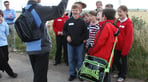

The client requests no contact from agencies or media sales.
Thank you!
Actively Interviewing
This organisation is scheduling interviews as applications come in. They're ready to hire as soon as they find the right person. Don't miss your opportunity, apply now!
Would you like to support people who have served in the Armed Forces? You just need the ability to listen, strong IT skills and good written and spoken English. If you think this could be the role for you, we’d love to hear form you.
What is a caseworker?
Caseworkers visit clients to work out what type of support they need. You will listen without judgement to assess and provide tailored support to help those serving, who have served and their families to navigate life in and beyond military service. Some examples of support are securing funding for special equipment for someone with a disability, adaptions to a property so an older client can remain at home or funds for a rental deposit. Caseworkers also sign-post clients onto specialist local services for advice on benefits, housing, mental health, debt, finding work etc.
Why do we need you?
We’ve been supporting the Armed Forces community since 1885. Our clients come from all backgrounds and age groups and may have served in WW2 or in a more recent conflict like the Falklands or Afghanistan. We’d love the general public to understand what we do and how they can help us.
There are SSAFA branches throughout the UK and overseas who support local volunteers to deliver services to veterans, serving personnel and their families. Some branches are divided into smaller divisions to ensure the best local service delivery. Each branch has a team of volunteer caseworkers, support volunteers, executive roles, and fundraisers.
Volunteer Caseworkers are the lifeblood of SSAFA, supporting a growing number of people in need of financial, practical, and emotional support. Clients come from all backgrounds and age groups and may have served in WW2 or in a more recent conflict like Iraq or Afghanistan.
When would you be needed and where would you be based?
The essential part of the role is visiting clients, so you will need access to a vehicle or another way to travel to meet clients at home or in a care home setting. As part of your local branch, you might have access to an office, but you can complete the administration part of the role from home as long as you have access to IT equipment and the internet.
What would you be doing?
- Contacting beneficiaries and arranging to meet them at a mutually convenient time.
- Meeting beneficiaries and completing a form to assess their circumstances, using good communication skills, empathy and understanding.
- Sign-posting clients onto local services providing specialist advice.
- Applying for funding on the behalf of the beneficiary through a specific process and system
- Arranging for the purchase of goods and services
- Keeping the beneficiary informed of their case progress.
- Liaise with the branch and regional office, regarding your availability.
- Keeping up to date with training and SSAFA news so that you are best able to support clients.
- Being a positive ambassador for SSAFA remembering that anyone you meet could be a potential client, volunteer, or fundraiser.
- Volunteering within the standards and values of SSAFA
- Adhering to SSAFAs policies and procedures at all times, including safeguarding, volunteering policy, equality, diversity and inclusion, health and safety, data protection and confidentiality.
What can you gain from this volunteering role?
- Use your skills, knowledge, and life experience to benefit others.
- Support from your local SSAFA branch and the wider SSAFA community
- Experience, training, and skills that you can highlight on your CV and in job interviews.
- Better physical and mental health – studies show that volunteers live longer and experience lower levels of stress and depression!
What training and support would you receive?
- Role specific training to prepare you for your voluntary role – confidentiality and boundaries, personal safety, caseworker training, and caseworker IT system training. The caseworker training takes 3 days and a further half a day for the other training.
- Mandatory on-line training modules to complete at home, so you are up to date on how to keep clients, their families safe and personal information safe.
- Access to a range additional e-learning courses as well as local opportunities for your personal and professional development.
- Local induction including assigning a person from the team who will be your main point of contact.
- Regular opportunities to meet and share best practice with other caseworkers.
- Range of support from central and regional volunteer operations team.
- Reimbursement of out-of-pocket expenses
- Volunteers will be covered by SSAFAs Public Liability Insurance whilst carrying out the role.
What are we looking for?
- Friendly and approachable with good listening skills, patience, and a positive attitude.
- Good communication skills both written and verbally.
- Respectful and non-judgemental approach with beneficiaries, their family, other agencies and SSAFA colleagues
- Willingness and ability to use IT systems for initial and on-going training and to enter cases on the Casework Management System. Willingness and ability to send and receive emails – you will receive your own SSAFA email address which you will be required to use when exercising your role.
- Ability to make enquires on behalf of beneficiaries by phone, email, letter or by filling in forms.
- Ability to keep within boundaries of the role with regards to friendship or giving advice
- Reliable, prompt and trustworthy.
- Access to public transport or a car to travel to appointments with clients.
We welcome volunteers of all backgrounds, abilities, races, sexual orientations, socio-economic backgrounds, and of all faiths and none. SSAFA are committed to making reasonable adjustments to support volunteers with disabilities, so they have access to the same opportunities and experiences as volunteers who do not.
Minimum Age: 18
Safer Recruitment: SSAFA undertakes a systematic approach and utmost care at every step of the process of volunteer recruitment, selection, and retention to ensure that those recruited are suitable and appropriate. Measures taken at points along this journey work together to make volunteering at SSAFA a positive and safe experience.
References Required: Yes. We will ask for two character references, this can be a former employer or someone that know you well (other than a relative)
Is a criminal record check required? Yes, this is provided by SSAFA at no cost to the potential volunteer. This role requires an enhanced check (including checks against the children and adults barred list)
*A disclosure certificate that contains convictions, cautions, warnings, reprimands, or other information may not automatically mean that you are not able to volunteer. All certificates will be reviewed on a case-by-case basis and, where possible, a modified or alternative role will be offered.
Registered Charity
101 - 500
Our vision A society in which the Armed Forces, veterans and their families can thrive.
The client requests no contact from agencies or media sales.