


Results include remote roles
Filter by workplace to select only on-site or hybrid roles

Are you committed to delivering high quality care? Do you have experience working as part of a multidisciplinary team?
As a County Lead, you will be part of the establishment of a County St John Council to oversee and guide volunteer Community Networks aims to create a structured and supportive framework that empowers volunteers to operate more effectively and efficiently. By providing strategic leadership, coordination, and oversight, the council ensures that volunteer efforts align with community needs and priorities while avoiding duplication of services.
St John has embarked on a journey to achieve the goal of ensuring that every community and young person across the country is first aid confident.
We are looking for a leader with a passion for local volunteering and helping communities to inspire and support volunteers on this journey across your county
The post will also interact with relevant Communities of Practice to share learning, advice and best practice.
If you are successfully shortlisted for this role, you will be contacted by the Hiring Manager for your area to arrange a suitable time for an interview, which will take place over a Microsoft Teams call.
Closing date for this role is the 16 February 2026

Actively Interviewing
This organisation is scheduling interviews as applications come in. They're ready to hire as soon as they find the right person. Don't miss your opportunity, apply now!
About CARAS:
Community Action for Refugees and Asylum Seekers (CARAS) is a registered charity that has been supporting refugees and asylum-seekers since 2002 empowering them to integrate and engage in the local community.
Arriving as an asylum seeker/refugee can be a disempowering experience. Difficulties with language, accessing services and overcoming prejudice are ever-present. As an organisation we are committed to work alongside refugees to overcome those challenges, and to help them build their lives.
We offer group support and targeted support work. We offer a range of activities including: ESOL classes; social and recreational activities such as youth club, drama, trips, and family activities; educational support for young people; and casework and advocacy support.
Our values are at the centre of all our work:
• Kindness: CARAS will nurture all who are part of our community, helping everyone to develop their skills, talents, and interests.
• Justice: CARAS will strive for social justice following a rights-based approach in all our work and challenging instances when rights are not upheld in wider society.
• Empowerment: CARAS works alongside people, recognising and respecting their skills and strengths and striving together for better outcomes.
• ‘With’ not ‘for’: CARAS will put the voices, opinions, experiences and needs of its beneficiaries at the heart of all that we do.
About the CARAS ESOL Team:
Our ESOL team offer English language classes to adults at a wide range of levels. This provides vital skills, opportunities and social contact and is crucial for enabling people to attend college and access other services in the future.
About the Role:
CARAS is looking for volunteer ESOL Teaching Assistants to support our online Zoom classes on Monday mornings:
ESOL Entry 2+ level: 1:30am to 2:30pm (plus a 10-minute debrief)
Please note that ESOL classes do not run during school holidays, and we follow Wandsworth Council term dates.
As a volunteer ESOL Teaching Assistant your role is flexible and varied. It will involve supporting the Adult ESOL Teacher in the delivery of online Zoom classes, as well as providing learners with one-to-one or small-group support.
Volunteer tasks and responsibilities:
Providing learners with one-to-one or small group support within ESOL classes;
Helping learners build confidence in digital literacy;
Attending and contributing to volunteer debriefs after each session;
Making use of any community languages you may know to help students during the class;
Working collaboratively as a team and helping to shape the lessons;
Supporting people to develop their knowledge and skills, encouraging and inspiring participants to reach their full potential;
Assisting participants to recognise and celebrate their achievements;
Following CARAS’ confidentiality, safeguarding, health & safety, equal opportunities, data management, online communications and all other policies as relevant.
Requirements:
Essential
To be 18 years or older;
An interest in education and English language teaching;
To be non-judgemental and able to engage with people from diverse cultural backgrounds;
To be reliable and punctual;
Excellent communication skills, especially with people with varying levels of English;
The ability to volunteer on Tuesday mornings during Wandsworth term time for a minimum of three months;
Able to provide five years’ worth of addresses, and willing to undergo a DBS check; *
Able to attend compulsory volunteer induction training (online) general and safeguarding prior to start of role
UK resident; has asylum-seeker or refugee status
*DBS and proof of residency is not necessary if you are a CARAS community member who is more recently arrived in the UK.
Desirable
Knowledge of community languages, such as (including Arabic, Tigrinya, Amharic, Pashto, Dari, Farsi, Kurdish, Somali and Spanish).
Through volunteering with us you will:
Meet new members of your local community;
Learn about different cultures;
Learn about issues relating to refugees and people seeking asylum;
Work as part of a friendly, welcoming team;
Develop your skills and competencies;
Be able to access relevant training, including ESOL safeguarding training;
Gain experience in teaching and interpreting.
Be able to obtain a reference from us relating to your placement after 3 months of regular volunteering.

 Registered Charity
 6 - 10
We provide firm foundations for new-arrival asylum seekers to build happy and successful lives.



The client requests no contact from agencies or media sales.
Actively Interviewing
This organisation is scheduling interviews as applications come in. They're ready to hire as soon as they find the right person. Don't miss your opportunity, apply now!
Would you like to support people who have served in the Armed Forces? You just need the ability to listen, strong IT skills and good written and spoken English. If you think this could be the role for you, we’d love to hear from you.
What is a Caseworker?
Caseworkers visit clients to work out what type of support they need. You will listen without judgement to assess and provide tailored support to help those serving, who have served and their families to navigate life in and beyond military service. Some examples of support are securing funding for special equipment for someone with a disability, adaptions to a property so an older client can remain at home or funds for a rental deposit. Caseworkers also sign-post clients onto specialist local services for advice on benefits, housing, mental health, debt, finding work etc.
Why do we need you?
We’ve been supporting the Armed Forces community since 1885. Our clients come from all backgrounds and age groups and may have served in WW2 or in a more recent conflict like the Falklands or Afghanistan. We’d love the general public to understand what we do and how they can help us.
There are SSAFA branches throughout the UK and overseas who support local volunteers to deliver services to veterans, serving personnel and their families. Some branches are divided into smaller divisions to ensure the best local service delivery. Each branch has a team of volunteer caseworkers, support volunteers, executive roles, and fundraisers.
Volunteer Caseworkers are the lifeblood of SSAFA, supporting a growing number of people in need of financial, practical, and emotional support. Clients come from all backgrounds and age groups and may have served in WW2 or in a more recent conflict like Iraq or Afghanistan.
When would you be needed and where would you be based?
The essential part of the role is visiting clients, so you will need access to a vehicle or another way to travel to meet clients at home or in a care home setting. As part of your local branch, you might have access to an office, but you can complete the administration part of the role from home as long as you have access to IT equipment and the internet.
What would you be doing?
What can you gain from this volunteering role?
What training and support would you receive?
What are we looking for?
We welcome volunteers of all backgrounds, abilities, races, sexual orientations, socio-economic backgrounds, and of all faiths and none. SSAFA are committed to making reasonable adjustments to support volunteers with disabilities, so they have access to the same opportunities and experiences as volunteers who do not.
Minimum Age: 18
Safer Recruitment: SSAFA undertakes a systematic approach and utmost care at every step of the process of volunteer recruitment, selection, and retention to ensure that those recruited are suitable and appropriate. Measures taken at points along this journey work together to make volunteering at SSAFA a positive and safe experience.
References Required: Yes. We will ask for two character references, this can be a former employer or someone that know you well (other than a relative)
Is a criminal record check required? Yes, this is provided by SSAFA at no cost to the potential volunteer. This role requires an enhanced check (including checks against the children and adults barred list)
*A disclosure certificate that contains convictions, cautions, warnings, reprimands, or other information may not automatically mean that you are not able to volunteer. All certificates will be reviewed on a case-by-case basis and, where possible, a modified or alternative role will be offered.
 Registered Charity
101 - 500
Registered Charity
101 - 500
Our vision A society in which the Armed Forces, veterans and their families can thrive.

The client requests no contact from agencies or media sales.
Actively Interviewing
This organisation is scheduling interviews as applications come in. They're ready to hire as soon as they find the right person. Don't miss your opportunity, apply now!
Would you like to support people who have served in the Armed Forces? You just need the ability to listen, strong IT skills and good written and spoken English. If you think this could be the role for you, we’d love to hear from you.
What is a Caseworker?
Caseworkers visit clients to work out what type of support they need. You will listen without judgement to assess and provide tailored support to help those serving, who have served and their families to navigate life in and beyond military service. Some examples of support are securing funding for special equipment for someone with a disability, adaptions to a property so an older client can remain at home or funds for a rental deposit. Caseworkers also sign-post clients onto specialist local services for advice on benefits, housing, mental health, debt, finding work etc.
Why do we need you?
We’ve been supporting the Armed Forces community since 1885. Our clients come from all backgrounds and age groups and may have served in WW2 or in a more recent conflict like the Falklands or Afghanistan. We’d love the general public to understand what we do and how they can help us.
There are SSAFA branches throughout the UK and overseas who support local volunteers to deliver services to veterans, serving personnel and their families. Some branches are divided into smaller divisions to ensure the best local service delivery. Each branch has a team of volunteer caseworkers, support volunteers, executive roles, and fundraisers.
Volunteer Caseworkers are the lifeblood of SSAFA, supporting a growing number of people in need of financial, practical, and emotional support. Clients come from all backgrounds and age groups and may have served in WW2 or in a more recent conflict like Iraq or Afghanistan.
When would you be needed and where would you be based?
The essential part of the role is visiting clients, so you will need access to a vehicle or another way to travel to meet clients at home or in a care home setting. As part of your local branch, you might have access to an office, but you can complete the administration part of the role from home as long as you have access to IT equipment and the internet.
What would you be doing?
What can you gain from this volunteering role?
What training and support would you receive?
What are we looking for?
We welcome volunteers of all backgrounds, abilities, races, sexual orientations, socio-economic backgrounds, and of all faiths and none. SSAFA are committed to making reasonable adjustments to support volunteers with disabilities, so they have access to the same opportunities and experiences as volunteers who do not.
Minimum Age: 18
Safer Recruitment: SSAFA undertakes a systematic approach and utmost care at every step of the process of volunteer recruitment, selection, and retention to ensure that those recruited are suitable and appropriate. Measures taken at points along this journey work together to make volunteering at SSAFA a positive and safe experience.
References Required: Yes. We will ask for two character references, this can be a former employer or someone that know you well (other than a relative)
Is a criminal record check required? Yes, this is provided by SSAFA at no cost to the potential volunteer. This role requires an enhanced check (including checks against the children and adults barred list)
*A disclosure certificate that contains convictions, cautions, warnings, reprimands, or other information may not automatically mean that you are not able to volunteer. All certificates will be reviewed on a case-by-case basis and, where possible, a modified or alternative role will be offered.
Registered Charity
101 - 500
Our vision A society in which the Armed Forces, veterans and their families can thrive.
The client requests no contact from agencies or media sales.
Actively Interviewing
This organisation is scheduling interviews as applications come in. They're ready to hire as soon as they find the right person. Don't miss your opportunity, apply now!
Would you like to support people who have served in the Armed Forces? You just need the ability to listen, strong IT skills and good written and spoken English. If you think this could be the role for you, we’d love to hear from you.
What is a Caseworker?
Caseworkers visit clients to work out what type of support they need. You will listen without judgement to assess and provide tailored support to help those serving, who have served and their families to navigate life in and beyond military service. Some examples of support are securing funding for special equipment for someone with a disability, adaptions to a property so an older client can remain at home or funds for a rental deposit. Caseworkers also sign-post clients onto specialist local services for advice on benefits, housing, mental health, debt, finding work etc.
Why do we need you?
We’ve been supporting the Armed Forces community since 1885. Our clients come from all backgrounds and age groups and may have served in WW2 or in a more recent conflict like the Falklands or Afghanistan. We’d love the general public to understand what we do and how they can help us.
There are SSAFA branches throughout the UK and overseas who support local volunteers to deliver services to veterans, serving personnel and their families. Some branches are divided into smaller divisions to ensure the best local service delivery. Each branch has a team of volunteer caseworkers, support volunteers, executive roles, and fundraisers.
Volunteer Caseworkers are the lifeblood of SSAFA, supporting a growing number of people in need of financial, practical, and emotional support. Clients come from all backgrounds and age groups and may have served in WW2 or in a more recent conflict like Iraq or Afghanistan.
When would you be needed and where would you be based?
The essential part of the role is visiting clients, so you will need access to a vehicle or another way to travel to meet clients at home or in a care home setting. As part of your local branch, you might have access to an office, but you can complete the administration part of the role from home as long as you have access to IT equipment and the internet.
What would you be doing?
What can you gain from this volunteering role?
What training and support would you receive?
What are we looking for?
We welcome volunteers of all backgrounds, abilities, races, sexual orientations, socio-economic backgrounds, and of all faiths and none. SSAFA are committed to making reasonable adjustments to support volunteers with disabilities, so they have access to the same opportunities and experiences as volunteers who do not.
Minimum Age: 18
Safer Recruitment: SSAFA undertakes a systematic approach and utmost care at every step of the process of volunteer recruitment, selection, and retention to ensure that those recruited are suitable and appropriate. Measures taken at points along this journey work together to make volunteering at SSAFA a positive and safe experience.
References Required: Yes. We will ask for two character references, this can be a former employer or someone that know you well (other than a relative)
Is a criminal record check required? Yes, this is provided by SSAFA at no cost to the potential volunteer. This role requires an enhanced check (including checks against the children and adults barred list)
*A disclosure certificate that contains convictions, cautions, warnings, reprimands, or other information may not automatically mean that you are not able to volunteer. All certificates will be reviewed on a case-by-case basis and, where possible, a modified or alternative role will be offered.
Registered Charity
101 - 500
Our vision A society in which the Armed Forces, veterans and their families can thrive.
The client requests no contact from agencies or media sales.
Do you want to see more happiness and kindness in the world? We’re looking for dynamic Volunteers to be part of creating exactly that!
About the Role:
Our volunteers bring people together for shared online learning experiences, based on positive psychology, that boost the wellbeing of everyone involved.
Our groups and courses can be run online or in-person in your local area.
- The amazing 6-week Happiness Habits Course is designed to be run by pairs of volunteers. It features expert videos, science-backed exercises and the chance to form meaningful connections. Our course has been specially designed to gather the insights of the world's leading experts on six fundamental aspects of a happy and meaningful life: Gratitude, Self-Care, Relationships, Resilience, Kindness, and Meaning. It is a very impactful (many say life-changing) experience.
- Alternatively, you can get involved by supporting a Monthly Group, bringing like-minded people together to learn evidence-based tools for creating a happier and more meaningful life. Explore the monthly themes and encourage people to set personal actions towards happiness, that support both themselves and others.
Volunteering with Action for Happiness is a path of action that consistently feels like you are making a difference in the world. You don’t have to be an expert - or be happy all the time. If you are a warm and enthusiastic person that is more than enough to get started.
Why Volunteer with Us?
Do something that matters: spreading happiness and witnessing people transform for the better is a huge source of meaning.
Grow your skills: inspiring others, learning together and reinforcing your own happiness skills all contribute to personal growth.
Build community: meeting like-minded people, building lasting friendships and belonging to a global community contributing to a better future for all.
How do I know it’s right for me?
Try out free VOLUNTEER TRAINING via the Action For Happiness website and decide for yourself.
We've designed it especially to help you answer questions like this as it explains thoroughly what being a volunteer involves and helps you reflect on your readiness.
What is the time commitment?
You'll need to set aside a couple of hours for the training initially and a few more for planning your course or group and connecting with your co-volunteer. Then you'll need a couple of hours per session for facilitating (x6 weekly sessions for a course, or x1 session per month for a group).
- Apply today! Together, we can inspire change that ripples out through people’s lives, communities and the world.
The client requests no contact from agencies or media sales.
Museum Collections Volunteer Are you passionate about heritage and sharing St John’s story with the public?
Would you like to work with our Museum team on Fabric of Community: St John Ambulance Uniform and Volunteer Identity, a two-year project to transform the way we care for and share our extensive uniform collection.
his is a hands-on role that will give you the opportunity to work with historic objects, all while unlocking the potential of an important and fascinating collection.
The project has been made possible with Art Fund support. What will you be doing? Working as part of a team to identify, audit and research the uniform collection. Sharing new discoveries through supporting blog posts and other public engagement activities. Representing St John positively and in line with our HEART values.
Requirements for the role? An interest in the history of St John’s lifesaving work. Passion for sharing heritage with new audiences and making good-quality data accessible. Close attention to detail. Familiarity with Office 365. Volunteering will take place at the Museum of the Order of St John in London.
Full training will be provided and no previous experience working in Museums or Archives required. How often will you be volunteering? The commitment is one day per week, Wednesdays, 10am – 4pm. There will also be a conservation workshop on Wednesday 4 March which all team members need to attend (10am – 4pm).
What you’ll learn Welcome and induction to the Museum team The history of St John, its people and its lifesaving work in communities How to document, research and catalogue textile collections How to preserve and care for textile collections Selection activities 30-minute informal interview, either in-person or via Microsoft Teams.
Actively Interviewing
This organisation is scheduling interviews as applications come in. They're ready to hire as soon as they find the right person. Don't miss your opportunity, apply now!
Would you like to support people who have served in the Armed Forces? You just need the ability to listen, strong IT skills and good written and spoken English. If you think this could be the role for you, we’d love to hear from you.
What is a Caseworker?
Caseworkers visit clients to work out what type of support they need. You will listen without judgement to assess and provide tailored support to help those serving, who have served and their families to navigate life in and beyond military service. Some examples of support are securing funding for special equipment for someone with a disability, adaptions to a property so an older client can remain at home or funds for a rental deposit. Caseworkers also sign-post clients onto specialist local services for advice on benefits, housing, mental health, debt, finding work etc.
Why do we need you?
We’ve been supporting the Armed Forces community since 1885. Our clients come from all backgrounds and age groups and may have served in WW2 or in a more recent conflict like the Falklands or Afghanistan. We’d love the general public to understand what we do and how they can help us.
There are SSAFA branches throughout the UK and overseas who support local volunteers to deliver services to veterans, serving personnel and their families. Some branches are divided into smaller divisions to ensure the best local service delivery. Each branch has a team of volunteer caseworkers, support volunteers, executive roles, and fundraisers.
Volunteer Caseworkers are the lifeblood of SSAFA, supporting a growing number of people in need of financial, practical, and emotional support. Clients come from all backgrounds and age groups and may have served in WW2 or in a more recent conflict like Iraq or Afghanistan.
When would you be needed and where would you be based?
The essential part of the role is visiting clients, so you will need access to a vehicle or another way to travel to meet clients at home or in a care home setting. As part of your local branch, you might have access to an office, but you can complete the administration part of the role from home as long as you have access to IT equipment and the internet.
What would you be doing?
What can you gain from this volunteering role?
What training and support would you receive?
What are we looking for?
We welcome volunteers of all backgrounds, abilities, races, sexual orientations, socio-economic backgrounds, and of all faiths and none. SSAFA are committed to making reasonable adjustments to support volunteers with disabilities, so they have access to the same opportunities and experiences as volunteers who do not.
Minimum Age: 18
Safer Recruitment: SSAFA undertakes a systematic approach and utmost care at every step of the process of volunteer recruitment, selection, and retention to ensure that those recruited are suitable and appropriate. Measures taken at points along this journey work together to make volunteering at SSAFA a positive and safe experience.
References Required: Yes. We will ask for two character references, this can be a former employer or someone that know you well (other than a relative)
Is a criminal record check required? Yes, this is provided by SSAFA at no cost to the potential volunteer. This role requires an enhanced check (including checks against the children and adults barred list)
*A disclosure certificate that contains convictions, cautions, warnings, reprimands, or other information may not automatically mean that you are not able to volunteer. All certificates will be reviewed on a case-by-case basis and, where possible, a modified or alternative role will be offered.
Registered Charity
101 - 500
Our vision A society in which the Armed Forces, veterans and their families can thrive.
The client requests no contact from agencies or media sales.
Actively Interviewing
This organisation is scheduling interviews as applications come in. They're ready to hire as soon as they find the right person. Don't miss your opportunity, apply now!
Would you like to support people who have served in the Armed Forces? You just need the ability to listen, strong IT skills and good written and spoken English. If you think this could be the role for you, we’d love to hear from you.
What is a Caseworker?
Caseworkers visit clients to work out what type of support they need. You will listen without judgement to assess and provide tailored support to help those serving, who have served and their families to navigate life in and beyond military service. Some examples of support are securing funding for special equipment for someone with a disability, adaptions to a property so an older client can remain at home or funds for a rental deposit. Caseworkers also sign-post clients onto specialist local services for advice on benefits, housing, mental health, debt, finding work etc.
Why do we need you?
We’ve been supporting the Armed Forces community since 1885. Our clients come from all backgrounds and age groups and may have served in WW2 or in a more recent conflict like the Falklands or Afghanistan. We’d love the general public to understand what we do and how they can help us.
There are SSAFA branches throughout the UK and overseas who support local volunteers to deliver services to veterans, serving personnel and their families. Some branches are divided into smaller divisions to ensure the best local service delivery. Each branch has a team of volunteer caseworkers, support volunteers, executive roles, and fundraisers.
Volunteer Caseworkers are the lifeblood of SSAFA, supporting a growing number of people in need of financial, practical, and emotional support. Clients come from all backgrounds and age groups and may have served in WW2 or in a more recent conflict like Iraq or Afghanistan.
When would you be needed and where would you be based?
The essential part of the role is visiting clients, so you will need access to a vehicle or another way to travel to meet clients at home or in a care home setting. As part of your local branch, you might have access to an office, but you can complete the administration part of the role from home as long as you have access to IT equipment and the internet.
What would you be doing?
What can you gain from this volunteering role?
What training and support would you receive?
What are we looking for?
We welcome volunteers of all backgrounds, abilities, races, sexual orientations, socio-economic backgrounds, and of all faiths and none. SSAFA are committed to making reasonable adjustments to support volunteers with disabilities, so they have access to the same opportunities and experiences as volunteers who do not.
Minimum Age: 18
Safer Recruitment: SSAFA undertakes a systematic approach and utmost care at every step of the process of volunteer recruitment, selection, and retention to ensure that those recruited are suitable and appropriate. Measures taken at points along this journey work together to make volunteering at SSAFA a positive and safe experience.
References Required: Yes. We will ask for two character references, this can be a former employer or someone that know you well (other than a relative)
Is a criminal record check required? Yes, this is provided by SSAFA at no cost to the potential volunteer. This role requires an enhanced check (including checks against the children and adults barred list)
*A disclosure certificate that contains convictions, cautions, warnings, reprimands, or other information may not automatically mean that you are not able to volunteer. All certificates will be reviewed on a case-by-case basis and, where possible, a modified or alternative role will be offered.
Registered Charity
101 - 500
Our vision A society in which the Armed Forces, veterans and their families can thrive.
The client requests no contact from agencies or media sales.
Actively Interviewing
This organisation is scheduling interviews as applications come in. They're ready to hire as soon as they find the right person. Don't miss your opportunity, apply now!
Would you like to support people who have served in the Armed Forces? You just need the ability to listen, strong IT skills and good written and spoken English. If you think this could be the role for you, we’d love to hear from you.
What is a Caseworker?
Caseworkers visit clients to work out what type of support they need. You will listen without judgement to assess and provide tailored support to help those serving, who have served and their families to navigate life in and beyond military service. Some examples of support are securing funding for special equipment for someone with a disability, adaptions to a property so an older client can remain at home or funds for a rental deposit. Caseworkers also sign-post clients onto specialist local services for advice on benefits, housing, mental health, debt, finding work etc.
Why do we need you?
We’ve been supporting the Armed Forces community since 1885. Our clients come from all backgrounds and age groups and may have served in WW2 or in a more recent conflict like the Falklands or Afghanistan. We’d love the general public to understand what we do and how they can help us.
There are SSAFA branches throughout the UK and overseas who support local volunteers to deliver services to veterans, serving personnel and their families. Some branches are divided into smaller divisions to ensure the best local service delivery. Each branch has a team of volunteer caseworkers, support volunteers, executive roles, and fundraisers.
Volunteer Caseworkers are the lifeblood of SSAFA, supporting a growing number of people in need of financial, practical, and emotional support. Clients come from all backgrounds and age groups and may have served in WW2 or in a more recent conflict like Iraq or Afghanistan.
When would you be needed and where would you be based?
The essential part of the role is visiting clients, so you will need access to a vehicle or another way to travel to meet clients at home or in a care home setting. As part of your local branch, you might have access to an office, but you can complete the administration part of the role from home as long as you have access to IT equipment and the internet.
What would you be doing?
What can you gain from this volunteering role?
What training and support would you receive?
What are we looking for?
We welcome volunteers of all backgrounds, abilities, races, sexual orientations, socio-economic backgrounds, and of all faiths and none. SSAFA are committed to making reasonable adjustments to support volunteers with disabilities, so they have access to the same opportunities and experiences as volunteers who do not.
Minimum Age: 18
Safer Recruitment: SSAFA undertakes a systematic approach and utmost care at every step of the process of volunteer recruitment, selection, and retention to ensure that those recruited are suitable and appropriate. Measures taken at points along this journey work together to make volunteering at SSAFA a positive and safe experience.
References Required: Yes. We will ask for two character references, this can be a former employer or someone that know you well (other than a relative)
Is a criminal record check required? Yes, this is provided by SSAFA at no cost to the potential volunteer. This role requires an enhanced check (including checks against the children and adults barred list)
*A disclosure certificate that contains convictions, cautions, warnings, reprimands, or other information may not automatically mean that you are not able to volunteer. All certificates will be reviewed on a case-by-case basis and, where possible, a modified or alternative role will be offered.
Registered Charity
101 - 500
Our vision A society in which the Armed Forces, veterans and their families can thrive.
The client requests no contact from agencies or media sales.
Actively Interviewing
This organisation is scheduling interviews as applications come in. They're ready to hire as soon as they find the right person. Don't miss your opportunity, apply now!
Would you like to support people who have served in the Armed Forces? You just need the ability to listen, strong IT skills and good written and spoken English. If you think this could be the role for you, we’d love to hear from you.
What is a Caseworker?
Caseworkers visit clients to work out what type of support they need. You will listen without judgement to assess and provide tailored support to help those serving, who have served and their families to navigate life in and beyond military service. Some examples of support are securing funding for special equipment for someone with a disability, adaptions to a property so an older client can remain at home or funds for a rental deposit. Caseworkers also sign-post clients onto specialist local services for advice on benefits, housing, mental health, debt, finding work etc.
Why do we need you?
We’ve been supporting the Armed Forces community since 1885. Our clients come from all backgrounds and age groups and may have served in WW2 or in a more recent conflict like the Falklands or Afghanistan. We’d love the general public to understand what we do and how they can help us.
There are SSAFA branches throughout the UK and overseas who support local volunteers to deliver services to veterans, serving personnel and their families. Some branches are divided into smaller divisions to ensure the best local service delivery. Each branch has a team of volunteer caseworkers, support volunteers, executive roles, and fundraisers.
Volunteer Caseworkers are the lifeblood of SSAFA, supporting a growing number of people in need of financial, practical, and emotional support. Clients come from all backgrounds and age groups and may have served in WW2 or in a more recent conflict like Iraq or Afghanistan.
When would you be needed and where would you be based?
The essential part of the role is visiting clients, so you will need access to a vehicle or another way to travel to meet clients at home or in a care home setting. As part of your local branch, you might have access to an office, but you can complete the administration part of the role from home as long as you have access to IT equipment and the internet.
What would you be doing?
What can you gain from this volunteering role?
What training and support would you receive?
What are we looking for?
We welcome volunteers of all backgrounds, abilities, races, sexual orientations, socio-economic backgrounds, and of all faiths and none. SSAFA are committed to making reasonable adjustments to support volunteers with disabilities, so they have access to the same opportunities and experiences as volunteers who do not.
Minimum Age: 18
Safer Recruitment: SSAFA undertakes a systematic approach and utmost care at every step of the process of volunteer recruitment, selection, and retention to ensure that those recruited are suitable and appropriate. Measures taken at points along this journey work together to make volunteering at SSAFA a positive and safe experience.
References Required: Yes. We will ask for two character references, this can be a former employer or someone that know you well (other than a relative)
Is a criminal record check required? Yes, this is provided by SSAFA at no cost to the potential volunteer. This role requires an enhanced check (including checks against the children and adults barred list)
*A disclosure certificate that contains convictions, cautions, warnings, reprimands, or other information may not automatically mean that you are not able to volunteer. All certificates will be reviewed on a case-by-case basis and, where possible, a modified or alternative role will be offered.
Registered Charity
101 - 500
Our vision A society in which the Armed Forces, veterans and their families can thrive.
The client requests no contact from agencies or media sales.
Actively Interviewing
This organisation is scheduling interviews as applications come in. They're ready to hire as soon as they find the right person. Don't miss your opportunity, apply now!
Would you like to support people who have served in the Armed Forces? You just need the ability to listen, strong IT skills and good written and spoken English. If you think this could be the role for you, we’d love to hear from you.
What is a Caseworker?
Caseworkers visit clients to work out what type of support they need. You will listen without judgement to assess and provide tailored support to help those serving, who have served and their families to navigate life in and beyond military service. Some examples of support are securing funding for special equipment for someone with a disability, adaptions to a property so an older client can remain at home or funds for a rental deposit. Caseworkers also sign-post clients onto specialist local services for advice on benefits, housing, mental health, debt, finding work etc.
Why do we need you?
We’ve been supporting the Armed Forces community since 1885. Our clients come from all backgrounds and age groups and may have served in WW2 or in a more recent conflict like the Falklands or Afghanistan. We’d love the general public to understand what we do and how they can help us.
There are SSAFA branches throughout the UK and overseas who support local volunteers to deliver services to veterans, serving personnel and their families. Some branches are divided into smaller divisions to ensure the best local service delivery. Each branch has a team of volunteer caseworkers, support volunteers, executive roles, and fundraisers.
Volunteer Caseworkers are the lifeblood of SSAFA, supporting a growing number of people in need of financial, practical, and emotional support. Clients come from all backgrounds and age groups and may have served in WW2 or in a more recent conflict like Iraq or Afghanistan.
When would you be needed and where would you be based?
The essential part of the role is visiting clients, so you will need access to a vehicle or another way to travel to meet clients at home or in a care home setting. As part of your local branch, you might have access to an office, but you can complete the administration part of the role from home as long as you have access to IT equipment and the internet.
What would you be doing?
What can you gain from this volunteering role?
What training and support would you receive?
What are we looking for?
We welcome volunteers of all backgrounds, abilities, races, sexual orientations, socio-economic backgrounds, and of all faiths and none. SSAFA are committed to making reasonable adjustments to support volunteers with disabilities, so they have access to the same opportunities and experiences as volunteers who do not.
Minimum Age: 18
Safer Recruitment: SSAFA undertakes a systematic approach and utmost care at every step of the process of volunteer recruitment, selection, and retention to ensure that those recruited are suitable and appropriate. Measures taken at points along this journey work together to make volunteering at SSAFA a positive and safe experience.
References Required: Yes. We will ask for two character references, this can be a former employer or someone that know you well (other than a relative)
Is a criminal record check required? Yes, this is provided by SSAFA at no cost to the potential volunteer. This role requires an enhanced check (including checks against the children and adults barred list)
*A disclosure certificate that contains convictions, cautions, warnings, reprimands, or other information may not automatically mean that you are not able to volunteer. All certificates will be reviewed on a case-by-case basis and, where possible, a modified or alternative role will be offered.
Registered Charity
101 - 500
Our vision A society in which the Armed Forces, veterans and their families can thrive.
The client requests no contact from agencies or media sales.
Actively Interviewing
This organisation is scheduling interviews as applications come in. They're ready to hire as soon as they find the right person. Don't miss your opportunity, apply now!
Every disabled person should have the opportunity to connect with others and be included in the world. Which is why we’re here, in people’s homes, centres and communities, focusing on the things a person can do, not what they can’t. We celebrate the moments of connection that bring more joy to life. Together, we always find a way, no matter how many barriers a person might face.
Sense is a leading disability charity with extensive knowledge and expertise in delivering personalised, creative and flexible support for disabled people with complex needs. Our tailored approach ensures that every person is empowered to live fully at every stage of life.
About the role:
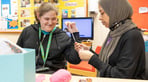
As a Shop Volunteer you’ll be joining a friendly, welcoming team of volunteers and staff who support each other and have a lot of fun along the way. We value every volunteer and the unique perspective, skills and energy you bring.
Whether you’re sorting donations, creating beautiful displays, or chatting to customers, every task you take on helps to build a more inclusive world.
We value volunteer development, and as part of this role your can develop your skills further by training to become a till user alongside your regular shop volunteer responsibilities, or progressing into a Key volunteer, a role which includes opening, running, and closing the shop in the absence of the manager.
No matter your reason for volunteering – whether it’s to meet new people, build new skills or support Sense’s cause – there’s a place for you in one of our shops.
Due to the nature of the role, we require all applicants to be aged 16 or over. You must have a UK address to volunteer with Sense.
Key responsibilities: Shop volunteer
You’ll spend time doing a range of activities, including:
Key responsibilities: Till volunteer
Being a till volunteer includes all the same responsibilities as a shop volunteer, however, when you’re ready, we’ll provide you with additional training to:
If you are interested in becoming a till volunteer straight away, please select ‘Till volunteer’, as well as ‘Shop volunteer’, when asked which volunteer role/s you are interested in during your application.
Key responsibilities: Key volunteer
Being a Key volunteer includes all the same responsibilities as a shop and till volunteer. However, if you’re interested in taking on additional responsibilities, you can train to become a Key Volunteer, helping the shop manager by:
If you are interested in becoming a Key volunteer straight away, please select ‘Key volunteer’ when asked which volunteer role/s you are interested in during your application.
Skills and qualities:
This role would suit you if you’re:
What we offer you:
As one of our volunteers, you’ll get:
Our values:
Everything we do is underpinned by five core values. These values shape the way we work every day. Our values are:
 Registered Charity
More than 1000
Registered Charity
More than 1000
We believe that every disabled person should have the opportunity to connect with others and be included in the world.




Actively Interviewing
This organisation is scheduling interviews as applications come in. They're ready to hire as soon as they find the right person. Don't miss your opportunity, apply now!
Every disabled person should have the opportunity to connect with others and be included in the world. Which is why we’re here, in people’s homes, centres and communities, focusing on the things a person can do, not what they can’t. We celebrate the moments of connection that bring more joy to life. Together, we always find a way, no matter how many barriers a person might face.
Sense is a leading disability charity with extensive knowledge and expertise in delivering personalised, creative and flexible support for disabled people with complex needs. Our tailored approach ensures that every person is empowered to live fully at every stage of life.
About the role:
As a Shop Volunteer you’ll be joining a friendly, welcoming team of volunteers and staff who support each other and have a lot of fun along the way. We value every volunteer and the unique perspective, skills and energy you bring.
Whether you’re sorting donations, creating beautiful displays, or chatting to customers, every task you take on helps to build a more inclusive world.
We value volunteer development, and as part of this role your can develop your skills further by training to become a till user alongside your regular shop volunteer responsibilities, or progressing into a Key volunteer, a role which includes opening, running, and closing the shop in the absence of the manager.
No matter your reason for volunteering – whether it’s to meet new people, build new skills or support Sense’s cause – there’s a place for you in one of our shops.
Due to the nature of the role, we require all applicants to be aged 16 or over. You must have a UK address to volunteer with Sense.
Key responsibilities: Shop volunteer
You’ll spend time doing a range of activities, including:
Key responsibilities: Till volunteer
Being a till volunteer includes all the same responsibilities as a shop volunteer, however, when you’re ready, we’ll provide you with additional training to:
If you are interested in becoming a till volunteer straight away, please select ‘Till volunteer’, as well as ‘Shop volunteer’, when asked which volunteer role/s you are interested in during your application.
Key responsibilities: Key volunteer
Being a Key volunteer includes all the same responsibilities as a shop and till volunteer. However, if you’re interested in taking on additional responsibilities, you can train to become a Key Volunteer, helping the shop manager by:
If you are interested in becoming a Key volunteer straight away, please select ‘Key volunteer’ when asked which volunteer role/s you are interested in during your application.
Skills and qualities:
This role would suit you if you’re:
What we offer you:
As one of our volunteers, you’ll get:
Our values:
Everything we do is underpinned by five core values. These values shape the way we work every day. Our values are:
Registered Charity
More than 1000
We believe that every disabled person should have the opportunity to connect with others and be included in the world.
Actively Interviewing
This organisation is scheduling interviews as applications come in. They're ready to hire as soon as they find the right person. Don't miss your opportunity, apply now!
Would you like to support people who have served in the Armed Forces? You don’t need a military background, just the ability to listen, some basic I.T skills and good written and spoken English. If so, this could be the role for you.
Our Branch provides lifelong support to anyone who has ever served, in the British Army, Royal Navy and Royal Air Force and their dependants. We also give support to those who has been in the Merchant Navy, Seafarers, Fishermen and their dependants, and British Airways staff past and present. Our main role is seeking welfare benevolent grants on behalf of clients who reside in the 26 counties in the Republic of Ireland. They can arrange anything from household goods, funeral costs, mobility aids or other general needs. Legal fees are not considered. We would advise clients to seek state and local benefits by signposting them to the relevant agencies.
What is a caseworker?
Caseworkers visit clients to work out what type of help they need, this might be funds for special equipment for someone with a disability, adaptions to a property so an older client can remain at home or funds for a rental deposit. Caseworkers also sign-post clients onto specialist local services for advice on benefits, housing, mental health, debt, finding work etc.
Why do we need you?
Volunteer Caseworkers are the lifeblood of SSAFA, supporting a growing number of people in need of financial, practical and emotional support. Clients come from all backgrounds and age groups and may have served in WW2 or in a more recent conflict like Iraq or Afghanistan. Our trained volunteers listen without judgement to assess and provide tailored support to help people navigate life in and beyond military service. We need you to join your local SSAFA team to help us achieve this.
When would you be needed and where would you be based?
The essential part of the role is visiting clients, so you will need access to a vehicle or another way to travel to meet clients at home or in a care home setting. Our volunteers are based at home with a yearly AGM invite.
What does this role involve?
• Contacting clients and arranging to meet them at a mutually convenient time
• Meeting clients and completing a form to assess their circumstances
• Sign-posting clients onto local services providing specialist advice
• Keeping in touch with your branch so they know your availability
• Keeping up to date with training and SSAFA news so that you are best able to support clients
• Being a positive ambassador for SSAFA remembering that anyone you meet could be a potential client, volunteer or fundraiser
• Volunteering within the standards and values of SSAFA including observing our policies such as the
Volunteering policy and data protection policy (these will be covered in your training and local induction.)
What can you gain from this volunteering role?
• Support people in your community with a military background and their dependents
• Use your skills, knowledge and life experience to benefit others
• Support from your local SSAFA branch and the wider SSAFA community
• Experience, training and skills that you can highlight on your CV and in job interviews
• Better physical and mental health – studies show that volunteers live longer and experience lower levels of stress and depression!
What training and support will you receive?
• On-line or face to face instructor led training and e-learning modules, to prepare you for your voluntary role.
• Access to a range additional e-learning courses as well as local opportunities for your personal and professional development.
• Local induction including assigning a person from the team who will be your main point of contact. •
• Range of support from central and regional volunteer operations team.
• Reimbursement of out-of-pocket expenses
What skills or experience do you need?
• Good listening and communication skills including written and spoken English
• Respectful and non-judgemental with clients, their family, other agencies and SSAFA colleagues
• Willingness and ability to learn basic digital skills. Ability to send and receive emails – you will receive your own SSAFA email address which you will be required to use when exercising your role
• Ability to make enquires on behalf of clients by phone, email, letter or by filling in forms
• If required, willingness to use our on-line case management system (this is covered in the caseworker training course)
• Ability to keep within boundaries of the role with regards to friendship or giving advice
• Reliable attitude, contact clients promptly, keep appointments, update the branch regarding your availability
• Access to public transport or a car to travel to appointments with clients
• Friendly and approachable with some experience of coordinating people and admin
• Practice confidentiality and data protection in line with SSAFA policies.
We welcome volunteers of all backgrounds, abilities, races, sexual orientations, socio-economic backgrounds, and of all faiths and none. SSAFA are committed to making reasonable adjustments to support volunteers with disabilities, so they have access to the same opportunities and experiences as volunteers who do not.
Minimum Age: 18
Safer Recruitment: SSAFA undertakes a systematic approach and utmost care at every step of the process of volunteer recruitment, selection, and retention to ensure that those recruited are suitable and appropriate. Measures taken at points along this journey work together to make volunteering at SSAFA a positive and safe experience
References Required: Yes. We will ask for two references, this can be former employers or people that know you well (other than relatives)
Is a criminal record check required? Yes, Garda Vetting, this is provided by SSAFA at no cost to the potential volunteer.
Registered Charity
101 - 500
Our vision A society in which the Armed Forces, veterans and their families can thrive.
The client requests no contact from agencies or media sales.