
Social care development volunteer volunteer roles


Actively Interviewing
This organisation is scheduling interviews as applications come in. They're ready to hire as soon as they find the right person. Don't miss your opportunity, apply now!
Fundraising volunteer
Our vision for volunteering
Volunteering is and always will be at the heart of Cats Protection. It is joyful and inclusive. As a charity, working in partnership, together we transform the lives of cats, people and communities.
The difference you will make to cats and people
As a charity we are able to help thousands of cats each year thanks to the generous donations we receive from members of the public. Our fundraising volunteers use their passion for cats and people to raise the vital funds needed to help more cats and kittens in need. As a fundraising volunteer we want to support you to fundraise in whatever way suits you best, whether that’s organising a fundraising event, fundraising online, promoting fundraising activities on social media, completing administration or supporting the development of new fundraising ideas! Whatever your skill set, this could be the role for you!
You can expect us to
- Make you feel welcome, included and respected in line with our values and behaviours
- Support you in having a positive and impactful experience at Cats Protection
- Cover agreed out-of-pocket expenses in line with our Expenses Policy
- Provide you with access to learning, development and engagement opportunities
What we need from you
This is a really flexible role, you can choose what you’d like to get involved with, for example:
- face-to-face fundraising. Organising or helping with fundraising events, running supermarket collections and fundraising stands, monitoring collection tins
- online fundraising. Setting up online appeals and writing impactful cat case studies that maximise donations
- marketing. Spreading the word about our fundraising activities, for example on social media and with the local press
- completing administration. Processing donations, sorting and recording donated goods, completing Gift Aid paperwork
● championing our work. Getting involved with developing new fundraising ideas and increasing community engagement
● photography. Capturing images of cats in care, cats we are helping, events and all things Cats Protection
Time expectation
This is a flexible role that can fit around your other commitments to suit you. You’ll be part of a team raising vital funds while having fun in the process!
You may be just the volunteer we’ve been looking for!
We are committed to building a diverse, compassionate and inclusive organisation where everyone can be themselves and do their best. We are courageous and compassionate in our purpose of helping people see the world through cats’ eyes. Together, we can make a difference. Together, we are all for cats. Join the UK’s leading cat welfare charity and help make a better life for cats, because life is better with cats
Applicants will be asked to complete and application and provide details for two references

 Registered Charity
 501 - 1000
Making a better life for cats, because life is better with cats



The client requests no contact from agencies or media sales.

Thank you!
Bring your clinical expertise to Weldmar Hospicecare and contribute to a thriving board and community across Dorset.
Applications close: 9 a.m. Monday 9th February 2026
Location: Dorcester
About Weldmar Hospicecare
Weldmar Hospicecare is an independent local charity that cares for people living with a life limiting illness, such as cancer, heart disease, or motor neurone disease. We also support the loved ones of our patients. We have been providing our care for the people of Dorset since 1994.
Our individually tailored care – where we focus on the person, not just their symptoms and illness – takes place in patients’ own homes, in community hospitals and care homes, and at our Inpatient Unit in Dorchester.
Weldmar supports more than two thousand people across the north, south, and west of Dorset each year. All our care is provided free of charge. We help people live as good a life as possible when their illness cannot be cured.
Our team of staff includes specialist nurses, doctors, physiotherapists and occupational therapists, counsellors, chefs, maintenance engineers, complementary therapists, retail professionals, and experts in fundraising, marketing, finance, people services, and more. A number of dedicated volunteers in many aspects of our work support us.
As an independent charity, we rely on donations, fundraising events and our charity shops to fund our work.
About the role
Weldmare Hospicecare services are rated ‘outstanding’ by the CQC, and we are seeking a clinically experienced Trustee to join our Board.
This is an exciting time to join the hospice; we are in a strong financial position, with many exciting priorities underway, including a big project in the Inpatient Unit and the creation of new outpatient services. We are currently refurbishing and updating our retail outlets and have good partnerships in our bordering counties of Somerset, Hampshire, Devon and Wiltshire.
To support our plans, the Board is now looking to appoint a new clinical Trustee to replace those whose terms have come (or are coming) to an end.
First-time Trustees and those seeking personal development would be welcome to apply.
Who we are looking for
We seek individuals with a fundamental alignment with our charitable purpose and values. With well-honed interpersonal and communication skills, you will bring sound judgement, the ability to think strategically and offer constructive challenge and debate to the Board and senior team.
We are also looking for those with senior experience in the health care sector, with experience working at a cross-agency level. We are open to a broad range of senior leadership experience, particularly nursing and allied health professionals. Whilst prior experience of end of life/palliative care would be advantageous, it isn’t essential.
You will act as a strong sounding board to the Chair, fellow Trustees and the executive team, and be able to provide strong strategic advice and overview.
We particularly welcome applicants from those who are under-represented on our Trustee Board, such as women, disabled people and individuals from black and minority ethnic communities.
Please click 'Redirect to recruiter’ to be redirected to the Peridot Partners website, where you can find full details of the candidate profile and register your interest to apply.
Applications for this role close at 9 a.m. Monday 9th February 2026.
 Recruitment Agency
21 - 50
Recruitment Agency
21 - 50
We’re an executive search firm working across third sector, education and membership sectors to transform leadership and inspire change.

Thank you!
Using Anonymous Recruitment
This organisation is using Anonymous Recruitment to reduce bias in the first stages of the hiring process. Submit your application as normal and our system will anonymise it for you. Your personal information will be hidden until the recruiter contacts you.
Actively Interviewing
This organisation is scheduling interviews as applications come in. They're ready to hire as soon as they find the right person. Don't miss your opportunity, apply now!
This is a great opportunity to develop further governance skills and experience, and help steer an important charity in the right direction.
Chairing experience required + any combination of: financial management, advocacy, HR, charities, fundraising, social prescribing, NHS, local authorities, marketing, business development, governance, strategy or legal.
About Self Help UK
Self Help UK is a leading peer support organisation with over 40 years of experience in developing and delivering peer-led services. Our mission is to empower individuals and communities by embedding peer support principles into health and wellbeing initiatives. We have created a range of innovative programmes that help people living with cancer and other long-term health conditions to navigate challenges and take control of their health and wellbeing.
We work in partnership with Macmillan Cancer Support on projects that make a real difference. These include national and local initiatives for the Deaf community, volunteer-led support for anyone affected by cancer, and prehabilitation services for those facing complex treatment. In 2026, we will collaborate with our Integrated Care System to improve health literacy and increase cancer screening uptake among underserved communities in Nottingham. Looking ahead, we are exploring a new direction to position Self Help UK as a holistic, person-centred support provider, embedding peer support and volunteer-led activity at the heart of everything we do. Our vision is to challenge health inequalities and enable people to feel confident, informed, and supported in shaping their own health journey.
A selection of causes covered by Self Help UK
·Peer support
·Long-term health conditions
·Cancer diagnoses and prevention
·Voluntary sector support
·Health inequalities
·Under-served communities
What will you be doing?
You will be chairing the Board of Trustees, ensuring that we have minimum representation required for decisions to be made, keeping the board aligned in decision-making, ensuring all minutes are recorded and that all decisions by trustees are made with the appropriate context provided.
Trustees meetings are usually held every six weeks, plus there is an AGM, away days, and any sub-committee meetings that trustees may be involved in. Most meetings will remain virtual but there will from time to time be a need to attend key meetings and events in Nottingham. The time commitment is approximately 4hours per month, but there may be occasions when more time is required for a short period.
Trustee positions are unremunerated, but reasonable expenses will be reimbursed.
Who are we looking for?
Previous chairing experience
·Relevant experience in any of the following financial management, HR, charities, fundraising, social prescribing, NHS, local authorities, marketing, business development, governance, strategy or legal.
·A willingness to devote the necessary time and effort
·Good, independent judgement
·The ability to challenge and ask questions
·An understanding and acceptance of the legal duties, responsibilities and liabilities of trusteeship
·A commitment to Nolan’s seven principles of public life: selflessness, integrity, objectivity, accountability, openness, honesty, and leadership
Application process
To apply for this role please send the following information
1. CV
2. Covering Letter (not more than one page, outlining how you meet the criteria in this role description)
We will keep this advert open until we have filled the role.


The client requests no contact from agencies or media sales.
Thank you!
Using Anonymous Recruitment
This organisation is using Anonymous Recruitment to reduce bias in the first stages of the hiring process. Submit your application as normal and our system will anonymise it for you. Your personal information will be hidden until the recruiter contacts you.
Actively Interviewing
This organisation is scheduling interviews as applications come in. They're ready to hire as soon as they find the right person. Don't miss your opportunity, apply now!
What will you be doing?
We are looking to expand the range of expertise and experience of our Board and are looking to recruit additional Trustees, particularly with knowledge of Nottinghamshire or the Deaf Community (UK-wide), but we are looking for other experience too (see below).
This is a great opportunity to develop further governance skills and experience, and help steer an important charity in the right direction
Trustees meetings are usually held every six weeks, plus there is an AGM, away days, and any sub-committee meetings that trustees may be involved in. Most meetings will remain virtual but there will from time to time be a need to attend key meetings and events in Nottingham. The time commitment is approximately 4 hours per month, but there may be occasions when more time is required for a short period.
Trustee positions are unremunerated, but reasonable expenses will be reimbursed.
Who we are looking for
· Relevant experience in any of the following: the deaf community, Nottinghamshire, financial management, HR, charities, fundraising, social prescribing, NHS, local authorities, marketing, business development, governance, strategy or legal.
· A willingness to devote the necessary time and effort
· Good, independent judgement
· The ability to challenge and ask questions
· An understanding and acceptance of the legal duties, responsibilities and liabilities of trusteeship
· A commitment to Nolan’s seven principles of public life: selflessness, integrity, objectivity, accountability, openness, honesty, and leadership
About Self Help UK
Self Help UK is a leading peer support organisation with over 40 years of experience in developing and delivering peer-led services. Our mission is to empower individuals and communities by embedding peer support principles into health and wellbeing initiatives. We have created a range of innovative programmes that help people living with cancer and other long-term health conditions to navigate challenges and take control of their health and wellbeing.
We work in partnership with Macmillan Cancer Support on projects that make a real difference. These include national and local initiatives for the Deaf community, volunteer-led support for anyone affected by cancer, and prehabilitation services for those facing complex treatment. In 2026, we will collaborate with our Integrated Care System to improve health literacy and increase cancer screening uptake among underserved communities in Nottingham. Looking ahead, we are exploring a new direction to position Self Help UK as a holistic, person-centred support provider, embedding peer support and volunteer-led activity at the heart of everything we do. Our vision is to challenge health inequalities and enable people to feel confident, informed, and supported in shaping their own health journey.
A selection of causes covered by Self Help UK
· Peer support
· Long-term health conditions
· Cancer diagnoses and prevention
· Voluntary sector support
· Health inequalities
· Under-served communities
To apply for this role please send the following information
1. CV
2. Covering Letter (Not more than 1 page and please outline how you meet the criteria in this role description)
The client requests no contact from agencies or media sales.
Thank you!
Actively Interviewing
This organisation is scheduling interviews as applications come in. They're ready to hire as soon as they find the right person. Don't miss your opportunity, apply now!
Would you like to support people who have served in the Armed Forces? You just need the ability to listen, strong IT skills and good written and spoken English. If you think this could be the role for you, we’d love to hear form you.
What is a caseworker?
Caseworkers visit clients to work out what type of support they need. You will listen without judgement to assess and provide tailored support to help those serving, who have served and their families to navigate life in and beyond military service. Some examples of support are securing funding for special equipment for someone with a disability, adaptions to a property so an older client can remain at home or funds for a rental deposit. Caseworkers also sign-post clients onto specialist local services for advice on benefits, housing, mental health, debt, finding work etc.
Why do we need you?
We’ve been supporting the Armed Forces community since 1885. Our clients come from all backgrounds and age groups and may have served in WW2 or in a more recent conflict like the Falklands or Afghanistan. We’d love the general public to understand what we do and how they can help us.
There are SSAFA branches throughout the UK and overseas who support local volunteers to deliver services to veterans, serving personnel and their families. Some branches are divided into smaller divisions to ensure the best local service delivery. Each branch has a team of volunteer caseworkers, support volunteers, executive roles, and fundraisers.
Volunteer Caseworkers are the lifeblood of SSAFA, supporting a growing number of people in need of financial, practical, and emotional support. Clients come from all backgrounds and age groups and may have served in WW2 or in a more recent conflict like Iraq or Afghanistan.
When would you be needed and where would you be based?
The essential part of the role is visiting clients, so you will need access to a vehicle or another way to travel to meet clients at home or in a care home setting. As part of your local branch, you might have access to an office, but you can complete the administration part of the role from home as long as you have access to IT equipment and the internet.
What would you be doing?
- Contacting beneficiaries and arranging to meet them at a mutually convenient time.
- Meeting beneficiaries and completing a form to assess their circumstances, using good communication skills, empathy and understanding.
- Sign-posting clients onto local services providing specialist advice.
- Applying for funding on the behalf of the beneficiary through a specific process and system
- Arranging for the purchase of goods and services
- Keeping the beneficiary informed of their case progress.
- Liaise with the branch and regional office, regarding your availability.
- Keeping up to date with training and SSAFA news so that you are best able to support clients.
- Being a positive ambassador for SSAFA remembering that anyone you meet could be a potential client, volunteer, or fundraiser.
- Volunteering within the standards and values of SSAFA
- Adhering to SSAFAs policies and procedures at all times, including safeguarding, volunteering policy, equality, diversity and inclusion, health and safety, data protection and confidentiality.
What can you gain from this volunteering role?
- Use your skills, knowledge, and life experience to benefit others.
- Support from your local SSAFA branch and the wider SSAFA community
- Experience, training, and skills that you can highlight on your CV and in job interviews.
- Better physical and mental health – studies show that volunteers live longer and experience lower levels of stress and depression!
What training and support would you receive?
- Role specific training to prepare you for your voluntary role – confidentiality and boundaries, personal safety, caseworker training, and caseworker IT system training. The caseworker training takes 3 days and a further half a day for the other training.
- Mandatory on-line training modules to complete at home, so you are up to date on how to keep clients, their families safe and personal information safe.
- Access to a range additional e-learning courses as well as local opportunities for your personal and professional development.
- Local induction including assigning a person from the team who will be your main point of contact.
- Regular opportunities to meet and share best practice with other caseworkers.
- Range of support from central and regional volunteer operations team.
- Reimbursement of out-of-pocket expenses
- Volunteers will be covered by SSAFAs Public Liability Insurance whilst carrying out the role.
What are we looking for?
- Friendly and approachable with good listening skills, patience, and a positive attitude.
- Good communication skills both written and verbally.
- Respectful and non-judgemental approach with beneficiaries, their family, other agencies and SSAFA colleagues
- Willingness and ability to use IT systems for initial and on-going training and to enter cases on the Casework Management System. Willingness and ability to send and receive emails – you will receive your own SSAFA email address which you will be required to use when exercising your role.
- Ability to make enquires on behalf of beneficiaries by phone, email, letter or by filling in forms.
- Ability to keep within boundaries of the role with regards to friendship or giving advice
- Reliable, prompt and trustworthy.
- Access to public transport or a car to travel to appointments with clients.
We welcome volunteers of all backgrounds, abilities, races, sexual orientations, socio-economic backgrounds, and of all faiths and none. SSAFA are committed to making reasonable adjustments to support volunteers with disabilities, so they have access to the same opportunities and experiences as volunteers who do not.
Minimum Age: 18
Safer Recruitment: SSAFA undertakes a systematic approach and utmost care at every step of the process of volunteer recruitment, selection, and retention to ensure that those recruited are suitable and appropriate. Measures taken at points along this journey work together to make volunteering at SSAFA a positive and safe experience.
References Required: Yes. We will ask for two character references, this can be a former employer or someone that know you well (other than a relative)
Is a criminal record check required? Yes, this is provided by SSAFA at no cost to the potential volunteer. This role requires an enhanced check (including checks against the children and adults barred list)
*A disclosure certificate that contains convictions, cautions, warnings, reprimands, or other information may not automatically mean that you are not able to volunteer. All certificates will be reviewed on a case-by-case basis and, where possible, a modified or alternative role will be offered.
 Registered Charity
101 - 500
Registered Charity
101 - 500
Our vision A society in which the Armed Forces, veterans and their families can thrive.

The client requests no contact from agencies or media sales.
Thank you!
Actively Interviewing
This organisation is scheduling interviews as applications come in. They're ready to hire as soon as they find the right person. Don't miss your opportunity, apply now!
Would you like to support people who have served in the Armed Forces? You just need the ability to listen, strong IT skills and good written and spoken English. If you think this could be the role for you, we’d love to hear from you.
What is a Caseworker?
Caseworkers visit clients to work out what type of support they need. You will listen without judgement to assess and provide tailored support to help those serving, who have served and their families to navigate life in and beyond military service. Some examples of support are securing funding for special equipment for someone with a disability, adaptions to a property so an older client can remain at home or funds for a rental deposit. Caseworkers also sign-post clients onto specialist local services for advice on benefits, housing, mental health, debt, finding work etc.
Why do we need you?
We’ve been supporting the Armed Forces community since 1885. Our clients come from all backgrounds and age groups and may have served in WW2 or in a more recent conflict like the Falklands or Afghanistan. We’d love the general public to understand what we do and how they can help us.
There are SSAFA branches throughout the UK and overseas who support local volunteers to deliver services to veterans, serving personnel and their families. Some branches are divided into smaller divisions to ensure the best local service delivery. Each branch has a team of volunteer caseworkers, support volunteers, executive roles, and fundraisers.
Volunteer Caseworkers are the lifeblood of SSAFA, supporting a growing number of people in need of financial, practical, and emotional support. Clients come from all backgrounds and age groups and may have served in WW2 or in a more recent conflict like Iraq or Afghanistan.
When would you be needed and where would you be based?
The essential part of the role is visiting clients, so you will need access to a vehicle or another way to travel to meet clients at home or in a care home setting. As part of your local branch, you might have access to an office, but you can complete the administration part of the role from home as long as you have access to IT equipment and the internet.
What would you be doing?
- Contacting beneficiaries and arranging to meet them at a mutually convenient time.
- Meeting beneficiaries and completing a form to assess their circumstances, using good communication skills, empathy and understanding.
- Sign-posting clients onto local services providing specialist advice.
- Applying for funding on the behalf of the beneficiary through a specific process and system
- Arranging for the purchase of goods and services
- Keeping the beneficiary informed of their case progress.
- Liaise with the branch and regional office, regarding your availability.
- Keeping up to date with training and SSAFA news so that you are best able to support clients.
- Being a positive ambassador for SSAFA remembering that anyone you meet could be a potential client, volunteer, or fundraiser.
- Volunteering within the standards and values of SSAFA
- Adhering to SSAFAs policies and procedures at all times, including safeguarding, volunteering policy, equality, diversity and inclusion, health and safety, data protection and confidentiality.
What can you gain from this volunteering role?
- Use your skills, knowledge, and life experience to benefit others.
- Support from your local SSAFA branch and the wider SSAFA community
- Experience, training, and skills that you can highlight on your CV and in job interviews.
- Better physical and mental health – studies show that volunteers live longer and experience lower levels of stress and depression!
What training and support would you receive?
- Role specific training to prepare you for your voluntary role – confidentiality and boundaries, personal safety, caseworker training, and caseworker IT system training. The caseworker training takes 3 days and a further half a day for the other training.
- Mandatory on-line training modules to complete at home, so you are up to date on how to keep clients, their families safe and personal information safe.
- Access to a range additional e-learning courses as well as local opportunities for your personal and professional development.
- Local induction including assigning a person from the team who will be your main point of contact.
- Regular opportunities to meet and share best practice with other caseworkers.
- Range of support from central and regional volunteer operations team.
- Reimbursement of out-of-pocket expenses
- Volunteers will be covered by SSAFAs Public Liability Insurance whilst carrying out the role.
What are we looking for?
- Friendly and approachable with good listening skills, patience, and a positive attitude.
- Good communication skills both written and verbally.
- Respectful and non-judgemental approach with beneficiaries, their family, other agencies and SSAFA colleagues
- Willingness and ability to use IT systems for initial and on-going training and to enter cases on the Casework Management System. Willingness and ability to send and receive emails – you will receive your own SSAFA email address which you will be required to use when exercising your role.
- Ability to make enquires on behalf of beneficiaries by phone, email, letter or by filling in forms.
- Ability to keep within boundaries of the role with regards to friendship or giving advice
- Reliable, prompt and trustworthy.
- Access to public transport or a car to travel to appointments with clients.
We welcome volunteers of all backgrounds, abilities, races, sexual orientations, socio-economic backgrounds, and of all faiths and none. SSAFA are committed to making reasonable adjustments to support volunteers with disabilities, so they have access to the same opportunities and experiences as volunteers who do not.
Minimum Age: 18
Safer Recruitment: SSAFA undertakes a systematic approach and utmost care at every step of the process of volunteer recruitment, selection, and retention to ensure that those recruited are suitable and appropriate. Measures taken at points along this journey work together to make volunteering at SSAFA a positive and safe experience.
References Required: Yes. We will ask for two character references, this can be a former employer or someone that know you well (other than a relative)
Is a criminal record check required? Yes, this is provided by SSAFA at no cost to the potential volunteer. This role requires an enhanced check (including checks against the children and adults barred list)
*A disclosure certificate that contains convictions, cautions, warnings, reprimands, or other information may not automatically mean that you are not able to volunteer. All certificates will be reviewed on a case-by-case basis and, where possible, a modified or alternative role will be offered.
Registered Charity
101 - 500
Our vision A society in which the Armed Forces, veterans and their families can thrive.
The client requests no contact from agencies or media sales.
Thank you!
Actively Interviewing
This organisation is scheduling interviews as applications come in. They're ready to hire as soon as they find the right person. Don't miss your opportunity, apply now!
Would you like to support people who have served in the Armed Forces? You just need the ability to listen, strong IT skills and good written and spoken English. If you think this could be the role for you, we’d love to hear form you.
What is a caseworker?
Caseworkers visit clients to work out what type of support they need. You will listen without judgement to assess and provide tailored support to help those serving, who have served and their families to navigate life in and beyond military service. Some examples of support are securing funding for special equipment for someone with a disability, adaptions to a property so an older client can remain at home or funds for a rental deposit. Caseworkers also sign-post clients onto specialist local services for advice on benefits, housing, mental health, debt, finding work etc.
Why do we need you?
We’ve been supporting the Armed Forces community since 1885. Our clients come from all backgrounds and age groups and may have served in WW2 or in a more recent conflict like the Falklands or Afghanistan. We’d love the general public to understand what we do and how they can help us.
There are SSAFA branches throughout the UK and overseas who support local volunteers to deliver services to veterans, serving personnel and their families. Some branches are divided into smaller divisions to ensure the best local service delivery. Each branch has a team of volunteer caseworkers, support volunteers, executive roles, and fundraisers.
Volunteer Caseworkers are the lifeblood of SSAFA, supporting a growing number of people in need of financial, practical, and emotional support. Clients come from all backgrounds and age groups and may have served in WW2 or in a more recent conflict like Iraq or Afghanistan.
When would you be needed and where would you be based?
The essential part of the role is visiting clients, so you will need access to a vehicle or another way to travel to meet clients at home or in a care home setting. As part of your local branch, you might have access to an office, but you can complete the administration part of the role from home as long as you have access to IT equipment and the internet.
What would you be doing?
- Contacting beneficiaries and arranging to meet them at a mutually convenient time.
- Meeting beneficiaries and completing a form to assess their circumstances, using good communication skills, empathy and understanding.
- Sign-posting clients onto local services providing specialist advice.
- Applying for funding on the behalf of the beneficiary through a specific process and system
- Arranging for the purchase of goods and services
- Keeping the beneficiary informed of their case progress.
- Liaise with the branch and regional office, regarding your availability.
- Keeping up to date with training and SSAFA news so that you are best able to support clients.
- Being a positive ambassador for SSAFA remembering that anyone you meet could be a potential client, volunteer, or fundraiser.
- Volunteering within the standards and values of SSAFA
- Adhering to SSAFAs policies and procedures at all times, including safeguarding, volunteering policy, equality, diversity and inclusion, health and safety, data protection and confidentiality.
What can you gain from this volunteering role?
- Use your skills, knowledge, and life experience to benefit others.
- Support from your local SSAFA branch and the wider SSAFA community
- Experience, training, and skills that you can highlight on your CV and in job interviews.
- Better physical and mental health – studies show that volunteers live longer and experience lower levels of stress and depression!
What training and support would you receive?
- Role specific training to prepare you for your voluntary role – confidentiality and boundaries, personal safety, caseworker training, and caseworker IT system training. The caseworker training takes 3 days and a further half a day for the other training.
- Mandatory on-line training modules to complete at home, so you are up to date on how to keep clients, their families safe and personal information safe.
- Access to a range additional e-learning courses as well as local opportunities for your personal and professional development.
- Local induction including assigning a person from the team who will be your main point of contact.
- Regular opportunities to meet and share best practice with other caseworkers.
- Range of support from central and regional volunteer operations team.
- Reimbursement of out-of-pocket expenses
- Volunteers will be covered by SSAFAs Public Liability Insurance whilst carrying out the role.
What are we looking for?
- Friendly and approachable with good listening skills, patience, and a positive attitude.
- Good communication skills both written and verbally.
- Respectful and non-judgemental approach with beneficiaries, their family, other agencies and SSAFA colleagues
- Willingness and ability to use IT systems for initial and on-going training and to enter cases on the Casework Management System. Willingness and ability to send and receive emails – you will receive your own SSAFA email address which you will be required to use when exercising your role.
- Ability to make enquires on behalf of beneficiaries by phone, email, letter or by filling in forms.
- Ability to keep within boundaries of the role with regards to friendship or giving advice
- Reliable, prompt and trustworthy.
- Access to public transport or a car to travel to appointments with clients.
We welcome volunteers of all backgrounds, abilities, races, sexual orientations, socio-economic backgrounds, and of all faiths and none. SSAFA are committed to making reasonable adjustments to support volunteers with disabilities, so they have access to the same opportunities and experiences as volunteers who do not.
Minimum Age: 18
Safer Recruitment: SSAFA undertakes a systematic approach and utmost care at every step of the process of volunteer recruitment, selection, and retention to ensure that those recruited are suitable and appropriate. Measures taken at points along this journey work together to make volunteering at SSAFA a positive and safe experience.
References Required: Yes. We will ask for two character references, this can be a former employer or someone that know you well (other than a relative)
Is a criminal record check required? Yes, this is provided by SSAFA at no cost to the potential volunteer. This role requires an enhanced check (including checks against the children and adults barred list)
*A disclosure certificate that contains convictions, cautions, warnings, reprimands, or other information may not automatically mean that you are not able to volunteer. All certificates will be reviewed on a case-by-case basis and, where possible, a modified or alternative role will be offered.
Registered Charity
101 - 500
Our vision A society in which the Armed Forces, veterans and their families can thrive.
The client requests no contact from agencies or media sales.
Thank you!
Actively Interviewing
This organisation is scheduling interviews as applications come in. They're ready to hire as soon as they find the right person. Don't miss your opportunity, apply now!
Would you like to support people who have served in the Armed Forces? You just need the ability to listen, strong IT skills and good written and spoken English. If you think this could be the role for you, we’d love to hear from you.
What is a Caseworker?
Caseworkers visit clients to work out what type of support they need. You will listen without judgement to assess and provide tailored support to help those serving, who have served and their families to navigate life in and beyond military service. Some examples of support are securing funding for special equipment for someone with a disability, adaptions to a property so an older client can remain at home or funds for a rental deposit. Caseworkers also sign-post clients onto specialist local services for advice on benefits, housing, mental health, debt, finding work etc.
Why do we need you?
We’ve been supporting the Armed Forces community since 1885. Our clients come from all backgrounds and age groups and may have served in WW2 or in a more recent conflict like the Falklands or Afghanistan. We’d love the general public to understand what we do and how they can help us.
There are SSAFA branches throughout the UK and overseas who support local volunteers to deliver services to veterans, serving personnel and their families. Some branches are divided into smaller divisions to ensure the best local service delivery. Each branch has a team of volunteer caseworkers, support volunteers, executive roles, and fundraisers.
Volunteer Caseworkers are the lifeblood of SSAFA, supporting a growing number of people in need of financial, practical, and emotional support. Clients come from all backgrounds and age groups and may have served in WW2 or in a more recent conflict like Iraq or Afghanistan.
When would you be needed and where would you be based?
The essential part of the role is visiting clients, so you will need access to a vehicle or another way to travel to meet clients at home or in a care home setting. As part of your local branch, you might have access to an office, but you can complete the administration part of the role from home as long as you have access to IT equipment and the internet.
What would you be doing?
- Contacting beneficiaries and arranging to meet them at a mutually convenient time.
- Meeting beneficiaries and completing a form to assess their circumstances, using good communication skills, empathy and understanding.
- Sign-posting clients onto local services providing specialist advice.
- Applying for funding on the behalf of the beneficiary through a specific process and system
- Arranging for the purchase of goods and services
- Keeping the beneficiary informed of their case progress.
- Liaise with the branch and regional office, regarding your availability.
- Keeping up to date with training and SSAFA news so that you are best able to support clients.
- Being a positive ambassador for SSAFA remembering that anyone you meet could be a potential client, volunteer, or fundraiser.
- Volunteering within the standards and values of SSAFA
- Adhering to SSAFAs policies and procedures at all times, including safeguarding, volunteering policy, equality, diversity and inclusion, health and safety, data protection and confidentiality.
What can you gain from this volunteering role?
- Use your skills, knowledge, and life experience to benefit others.
- Support from your local SSAFA branch and the wider SSAFA community
- Experience, training, and skills that you can highlight on your CV and in job interviews.
- Better physical and mental health – studies show that volunteers live longer and experience lower levels of stress and depression!
What training and support would you receive?
- Role specific training to prepare you for your voluntary role – confidentiality and boundaries, personal safety, caseworker training, and caseworker IT system training. The caseworker training takes 3 days and a further half a day for the other training.
- Mandatory on-line training modules to complete at home, so you are up to date on how to keep clients, their families safe and personal information safe.
- Access to a range additional e-learning courses as well as local opportunities for your personal and professional development.
- Local induction including assigning a person from the team who will be your main point of contact.
- Regular opportunities to meet and share best practice with other caseworkers.
- Range of support from central and regional volunteer operations team.
- Reimbursement of out-of-pocket expenses
- Volunteers will be covered by SSAFAs Public Liability Insurance whilst carrying out the role.
What are we looking for?
- Friendly and approachable with good listening skills, patience, and a positive attitude.
- Good communication skills both written and verbally.
- Respectful and non-judgemental approach with beneficiaries, their family, other agencies and SSAFA colleagues
- Willingness and ability to use IT systems for initial and on-going training and to enter cases on the Casework Management System. Willingness and ability to send and receive emails – you will receive your own SSAFA email address which you will be required to use when exercising your role.
- Ability to make enquires on behalf of beneficiaries by phone, email, letter or by filling in forms.
- Ability to keep within boundaries of the role with regards to friendship or giving advice
- Reliable, prompt and trustworthy.
- Access to public transport or a car to travel to appointments with clients.
We welcome volunteers of all backgrounds, abilities, races, sexual orientations, socio-economic backgrounds, and of all faiths and none. SSAFA are committed to making reasonable adjustments to support volunteers with disabilities, so they have access to the same opportunities and experiences as volunteers who do not.
Minimum Age: 18
Safer Recruitment: SSAFA undertakes a systematic approach and utmost care at every step of the process of volunteer recruitment, selection, and retention to ensure that those recruited are suitable and appropriate. Measures taken at points along this journey work together to make volunteering at SSAFA a positive and safe experience.
References Required: Yes. We will ask for two character references, this can be a former employer or someone that know you well (other than a relative)
Is a criminal record check required? Yes, this is provided by SSAFA at no cost to the potential volunteer. This role requires an enhanced check (including checks against the children and adults barred list)
*A disclosure certificate that contains convictions, cautions, warnings, reprimands, or other information may not automatically mean that you are not able to volunteer. All certificates will be reviewed on a case-by-case basis and, where possible, a modified or alternative role will be offered.
Registered Charity
101 - 500
Our vision A society in which the Armed Forces, veterans and their families can thrive.
The client requests no contact from agencies or media sales.
Thank you!
Actively Interviewing
This organisation is scheduling interviews as applications come in. They're ready to hire as soon as they find the right person. Don't miss your opportunity, apply now!
The Africa Health Organisation (AHO) seeks to engage in bidding and tendering to deliver health and social care services effectively. Our goal is to ensure sustainability and positively impact the lives of more people. We want assistance in developing an ambitious strategy.
What will you be doing?
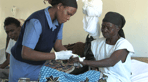
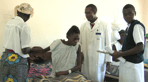
We are excited to announce an incredible opportunity for a talented Head of Bids and tenders to join our passionate team at the Africa Health Organisation (AHO)! Since 1999, we've been dedicated to delivering health and social care to millions across Africa and the Diaspora, and now we're ready to further elevate our impact.
This year, we're embarking on a mission to broaden our funding strategy by incorporating bid and tender submissions. Our goal is to engage with governments in Africa and the UK, the public sector, and the public, providing essential, practical, and emotional support to those facing chronic conditions. We need a visionary like you to help us achieve our goals.
We're seeking a dynamic, experienced Head of Bids to develop and execute a winning strategy to secure the necessary financial backing. There are numerous exciting possibilities ahead, including central government tenders, local and statutory opportunities. We're eager to explore them all.
In this pivotal role, you'll plan and execute our bids and tender writing efforts, ensuring that our bid proposals not only shine but also come to life in meaningful ways. If you're a bid writer who thrives on creativity and collaboration, we want to hear from you! Additionally, you'll have the opportunity to inspire and mentor volunteers within our bid and tender team, making a positive impact together. Join us on this exciting journey!
Key Duties and Responsibilities will include:
- Overall responsibility for delivering high-quality, accurate, compliant and commercially sound proposals on time, to budget, with inputs from key stakeholders.
- Responsible for the coordination and management of all Bid activities, for ensuring that Bid Plans are put in place and that all internal inputs are received promptly to meet Bid submission timescales.
- Responsible for the receipt, management, control and coordination of all external and internal information and documentation with respect to the enquiry and for the team acting as custodian for Bid documents, including all approved internal documentation signed by the Organisation.
- Responsible for compliance with all internal Bid policies and procedures and for passing internal and external audits.
- Contribute to the overall Bid strategy alongside other stakeholders.
- Responsible for the overall leadership of the team and ensuring that individuals within the team are given appropriate opportunities to grow and develop, and that the team maximises performance by creating and fostering a positive, can-do attitude and outlook on an ongoing basis.
- Responsibility to ensure that improvements are identified and those agreed upon are implemented continuously to support the growth and development of the team and those within it.
- There is a need to keep good records and to create and measure metrics on bidding performance to both review performance and drive continuous improvement in a key area of the business.
- Responsible for mentoring and training Bid Managers and Bid Writers to ensure they are up to date with bid requirements and improve their competence.
What are we looking for?
Education, Skills and Experience: Requirements
Essential:
- At least three years of experience in successfully leading teams within a bid environment.
- Proven track record of improvement and achievement - processes and people
- Keen understanding of numbers, spreadsheets, VOP/invoices, rates, cash flow, milestones, negotiations, and pricing audits.
- Ability to write strong proposals and experience as an estimator
- Excellent communicator (written and verbal) with local and international customers, and with an appreciation of cultural differences
- Ability to persuade and influence others
- Ability to lead team by example, with the ability to foster and maintain effective relationships with internal and external stakeholders
- Ability to work to deadlines
- Strong business/commercial acumen
- Keen attention to detail
- Commercially sound judgement
- Strong negotiation skills.
- Strong financial skills
Desirable:
- Leadership qualification (CMI or ILM)
- Experience with an integrated project management / ERP system (Enterprise Resource Planning)
- Experience in bidding roles in the Medical, Biochemistry, Biomedical, Public Services, Global Health, Humanitarian, NGOs, Public Health and Social Care industry
- MBA, Professional Qualification or formal leadership Qualification (CMI, ILM)
What difference will you make?
In this exciting role, you will lead the strategic process for winning new business through competitive bids, tenders, and proposals, ultimately elevating AHO's success. Your specialised knowledge of bids will enhance our win rates and maximise revenue by bringing clarity, quality, and coordination to what can be a complex, high-stakes journey.
Your primary mission is to boost AHO's tender win rates and strengthen our strategic advantage. By diligently overseeing each step of the bidding process—from initial evaluation to final submission—you will significantly improve the quality and persuasion of our proposals, directly increasing our chances of securing valuable contracts.
You'll provide key insights to help AHO target the most promising opportunities by implementing a thoughtful "bid/no-bid" process. This approach will ensure we focus only on lucrative and winnable contracts that closely align with our strategic goals, ultimately saving time and resources and allowing us to prioritise high-potential projects.
In this role, you will orchestrate a well-coordinated process that drives operational efficiency. As the central point of contact, you will gather input from diverse internal teams—sales, finance, legal, and technical—ensuring everyone collaborates smoothly to meet critical deadlines.
As a leader, you'll elevate the quality of our bid content. By overseeing the creation of compelling, polished materials, you'll ensure our final submissions are professional, cohesive, and error-free. You will utilise a centralised content library containing valuable resources, such as case studies and CVs, to streamline efforts and enhance our proposals.
You will keep projects on track by developing detailed project plans and timelines, ensuring all tasks are completed on time—especially critical in the fast-paced environment of tender submissions. Your effective management will ease colleagues' workloads, allowing the entire team to shine.
To foster long-term business growth, you'll create a wealth of knowledge around our tenders and bids. By conducting insightful post-submission debriefs and analysing feedback, you will capture invaluable lessons from both successes and setbacks. This ongoing improvement process will enhance our bidding capabilities for future opportunities.
You also have the opportunity to enhance AHO's brand reputation by submitting well-organised, accurate, and compliant bids. By doing so, you'll showcase our professionalism and reliability to clients, building trust and solidifying our credible standing in the market.
Strategic alignment is vital for sustaining consistent, stable business growth. Together, we can make a remarkable impact on development.
Applicants must submit a CV and a cover letter explaining how they meet the role description and the person specification.
Interviews will be arranged and conducted via Microsoft Teams.
Interview dates are agreed with the applicant.
 Non Charity Employer
21 - 50
Non Charity Employer
21 - 50
To promote equity in health, to combat disease, and to improve the quality of, and lengthen, the lives of the people in Africa and the Diaspora.


The client requests no contact from agencies or media sales.
Thank you!
Actively Interviewing
This organisation is scheduling interviews as applications come in. They're ready to hire as soon as they find the right person. Don't miss your opportunity, apply now!
Would you like to support people who have served in the Armed Forces? You just need the ability to listen, strong IT skills and good written and spoken English. If you think this could be the role for you, we’d love to hear from you.
What is a Caseworker?
Caseworkers visit clients to work out what type of support they need. You will listen without judgement to assess and provide tailored support to help those serving, who have served and their families to navigate life in and beyond military service. Some examples of support are securing funding for special equipment for someone with a disability, adaptions to a property so an older client can remain at home or funds for a rental deposit. Caseworkers also sign-post clients onto specialist local services for advice on benefits, housing, mental health, debt, finding work etc.
Why do we need you?
We’ve been supporting the Armed Forces community since 1885. Our clients come from all backgrounds and age groups and may have served in WW2 or in a more recent conflict like the Falklands or Afghanistan. We’d love the general public to understand what we do and how they can help us.
There are SSAFA branches throughout the UK and overseas who support local volunteers to deliver services to veterans, serving personnel and their families. Some branches are divided into smaller divisions to ensure the best local service delivery. Each branch has a team of volunteer caseworkers, support volunteers, executive roles, and fundraisers.
Volunteer Caseworkers are the lifeblood of SSAFA, supporting a growing number of people in need of financial, practical, and emotional support. Clients come from all backgrounds and age groups and may have served in WW2 or in a more recent conflict like Iraq or Afghanistan.
When would you be needed and where would you be based?
The essential part of the role is visiting clients, so you will need access to a vehicle or another way to travel to meet clients at home or in a care home setting. As part of your local branch, you might have access to an office, but you can complete the administration part of the role from home as long as you have access to IT equipment and the internet.
What would you be doing?
- Contacting beneficiaries and arranging to meet them at a mutually convenient time.
- Meeting beneficiaries and completing a form to assess their circumstances, using good communication skills, empathy and understanding.
- Sign-posting clients onto local services providing specialist advice.
- Applying for funding on the behalf of the beneficiary through a specific process and system
- Arranging for the purchase of goods and services
- Keeping the beneficiary informed of their case progress.
- Liaise with the branch and regional office, regarding your availability.
- Keeping up to date with training and SSAFA news so that you are best able to support clients.
- Being a positive ambassador for SSAFA remembering that anyone you meet could be a potential client, volunteer, or fundraiser.
- Volunteering within the standards and values of SSAFA
- Adhering to SSAFAs policies and procedures at all times, including safeguarding, volunteering policy, equality, diversity and inclusion, health and safety, data protection and confidentiality.
What can you gain from this volunteering role?
- Use your skills, knowledge, and life experience to benefit others.
- Support from your local SSAFA branch and the wider SSAFA community
- Experience, training, and skills that you can highlight on your CV and in job interviews.
- Better physical and mental health – studies show that volunteers live longer and experience lower levels of stress and depression!
What training and support would you receive?
- Role specific training to prepare you for your voluntary role – confidentiality and boundaries, personal safety, caseworker training, and caseworker IT system training. The caseworker training takes 3 days and a further half a day for the other training.
- Mandatory on-line training modules to complete at home, so you are up to date on how to keep clients, their families safe and personal information safe.
- Access to a range additional e-learning courses as well as local opportunities for your personal and professional development.
- Local induction including assigning a person from the team who will be your main point of contact.
- Regular opportunities to meet and share best practice with other caseworkers.
- Range of support from central and regional volunteer operations team.
- Reimbursement of out-of-pocket expenses
- Volunteers will be covered by SSAFAs Public Liability Insurance whilst carrying out the role.
What are we looking for?
- Friendly and approachable with good listening skills, patience, and a positive attitude.
- Good communication skills both written and verbally.
- Respectful and non-judgemental approach with beneficiaries, their family, other agencies and SSAFA colleagues
- Willingness and ability to use IT systems for initial and on-going training and to enter cases on the Casework Management System. Willingness and ability to send and receive emails – you will receive your own SSAFA email address which you will be required to use when exercising your role.
- Ability to make enquires on behalf of beneficiaries by phone, email, letter or by filling in forms.
- Ability to keep within boundaries of the role with regards to friendship or giving advice
- Reliable, prompt and trustworthy.
- Access to public transport or a car to travel to appointments with clients.
We welcome volunteers of all backgrounds, abilities, races, sexual orientations, socio-economic backgrounds, and of all faiths and none. SSAFA are committed to making reasonable adjustments to support volunteers with disabilities, so they have access to the same opportunities and experiences as volunteers who do not.
Minimum Age: 18
Safer Recruitment: SSAFA undertakes a systematic approach and utmost care at every step of the process of volunteer recruitment, selection, and retention to ensure that those recruited are suitable and appropriate. Measures taken at points along this journey work together to make volunteering at SSAFA a positive and safe experience.
References Required: Yes. We will ask for two character references, this can be a former employer or someone that know you well (other than a relative)
Is a criminal record check required? Yes, this is provided by SSAFA at no cost to the potential volunteer. This role requires an enhanced check (including checks against the children and adults barred list)
*A disclosure certificate that contains convictions, cautions, warnings, reprimands, or other information may not automatically mean that you are not able to volunteer. All certificates will be reviewed on a case-by-case basis and, where possible, a modified or alternative role will be offered.
Registered Charity
101 - 500
Our vision A society in which the Armed Forces, veterans and their families can thrive.
The client requests no contact from agencies or media sales.
Thank you!
Actively Interviewing
This organisation is scheduling interviews as applications come in. They're ready to hire as soon as they find the right person. Don't miss your opportunity, apply now!
Would you like to support people who have served in the Armed Forces? You just need the ability to listen, strong IT skills and good written and spoken English. If you think this could be the role for you, we’d love to hear from you.
What is a Caseworker?
Caseworkers visit clients to work out what type of support they need. You will listen without judgement to assess and provide tailored support to help those serving, who have served and their families to navigate life in and beyond military service. Some examples of support are securing funding for special equipment for someone with a disability, adaptions to a property so an older client can remain at home or funds for a rental deposit. Caseworkers also sign-post clients onto specialist local services for advice on benefits, housing, mental health, debt, finding work etc.
Why do we need you?
We’ve been supporting the Armed Forces community since 1885. Our clients come from all backgrounds and age groups and may have served in WW2 or in a more recent conflict like the Falklands or Afghanistan. We’d love the general public to understand what we do and how they can help us.
There are SSAFA branches throughout the UK and overseas who support local volunteers to deliver services to veterans, serving personnel and their families. Some branches are divided into smaller divisions to ensure the best local service delivery. Each branch has a team of volunteer caseworkers, support volunteers, executive roles, and fundraisers.
Volunteer Caseworkers are the lifeblood of SSAFA, supporting a growing number of people in need of financial, practical, and emotional support. Clients come from all backgrounds and age groups and may have served in WW2 or in a more recent conflict like Iraq or Afghanistan.
When would you be needed and where would you be based?
The essential part of the role is visiting clients, so you will need access to a vehicle or another way to travel to meet clients at home or in a care home setting. As part of your local branch, you might have access to an office, but you can complete the administration part of the role from home as long as you have access to IT equipment and the internet.
What would you be doing?
- Contacting beneficiaries and arranging to meet them at a mutually convenient time.
- Meeting beneficiaries and completing a form to assess their circumstances, using good communication skills, empathy and understanding.
- Sign-posting clients onto local services providing specialist advice.
- Applying for funding on the behalf of the beneficiary through a specific process and system
- Arranging for the purchase of goods and services
- Keeping the beneficiary informed of their case progress.
- Liaise with the branch and regional office, regarding your availability.
- Keeping up to date with training and SSAFA news so that you are best able to support clients.
- Being a positive ambassador for SSAFA remembering that anyone you meet could be a potential client, volunteer, or fundraiser.
- Volunteering within the standards and values of SSAFA
- Adhering to SSAFAs policies and procedures at all times, including safeguarding, volunteering policy, equality, diversity and inclusion, health and safety, data protection and confidentiality.
What can you gain from this volunteering role?
- Use your skills, knowledge, and life experience to benefit others.
- Support from your local SSAFA branch and the wider SSAFA community
- Experience, training, and skills that you can highlight on your CV and in job interviews.
- Better physical and mental health – studies show that volunteers live longer and experience lower levels of stress and depression!
What training and support would you receive?
- Role specific training to prepare you for your voluntary role – confidentiality and boundaries, personal safety, caseworker training, and caseworker IT system training. The caseworker training takes 3 days and a further half a day for the other training.
- Mandatory on-line training modules to complete at home, so you are up to date on how to keep clients, their families safe and personal information safe.
- Access to a range additional e-learning courses as well as local opportunities for your personal and professional development.
- Local induction including assigning a person from the team who will be your main point of contact.
- Regular opportunities to meet and share best practice with other caseworkers.
- Range of support from central and regional volunteer operations team.
- Reimbursement of out-of-pocket expenses
- Volunteers will be covered by SSAFAs Public Liability Insurance whilst carrying out the role.
What are we looking for?
- Friendly and approachable with good listening skills, patience, and a positive attitude.
- Good communication skills both written and verbally.
- Respectful and non-judgemental approach with beneficiaries, their family, other agencies and SSAFA colleagues
- Willingness and ability to use IT systems for initial and on-going training and to enter cases on the Casework Management System. Willingness and ability to send and receive emails – you will receive your own SSAFA email address which you will be required to use when exercising your role.
- Ability to make enquires on behalf of beneficiaries by phone, email, letter or by filling in forms.
- Ability to keep within boundaries of the role with regards to friendship or giving advice
- Reliable, prompt and trustworthy.
- Access to public transport or a car to travel to appointments with clients.
We welcome volunteers of all backgrounds, abilities, races, sexual orientations, socio-economic backgrounds, and of all faiths and none. SSAFA are committed to making reasonable adjustments to support volunteers with disabilities, so they have access to the same opportunities and experiences as volunteers who do not.
Minimum Age: 18
Safer Recruitment: SSAFA undertakes a systematic approach and utmost care at every step of the process of volunteer recruitment, selection, and retention to ensure that those recruited are suitable and appropriate. Measures taken at points along this journey work together to make volunteering at SSAFA a positive and safe experience.
References Required: Yes. We will ask for two character references, this can be a former employer or someone that know you well (other than a relative)
Is a criminal record check required? Yes, this is provided by SSAFA at no cost to the potential volunteer. This role requires an enhanced check (including checks against the children and adults barred list)
*A disclosure certificate that contains convictions, cautions, warnings, reprimands, or other information may not automatically mean that you are not able to volunteer. All certificates will be reviewed on a case-by-case basis and, where possible, a modified or alternative role will be offered.
Registered Charity
101 - 500
Our vision A society in which the Armed Forces, veterans and their families can thrive.
The client requests no contact from agencies or media sales.
Thank you!
Actively Interviewing
This organisation is scheduling interviews as applications come in. They're ready to hire as soon as they find the right person. Don't miss your opportunity, apply now!
Would you like to support people who have served in the Armed Forces? You just need the ability to listen, strong IT skills and good written and spoken English. If you think this could be the role for you, we’d love to hear from you.
What is a Caseworker?
Caseworkers visit clients to work out what type of support they need. You will listen without judgement to assess and provide tailored support to help those serving, who have served and their families to navigate life in and beyond military service. Some examples of support are securing funding for special equipment for someone with a disability, adaptions to a property so an older client can remain at home or funds for a rental deposit. Caseworkers also sign-post clients onto specialist local services for advice on benefits, housing, mental health, debt, finding work etc.
Why do we need you?
We’ve been supporting the Armed Forces community since 1885. Our clients come from all backgrounds and age groups and may have served in WW2 or in a more recent conflict like the Falklands or Afghanistan. We’d love the general public to understand what we do and how they can help us.
There are SSAFA branches throughout the UK and overseas who support local volunteers to deliver services to veterans, serving personnel and their families. Some branches are divided into smaller divisions to ensure the best local service delivery. Each branch has a team of volunteer caseworkers, support volunteers, executive roles, and fundraisers.
Volunteer Caseworkers are the lifeblood of SSAFA, supporting a growing number of people in need of financial, practical, and emotional support. Clients come from all backgrounds and age groups and may have served in WW2 or in a more recent conflict like Iraq or Afghanistan.
When would you be needed and where would you be based?
The essential part of the role is visiting clients, so you will need access to a vehicle or another way to travel to meet clients at home or in a care home setting. As part of your local branch, you might have access to an office, but you can complete the administration part of the role from home as long as you have access to IT equipment and the internet.
What would you be doing?
- Contacting beneficiaries and arranging to meet them at a mutually convenient time.
- Meeting beneficiaries and completing a form to assess their circumstances, using good communication skills, empathy and understanding.
- Sign-posting clients onto local services providing specialist advice.
- Applying for funding on the behalf of the beneficiary through a specific process and system
- Arranging for the purchase of goods and services
- Keeping the beneficiary informed of their case progress.
- Liaise with the branch and regional office, regarding your availability.
- Keeping up to date with training and SSAFA news so that you are best able to support clients.
- Being a positive ambassador for SSAFA remembering that anyone you meet could be a potential client, volunteer, or fundraiser.
- Volunteering within the standards and values of SSAFA
- Adhering to SSAFAs policies and procedures at all times, including safeguarding, volunteering policy, equality, diversity and inclusion, health and safety, data protection and confidentiality.
What can you gain from this volunteering role?
- Use your skills, knowledge, and life experience to benefit others.
- Support from your local SSAFA branch and the wider SSAFA community
- Experience, training, and skills that you can highlight on your CV and in job interviews.
- Better physical and mental health – studies show that volunteers live longer and experience lower levels of stress and depression!
What training and support would you receive?
- Role specific training to prepare you for your voluntary role – confidentiality and boundaries, personal safety, caseworker training, and caseworker IT system training. The caseworker training takes 3 days and a further half a day for the other training.
- Mandatory on-line training modules to complete at home, so you are up to date on how to keep clients, their families safe and personal information safe.
- Access to a range additional e-learning courses as well as local opportunities for your personal and professional development.
- Local induction including assigning a person from the team who will be your main point of contact.
- Regular opportunities to meet and share best practice with other caseworkers.
- Range of support from central and regional volunteer operations team.
- Reimbursement of out-of-pocket expenses
- Volunteers will be covered by SSAFAs Public Liability Insurance whilst carrying out the role.
What are we looking for?
- Friendly and approachable with good listening skills, patience, and a positive attitude.
- Good communication skills both written and verbally.
- Respectful and non-judgemental approach with beneficiaries, their family, other agencies and SSAFA colleagues
- Willingness and ability to use IT systems for initial and on-going training and to enter cases on the Casework Management System. Willingness and ability to send and receive emails – you will receive your own SSAFA email address which you will be required to use when exercising your role.
- Ability to make enquires on behalf of beneficiaries by phone, email, letter or by filling in forms.
- Ability to keep within boundaries of the role with regards to friendship or giving advice
- Reliable, prompt and trustworthy.
- Access to public transport or a car to travel to appointments with clients.
We welcome volunteers of all backgrounds, abilities, races, sexual orientations, socio-economic backgrounds, and of all faiths and none. SSAFA are committed to making reasonable adjustments to support volunteers with disabilities, so they have access to the same opportunities and experiences as volunteers who do not.
Minimum Age: 18
Safer Recruitment: SSAFA undertakes a systematic approach and utmost care at every step of the process of volunteer recruitment, selection, and retention to ensure that those recruited are suitable and appropriate. Measures taken at points along this journey work together to make volunteering at SSAFA a positive and safe experience.
References Required: Yes. We will ask for two character references, this can be a former employer or someone that know you well (other than a relative)
Is a criminal record check required? Yes, this is provided by SSAFA at no cost to the potential volunteer. This role requires an enhanced check (including checks against the children and adults barred list)
*A disclosure certificate that contains convictions, cautions, warnings, reprimands, or other information may not automatically mean that you are not able to volunteer. All certificates will be reviewed on a case-by-case basis and, where possible, a modified or alternative role will be offered.
Registered Charity
101 - 500
Our vision A society in which the Armed Forces, veterans and their families can thrive.
The client requests no contact from agencies or media sales.
Thank you!
Actively Interviewing
This organisation is scheduling interviews as applications come in. They're ready to hire as soon as they find the right person. Don't miss your opportunity, apply now!
Would you like to support people who have served in the Armed Forces? You just need the ability to listen, strong IT skills and good written and spoken English. If you think this could be the role for you, we’d love to hear from you.
What is a Caseworker?
Caseworkers visit clients to work out what type of support they need. You will listen without judgement to assess and provide tailored support to help those serving, who have served and their families to navigate life in and beyond military service. Some examples of support are securing funding for special equipment for someone with a disability, adaptions to a property so an older client can remain at home or funds for a rental deposit. Caseworkers also sign-post clients onto specialist local services for advice on benefits, housing, mental health, debt, finding work etc.
Why do we need you?
We’ve been supporting the Armed Forces community since 1885. Our clients come from all backgrounds and age groups and may have served in WW2 or in a more recent conflict like the Falklands or Afghanistan. We’d love the general public to understand what we do and how they can help us.
There are SSAFA branches throughout the UK and overseas who support local volunteers to deliver services to veterans, serving personnel and their families. Some branches are divided into smaller divisions to ensure the best local service delivery. Each branch has a team of volunteer caseworkers, support volunteers, executive roles, and fundraisers.
Volunteer Caseworkers are the lifeblood of SSAFA, supporting a growing number of people in need of financial, practical, and emotional support. Clients come from all backgrounds and age groups and may have served in WW2 or in a more recent conflict like Iraq or Afghanistan.
When would you be needed and where would you be based?
The essential part of the role is visiting clients, so you will need access to a vehicle or another way to travel to meet clients at home or in a care home setting. As part of your local branch, you might have access to an office, but you can complete the administration part of the role from home as long as you have access to IT equipment and the internet.
What would you be doing?
- Contacting beneficiaries and arranging to meet them at a mutually convenient time.
- Meeting beneficiaries and completing a form to assess their circumstances, using good communication skills, empathy and understanding.
- Sign-posting clients onto local services providing specialist advice.
- Applying for funding on the behalf of the beneficiary through a specific process and system
- Arranging for the purchase of goods and services
- Keeping the beneficiary informed of their case progress.
- Liaise with the branch and regional office, regarding your availability.
- Keeping up to date with training and SSAFA news so that you are best able to support clients.
- Being a positive ambassador for SSAFA remembering that anyone you meet could be a potential client, volunteer, or fundraiser.
- Volunteering within the standards and values of SSAFA
- Adhering to SSAFAs policies and procedures at all times, including safeguarding, volunteering policy, equality, diversity and inclusion, health and safety, data protection and confidentiality.
What can you gain from this volunteering role?
- Use your skills, knowledge, and life experience to benefit others.
- Support from your local SSAFA branch and the wider SSAFA community
- Experience, training, and skills that you can highlight on your CV and in job interviews.
- Better physical and mental health – studies show that volunteers live longer and experience lower levels of stress and depression!
What training and support would you receive?
- Role specific training to prepare you for your voluntary role – confidentiality and boundaries, personal safety, caseworker training, and caseworker IT system training. The caseworker training takes 3 days and a further half a day for the other training.
- Mandatory on-line training modules to complete at home, so you are up to date on how to keep clients, their families safe and personal information safe.
- Access to a range additional e-learning courses as well as local opportunities for your personal and professional development.
- Local induction including assigning a person from the team who will be your main point of contact.
- Regular opportunities to meet and share best practice with other caseworkers.
- Range of support from central and regional volunteer operations team.
- Reimbursement of out-of-pocket expenses
- Volunteers will be covered by SSAFAs Public Liability Insurance whilst carrying out the role.
What are we looking for?
- Friendly and approachable with good listening skills, patience, and a positive attitude.
- Good communication skills both written and verbally.
- Respectful and non-judgemental approach with beneficiaries, their family, other agencies and SSAFA colleagues
- Willingness and ability to use IT systems for initial and on-going training and to enter cases on the Casework Management System. Willingness and ability to send and receive emails – you will receive your own SSAFA email address which you will be required to use when exercising your role.
- Ability to make enquires on behalf of beneficiaries by phone, email, letter or by filling in forms.
- Ability to keep within boundaries of the role with regards to friendship or giving advice
- Reliable, prompt and trustworthy.
- Access to public transport or a car to travel to appointments with clients.
We welcome volunteers of all backgrounds, abilities, races, sexual orientations, socio-economic backgrounds, and of all faiths and none. SSAFA are committed to making reasonable adjustments to support volunteers with disabilities, so they have access to the same opportunities and experiences as volunteers who do not.
Minimum Age: 18
Safer Recruitment: SSAFA undertakes a systematic approach and utmost care at every step of the process of volunteer recruitment, selection, and retention to ensure that those recruited are suitable and appropriate. Measures taken at points along this journey work together to make volunteering at SSAFA a positive and safe experience.
References Required: Yes. We will ask for two character references, this can be a former employer or someone that know you well (other than a relative)
Is a criminal record check required? Yes, this is provided by SSAFA at no cost to the potential volunteer. This role requires an enhanced check (including checks against the children and adults barred list)
*A disclosure certificate that contains convictions, cautions, warnings, reprimands, or other information may not automatically mean that you are not able to volunteer. All certificates will be reviewed on a case-by-case basis and, where possible, a modified or alternative role will be offered.
Registered Charity
101 - 500
Our vision A society in which the Armed Forces, veterans and their families can thrive.
The client requests no contact from agencies or media sales.
Thank you!
Actively Interviewing
This organisation is scheduling interviews as applications come in. They're ready to hire as soon as they find the right person. Don't miss your opportunity, apply now!
Would you like to support people who have served in the Armed Forces? You just need the ability to listen, strong IT skills and good written and spoken English. If you think this could be the role for you, we’d love to hear from you.
What is a Caseworker?
Caseworkers visit clients to work out what type of support they need. You will listen without judgement to assess and provide tailored support to help those serving, who have served and their families to navigate life in and beyond military service. Some examples of support are securing funding for special equipment for someone with a disability, adaptions to a property so an older client can remain at home or funds for a rental deposit. Caseworkers also sign-post clients onto specialist local services for advice on benefits, housing, mental health, debt, finding work etc.
Why do we need you?
We’ve been supporting the Armed Forces community since 1885. Our clients come from all backgrounds and age groups and may have served in WW2 or in a more recent conflict like the Falklands or Afghanistan. We’d love the general public to understand what we do and how they can help us.
There are SSAFA branches throughout the UK and overseas who support local volunteers to deliver services to veterans, serving personnel and their families. Some branches are divided into smaller divisions to ensure the best local service delivery. Each branch has a team of volunteer caseworkers, support volunteers, executive roles, and fundraisers.
Volunteer Caseworkers are the lifeblood of SSAFA, supporting a growing number of people in need of financial, practical, and emotional support. Clients come from all backgrounds and age groups and may have served in WW2 or in a more recent conflict like Iraq or Afghanistan.
When would you be needed and where would you be based?
The essential part of the role is visiting clients, so you will need access to a vehicle or another way to travel to meet clients at home or in a care home setting. As part of your local branch, you might have access to an office, but you can complete the administration part of the role from home as long as you have access to IT equipment and the internet.
What would you be doing?
- Contacting beneficiaries and arranging to meet them at a mutually convenient time.
- Meeting beneficiaries and completing a form to assess their circumstances, using good communication skills, empathy and understanding.
- Sign-posting clients onto local services providing specialist advice.
- Applying for funding on the behalf of the beneficiary through a specific process and system
- Arranging for the purchase of goods and services
- Keeping the beneficiary informed of their case progress.
- Liaise with the branch and regional office, regarding your availability.
- Keeping up to date with training and SSAFA news so that you are best able to support clients.
- Being a positive ambassador for SSAFA remembering that anyone you meet could be a potential client, volunteer, or fundraiser.
- Volunteering within the standards and values of SSAFA
- Adhering to SSAFAs policies and procedures at all times, including safeguarding, volunteering policy, equality, diversity and inclusion, health and safety, data protection and confidentiality.
What can you gain from this volunteering role?
- Use your skills, knowledge, and life experience to benefit others.
- Support from your local SSAFA branch and the wider SSAFA community
- Experience, training, and skills that you can highlight on your CV and in job interviews.
- Better physical and mental health – studies show that volunteers live longer and experience lower levels of stress and depression!
What training and support would you receive?
- Role specific training to prepare you for your voluntary role – confidentiality and boundaries, personal safety, caseworker training, and caseworker IT system training. The caseworker training takes 3 days and a further half a day for the other training.
- Mandatory on-line training modules to complete at home, so you are up to date on how to keep clients, their families safe and personal information safe.
- Access to a range additional e-learning courses as well as local opportunities for your personal and professional development.
- Local induction including assigning a person from the team who will be your main point of contact.
- Regular opportunities to meet and share best practice with other caseworkers.
- Range of support from central and regional volunteer operations team.
- Reimbursement of out-of-pocket expenses
- Volunteers will be covered by SSAFAs Public Liability Insurance whilst carrying out the role.
What are we looking for?
- Friendly and approachable with good listening skills, patience, and a positive attitude.
- Good communication skills both written and verbally.
- Respectful and non-judgemental approach with beneficiaries, their family, other agencies and SSAFA colleagues
- Willingness and ability to use IT systems for initial and on-going training and to enter cases on the Casework Management System. Willingness and ability to send and receive emails – you will receive your own SSAFA email address which you will be required to use when exercising your role.
- Ability to make enquires on behalf of beneficiaries by phone, email, letter or by filling in forms.
- Ability to keep within boundaries of the role with regards to friendship or giving advice
- Reliable, prompt and trustworthy.
- Access to public transport or a car to travel to appointments with clients.
We welcome volunteers of all backgrounds, abilities, races, sexual orientations, socio-economic backgrounds, and of all faiths and none. SSAFA are committed to making reasonable adjustments to support volunteers with disabilities, so they have access to the same opportunities and experiences as volunteers who do not.
Minimum Age: 18
Safer Recruitment: SSAFA undertakes a systematic approach and utmost care at every step of the process of volunteer recruitment, selection, and retention to ensure that those recruited are suitable and appropriate. Measures taken at points along this journey work together to make volunteering at SSAFA a positive and safe experience.
References Required: Yes. We will ask for two character references, this can be a former employer or someone that know you well (other than a relative)
Is a criminal record check required? Yes, this is provided by SSAFA at no cost to the potential volunteer. This role requires an enhanced check (including checks against the children and adults barred list)
*A disclosure certificate that contains convictions, cautions, warnings, reprimands, or other information may not automatically mean that you are not able to volunteer. All certificates will be reviewed on a case-by-case basis and, where possible, a modified or alternative role will be offered.
Registered Charity
101 - 500
Our vision A society in which the Armed Forces, veterans and their families can thrive.
The client requests no contact from agencies or media sales.
Thank you!
Actively Interviewing
This organisation is scheduling interviews as applications come in. They're ready to hire as soon as they find the right person. Don't miss your opportunity, apply now!
Would you like to support people who have served in the Armed Forces? You just need the ability to listen, strong IT skills and good written and spoken English. If you think this could be the role for you, we’d love to hear from you.
What is a Caseworker?
Caseworkers visit clients to work out what type of support they need. You will listen without judgement to assess and provide tailored support to help those serving, who have served and their families to navigate life in and beyond military service. Some examples of support are securing funding for special equipment for someone with a disability, adaptions to a property so an older client can remain at home or funds for a rental deposit. Caseworkers also sign-post clients onto specialist local services for advice on benefits, housing, mental health, debt, finding work etc.
Why do we need you?
We’ve been supporting the Armed Forces community since 1885. Our clients come from all backgrounds and age groups and may have served in WW2 or in a more recent conflict like the Falklands or Afghanistan. We’d love the general public to understand what we do and how they can help us.
There are SSAFA branches throughout the UK and overseas who support local volunteers to deliver services to veterans, serving personnel and their families. Some branches are divided into smaller divisions to ensure the best local service delivery. Each branch has a team of volunteer caseworkers, support volunteers, executive roles, and fundraisers.
Volunteer Caseworkers are the lifeblood of SSAFA, supporting a growing number of people in need of financial, practical, and emotional support. Clients come from all backgrounds and age groups and may have served in WW2 or in a more recent conflict like Iraq or Afghanistan.
When would you be needed and where would you be based?
The essential part of the role is visiting clients, so you will need access to a vehicle or another way to travel to meet clients at home or in a care home setting. As part of your local branch, you might have access to an office, but you can complete the administration part of the role from home as long as you have access to IT equipment and the internet.
What would you be doing?
- Contacting beneficiaries and arranging to meet them at a mutually convenient time.
- Meeting beneficiaries and completing a form to assess their circumstances, using good communication skills, empathy and understanding.
- Sign-posting clients onto local services providing specialist advice.
- Applying for funding on the behalf of the beneficiary through a specific process and system
- Arranging for the purchase of goods and services
- Keeping the beneficiary informed of their case progress.
- Liaise with the branch and regional office, regarding your availability.
- Keeping up to date with training and SSAFA news so that you are best able to support clients.
- Being a positive ambassador for SSAFA remembering that anyone you meet could be a potential client, volunteer, or fundraiser.
- Volunteering within the standards and values of SSAFA
- Adhering to SSAFAs policies and procedures at all times, including safeguarding, volunteering policy, equality, diversity and inclusion, health and safety, data protection and confidentiality.
What can you gain from this volunteering role?
- Use your skills, knowledge, and life experience to benefit others.
- Support from your local SSAFA branch and the wider SSAFA community
- Experience, training, and skills that you can highlight on your CV and in job interviews.
- Better physical and mental health – studies show that volunteers live longer and experience lower levels of stress and depression!
What training and support would you receive?
- Role specific training to prepare you for your voluntary role – confidentiality and boundaries, personal safety, caseworker training, and caseworker IT system training. The caseworker training takes 3 days and a further half a day for the other training.
- Mandatory on-line training modules to complete at home, so you are up to date on how to keep clients, their families safe and personal information safe.
- Access to a range additional e-learning courses as well as local opportunities for your personal and professional development.
- Local induction including assigning a person from the team who will be your main point of contact.
- Regular opportunities to meet and share best practice with other caseworkers.
- Range of support from central and regional volunteer operations team.
- Reimbursement of out-of-pocket expenses
- Volunteers will be covered by SSAFAs Public Liability Insurance whilst carrying out the role.
What are we looking for?
- Friendly and approachable with good listening skills, patience, and a positive attitude.
- Good communication skills both written and verbally.
- Respectful and non-judgemental approach with beneficiaries, their family, other agencies and SSAFA colleagues
- Willingness and ability to use IT systems for initial and on-going training and to enter cases on the Casework Management System. Willingness and ability to send and receive emails – you will receive your own SSAFA email address which you will be required to use when exercising your role.
- Ability to make enquires on behalf of beneficiaries by phone, email, letter or by filling in forms.
- Ability to keep within boundaries of the role with regards to friendship or giving advice
- Reliable, prompt and trustworthy.
- Access to public transport or a car to travel to appointments with clients.
We welcome volunteers of all backgrounds, abilities, races, sexual orientations, socio-economic backgrounds, and of all faiths and none. SSAFA are committed to making reasonable adjustments to support volunteers with disabilities, so they have access to the same opportunities and experiences as volunteers who do not.
Minimum Age: 18
Safer Recruitment: SSAFA undertakes a systematic approach and utmost care at every step of the process of volunteer recruitment, selection, and retention to ensure that those recruited are suitable and appropriate. Measures taken at points along this journey work together to make volunteering at SSAFA a positive and safe experience.
References Required: Yes. We will ask for two character references, this can be a former employer or someone that know you well (other than a relative)
Is a criminal record check required? Yes, this is provided by SSAFA at no cost to the potential volunteer. This role requires an enhanced check (including checks against the children and adults barred list)
*A disclosure certificate that contains convictions, cautions, warnings, reprimands, or other information may not automatically mean that you are not able to volunteer. All certificates will be reviewed on a case-by-case basis and, where possible, a modified or alternative role will be offered.
Registered Charity
101 - 500
Our vision A society in which the Armed Forces, veterans and their families can thrive.
The client requests no contact from agencies or media sales.