
Support group volunteer volunteer volunteer roles


Actively Interviewing
This organisation is scheduling interviews as applications come in. They're ready to hire as soon as they find the right person. Don't miss your opportunity, apply now!
Would you like to support people who have served in the Armed Forces? You just need the ability to listen, strong IT skills and good written and spoken English. If you think this could be the role for you, we’d love to hear from you.
What is a Caseworker?
Caseworkers visit clients to work out what type of support they need. You will listen without judgement to assess and provide tailored support to help those serving, who have served and their families to navigate life in and beyond military service. Some examples of support are securing funding for special equipment for someone with a disability, adaptions to a property so an older client can remain at home or funds for a rental deposit. Caseworkers also sign-post clients onto specialist local services for advice on benefits, housing, mental health, debt, finding work etc.
Why do we need you?
We’ve been supporting the Armed Forces community since 1885. Our clients come from all backgrounds and age groups and may have served in WW2 or in a more recent conflict like the Falklands or Afghanistan. We’d love the general public to understand what we do and how they can help us.
There are SSAFA branches throughout the UK and overseas who support local volunteers to deliver services to veterans, serving personnel and their families. Some branches are divided into smaller divisions to ensure the best local service delivery. Each branch has a team of volunteer caseworkers, support volunteers, executive roles, and fundraisers.
Volunteer Caseworkers are the lifeblood of SSAFA, supporting a growing number of people in need of financial, practical, and emotional support. Clients come from all backgrounds and age groups and may have served in WW2 or in a more recent conflict like Iraq or Afghanistan.
When would you be needed and where would you be based?
The essential part of the role is visiting clients, so you will need access to a vehicle or another way to travel to meet clients at home or in a care home setting. As part of your local branch, you might have access to an office, but you can complete the administration part of the role from home as long as you have access to IT equipment and the internet.
What would you be doing?
- Contacting beneficiaries and arranging to meet them at a mutually convenient time.
- Meeting beneficiaries and completing a form to assess their circumstances, using good communication skills, empathy and understanding.
- Sign-posting clients onto local services providing specialist advice.
- Applying for funding on the behalf of the beneficiary through a specific process and system
- Arranging for the purchase of goods and services
- Keeping the beneficiary informed of their case progress.
- Liaise with the branch and regional office, regarding your availability.
- Keeping up to date with training and SSAFA news so that you are best able to support clients.
- Being a positive ambassador for SSAFA remembering that anyone you meet could be a potential client, volunteer, or fundraiser.
- Volunteering within the standards and values of SSAFA
- Adhering to SSAFAs policies and procedures at all times, including safeguarding, volunteering policy, equality, diversity and inclusion, health and safety, data protection and confidentiality.
What can you gain from this volunteering role?
- Use your skills, knowledge, and life experience to benefit others.
- Support from your local SSAFA branch and the wider SSAFA community
- Experience, training, and skills that you can highlight on your CV and in job interviews.
- Better physical and mental health – studies show that volunteers live longer and experience lower levels of stress and depression!
What training and support would you receive?
- Role specific training to prepare you for your voluntary role – confidentiality and boundaries, personal safety, caseworker training, and caseworker IT system training. The caseworker training takes 3 days and a further half a day for the other training.
- Mandatory on-line training modules to complete at home, so you are up to date on how to keep clients, their families safe and personal information safe.
- Access to a range additional e-learning courses as well as local opportunities for your personal and professional development.
- Local induction including assigning a person from the team who will be your main point of contact.
- Regular opportunities to meet and share best practice with other caseworkers.
- Range of support from central and regional volunteer operations team.
- Reimbursement of out-of-pocket expenses
- Volunteers will be covered by SSAFAs Public Liability Insurance whilst carrying out the role.
What are we looking for?
- Friendly and approachable with good listening skills, patience, and a positive attitude.
- Good communication skills both written and verbally.
- Respectful and non-judgemental approach with beneficiaries, their family, other agencies and SSAFA colleagues
- Willingness and ability to use IT systems for initial and on-going training and to enter cases on the Casework Management System. Willingness and ability to send and receive emails – you will receive your own SSAFA email address which you will be required to use when exercising your role.
- Ability to make enquires on behalf of beneficiaries by phone, email, letter or by filling in forms.
- Ability to keep within boundaries of the role with regards to friendship or giving advice
- Reliable, prompt and trustworthy.
- Access to public transport or a car to travel to appointments with clients.
We welcome volunteers of all backgrounds, abilities, races, sexual orientations, socio-economic backgrounds, and of all faiths and none. SSAFA are committed to making reasonable adjustments to support volunteers with disabilities, so they have access to the same opportunities and experiences as volunteers who do not.
Minimum Age: 18
Safer Recruitment: SSAFA undertakes a systematic approach and utmost care at every step of the process of volunteer recruitment, selection, and retention to ensure that those recruited are suitable and appropriate. Measures taken at points along this journey work together to make volunteering at SSAFA a positive and safe experience.
References Required: Yes. We will ask for two character references, this can be a former employer or someone that know you well (other than a relative)
Is a criminal record check required? Yes, this is provided by SSAFA at no cost to the potential volunteer. This role requires an enhanced check (including checks against the children and adults barred list)
*A disclosure certificate that contains convictions, cautions, warnings, reprimands, or other information may not automatically mean that you are not able to volunteer. All certificates will be reviewed on a case-by-case basis and, where possible, a modified or alternative role will be offered.

 Registered Charity
 101 - 500
Our vision A society in which the Armed Forces, veterans and their families can thrive.


The client requests no contact from agencies or media sales.

Thank you!

Using Anonymous Recruitment
This organisation is using Anonymous Recruitment to reduce bias in the first stages of the hiring process. Submit your application as normal and our system will anonymise it for you. Your personal information will be hidden until the recruiter contacts you.
Campaign Against Arms Trade (CAAT) is recruiting six volunteers to sit on our new Advisory Council, which will support the work of the organisation by helping to guide our strategy and direction, develop new thinking around our grassroot activism, research, campaigning and advocacy work, and strengthen our solidarity networks, coalitions and allyships, especially with and amongst marginalised and racialised communities.
The Advisory Council will complement our governing board (the Steering Committee). The aim is for the Council to take a broader, more long-term and strategic view of CAAT’s activities, provide fresh perspectives, and expand our networks. The Advisory Council will not have responsibility for financial, legal, or HR oversight of CAAT.
We are particularly warmly inviting those with lived experiences of international conflict and structural violence, and those involved in anti-militarist and intersecting social activism in collectives and movements. We also warmly encourage applications from people from marginalised communities and groups, including but not limited to LGBTQ+, BIPOC, neurodiverse, and disabled people.
More details are available in the attached Recruitment Pack or on the CAAT website.
Your covering letter should set out your interest in and suitability for the role — sharing about yourself, relevant experiences and activities, and the ways you would hope to contribute as a member of the Advisory Council.
 Non Charity Employer
6 - 10
Non Charity Employer
6 - 10
We're working for a just, peaceful and sustainable world built on foundations of equity and solidarity.


.jpg)
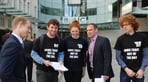
The client requests no contact from agencies or media sales.
Thank you!
Actively Interviewing
This organisation is scheduling interviews as applications come in. They're ready to hire as soon as they find the right person. Don't miss your opportunity, apply now!
VOLUNTEER ADMINISTRATOR
Across the UK, our 60+ local branches work with disabled people to help them live the lives they choose. Our network of skilled volunteers respond to thousands of requests each year to design and make customised equipment free of charge.
Our Administrator volunteers are the lynchpin our local branch activities. They act as the first point of contact, ensure useful information is circulated to other members and help us make sure we keep all the data and details we need up to date.
What the role involves
This is a varied role that each branch tends to do a bit differently, but it will involve:
• Keeping records and data up to date and taking notes at meetings
• Preparing mail-outs
• Answering enquiries
• Accessing the branch Remap Email and Portal accounts
• Booking venues for meetings
• Ensuring branch members are aware of current agreements/activities
We can support you to develop the skills you need for this role, and there’s an induction that covers all the areas above. You’ll also have chance to discuss your role and any additional needs with us.
What you’ll need for this role
• Confident using Microsoft Office, the internet and email
• Comfortable organising the administration of a group
• Able to follow Remap policies and procedures
• Able to understand and apply our risk management system
• Able to apply disability, equality, and inclusion practices
• Able to keep people’s personal details safe• Able to apply disability, equality, and inclusion practices
• Able to keep people’s personal details safe
• Willing to follow Remap policies and procedures and a commitment to our aims and values
You’ll also need to complete the induction checklist and some online training.
Where will I volunteer?
The Administrator role is largely home based, but it varies from branch to branch – some branches hold in-person meetings once a month or so, and their Administrators tend to be based in the area the branch covers.
If it works better for you, however, there’s a possibility this role could be done remotely.
Time commitment
This also varies, but it’s generally around 1-2 hours a week.
Why volunteer
When you volunteer with us, you join a community of committed people with a passion for helping to improve the lives of others. We’re a volunteer led organisation and we couldn’t do what we do without your hard work, skills and commitment.
N.B. We’ll reimburse any out-of-pocket expenses during your time with us.
 Registered Charity
6 - 10
Registered Charity
6 - 10
REMAP exists to improve the quality of life for people who experience short or long-term disability through infirmity, illness or ageing.
Thank you!
Actively Interviewing
This organisation is scheduling interviews as applications come in. They're ready to hire as soon as they find the right person. Don't miss your opportunity, apply now!
About Children With Voices
Children With Voices (CWV) is a grassroots charity supporting children, young people, and families through alternative education, life-skills programmes, wellbeing activities, and community food hubs.
Our mission is to empower children with confidence, resilience, and the tools they need to thrive. We work closely with local schools, families, and partners to create safe, supportive learning environments where every child is valued and heard.
Role: Youth Mentor / Support Worker
Location: Community sites / schools
Hours: 2–4 hours per week (flexible)
Contract: Volunteer
Reports to: Head of Programmes & Education
Role Overview
As a Youth Mentor, you will provide emotional, practical and wellbeing support to young people who need a positive role model. You will help build resilience, confidence, and healthy life-skills.
Key Responsibilities
-
Provide 1:1 mentoring and group support
-
Encourage positive behaviour, engagement and wellbeing
-
Support workshops, activities and trips
-
Build safe, trusting relationships with young people
-
Report safeguarding concerns appropriately
-
Log basic session notes and progress
Person Specification
Essential:
-
Empathy, patience, and strong listening skills
-
Experience supporting young people (formal or informal)
-
Commitment to safeguarding and boundaries
Desirable:
-
Experience in youth work, coaching or education
Benefits
-
Safeguarding, mentoring and youth-work training
-
Flexible volunteering
-
Excellent experience for education, youth work, or social care careers
-
Meaningful impact on young people’s lives

The client requests no contact from agencies or media sales.
Thank you!
Actively Interviewing
This organisation is scheduling interviews as applications come in. They're ready to hire as soon as they find the right person. Don't miss your opportunity, apply now!
We are seeking an enthusiastic volunteer to assist our Client Service Administrator on Reception in hosting our busy reception area and friendly waiting room. In this role, you will use your excellent interpersonal skills to welcome clients and visiting professionals and other volunteers to the Helen Bamber Foundation, making them feel comfortable, attending to any immediate needs they may have, assisting them with their queries and notifying clinicians and other staff of their arrival.
You will be at the heart of an exciting, team of experts working as a representative of the Helen Bamber Foundation and the first point of contact for our diverse range of clients and visitors. You will be a self-motivating team player, organised, efficient and have a compassionate mind-set.
Main tasks and activities
- Greeting clients and ensuring that clients are having their immediate needs met;
- Ensuring the reception is well-presented;
- Answering the phone and responding to a wide range of enquiries;
- Maintaining the shared Outlook calendar and co-ordinating room allocations;
- Ensuring the smooth running of the day-to-day activities;
- General office administration including: ordering of office supplies, entering data, filing and organising office supplies storage etc;
- Reception cover when needed.
- Handling reimbursement of expenses for clients and fellow volunteers
Skills and experience needed
- Excellent interpersonal and communication skills with a high standard of written and spoken English;
- Excellent telephone manner; Empathetic and understanding.
- Computer literate with experience of Microsoft packages;
- High attention to detail and accuracy;
- Punctual, reliable and self-motivated with a positive, ’can-do’ attitude;
- Ability to deal sensitively and in a warm, friendly and appropriate manner with clients who have specific needs;
- Ability to multi-task and prioritise tasks within a time-pressured environment;
- A high level of discretion and confidentiality given the sensitivity of the information and nature of the work;
- Understanding of, and commitment to, the objectives of the Helen Bamber Foundation.
What you will get out of the role:
- A better understanding of asylum seeker and refugee processes in the UK;
- Stronger administrative skills;
- An ability to multi-task between competing priorities;
- Experience of working with a multi-disciplinary team in a Human Rights charity;
- Ability to process large amounts of data and prioritise or categorise it;
- Ability to manage multiple busy calendars at the same time.
The client requests no contact from agencies or media sales.
Thank you!
Actively Interviewing
This organisation is scheduling interviews as applications come in. They're ready to hire as soon as they find the right person. Don't miss your opportunity, apply now!
Would you like to support people who have served in the Armed Forces? You just need the ability to listen, strong IT skills and good written and spoken English. If you think this could be the role for you, we’d love to hear from you.
What is a Caseworker?
Caseworkers visit clients to work out what type of support they need. You will listen without judgement to assess and provide tailored support to help those serving, who have served and their families to navigate life in and beyond military service. Some examples of support are securing funding for special equipment for someone with a disability, adaptions to a property so an older client can remain at home or funds for a rental deposit. Caseworkers also sign-post clients onto specialist local services for advice on benefits, housing, mental health, debt, finding work etc.
Why do we need you?
We’ve been supporting the Armed Forces community since 1885. Our clients come from all backgrounds and age groups and may have served in WW2 or in a more recent conflict like the Falklands or Afghanistan. We’d love the general public to understand what we do and how they can help us.
There are SSAFA branches throughout the UK and overseas who support local volunteers to deliver services to veterans, serving personnel and their families. Some branches are divided into smaller divisions to ensure the best local service delivery. Each branch has a team of volunteer caseworkers, support volunteers, executive roles, and fundraisers.
Volunteer Caseworkers are the lifeblood of SSAFA, supporting a growing number of people in need of financial, practical, and emotional support. Clients come from all backgrounds and age groups and may have served in WW2 or in a more recent conflict like Iraq or Afghanistan.
When would you be needed and where would you be based?
The essential part of the role is visiting clients, so you will need access to a vehicle or another way to travel to meet clients at home or in a care home setting. As part of your local branch, you might have access to an office, but you can complete the administration part of the role from home as long as you have access to IT equipment and the internet.
What would you be doing?
- Contacting beneficiaries and arranging to meet them at a mutually convenient time.
- Meeting beneficiaries and completing a form to assess their circumstances, using good communication skills, empathy and understanding.
- Sign-posting clients onto local services providing specialist advice.
- Applying for funding on the behalf of the beneficiary through a specific process and system
- Arranging for the purchase of goods and services
- Keeping the beneficiary informed of their case progress.
- Liaise with the branch and regional office, regarding your availability.
- Keeping up to date with training and SSAFA news so that you are best able to support clients.
- Being a positive ambassador for SSAFA remembering that anyone you meet could be a potential client, volunteer, or fundraiser.
- Volunteering within the standards and values of SSAFA
- Adhering to SSAFAs policies and procedures at all times, including safeguarding, volunteering policy, equality, diversity and inclusion, health and safety, data protection and confidentiality.
What can you gain from this volunteering role?
- Use your skills, knowledge, and life experience to benefit others.
- Support from your local SSAFA branch and the wider SSAFA community
- Experience, training, and skills that you can highlight on your CV and in job interviews.
- Better physical and mental health – studies show that volunteers live longer and experience lower levels of stress and depression!
What training and support would you receive?
- Role specific training to prepare you for your voluntary role – confidentiality and boundaries, personal safety, caseworker training, and caseworker IT system training. The caseworker training takes 3 days and a further half a day for the other training.
- Mandatory on-line training modules to complete at home, so you are up to date on how to keep clients, their families safe and personal information safe.
- Access to a range additional e-learning courses as well as local opportunities for your personal and professional development.
- Local induction including assigning a person from the team who will be your main point of contact.
- Regular opportunities to meet and share best practice with other caseworkers.
- Range of support from central and regional volunteer operations team.
- Reimbursement of out-of-pocket expenses
- Volunteers will be covered by SSAFAs Public Liability Insurance whilst carrying out the role.
What are we looking for?
- Friendly and approachable with good listening skills, patience, and a positive attitude.
- Good communication skills both written and verbally.
- Respectful and non-judgemental approach with beneficiaries, their family, other agencies and SSAFA colleagues
- Willingness and ability to use IT systems for initial and on-going training and to enter cases on the Casework Management System. Willingness and ability to send and receive emails – you will receive your own SSAFA email address which you will be required to use when exercising your role.
- Ability to make enquires on behalf of beneficiaries by phone, email, letter or by filling in forms.
- Ability to keep within boundaries of the role with regards to friendship or giving advice
- Reliable, prompt and trustworthy.
- Access to public transport or a car to travel to appointments with clients.
We welcome volunteers of all backgrounds, abilities, races, sexual orientations, socio-economic backgrounds, and of all faiths and none. SSAFA are committed to making reasonable adjustments to support volunteers with disabilities, so they have access to the same opportunities and experiences as volunteers who do not.
Minimum Age: 18
Safer Recruitment: SSAFA undertakes a systematic approach and utmost care at every step of the process of volunteer recruitment, selection, and retention to ensure that those recruited are suitable and appropriate. Measures taken at points along this journey work together to make volunteering at SSAFA a positive and safe experience.
References Required: Yes. We will ask for two character references, this can be a former employer or someone that know you well (other than a relative)
Is a criminal record check required? Yes, this is provided by SSAFA at no cost to the potential volunteer. This role requires an enhanced check (including checks against the children and adults barred list)
*A disclosure certificate that contains convictions, cautions, warnings, reprimands, or other information may not automatically mean that you are not able to volunteer. All certificates will be reviewed on a case-by-case basis and, where possible, a modified or alternative role will be offered.
Registered Charity
101 - 500
Our vision A society in which the Armed Forces, veterans and their families can thrive.
The client requests no contact from agencies or media sales.
Thank you!
Actively Interviewing
This organisation is scheduling interviews as applications come in. They're ready to hire as soon as they find the right person. Don't miss your opportunity, apply now!
Would you like to support people who have served in the Armed Forces? You just need the ability to listen, strong IT skills and good written and spoken English. If you think this could be the role for you, we’d love to hear from you.
What is a Caseworker?
Caseworkers visit clients to work out what type of support they need. You will listen without judgement to assess and provide tailored support to help those serving, who have served and their families to navigate life in and beyond military service. Some examples of support are securing funding for special equipment for someone with a disability, adaptions to a property so an older client can remain at home or funds for a rental deposit. Caseworkers also sign-post clients onto specialist local services for advice on benefits, housing, mental health, debt, finding work etc.
Why do we need you?
We’ve been supporting the Armed Forces community since 1885. Our clients come from all backgrounds and age groups and may have served in WW2 or in a more recent conflict like the Falklands or Afghanistan. We’d love the general public to understand what we do and how they can help us.
There are SSAFA branches throughout the UK and overseas who support local volunteers to deliver services to veterans, serving personnel and their families. Some branches are divided into smaller divisions to ensure the best local service delivery. Each branch has a team of volunteer caseworkers, support volunteers, executive roles, and fundraisers.
Volunteer Caseworkers are the lifeblood of SSAFA, supporting a growing number of people in need of financial, practical, and emotional support. Clients come from all backgrounds and age groups and may have served in WW2 or in a more recent conflict like Iraq or Afghanistan.
When would you be needed and where would you be based?
The essential part of the role is visiting clients, so you will need access to a vehicle or another way to travel to meet clients at home or in a care home setting. As part of your local branch, you might have access to an office, but you can complete the administration part of the role from home as long as you have access to IT equipment and the internet.
What would you be doing?
- Contacting beneficiaries and arranging to meet them at a mutually convenient time.
- Meeting beneficiaries and completing a form to assess their circumstances, using good communication skills, empathy and understanding.
- Sign-posting clients onto local services providing specialist advice.
- Applying for funding on the behalf of the beneficiary through a specific process and system
- Arranging for the purchase of goods and services
- Keeping the beneficiary informed of their case progress.
- Liaise with the branch and regional office, regarding your availability.
- Keeping up to date with training and SSAFA news so that you are best able to support clients.
- Being a positive ambassador for SSAFA remembering that anyone you meet could be a potential client, volunteer, or fundraiser.
- Volunteering within the standards and values of SSAFA
- Adhering to SSAFAs policies and procedures at all times, including safeguarding, volunteering policy, equality, diversity and inclusion, health and safety, data protection and confidentiality.
What can you gain from this volunteering role?
- Use your skills, knowledge, and life experience to benefit others.
- Support from your local SSAFA branch and the wider SSAFA community
- Experience, training, and skills that you can highlight on your CV and in job interviews.
- Better physical and mental health – studies show that volunteers live longer and experience lower levels of stress and depression!
What training and support would you receive?
- Role specific training to prepare you for your voluntary role – confidentiality and boundaries, personal safety, caseworker training, and caseworker IT system training. The caseworker training takes 3 days and a further half a day for the other training.
- Mandatory on-line training modules to complete at home, so you are up to date on how to keep clients, their families safe and personal information safe.
- Access to a range additional e-learning courses as well as local opportunities for your personal and professional development.
- Local induction including assigning a person from the team who will be your main point of contact.
- Regular opportunities to meet and share best practice with other caseworkers.
- Range of support from central and regional volunteer operations team.
- Reimbursement of out-of-pocket expenses
- Volunteers will be covered by SSAFAs Public Liability Insurance whilst carrying out the role.
What are we looking for?
- Friendly and approachable with good listening skills, patience, and a positive attitude.
- Good communication skills both written and verbally.
- Respectful and non-judgemental approach with beneficiaries, their family, other agencies and SSAFA colleagues
- Willingness and ability to use IT systems for initial and on-going training and to enter cases on the Casework Management System. Willingness and ability to send and receive emails – you will receive your own SSAFA email address which you will be required to use when exercising your role.
- Ability to make enquires on behalf of beneficiaries by phone, email, letter or by filling in forms.
- Ability to keep within boundaries of the role with regards to friendship or giving advice
- Reliable, prompt and trustworthy.
- Access to public transport or a car to travel to appointments with clients.
We welcome volunteers of all backgrounds, abilities, races, sexual orientations, socio-economic backgrounds, and of all faiths and none. SSAFA are committed to making reasonable adjustments to support volunteers with disabilities, so they have access to the same opportunities and experiences as volunteers who do not.
Minimum Age: 18
Safer Recruitment: SSAFA undertakes a systematic approach and utmost care at every step of the process of volunteer recruitment, selection, and retention to ensure that those recruited are suitable and appropriate. Measures taken at points along this journey work together to make volunteering at SSAFA a positive and safe experience.
References Required: Yes. We will ask for two character references, this can be a former employer or someone that know you well (other than a relative)
Is a criminal record check required? Yes, this is provided by SSAFA at no cost to the potential volunteer. This role requires an enhanced check (including checks against the children and adults barred list)
*A disclosure certificate that contains convictions, cautions, warnings, reprimands, or other information may not automatically mean that you are not able to volunteer. All certificates will be reviewed on a case-by-case basis and, where possible, a modified or alternative role will be offered.
Registered Charity
101 - 500
Our vision A society in which the Armed Forces, veterans and their families can thrive.
The client requests no contact from agencies or media sales.
Thank you!
Actively Interviewing
This organisation is scheduling interviews as applications come in. They're ready to hire as soon as they find the right person. Don't miss your opportunity, apply now!
Would you like to support people who have served in the Armed Forces? You just need the ability to listen, strong IT skills and good written and spoken English. If you think this could be the role for you, we’d love to hear from you.
What is a Caseworker?
Caseworkers visit clients to work out what type of support they need. You will listen without judgement to assess and provide tailored support to help those serving, who have served and their families to navigate life in and beyond military service. Some examples of support are securing funding for special equipment for someone with a disability, adaptions to a property so an older client can remain at home or funds for a rental deposit. Caseworkers also sign-post clients onto specialist local services for advice on benefits, housing, mental health, debt, finding work etc.
Why do we need you?
We’ve been supporting the Armed Forces community since 1885. Our clients come from all backgrounds and age groups and may have served in WW2 or in a more recent conflict like the Falklands or Afghanistan. We’d love the general public to understand what we do and how they can help us.
There are SSAFA branches throughout the UK and overseas who support local volunteers to deliver services to veterans, serving personnel and their families. Some branches are divided into smaller divisions to ensure the best local service delivery. Each branch has a team of volunteer caseworkers, support volunteers, executive roles, and fundraisers.
Volunteer Caseworkers are the lifeblood of SSAFA, supporting a growing number of people in need of financial, practical, and emotional support. Clients come from all backgrounds and age groups and may have served in WW2 or in a more recent conflict like Iraq or Afghanistan.
When would you be needed and where would you be based?
The essential part of the role is visiting clients, so you will need access to a vehicle or another way to travel to meet clients at home or in a care home setting. As part of your local branch, you might have access to an office, but you can complete the administration part of the role from home as long as you have access to IT equipment and the internet.
What would you be doing?
- Contacting beneficiaries and arranging to meet them at a mutually convenient time.
- Meeting beneficiaries and completing a form to assess their circumstances, using good communication skills, empathy and understanding.
- Sign-posting clients onto local services providing specialist advice.
- Applying for funding on the behalf of the beneficiary through a specific process and system
- Arranging for the purchase of goods and services
- Keeping the beneficiary informed of their case progress.
- Liaise with the branch and regional office, regarding your availability.
- Keeping up to date with training and SSAFA news so that you are best able to support clients.
- Being a positive ambassador for SSAFA remembering that anyone you meet could be a potential client, volunteer, or fundraiser.
- Volunteering within the standards and values of SSAFA
- Adhering to SSAFAs policies and procedures at all times, including safeguarding, volunteering policy, equality, diversity and inclusion, health and safety, data protection and confidentiality.
What can you gain from this volunteering role?
- Use your skills, knowledge, and life experience to benefit others.
- Support from your local SSAFA branch and the wider SSAFA community
- Experience, training, and skills that you can highlight on your CV and in job interviews.
- Better physical and mental health – studies show that volunteers live longer and experience lower levels of stress and depression!
What training and support would you receive?
- Role specific training to prepare you for your voluntary role – confidentiality and boundaries, personal safety, caseworker training, and caseworker IT system training. The caseworker training takes 3 days and a further half a day for the other training.
- Mandatory on-line training modules to complete at home, so you are up to date on how to keep clients, their families safe and personal information safe.
- Access to a range additional e-learning courses as well as local opportunities for your personal and professional development.
- Local induction including assigning a person from the team who will be your main point of contact.
- Regular opportunities to meet and share best practice with other caseworkers.
- Range of support from central and regional volunteer operations team.
- Reimbursement of out-of-pocket expenses
- Volunteers will be covered by SSAFAs Public Liability Insurance whilst carrying out the role.
What are we looking for?
- Friendly and approachable with good listening skills, patience, and a positive attitude.
- Good communication skills both written and verbally.
- Respectful and non-judgemental approach with beneficiaries, their family, other agencies and SSAFA colleagues
- Willingness and ability to use IT systems for initial and on-going training and to enter cases on the Casework Management System. Willingness and ability to send and receive emails – you will receive your own SSAFA email address which you will be required to use when exercising your role.
- Ability to make enquires on behalf of beneficiaries by phone, email, letter or by filling in forms.
- Ability to keep within boundaries of the role with regards to friendship or giving advice
- Reliable, prompt and trustworthy.
- Must be able to drive and have a car to travel to appointments with clients.
We welcome volunteers of all backgrounds, abilities, races, sexual orientations, socio-economic backgrounds, and of all faiths and none. SSAFA are committed to making reasonable adjustments to support volunteers with disabilities, so they have access to the same opportunities and experiences as volunteers who do not.
Minimum Age: 18
Safer Recruitment: SSAFA undertakes a systematic approach and utmost care at every step of the process of volunteer recruitment, selection, and retention to ensure that those recruited are suitable and appropriate. Measures taken at points along this journey work together to make volunteering at SSAFA a positive and safe experience.
References Required: Yes. We will ask for two character references, this can be a former employer or someone that know you well (other than a relative)
Is a criminal record check required? Yes, this is provided by SSAFA at no cost to the potential volunteer. This role requires an enhanced check (including checks against the children and adults barred list)
*A disclosure certificate that contains convictions, cautions, warnings, reprimands, or other information may not automatically mean that you are not able to volunteer. All certificates will be reviewed on a case-by-case basis and, where possible, a modified or alternative role will be offered.
Registered Charity
101 - 500
Our vision A society in which the Armed Forces, veterans and their families can thrive.
The client requests no contact from agencies or media sales.
Thank you!
Actively Interviewing
This organisation is scheduling interviews as applications come in. They're ready to hire as soon as they find the right person. Don't miss your opportunity, apply now!
Would you like to support people who have served in the Armed Forces? You just need the ability to listen, strong IT skills and good written and spoken English. If you think this could be the role for you, we’d love to hear from you.
What is a Caseworker?
Caseworkers visit clients to work out what type of support they need. You will listen without judgement to assess and provide tailored support to help those serving, who have served and their families to navigate life in and beyond military service. Some examples of support are securing funding for special equipment for someone with a disability, adaptions to a property so an older client can remain at home or funds for a rental deposit. Caseworkers also sign-post clients onto specialist local services for advice on benefits, housing, mental health, debt, finding work etc.
Why do we need you?
We’ve been supporting the Armed Forces community since 1885. Our clients come from all backgrounds and age groups and may have served in WW2 or in a more recent conflict like the Falklands or Afghanistan. We’d love the general public to understand what we do and how they can help us.
There are SSAFA branches throughout the UK and overseas who support local volunteers to deliver services to veterans, serving personnel and their families. Some branches are divided into smaller divisions to ensure the best local service delivery. Each branch has a team of volunteer caseworkers, support volunteers, executive roles, and fundraisers.
Volunteer Caseworkers are the lifeblood of SSAFA, supporting a growing number of people in need of financial, practical, and emotional support. Clients come from all backgrounds and age groups and may have served in WW2 or in a more recent conflict like Iraq or Afghanistan.
When would you be needed and where would you be based?
The essential part of the role is visiting clients, so you will need access to a vehicle or another way to travel to meet clients at home or in a care home setting. As part of your local branch, you might have access to an office, but you can complete the administration part of the role from home as long as you have access to IT equipment and the internet.
What would you be doing?
- Contacting beneficiaries and arranging to meet them at a mutually convenient time.
- Meeting beneficiaries and completing a form to assess their circumstances, using good communication skills, empathy and understanding.
- Sign-posting clients onto local services providing specialist advice.
- Applying for funding on the behalf of the beneficiary through a specific process and system
- Arranging for the purchase of goods and services
- Keeping the beneficiary informed of their case progress.
- Liaise with the branch and regional office, regarding your availability.
- Keeping up to date with training and SSAFA news so that you are best able to support clients.
- Being a positive ambassador for SSAFA remembering that anyone you meet could be a potential client, volunteer, or fundraiser.
- Volunteering within the standards and values of SSAFA
- Adhering to SSAFAs policies and procedures at all times, including safeguarding, volunteering policy, equality, diversity and inclusion, health and safety, data protection and confidentiality.
What can you gain from this volunteering role?
- Use your skills, knowledge, and life experience to benefit others.
- Support from your local SSAFA branch and the wider SSAFA community
- Experience, training, and skills that you can highlight on your CV and in job interviews.
- Better physical and mental health – studies show that volunteers live longer and experience lower levels of stress and depression!
What training and support would you receive?
- Role specific training to prepare you for your voluntary role – confidentiality and boundaries, personal safety, caseworker training, and caseworker IT system training. The caseworker training takes 3 days and a further half a day for the other training.
- Mandatory on-line training modules to complete at home, so you are up to date on how to keep clients, their families safe and personal information safe.
- Access to a range additional e-learning courses as well as local opportunities for your personal and professional development.
- Local induction including assigning a person from the team who will be your main point of contact.
- Regular opportunities to meet and share best practice with other caseworkers.
- Range of support from central and regional volunteer operations team.
- Reimbursement of out-of-pocket expenses
- Volunteers will be covered by SSAFAs Public Liability Insurance whilst carrying out the role.
What are we looking for?
- Friendly and approachable with good listening skills, patience, and a positive attitude.
- Good communication skills both written and verbally.
- Respectful and non-judgemental approach with beneficiaries, their family, other agencies and SSAFA colleagues
- Willingness and ability to use IT systems for initial and on-going training and to enter cases on the Casework Management System. Willingness and ability to send and receive emails – you will receive your own SSAFA email address which you will be required to use when exercising your role.
- Ability to make enquires on behalf of beneficiaries by phone, email, letter or by filling in forms.
- Ability to keep within boundaries of the role with regards to friendship or giving advice
- Reliable, prompt and trustworthy.
- Access to public transport or a car to travel to appointments with clients.
We welcome volunteers of all backgrounds, abilities, races, sexual orientations, socio-economic backgrounds, and of all faiths and none. SSAFA are committed to making reasonable adjustments to support volunteers with disabilities, so they have access to the same opportunities and experiences as volunteers who do not.
Minimum Age: 18
Safer Recruitment: SSAFA undertakes a systematic approach and utmost care at every step of the process of volunteer recruitment, selection, and retention to ensure that those recruited are suitable and appropriate. Measures taken at points along this journey work together to make volunteering at SSAFA a positive and safe experience.
References Required: Yes. We will ask for two character references, this can be a former employer or someone that know you well (other than a relative)
Is a criminal record check required? Yes, this is provided by SSAFA at no cost to the potential volunteer. This role requires an enhanced check (including checks against the children and adults barred list)
*A disclosure certificate that contains convictions, cautions, warnings, reprimands, or other information may not automatically mean that you are not able to volunteer. All certificates will be reviewed on a case-by-case basis and, where possible, a modified or alternative role will be offered.
Registered Charity
101 - 500
Our vision A society in which the Armed Forces, veterans and their families can thrive.
The client requests no contact from agencies or media sales.
Thank you!
Actively Interviewing
This organisation is scheduling interviews as applications come in. They're ready to hire as soon as they find the right person. Don't miss your opportunity, apply now!
We are pleased to invite applications for the following opportunity:
Weekend Service Volunteers
Interested in making a difference in your community? Want to be inspired by other like-minded people? We would like to invite you to volunteer in a unique service user charity working with individuals who have or have had substance use issues. We have more than 10 different locations across London and Sussex, we will make sure to find the best place and role for you.
Build on Belief is keen to encourage applications from people with diverse lives and experiences, including ethnicity, gender, sexuality, social & economic background as well as lived or associated experience of alcohol and other drug problems.
In return, we do our best to make volunteering fun, worthwhile, and pledge ourselves to treating everyone fairly and as an equally valued member of the team.
There are many ways you can volunteer with us such us helping to set up our space for the day ahead, making food and drinks, supporting staff with registration and contract filling, listening to and socialising with service users, monitoring behaviour in the service, answering phone calls, taking part in games and activities and so on. We will make sure to place you in the best role according to your skills, wishes and availability.
What can you get from volunteering with us?
· Paid travel expenses
· We provide food in our services for all volunteers and services users.
· We offer a wide range of training workshops that are intended to ensure you can undertake your role safely and with confidence. They are fun, informative, free to access and there is no written work! You may attend as many as you want as often as you want.
· We will offer you one-to-one supervision with a paid member of staff.
· We will always place your welfare above the needs of the charity.
· Any concerns you have about your role will be taken seriously and addressed to the best of our ability.
· Opportunity to grow within the organisation.
What do we expect from our volunteers?
· Commitment and Honesty
· Willingness to Learn
· Non-Discriminatory approach towards our service users, staff and other volunteers
· Appropriate behaviour: You will be working with an occasionally difficult and often vulnerable client group. You will have to work hard to maintain your boundaries. We will support you and provide you with training on how to have a healthy, meaningful experience.
· Teamwork: It is important to remember that we work together as a Team, and we will be there every step of the way to help you feel welcome and safe in our brilliant team.
Extra Information
Still in treatment and having the odd binge? We can work with that. Never had a paid job and with no real experience of routine and structure? Not a problem. Little or no education, and find it a struggle to read and write? It doesn't matter. Anxious and lacking in confidence? We can work on that together. The only caveat being that volunteers cannot be under the influence of a non-prescribed mind-altering substance when they turn up to volunteer.
Want to know more?
Get in touch with us and she will support you with the next steps.
We are looking forward to hearing from you.
Build on Belief, 2024.

The client requests no contact from agencies or media sales.
Thank you!
Actively Interviewing
This organisation is scheduling interviews as applications come in. They're ready to hire as soon as they find the right person. Don't miss your opportunity, apply now!
Enthusiastic, reliable and compassionate volunteers with good interpersonal skills and a desire to help others. Confident working with young people between the ages of 16 - 24.
To provide social and practical support to customers. Helping towards improving the life chances of people with experience of homelessness.
Clarion Housing Group operate a number of supported housing schemes, to support people to live independently, by providing residents with the life skills they will need to eventually go on to their own tenancy.
This opportunity is based in Strood, Rochester and Gillingham (Medway).
Volunteers empower our customers to identify their existing strengths and skills so they can achieve their goals and aspirations. As a volunteer, you can support customers to achieve their full potential by developing new skills and accessing opportunities.
Activities:
-Building an empathic and person-centred relationship with a young person who may be socially isolated or lack confidence.
-Provide opportunities for young people to become more self-confident, maintain contact with important people in their lives and build-up their social networks.
Practical activities could also include:
-Empowering young people to develop independent living skills and to access educational and employment opportunities
-Helping the young people to complete forms and paperwork including developing their CV and job applications
-Helping the young people to build important life skills e.g. cooking, cleaning and budgeting
-Organising activities within the schemes i.e. art/painting, games/quizzes, cooking
Support for Volunteers:
- To attend four half days of training, receive an induction and have access to any other relevant in house and external training
- Reasonable travel expenses will be reimbursed
- Volunteers will have a check in with the Volunteering Officer every 3 months to ensure they are happy with the role and to resolve any issues
Thank you!
Actively Interviewing
This organisation is scheduling interviews as applications come in. They're ready to hire as soon as they find the right person. Don't miss your opportunity, apply now!
Would you like the opportunity to volunteer with a national charity raising awareness and funds for the thousands of people affected by dual sensory loss in the UK?
We are looking for friendly, outgoing people with good communication skills to join our Community Fundraising Team.
What we'd like you to do.....
You will use your enthusiasm, great interpersonal skills and independent working abilities to support our passionate team and to raise funds for Deafblind UK in your community. This could involve running a fundraising event like a pub quiz, manning a stall at an event, taking collections or putting up posters. Whatever your background, if you want to make a difference then we want to hear from you!
This is a flexible role that allows you to do as much or as little as you want to do and an opportunity to make good use of your own skills, have a go at new activities and gain knowledge of fundraising in the charity sector.
By sharing your skills and time, you will help us to reach and help more people living with sight and hearing loss.
We ensure all volunteers who join our team are well equipped to undertake any tasks and will provide training and supervision throughout your journey with us. Any specific training will be outlined within your onboarding and induction stages and then discussed at your reviews with your named lead contact.
All materials to support your role will be supplied by Deafblind UK, including a fundraising pack with ideas for raising money and all the information you might need. The Fundraising Team will also be on hand to provide ongoing support, advice, and guidance.
Deafblindness affects everyone in different ways. Some people might have mild sight and hearing loss whereas others can’t see or hear anything. It can be isolating and lonely and can lead to mental health issues - but it’s far more common than many people realise. Around 450,000 people are affected by sight and hearing loss in the UK.
 Registered Charity
101 - 500
Registered Charity
101 - 500
We support people who have combined sight and hearing loss which affects their access to information, mobility and communication.

Thank you!
Actively Interviewing
This organisation is scheduling interviews as applications come in. They're ready to hire as soon as they find the right person. Don't miss your opportunity, apply now!
Would you like the opportunity to volunteer with a national charity raising awareness and funds for the thousands of people affected by dual sensory loss in the UK?
We are looking for friendly, outgoing people with good communication skills to join our Community Fundraising Team.
What we'd like you to do.....
You will use your enthusiasm, great interpersonal skills and independent working abilities to support our team and to raise money for Deafblind UK in your community. This could involve running a fundraising event like a pub quiz, manning a stall at an event, taking collections or putting up posters. Whatever your background, if you want to make a difference then we want to hear from you!
This is a flexible role that allows you to do as much or as little as you want to do and an opportunity to make good use of your own skills, have a go at new activities and gain knowledge of fundraising in the charity sector.
By sharing your skills and time, you will help us to reach and help more people living with sight and hearing loss.
We ensure all volunteers who join our team are well equipped to undertake any tasks and will provide training and supervision throughout your journey with us. Any specific training will be outlined within your onboarding and induction stages and then discussed at your reviews with your named lead contact.
All materials to support your role will be supplied by Deafblind UK, including a fundraising pack with ideas for raising money and all the information you might need. The Fundraising Team will also be on hand to provide ongoing support, advice, and guidance.
Deafblindness affects everyone in different ways. Some people might have mild sight and hearing loss whereas others can’t see or hear anything. It can be isolating and lonely and can lead to mental health issues - but it’s far more common than many people realise. Around 450,000 people are affected by sight and hearing loss in the UK.
Registered Charity
101 - 500
We support people who have combined sight and hearing loss which affects their access to information, mobility and communication.
Thank you!
Actively Interviewing
This organisation is scheduling interviews as applications come in. They're ready to hire as soon as they find the right person. Don't miss your opportunity, apply now!
Would you like to support people who have served in the Armed Forces? You don’t need a military background, just the ability to listen, some basic I.T skills and good written and spoken English. If so, this could be the role for you.
Our Branch provides lifelong support to anyone who has ever served, in the British Army, Royal Navy and Royal Air Force and their dependants. We also give support to those who has been in the Merchant Navy, Seafarers, Fishermen and their dependants, and British Airways staff past and present. Our main role is seeking welfare benevolent grants on behalf of clients who reside in the 26 counties in the Republic of Ireland. They can arrange anything from household goods, funeral costs, mobility aids or other general needs. Legal fees are not considered. We would advise clients to seek state and local benefits by signposting them to the relevant agencies.
What is a caseworker?
Caseworkers visit clients to work out what type of help they need, this might be funds for special equipment for someone with a disability, adaptions to a property so an older client can remain at home or funds for a rental deposit. Caseworkers also sign-post clients onto specialist local services for advice on benefits, housing, mental health, debt, finding work etc.
Why do we need you?
Volunteer Caseworkers are the lifeblood of SSAFA, supporting a growing number of people in need of financial, practical and emotional support. Clients come from all backgrounds and age groups and may have served in WW2 or in a more recent conflict like Iraq or Afghanistan. Our trained volunteers listen without judgement to assess and provide tailored support to help people navigate life in and beyond military service. We need you to join your local SSAFA team to help us achieve this.
When would you be needed and where would you be based?
The essential part of the role is visiting clients, so you will need access to a vehicle or another way to travel to meet clients at home or in a care home setting. Our volunteers are based at home with a yearly AGM invite.
What does this role involve?
• Contacting clients and arranging to meet them at a mutually convenient time
• Meeting clients and completing a form to assess their circumstances
• Sign-posting clients onto local services providing specialist advice
• Keeping in touch with your branch so they know your availability
• Keeping up to date with training and SSAFA news so that you are best able to support clients
• Being a positive ambassador for SSAFA remembering that anyone you meet could be a potential client, volunteer or fundraiser
• Volunteering within the standards and values of SSAFA including observing our policies such as the
Volunteering policy and data protection policy (these will be covered in your training and local induction.)
What can you gain from this volunteering role?
• Support people in your community with a military background and their dependents
• Use your skills, knowledge and life experience to benefit others
• Support from your local SSAFA branch and the wider SSAFA community
• Experience, training and skills that you can highlight on your CV and in job interviews
• Better physical and mental health – studies show that volunteers live longer and experience lower levels of stress and depression!
What training and support will you receive?
• On-line or face to face instructor led training and e-learning modules, to prepare you for your voluntary role.
• Access to a range additional e-learning courses as well as local opportunities for your personal and professional development.
• Local induction including assigning a person from the team who will be your main point of contact. •
• Range of support from central and regional volunteer operations team.
• Reimbursement of out-of-pocket expenses
What skills or experience do you need?
• Good listening and communication skills including written and spoken English
• Respectful and non-judgemental with clients, their family, other agencies and SSAFA colleagues
• Willingness and ability to learn basic digital skills. Ability to send and receive emails – you will receive your own SSAFA email address which you will be required to use when exercising your role
• Ability to make enquires on behalf of clients by phone, email, letter or by filling in forms
• If required, willingness to use our on-line case management system (this is covered in the caseworker training course)
• Ability to keep within boundaries of the role with regards to friendship or giving advice
• Reliable attitude, contact clients promptly, keep appointments, update the branch regarding your availability
• Access to public transport or a car to travel to appointments with clients
• Friendly and approachable with some experience of coordinating people and admin
• Practice confidentiality and data protection in line with SSAFA policies.
We welcome volunteers of all backgrounds, abilities, races, sexual orientations, socio-economic backgrounds, and of all faiths and none. SSAFA are committed to making reasonable adjustments to support volunteers with disabilities, so they have access to the same opportunities and experiences as volunteers who do not.
Minimum Age: 18
Safer Recruitment: SSAFA undertakes a systematic approach and utmost care at every step of the process of volunteer recruitment, selection, and retention to ensure that those recruited are suitable and appropriate. Measures taken at points along this journey work together to make volunteering at SSAFA a positive and safe experience
References Required: Yes. We will ask for two references, this can be former employers or people that know you well (other than relatives)
Is a criminal record check required? Yes, Garda Vetting, this is provided by SSAFA at no cost to the potential volunteer.
Registered Charity
101 - 500
Our vision A society in which the Armed Forces, veterans and their families can thrive.
The client requests no contact from agencies or media sales.
Thank you!
Actively Interviewing
This organisation is scheduling interviews as applications come in. They're ready to hire as soon as they find the right person. Don't miss your opportunity, apply now!
Would you like to support people who have served in the Armed Forces? You don’t need a military background, just the ability to listen, some basic I.T skills and good written and spoken English. If so, this could be the role for you.
Our Branch provides lifelong support to anyone who has ever served, in the British Army, Royal Navy and Royal Air Force and their dependants. We also give support to those who has been in the Merchant Navy, Seafarers, Fishermen and their dependants, and British Airways staff past and present. Our main role is seeking welfare benevolent grants on behalf of clients who reside in the 26 counties in the Republic of Ireland. They can arrange anything from household goods, funeral costs, mobility aids or other general needs. Legal fees are not considered. We would advise clients to seek state and local benefits by signposting them to the relevant agencies.
What is a caseworker?
Caseworkers visit clients to work out what type of help they need, this might be funds for special equipment for someone with a disability, adaptions to a property so an older client can remain at home or funds for a rental deposit. Caseworkers also sign-post clients onto specialist local services for advice on benefits, housing, mental health, debt, finding work etc.
Why do we need you?
Volunteer Caseworkers are the lifeblood of SSAFA, supporting a growing number of people in need of financial, practical and emotional support. Clients come from all backgrounds and age groups and may have served in WW2 or in a more recent conflict like Iraq or Afghanistan. Our trained volunteers listen without judgement to assess and provide tailored support to help people navigate life in and beyond military service. We need you to join your local SSAFA team to help us achieve this.
When would you be needed and where would you be based?
The essential part of the role is visiting clients, so you will need access to a vehicle or another way to travel to meet clients at home or in a care home setting. Our volunteers are based at home with a yearly AGM invite.
What does this role involve?
• Contacting clients and arranging to meet them at a mutually convenient time
• Meeting clients and completing a form to assess their circumstances
• Sign-posting clients onto local services providing specialist advice
• Keeping in touch with your branch so they know your availability
• Keeping up to date with training and SSAFA news so that you are best able to support clients
• Being a positive ambassador for SSAFA remembering that anyone you meet could be a potential client, volunteer or fundraiser
• Volunteering within the standards and values of SSAFA including observing our policies such as the
Volunteering policy and data protection policy (these will be covered in your training and local induction.)
What can you gain from this volunteering role?
• Support people in your community with a military background and their dependents
• Use your skills, knowledge and life experience to benefit others
• Support from your local SSAFA branch and the wider SSAFA community
• Experience, training and skills that you can highlight on your CV and in job interviews
• Better physical and mental health – studies show that volunteers live longer and experience lower levels of stress and depression!
What training and support will you receive?
• On-line or face to face instructor led training and e-learning modules, to prepare you for your voluntary role.
• Access to a range additional e-learning courses as well as local opportunities for your personal and professional development.
• Local induction including assigning a person from the team who will be your main point of contact. •
• Range of support from central and regional volunteer operations team.
• Reimbursement of out-of-pocket expenses
What skills or experience do you need?
• Good listening and communication skills including written and spoken English
• Respectful and non-judgemental with clients, their family, other agencies and SSAFA colleagues
• Willingness and ability to learn basic digital skills. Ability to send and receive emails – you will receive your own SSAFA email address which you will be required to use when exercising your role
• Ability to make enquires on behalf of clients by phone, email, letter or by filling in forms
• If required, willingness to use our on-line case management system (this is covered in the caseworker training course)
• Ability to keep within boundaries of the role with regards to friendship or giving advice
• Reliable attitude, contact clients promptly, keep appointments, update the branch regarding your availability
• Access to public transport or a car to travel to appointments with clients
• Friendly and approachable with some experience of coordinating people and admin
• Practice confidentiality and data protection in line with SSAFA policies.
We welcome volunteers of all backgrounds, abilities, races, sexual orientations, socio-economic backgrounds, and of all faiths and none. SSAFA are committed to making reasonable adjustments to support volunteers with disabilities, so they have access to the same opportunities and experiences as volunteers who do not.
Minimum Age: 18
Safer Recruitment: SSAFA undertakes a systematic approach and utmost care at every step of the process of volunteer recruitment, selection, and retention to ensure that those recruited are suitable and appropriate. Measures taken at points along this journey work together to make volunteering at SSAFA a positive and safe experience
References Required: Yes. We will ask for two references, this can be former employers or people that know you well (other than relatives)
Is a criminal record check required? Yes, Garda Vetting, this is provided by SSAFA at no cost to the potential volunteer.
Registered Charity
101 - 500
Our vision A society in which the Armed Forces, veterans and their families can thrive.
The client requests no contact from agencies or media sales.