



Results include remote roles
Filter by workplace to select only on-site or hybrid roles
Actively Interviewing
This organisation is scheduling interviews as applications come in. They're ready to hire as soon as they find the right person. Don't miss your opportunity, apply now!
Here’s 5 reasons you’ll love to volunteer in our shops:
1. It's fun
2. It's flexible
3. You'll learn and share skills
4. You'll be making a difference
5. You'll work with a great team
We’re passionate about what we do, and love giving second-hand clothing a chance of going to a good home. Our shop teams are key to raising vital funds for our work and act as incredible advocates for the rights of children both in the UK and around the world.
Please note that this is a voluntary, unpaid role, based in the UK. We are unfortunately not able to provide support with visa requests.
Volunteering in the shop
Our Stockton Heath Shop Volunteers are in the middle of it all, and there’s plenty to get involved with. You might be sorting and pricing stock, engaging with customers, ringing items through the till, creating fantastic window displays or keeping our shop floor looking organised.
It’s up to you how much you commit. We have volunteers who support for a couple of hours a week and some do more. Many people volunteer either a morning or an afternoon each week - this is something that will be discussed at the selection stage, after you’ve applied.
Why volunteer with Save the Children?
In over 110 countries, we support children to transform their lives. By providing live-saving short-term help, and pushing for deep-rooted social change, we help children take, their future into their own hands. We believe every child has the right to learn. Every child should have good food to fuel their bodies and every child should have medicine when they're sick.
Skills and experiences we seek
We welcome applications from people with a wide range of skills and experiences. You don’t need any retail or shop experience as full training will be provided. What’s important to us is that you are a team player, open to learning and to follow our policies as well as be an excellent representative for Save the Children.
We know that our shop teams are stronger when they are inclusive and representative of their communities. Everybody can make a real difference. People come to us for all sorts of reasons, from all backgrounds, and we will do what we can to find a role that works for you.
What happens next?
After you’ve filled in an application, we will invite you for an informal trial shift. It’s a great opportunity to visit the shop, meet some of our existing volunteers and have a go at some of the tasks that you would be supporting with as a shop volunteer. Hopefully allowing you to get a feel for the role and make sure it’s for you. We also ask for a couple of references (these don’t have to be formal workplace ones, just someone who has known you for over 6 months and isn’t related).
How to apply
Express your interest on email via the apply button.
Please note that this is a voluntary, unpaid role, based in the UK. We are unfortunately not able to provide support with visa requests.
The client requests no contact from agencies or media sales.

Actively Interviewing
This organisation is scheduling interviews as applications come in. They're ready to hire as soon as they find the right person. Don't miss your opportunity, apply now!
Our vision for volunteering
Volunteering is and always will be at the heart of Cats Protection. It is joyful and inclusive. As a charity, working in partnership, together we transform the lives of cats, people and communities.
The difference you will make to cats and people
Unfortunately cats can occasionally stray or get lost, which can be extremely distressing for their owners. Our lost and found volunteers are passionate about reuniting lost cats and bringing families back together. They help cats and their owners by advertising lost cats and providing support, advice and guidance to people searching for their cats.
You can expect us to

 Registered Charity
 501 - 1000
Making a better life for cats, because life is better with cats



The client requests no contact from agencies or media sales.
Actively Interviewing
This organisation is scheduling interviews as applications come in. They're ready to hire as soon as they find the right person. Don't miss your opportunity, apply now!
Would you like to support people who have served in the Armed Forces? You just need the ability to listen, strong IT skills and good written and spoken English. If you think this could be the role for you, we’d love to hear from you.
What is a Caseworker?
Caseworkers visit clients to work out what type of support they need. You will listen without judgement to assess and provide tailored support to help those serving, who have served and their families to navigate life in and beyond military service. Some examples of support are securing funding for special equipment for someone with a disability, adaptions to a property so an older client can remain at home or funds for a rental deposit. Caseworkers also sign-post clients onto specialist local services for advice on benefits, housing, mental health, debt, finding work etc.
Why do we need you?
We’ve been supporting the Armed Forces community since 1885. Our clients come from all backgrounds and age groups and may have served in WW2 or in a more recent conflict like the Falklands or Afghanistan. We’d love the general public to understand what we do and how they can help us.
There are SSAFA branches throughout the UK and overseas who support local volunteers to deliver services to veterans, serving personnel and their families. Some branches are divided into smaller divisions to ensure the best local service delivery. Each branch has a team of volunteer caseworkers, support volunteers, executive roles, and fundraisers.
Volunteer Caseworkers are the lifeblood of SSAFA, supporting a growing number of people in need of financial, practical, and emotional support. Clients come from all backgrounds and age groups and may have served in WW2 or in a more recent conflict like Iraq or Afghanistan.
When would you be needed and where would you be based?
The essential part of the role is visiting clients, so you will need access to a vehicle or another way to travel to meet clients at home or in a care home setting. As part of your local branch, you might have access to an office, but you can complete the administration part of the role from home as long as you have access to IT equipment and the internet.
What would you be doing?
What can you gain from this volunteering role?
What training and support would you receive?
What are we looking for?
We welcome volunteers of all backgrounds, abilities, races, sexual orientations, socio-economic backgrounds, and of all faiths and none. SSAFA are committed to making reasonable adjustments to support volunteers with disabilities, so they have access to the same opportunities and experiences as volunteers who do not.
Minimum Age: 18
Safer Recruitment: SSAFA undertakes a systematic approach and utmost care at every step of the process of volunteer recruitment, selection, and retention to ensure that those recruited are suitable and appropriate. Measures taken at points along this journey work together to make volunteering at SSAFA a positive and safe experience.
References Required: Yes. We will ask for two character references, this can be a former employer or someone that know you well (other than a relative)
Is a criminal record check required? Yes, this is provided by SSAFA at no cost to the potential volunteer. This role requires an enhanced check (including checks against the children and adults barred list)
*A disclosure certificate that contains convictions, cautions, warnings, reprimands, or other information may not automatically mean that you are not able to volunteer. All certificates will be reviewed on a case-by-case basis and, where possible, a modified or alternative role will be offered.
 Registered Charity
101 - 500
Registered Charity
101 - 500
Our vision A society in which the Armed Forces, veterans and their families can thrive.

The client requests no contact from agencies or media sales.
Actively Interviewing
This organisation is scheduling interviews as applications come in. They're ready to hire as soon as they find the right person. Don't miss your opportunity, apply now!
Would you like to support people who have served in the Armed Forces? You just need the ability to listen, strong IT skills and good written and spoken English. If you think this could be the role for you, we’d love to hear from you.
What is a Caseworker?
Caseworkers visit clients to work out what type of support they need. You will listen without judgement to assess and provide tailored support to help those serving, who have served and their families to navigate life in and beyond military service. Some examples of support are securing funding for special equipment for someone with a disability, adaptions to a property so an older client can remain at home or funds for a rental deposit. Caseworkers also sign-post clients onto specialist local services for advice on benefits, housing, mental health, debt, finding work etc.
Why do we need you?
We’ve been supporting the Armed Forces community since 1885. Our clients come from all backgrounds and age groups and may have served in WW2 or in a more recent conflict like the Falklands or Afghanistan. We’d love the general public to understand what we do and how they can help us.
There are SSAFA branches throughout the UK and overseas who support local volunteers to deliver services to veterans, serving personnel and their families. Some branches are divided into smaller divisions to ensure the best local service delivery. Each branch has a team of volunteer caseworkers, support volunteers, executive roles, and fundraisers.
Volunteer Caseworkers are the lifeblood of SSAFA, supporting a growing number of people in need of financial, practical, and emotional support. Clients come from all backgrounds and age groups and may have served in WW2 or in a more recent conflict like Iraq or Afghanistan.
When would you be needed and where would you be based?
The essential part of the role is visiting clients, so you will need access to a vehicle or another way to travel to meet clients at home or in a care home setting. As part of your local branch, you might have access to an office, but you can complete the administration part of the role from home as long as you have access to IT equipment and the internet.
What would you be doing?
What can you gain from this volunteering role?
What training and support would you receive?
What are we looking for?
We welcome volunteers of all backgrounds, abilities, races, sexual orientations, socio-economic backgrounds, and of all faiths and none. SSAFA are committed to making reasonable adjustments to support volunteers with disabilities, so they have access to the same opportunities and experiences as volunteers who do not.
Minimum Age: 18
Safer Recruitment: SSAFA undertakes a systematic approach and utmost care at every step of the process of volunteer recruitment, selection, and retention to ensure that those recruited are suitable and appropriate. Measures taken at points along this journey work together to make volunteering at SSAFA a positive and safe experience.
References Required: Yes. We will ask for two character references, this can be a former employer or someone that know you well (other than a relative)
Is a criminal record check required? Yes, this is provided by SSAFA at no cost to the potential volunteer. This role requires an enhanced check (including checks against the children and adults barred list)
*A disclosure certificate that contains convictions, cautions, warnings, reprimands, or other information may not automatically mean that you are not able to volunteer. All certificates will be reviewed on a case-by-case basis and, where possible, a modified or alternative role will be offered.
Registered Charity
101 - 500
Our vision A society in which the Armed Forces, veterans and their families can thrive.
The client requests no contact from agencies or media sales.
Actively Interviewing
This organisation is scheduling interviews as applications come in. They're ready to hire as soon as they find the right person. Don't miss your opportunity, apply now!
Would you like to support people who have served in the Armed Forces? You just need the ability to listen, strong IT skills and good written and spoken English. If you think this could be the role for you, we’d love to hear from you.
What is a Caseworker?
Caseworkers visit clients to work out what type of support they need. You will listen without judgement to assess and provide tailored support to help those serving, who have served and their families to navigate life in and beyond military service. Some examples of support are securing funding for special equipment for someone with a disability, adaptions to a property so an older client can remain at home or funds for a rental deposit. Caseworkers also sign-post clients onto specialist local services for advice on benefits, housing, mental health, debt, finding work etc.
Why do we need you?
We’ve been supporting the Armed Forces community since 1885. Our clients come from all backgrounds and age groups and may have served in WW2 or in a more recent conflict like the Falklands or Afghanistan. We’d love the general public to understand what we do and how they can help us.
There are SSAFA branches throughout the UK and overseas who support local volunteers to deliver services to veterans, serving personnel and their families. Some branches are divided into smaller divisions to ensure the best local service delivery. Each branch has a team of volunteer caseworkers, support volunteers, executive roles, and fundraisers.
Volunteer Caseworkers are the lifeblood of SSAFA, supporting a growing number of people in need of financial, practical, and emotional support. Clients come from all backgrounds and age groups and may have served in WW2 or in a more recent conflict like Iraq or Afghanistan.
When would you be needed and where would you be based?
The essential part of the role is visiting clients, so you will need access to a vehicle or another way to travel to meet clients at home or in a care home setting. As part of your local branch, you might have access to an office, but you can complete the administration part of the role from home as long as you have access to IT equipment and the internet.
What would you be doing?
What can you gain from this volunteering role?
What training and support would you receive?
What are we looking for?
We welcome volunteers of all backgrounds, abilities, races, sexual orientations, socio-economic backgrounds, and of all faiths and none. SSAFA are committed to making reasonable adjustments to support volunteers with disabilities, so they have access to the same opportunities and experiences as volunteers who do not.
Minimum Age: 18
Safer Recruitment: SSAFA undertakes a systematic approach and utmost care at every step of the process of volunteer recruitment, selection, and retention to ensure that those recruited are suitable and appropriate. Measures taken at points along this journey work together to make volunteering at SSAFA a positive and safe experience.
References Required: Yes. We will ask for two character references, this can be a former employer or someone that know you well (other than a relative)
Is a criminal record check required? Yes, this is provided by SSAFA at no cost to the potential volunteer. This role requires an enhanced check (including checks against the children and adults barred list)
*A disclosure certificate that contains convictions, cautions, warnings, reprimands, or other information may not automatically mean that you are not able to volunteer. All certificates will be reviewed on a case-by-case basis and, where possible, a modified or alternative role will be offered.
Registered Charity
101 - 500
Our vision A society in which the Armed Forces, veterans and their families can thrive.
The client requests no contact from agencies or media sales.
Actively Interviewing
This organisation is scheduling interviews as applications come in. They're ready to hire as soon as they find the right person. Don't miss your opportunity, apply now!
Would you like to support people who have served in the Armed Forces? You just need the ability to listen, strong IT skills and good written and spoken English. If you think this could be the role for you, we’d love to hear from you.
What is a Caseworker?
Caseworkers visit clients to work out what type of support they need. You will listen without judgement to assess and provide tailored support to help those serving, who have served and their families to navigate life in and beyond military service. Some examples of support are securing funding for special equipment for someone with a disability, adaptions to a property so an older client can remain at home or funds for a rental deposit. Caseworkers also sign-post clients onto specialist local services for advice on benefits, housing, mental health, debt, finding work etc.
Why do we need you?
We’ve been supporting the Armed Forces community since 1885. Our clients come from all backgrounds and age groups and may have served in WW2 or in a more recent conflict like the Falklands or Afghanistan. We’d love the general public to understand what we do and how they can help us.
There are SSAFA branches throughout the UK and overseas who support local volunteers to deliver services to veterans, serving personnel and their families. Some branches are divided into smaller divisions to ensure the best local service delivery. Each branch has a team of volunteer caseworkers, support volunteers, executive roles, and fundraisers.
Volunteer Caseworkers are the lifeblood of SSAFA, supporting a growing number of people in need of financial, practical, and emotional support. Clients come from all backgrounds and age groups and may have served in WW2 or in a more recent conflict like Iraq or Afghanistan.
When would you be needed and where would you be based?
The essential part of the role is visiting clients, so you will need access to a vehicle or another way to travel to meet clients at home or in a care home setting. As part of your local branch, you might have access to an office, but you can complete the administration part of the role from home as long as you have access to IT equipment and the internet.
What would you be doing?
What can you gain from this volunteering role?
What training and support would you receive?
What are we looking for?
We welcome volunteers of all backgrounds, abilities, races, sexual orientations, socio-economic backgrounds, and of all faiths and none. SSAFA are committed to making reasonable adjustments to support volunteers with disabilities, so they have access to the same opportunities and experiences as volunteers who do not.
Minimum Age: 18
Safer Recruitment: SSAFA undertakes a systematic approach and utmost care at every step of the process of volunteer recruitment, selection, and retention to ensure that those recruited are suitable and appropriate. Measures taken at points along this journey work together to make volunteering at SSAFA a positive and safe experience.
References Required: Yes. We will ask for two character references, this can be a former employer or someone that know you well (other than a relative)
Is a criminal record check required? Yes, this is provided by SSAFA at no cost to the potential volunteer. This role requires an enhanced check (including checks against the children and adults barred list)
*A disclosure certificate that contains convictions, cautions, warnings, reprimands, or other information may not automatically mean that you are not able to volunteer. All certificates will be reviewed on a case-by-case basis and, where possible, a modified or alternative role will be offered.
Registered Charity
101 - 500
Our vision A society in which the Armed Forces, veterans and their families can thrive.
The client requests no contact from agencies or media sales.
Actively Interviewing
This organisation is scheduling interviews as applications come in. They're ready to hire as soon as they find the right person. Don't miss your opportunity, apply now!
Would you like to support people who have served in the Armed Forces? You just need the ability to listen, strong IT skills and good written and spoken English. If you think this could be the role for you, we’d love to hear from you.
What is a Caseworker?
Caseworkers visit clients to work out what type of support they need. You will listen without judgement to assess and provide tailored support to help those serving, who have served and their families to navigate life in and beyond military service. Some examples of support are securing funding for special equipment for someone with a disability, adaptions to a property so an older client can remain at home or funds for a rental deposit. Caseworkers also sign-post clients onto specialist local services for advice on benefits, housing, mental health, debt, finding work etc.
Why do we need you?
We’ve been supporting the Armed Forces community since 1885. Our clients come from all backgrounds and age groups and may have served in WW2 or in a more recent conflict like the Falklands or Afghanistan. We’d love the general public to understand what we do and how they can help us.
There are SSAFA branches throughout the UK and overseas who support local volunteers to deliver services to veterans, serving personnel and their families. Some branches are divided into smaller divisions to ensure the best local service delivery. Each branch has a team of volunteer caseworkers, support volunteers, executive roles, and fundraisers.
Volunteer Caseworkers are the lifeblood of SSAFA, supporting a growing number of people in need of financial, practical, and emotional support. Clients come from all backgrounds and age groups and may have served in WW2 or in a more recent conflict like Iraq or Afghanistan.
When would you be needed and where would you be based?
The essential part of the role is visiting clients, so you will need access to a vehicle or another way to travel to meet clients at home or in a care home setting. As part of your local branch, you might have access to an office, but you can complete the administration part of the role from home as long as you have access to IT equipment and the internet.
What would you be doing?
What can you gain from this volunteering role?
What training and support would you receive?
What are we looking for?
We welcome volunteers of all backgrounds, abilities, races, sexual orientations, socio-economic backgrounds, and of all faiths and none. SSAFA are committed to making reasonable adjustments to support volunteers with disabilities, so they have access to the same opportunities and experiences as volunteers who do not.
Minimum Age: 18
Safer Recruitment: SSAFA undertakes a systematic approach and utmost care at every step of the process of volunteer recruitment, selection, and retention to ensure that those recruited are suitable and appropriate. Measures taken at points along this journey work together to make volunteering at SSAFA a positive and safe experience.
References Required: Yes. We will ask for two character references, this can be a former employer or someone that know you well (other than a relative)
Is a criminal record check required? Yes, this is provided by SSAFA at no cost to the potential volunteer. This role requires an enhanced check (including checks against the children and adults barred list)
*A disclosure certificate that contains convictions, cautions, warnings, reprimands, or other information may not automatically mean that you are not able to volunteer. All certificates will be reviewed on a case-by-case basis and, where possible, a modified or alternative role will be offered.
Registered Charity
101 - 500
Our vision A society in which the Armed Forces, veterans and their families can thrive.
The client requests no contact from agencies or media sales.
Actively Interviewing
This organisation is scheduling interviews as applications come in. They're ready to hire as soon as they find the right person. Don't miss your opportunity, apply now!
Here’s 5 reasons you’ll love to volunteer in our shops:
We’re passionate about what we do, and love giving second-hand clothing a chance of going to a good home. Our shop teams are key to raising vital funds for our work and act as incredible advocates for the rights of children both in the UK and around the world.
Please note that this is a voluntary, unpaid role, based in the UK. We are unfortunately not able to provide support with visa requests.
Volunteering in the shop
Our West Bridgford Shop Volunteers are in the middle of it all, and there’s plenty to get involved with. You might be sorting and pricing stock, engaging with customers, ringing items through the till, creating fantastic window displays or keeping our shop floor looking organised.
It’s up to you how much you commit. We have volunteers who support for a couple of hours a week and some do more. Many people volunteer either a morning or an afternoon each week - this is something that will be discussed at the selection stage, after you’ve applied.
Why volunteer with Save the Children?
In over 110 countries, we support children to transform their lives. By providing live-saving short-term help, and pushing for deep-rooted social change, we help children take, their future into their own hands. We believe every child has the right to learn. Every child should have good food to fuel their bodies and every child should have medicine when they're sick.
Skills and experiences we seek
We welcome applications from people with a wide range of skills and experiences. You don’t need any retail or shop experience as full training will be provided. What’s important to us is that you are a team player, open to learning and to follow our policies as well as be an excellent representative for Save the Children.
We know that our shop teams are stronger when they are inclusive and representative of their communities. Everybody can make a real difference. People come to us for all sorts of reasons, from all backgrounds, and we will do what we can to find a role that works for you.
What happens next?
After you’ve filled in an application, we will invite you for an informal trial shift. It’s a great opportunity to visit the shop, meet some of our existing volunteers and have a go at some of the tasks that you would be supporting with as a shop volunteer. Hopefully allowing you to get a feel for the role and make sure it’s for you. We also ask for a couple of references (these don’t have to be formal workplace ones, just someone who has known you for over 6 months and isn’t related).
How to apply
Express your interest on email via the apply button.
Please note that this is a voluntary, unpaid role, based in the UK. We are unfortunately not able to provide support with visa requests.
The client requests no contact from agencies or media sales.
Actively Interviewing
This organisation is scheduling interviews as applications come in. They're ready to hire as soon as they find the right person. Don't miss your opportunity, apply now!
Here’s 5 reasons you’ll love to volunteer in our shops:
1. It's fun
2. It's flexible
3. You'll learn and share skills
4. You'll be making a difference
5. You'll work with a great team
We’re passionate about what we do, and love giving second-hand clothing a chance of going to a good home. Our shop teams are key to raising vital funds for our work and act as incredible advocates for the rights of children both in the UK and around the world.
Please note that this is a voluntary, unpaid role, based in the UK. We are unfortunately not able to provide support with visa requests. Candidates must be over 18.
Volunteering in the shop
Our Leamington Spa Shop Volunteers are in the middle of it all, and there’s plenty to get involved with. You might be sorting and pricing stock, engaging with customers, ringing items through the till, creating fantastic window displays or keeping our shop floor looking organised.
It’s up to you how much you commit. We have volunteers who support for a couple of hours a week and some do more. Many people volunteer either a morning or an afternoon each week - this is something that will be discussed at the selection stage, after you’ve applied.
Why volunteer with Save the Children?
In over 110 countries, we support children to transform their lives. By providing live-saving short-term help, and pushing for deep-rooted social change, we help children take, their future into their own hands. We believe every child has the right to learn. Every child should have good food to fuel their bodies and every child should have medicine when they're sick.
Skills and experiences we seek
We welcome applications from people with a wide range of skills and experiences. You don’t need any retail or shop experience as full training will be provided. What’s important to us is that you are a team player, open to learning and to follow our policies as well as be an excellent representative for Save the Children.
We know that our shop teams are stronger when they are inclusive and representative of their communities. Everybody can make a real difference. People come to us for all sorts of reasons, from all backgrounds, and we will do what we can to find a role that works for you.
What happens next?
After you’ve filled in an application, we will invite you for an informal trial shift. It’s a great opportunity to visit the shop, meet some of our existing volunteers and have a go at some of the tasks that you would be supporting with as a shop volunteer. Hopefully allowing you to get a feel for the role and make sure it’s for you. We also ask for a couple of references (these don’t have to be formal workplace ones, just someone who has known you for over 6 months and isn’t related).
How to apply
Express your interest on email via the apply button.
Please note that this is a voluntary, unpaid role, based in the UK. We are unfortunately not able to provide support with visa requests.
The client requests no contact from agencies or media sales.
Actively Interviewing
This organisation is scheduling interviews as applications come in. They're ready to hire as soon as they find the right person. Don't miss your opportunity, apply now!
Would you like to support people who have served in the Armed Forces? You just need the ability to listen, strong IT skills and good written and spoken English. If you think this could be the role for you, we’d love to hear from you.
What is a Caseworker?
Caseworkers visit clients to work out what type of support they need. You will listen without judgement to assess and provide tailored support to help those serving, who have served and their families to navigate life in and beyond military service. Some examples of support are securing funding for special equipment for someone with a disability, adaptions to a property so an older client can remain at home or funds for a rental deposit. Caseworkers also sign-post clients onto specialist local services for advice on benefits, housing, mental health, debt, finding work etc.
Why do we need you?
We’ve been supporting the Armed Forces community since 1885. Our clients come from all backgrounds and age groups and may have served in WW2 or in a more recent conflict like the Falklands or Afghanistan. We’d love the general public to understand what we do and how they can help us.
There are SSAFA branches throughout the UK and overseas who support local volunteers to deliver services to veterans, serving personnel and their families. Some branches are divided into smaller divisions to ensure the best local service delivery. Each branch has a team of volunteer caseworkers, support volunteers, executive roles, and fundraisers.
Volunteer Caseworkers are the lifeblood of SSAFA, supporting a growing number of people in need of financial, practical, and emotional support. Clients come from all backgrounds and age groups and may have served in WW2 or in a more recent conflict like Iraq or Afghanistan.
When would you be needed and where would you be based?
The essential part of the role is visiting clients, so you will need access to a vehicle or another way to travel to meet clients at home or in a care home setting. As part of your local branch, you might have access to an office, but you can complete the administration part of the role from home as long as you have access to IT equipment and the internet.
What would you be doing?
What can you gain from this volunteering role?
What training and support would you receive?
What are we looking for?
We welcome volunteers of all backgrounds, abilities, races, sexual orientations, socio-economic backgrounds, and of all faiths and none. SSAFA are committed to making reasonable adjustments to support volunteers with disabilities, so they have access to the same opportunities and experiences as volunteers who do not.
Minimum Age: 18
Safer Recruitment: SSAFA undertakes a systematic approach and utmost care at every step of the process of volunteer recruitment, selection, and retention to ensure that those recruited are suitable and appropriate. Measures taken at points along this journey work together to make volunteering at SSAFA a positive and safe experience.
References Required: Yes. We will ask for two character references, this can be a former employer or someone that know you well (other than a relative)
Is a criminal record check required? Yes, this is provided by SSAFA at no cost to the potential volunteer. This role requires an enhanced check (including checks against the children and adults barred list)
*A disclosure certificate that contains convictions, cautions, warnings, reprimands, or other information may not automatically mean that you are not able to volunteer. All certificates will be reviewed on a case-by-case basis and, where possible, a modified or alternative role will be offered.
Registered Charity
101 - 500
Our vision A society in which the Armed Forces, veterans and their families can thrive.
The client requests no contact from agencies or media sales.
Actively Interviewing
This organisation is scheduling interviews as applications come in. They're ready to hire as soon as they find the right person. Don't miss your opportunity, apply now!
Would you like to support people who have served in the Armed Forces? You just need the ability to listen, strong IT skills and good written and spoken English. If you think this could be the role for you, we’d love to hear from you.
What is a Caseworker?
Caseworkers visit clients to work out what type of support they need. You will listen without judgement to assess and provide tailored support to help those serving, who have served and their families to navigate life in and beyond military service. Some examples of support are securing funding for special equipment for someone with a disability, adaptions to a property so an older client can remain at home or funds for a rental deposit. Caseworkers also sign-post clients onto specialist local services for advice on benefits, housing, mental health, debt, finding work etc.
Why do we need you?
We’ve been supporting the Armed Forces community since 1885. Our clients come from all backgrounds and age groups and may have served in WW2 or in a more recent conflict like the Falklands or Afghanistan. We’d love the general public to understand what we do and how they can help us.
There are SSAFA branches throughout the UK and overseas who support local volunteers to deliver services to veterans, serving personnel and their families. Some branches are divided into smaller divisions to ensure the best local service delivery. Each branch has a team of volunteer caseworkers, support volunteers, executive roles, and fundraisers.
Volunteer Caseworkers are the lifeblood of SSAFA, supporting a growing number of people in need of financial, practical, and emotional support. Clients come from all backgrounds and age groups and may have served in WW2 or in a more recent conflict like Iraq or Afghanistan.
When would you be needed and where would you be based?
The essential part of the role is visiting clients, so you will need access to a vehicle or another way to travel to meet clients at home or in a care home setting. As part of your local branch, you might have access to an office, but you can complete the administration part of the role from home as long as you have access to IT equipment and the internet.
What would you be doing?
· Contacting beneficiaries and arranging to meet them at a mutually convenient time.
· Meeting beneficiaries and completing a form to assess their circumstances, using good communication skills, empathy and understanding.
· Sign-posting clients onto local services providing specialist advice.
· Applying for funding on the behalf of the beneficiary through a specific process and system
· Arranging for the purchase of goods and services
· Keeping the beneficiary informed of their case progress.
· Liaise with the branch and regional office, regarding your availability.
· Keeping up to date with training and SSAFA news so that you are best able to support clients.
· Being a positive ambassador for SSAFA remembering that anyone you meet could be a potential client, volunteer, or fundraiser.
· Volunteering within the standards and values of SSAFA
· Adhering to SSAFAs policies and procedures at all times, including safeguarding, volunteering policy, equality, diversity and inclusion, health and safety, data protection and confidentiality.
What can you gain from this volunteering role?
· Use your skills, knowledge, and life experience to benefit others.
· Support from your local SSAFA branch and the wider SSAFA community
· Experience, training, and skills that you can highlight on your CV and in job interviews.
· Better physical and mental health – studies show that volunteers live longer and experience lower levels of stress and depression!
What training and support would you receive?
· Role specific training to prepare you for your voluntary role – confidentiality and boundaries, personal safety, caseworker training, and caseworker IT system training. The caseworker training takes 3 days and a further half a day for the other training.
· Mandatory on-line training modules to complete at home, so you are up to date on how to keep clients, their families safe and personal information safe.
· Access to a range additional e-learning courses as well as local opportunities for your personal and professional development.
· Local induction including assigning a person from the team who will be your main point of contact.
· Regular opportunities to meet and share best practice with other caseworkers.
· Range of support from central and regional volunteer operations team.
· Reimbursement of out-of-pocket expenses
· Volunteers will be covered by SSAFAs Public Liability Insurance whilst carrying out the role.
What are we looking for?
· Friendly and approachable with good listening skills, patience, and a positive attitude.
· Good communication skills both written and verbally.
· Respectful and non-judgemental approach with beneficiaries, their family, other agencies and SSAFA colleagues
· Willingness and ability to use IT systems for initial and on-going training and to enter cases on the Casework Management System. Willingness and ability to send and receive emails – you will receive your own SSAFA email address which you will be required to use when exercising your role.
· Ability to make enquires on behalf of beneficiaries by phone, email, letter or by filling in forms.
· Ability to keep within boundaries of the role with regards to friendship or giving advice
· Reliable, prompt and trustworthy.
· Access to public transport or a car to travel to appointments with clients.
We welcome volunteers of all backgrounds, abilities, races, sexual orientations, socio-economic backgrounds, and of all faiths and none. SSAFA are committed to making reasonable adjustments to support volunteers with disabilities, so they have access to the same opportunities and experiences as volunteers who do not.
Minimum Age: 18
Safer Recruitment: SSAFA undertakes a systematic approach and utmost care at every step of the process of volunteer recruitment, selection, and retention to ensure that those recruited are suitable and appropriate. Measures taken at points along this journey work together to make volunteering at SSAFA a positive and safe experience.
References Required: Yes. We will ask for two character references, this can be a former employer or someone that know you well (other than a relative)
Is a criminal record check required? Yes, this is provided by SSAFA at no cost to the potential volunteer. This role requires an enhanced check (including checks against the children and adults barred list)
*A disclosure certificate that contains convictions, cautions, warnings, reprimands, or other information may not automatically mean that you are not able to volunteer. All certificates will be reviewed on a case-by-case basis and, where possible, a modified or alternative role will be offered.
Registered Charity
101 - 500
Our vision A society in which the Armed Forces, veterans and their families can thrive.
The client requests no contact from agencies or media sales.
Actively Interviewing
This organisation is scheduling interviews as applications come in. They're ready to hire as soon as they find the right person. Don't miss your opportunity, apply now!
Would you like to support people who have served in the Armed Forces? You just need the ability to listen, strong IT skills and good written and spoken English. If you think this could be the role for you, we’d love to hear from you.
What is a Caseworker?
Caseworkers visit clients to work out what type of support they need. You will listen without judgement to assess and provide tailored support to help those serving, who have served and their families to navigate life in and beyond military service. Some examples of support are securing funding for special equipment for someone with a disability, adaptions to a property so an older client can remain at home or funds for a rental deposit. Caseworkers also sign-post clients onto specialist local services for advice on benefits, housing, mental health, debt, finding work etc.
Why do we need you?
We’ve been supporting the Armed Forces community since 1885. Our clients come from all backgrounds and age groups and may have served in WW2 or in a more recent conflict like the Falklands or Afghanistan. We’d love the general public to understand what we do and how they can help us.
There are SSAFA branches throughout the UK and overseas who support local volunteers to deliver services to veterans, serving personnel and their families. Some branches are divided into smaller divisions to ensure the best local service delivery. Each branch has a team of volunteer caseworkers, support volunteers, executive roles, and fundraisers.
Volunteer Caseworkers are the lifeblood of SSAFA, supporting a growing number of people in need of financial, practical, and emotional support. Clients come from all backgrounds and age groups and may have served in WW2 or in a more recent conflict like Iraq or Afghanistan.
When would you be needed and where would you be based?
The essential part of the role is visiting clients, so you will need access to a vehicle or another way to travel to meet clients at home or in a care home setting. As part of your local branch, you might have access to an office, but you can complete the administration part of the role from home as long as you have access to IT equipment and the internet.
What would you be doing?
What can you gain from this volunteering role?
What training and support would you receive?
What are we looking for?
We welcome volunteers of all backgrounds, abilities, races, sexual orientations, socio-economic backgrounds, and of all faiths and none. SSAFA are committed to making reasonable adjustments to support volunteers with disabilities, so they have access to the same opportunities and experiences as volunteers who do not.
Minimum Age: 18
Safer Recruitment: SSAFA undertakes a systematic approach and utmost care at every step of the process of volunteer recruitment, selection, and retention to ensure that those recruited are suitable and appropriate. Measures taken at points along this journey work together to make volunteering at SSAFA a positive and safe experience.
References Required: Yes. We will ask for two character references, this can be a former employer or someone that know you well (other than a relative)
Is a criminal record check required? Yes, this is provided by SSAFA at no cost to the potential volunteer. This role requires an enhanced check (including checks against the children and adults barred list)
*A disclosure certificate that contains convictions, cautions, warnings, reprimands, or other information may not automatically mean that you are not able to volunteer. All certificates will be reviewed on a case-by-case basis and, where possible, a modified or alternative role will be offered.
Registered Charity
101 - 500
Our vision A society in which the Armed Forces, veterans and their families can thrive.
The client requests no contact from agencies or media sales.
Actively Interviewing
This organisation is scheduling interviews as applications come in. They're ready to hire as soon as they find the right person. Don't miss your opportunity, apply now!
Would you like to support people who have served in the Armed Forces? You just need the ability to listen, strong IT skills and good written and spoken English. If you think this could be the role for you, we’d love to hear from you.
What is a Caseworker?
Caseworkers visit clients to work out what type of support they need. You will listen without judgement to assess and provide tailored support to help those serving, who have served and their families to navigate life in and beyond military service. Some examples of support are securing funding for special equipment for someone with a disability, adaptions to a property so an older client can remain at home or funds for a rental deposit. Caseworkers also sign-post clients onto specialist local services for advice on benefits, housing, mental health, debt, finding work etc.
Why do we need you?
We’ve been supporting the Armed Forces community since 1885. Our clients come from all backgrounds and age groups and may have served in WW2 or in a more recent conflict like the Falklands or Afghanistan. We’d love the general public to understand what we do and how they can help us.
There are SSAFA branches throughout the UK and overseas who support local volunteers to deliver services to veterans, serving personnel and their families. Some branches are divided into smaller divisions to ensure the best local service delivery. Each branch has a team of volunteer caseworkers, support volunteers, executive roles, and fundraisers.
Volunteer Caseworkers are the lifeblood of SSAFA, supporting a growing number of people in need of financial, practical, and emotional support. Clients come from all backgrounds and age groups and may have served in WW2 or in a more recent conflict like Iraq or Afghanistan.
When would you be needed and where would you be based?
The essential part of the role is visiting clients, so you will need access to a vehicle or another way to travel to meet clients at home or in a care home setting. As part of your local branch, you might have access to an office, but you can complete the administration part of the role from home as long as you have access to IT equipment and the internet.
What would you be doing?
What can you gain from this volunteering role?
What training and support would you receive?
What are we looking for?
We welcome volunteers of all backgrounds, abilities, races, sexual orientations, socio-economic backgrounds, and of all faiths and none. SSAFA are committed to making reasonable adjustments to support volunteers with disabilities, so they have access to the same opportunities and experiences as volunteers who do not.
Minimum Age: 18
Safer Recruitment: SSAFA undertakes a systematic approach and utmost care at every step of the process of volunteer recruitment, selection, and retention to ensure that those recruited are suitable and appropriate. Measures taken at points along this journey work together to make volunteering at SSAFA a positive and safe experience.
References Required: Yes. We will ask for two character references, this can be a former employer or someone that know you well (other than a relative)
Is a criminal record check required? Yes, this is provided by SSAFA at no cost to the potential volunteer. This role requires an enhanced check (including checks against the children and adults barred list)
*A disclosure certificate that contains convictions, cautions, warnings, reprimands, or other information may not automatically mean that you are not able to volunteer. All certificates will be reviewed on a case-by-case basis and, where possible, a modified or alternative role will be offered.
Registered Charity
101 - 500
Our vision A society in which the Armed Forces, veterans and their families can thrive.
The client requests no contact from agencies or media sales.
Actively Interviewing
This organisation is scheduling interviews as applications come in. They're ready to hire as soon as they find the right person. Don't miss your opportunity, apply now!
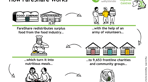
At FareShare, we stop good food from going to waste and give it to people who need it in our local community. Our Volunteer Drivers deliver food to our Community Food Members which is vital to ensuring the donated food we receive gets to the right people, instead of going to landfill.
What will I be doing?
Safely driving vans to deliver and collect food
Loading and unloading food orders, planning routes and completing paperwork
Responsibly driving the van, cleaning the van, reporting any issues or accidents
Representing FareShare in a courteous and professional manner and, where necessary, you will be accompanied by a Volunteer Driver’s Assistant.
Why volunteer as a Driver with FareShare?
Gain skills such as route planning, manual handling, organisation, teamwork and communication skills
Meet new people, be part of a team and socialise with other volunteers and Community Food Members
Be physically active, keep fit and help vulnerable people in your community.
Requirements for the role:
Hold a full driving licence with no or low points
Be over 21 with minimum 3 years driving experience
Have the confidence to drive a medium-sized van (training/support will be offered where needed)
Be able to perform physical manual handling tasks safely including loading/unloading food from the van
Have the ability to complete paperwork and follow directions via Sat Nav system/map
Be adaptable and flexible. Managing surplus food is unpredictable and tasks can vary
Be positive, friendly and personable
Be able to work well in a team and on your own
Follow health and safety policies & procedures
We are committed to embracing diversity and promoting equality and inclusion. As part of your application, please let us know of any health conditions or access needs that might impact your volunteering with us.
The client requests no contact from agencies or media sales.
Actively Interviewing
This organisation is scheduling interviews as applications come in. They're ready to hire as soon as they find the right person. Don't miss your opportunity, apply now!
Oxfam Volunteers – Wigton, Cumbria
Oxfam GB
Job details
Job type
Shift and schedule
Oxfam's Wigton Shop is looking for Shop Volunteers to help Oxfam’s fight to support the world’s most vulnerable communities.
We’re looking for volunteers who can give 4-8 hours (or more!) of their time in the shop each week, and we’re excited to welcome brand new volunteers to our stores!
Right now, we're looking for people to help in the shop in us with our ecommerce/online department!
Location: Oxfam 47 High Street, Wigton, Cumbria CA7 9NJ
Become a volunteer!
· List donated items for sale online
· Dispatch items – (Picking/ Packaging and Posting).
· Expand your computer skills
· Learn what Ecommerce is all about.
Available Shifts:
· Mondays
· Tuesdays
· Wednesdays
· Thursdays
· Fridays
· Saturdays
Whatever your skills or interests, there’s something for everyone…
Why be a volunteer?
Your time will make a huge difference. We estimate one four-hour shift will, on average, provide enough income to enable Oxfam to provide life-saving handwashing facilities for 81 people.
Volunteering also has a positive impact on wellbeing, with an incredible 7 in 10 volunteers saying that their charitable actions were beneficial for their mental health.
Benefits of becoming a Volunteer:
· Gain genuine experience working in a retail environment.
· Volunteering can help you learn new skills, gain experience, and develop your CV.
· Great way to meet new people & be part of a community. Volunteering can help you feel part of something outside your friends and family.
· Be part of a fantastic team and make a positive change to the world.
· Opportunity to utilise and develop your transferable skills.
Volunteering with Oxfam will give you the skills, confidence and experience you need to build your CV and boost your employability. Problem solving, communication, working with others and familiarity with the workplace are universally valued by employers.
No experience is necessary as full training, and an induction will be given. You don't need to be computer literate to join our team; there are volunteer opportunities for all. All we ask is that you’re happy to work as part of a diverse and inclusive team.
We can be flexible around parenting, caring, health, employment, education, and any other commitments you have.
Tempted? Apply now!
Oxfam covers expenses incurred in line with Oxfam’s Volunteer Expenses Policy, including local, reasonable travel expenses and lunch (for volunteering 5 hours +).’
· We take the welfare of volunteers and everyone we work with very seriously. We do not tolerate discrimination, bullying, abuse of power, or any sexual misconduct within the workplace.
· Oxfam do not accept applications from anyone on the Sex Offenders list. We may inquire about unspent convictions relevant to the role and you may be required to submit to PVG/DBS check (at no expense to you).
· *NB: due to the current capacity of some shops, it may be that you will be placed on a waiting list and/or, if you are under 18, until a shop has enough staff and/or volunteers DBS cleared. The Shop Manager will discuss this with you.
Job Type: Volunteer – Ecommerce (Online)
Work Location: In person at the Wigton Oxfam Shop
 Registered Charity
More than 1000
Registered Charity
More than 1000
We are Oxfam Together we can create a more equal future, free from poverty.



The client requests no contact from agencies or media sales.