
Volunteer volunteer roles in Dakar
Actively Interviewing
This organisation is scheduling interviews as applications come in. They're ready to hire as soon as they find the right person. Don't miss your opportunity, apply now!
Would you like to support people who have served in the Armed Forces? You just need the ability to listen, strong IT skills and good written and spoken English. If you think this could be the role for you, we’d love to hear from you.
What is a Caseworker?
Caseworkers visit clients to work out what type of support they need. You will listen without judgement to assess and provide tailored support to help those serving, who have served and their families to navigate life in and beyond military service. Some examples of support are securing funding for special equipment for someone with a disability, adaptions to a property so an older client can remain at home or funds for a rental deposit. Caseworkers also sign-post clients onto specialist local services for advice on benefits, housing, mental health, debt, finding work etc.
Why do we need you?
We’ve been supporting the Armed Forces community since 1885. Our clients come from all backgrounds and age groups and may have served in WW2 or in a more recent conflict like the Falklands or Afghanistan. We’d love the general public to understand what we do and how they can help us.
There are SSAFA branches throughout the UK and overseas who support local volunteers to deliver services to veterans, serving personnel and their families. Some branches are divided into smaller divisions to ensure the best local service delivery. Each branch has a team of volunteer caseworkers, support volunteers, executive roles, and fundraisers.
Volunteer Caseworkers are the lifeblood of SSAFA, supporting a growing number of people in need of financial, practical, and emotional support. Clients come from all backgrounds and age groups and may have served in WW2 or in a more recent conflict like Iraq or Afghanistan.
When would you be needed and where would you be based?
The essential part of the role is visiting clients, so you will need access to a vehicle or another way to travel to meet clients at home or in a care home setting. As part of your local branch, you might have access to an office, but you can complete the administration part of the role from home as long as you have access to IT equipment and the internet.
What would you be doing?
- Contacting beneficiaries and arranging to meet them at a mutually convenient time.
- Meeting beneficiaries and completing a form to assess their circumstances, using good communication skills, empathy and understanding.
- Sign-posting clients onto local services providing specialist advice.
- Applying for funding on the behalf of the beneficiary through a specific process and system
- Arranging for the purchase of goods and services
- Keeping the beneficiary informed of their case progress.
- Liaise with the branch and regional office, regarding your availability.
- Keeping up to date with training and SSAFA news so that you are best able to support clients.
- Being a positive ambassador for SSAFA remembering that anyone you meet could be a potential client, volunteer, or fundraiser.
- Volunteering within the standards and values of SSAFA
- Adhering to SSAFAs policies and procedures at all times, including safeguarding, volunteering policy, equality, diversity and inclusion, health and safety, data protection and confidentiality.
What can you gain from this volunteering role?
- Use your skills, knowledge, and life experience to benefit others.
- Support from your local SSAFA branch and the wider SSAFA community
- Experience, training, and skills that you can highlight on your CV and in job interviews.
- Better physical and mental health – studies show that volunteers live longer and experience lower levels of stress and depression!
What training and support would you receive?
- Role specific training to prepare you for your voluntary role – confidentiality and boundaries, personal safety, caseworker training, and caseworker IT system training. The caseworker training takes 3 days and a further half a day for the other training.
- Mandatory on-line training modules to complete at home, so you are up to date on how to keep clients, their families safe and personal information safe.
- Access to a range additional e-learning courses as well as local opportunities for your personal and professional development.
- Local induction including assigning a person from the team who will be your main point of contact.
- Regular opportunities to meet and share best practice with other caseworkers.
- Range of support from central and regional volunteer operations team.
- Reimbursement of out-of-pocket expenses
- Volunteers will be covered by SSAFAs Public Liability Insurance whilst carrying out the role.
What are we looking for?
- Friendly and approachable with good listening skills, patience, and a positive attitude.
- Good communication skills both written and verbally.
- Respectful and non-judgemental approach with beneficiaries, their family, other agencies and SSAFA colleagues
- Willingness and ability to use IT systems for initial and on-going training and to enter cases on the Casework Management System. Willingness and ability to send and receive emails – you will receive your own SSAFA email address which you will be required to use when exercising your role.
- Ability to make enquires on behalf of beneficiaries by phone, email, letter or by filling in forms.
- Ability to keep within boundaries of the role with regards to friendship or giving advice
- Reliable, prompt and trustworthy.
- Access to public transport or a car to travel to appointments with clients.
We welcome volunteers of all backgrounds, abilities, races, sexual orientations, socio-economic backgrounds, and of all faiths and none. SSAFA are committed to making reasonable adjustments to support volunteers with disabilities, so they have access to the same opportunities and experiences as volunteers who do not.
Minimum Age: 18
Safer Recruitment: SSAFA undertakes a systematic approach and utmost care at every step of the process of volunteer recruitment, selection, and retention to ensure that those recruited are suitable and appropriate. Measures taken at points along this journey work together to make volunteering at SSAFA a positive and safe experience.
References Required: Yes. We will ask for two character references, this can be a former employer or someone that know you well (other than a relative)
Is a criminal record check required? Yes, this is provided by SSAFA at no cost to the potential volunteer. This role requires an enhanced check (including checks against the children and adults barred list)
*A disclosure certificate that contains convictions, cautions, warnings, reprimands, or other information may not automatically mean that you are not able to volunteer. All certificates will be reviewed on a case-by-case basis and, where possible, a modified or alternative role will be offered.

 Registered Charity
 101 - 500
Our vision A society in which the Armed Forces, veterans and their families can thrive.


The client requests no contact from agencies or media sales.

Thank you!
Actively Interviewing
This organisation is scheduling interviews as applications come in. They're ready to hire as soon as they find the right person. Don't miss your opportunity, apply now!
Volunteer Role: Reception and Meet & Greet
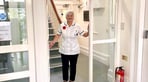
We were set up to transform the former Edward Hain hospital, in St Ives, Cornwall, into a community centre for health and wellbeing. The hospital was founded in 1920, with funds from the Cornish Hain Steamship Company. When it closed n 2021, our community, led by the hospital’s League of Friends, came together to save the building for the town. Now it brings together much needed health and wellbeing services, along with social, community and welfare support, all under one roof.
About the role
Can you commit to between 2 and 4 hours a week to help us run the Reception area at The Edward Hain Centre?
We are looking for volunteers to spend a short time each week helping in our Reception area. This role would particularly be of advantage to College leavers or those between employment positions looking to gain some experience and references for their CV and we welcome anyone with spare time who wants to give back to their community and make connections with new people.
What’s involved?
As the Edward Hain Centre grows we are getting busier! We need volunteers who can spend a short time each week supporting our Community Hub Officer (CHO) by manning our Reception desk. The people who use our Centre can expect a warm welcome and directions to the different areas of the building. We need help with small admin tasks like printing and folding leaflets and there will be opportunity (with training if needed) to create posters in Canva. We also need to gather feedback from our Users in the form of surveys or testimonials and answering our phone and taking messages is vital! Join us in creating a friendly and supportive space for everyone! Specific tasks include:
· Greet and assist Centre Users with warmth and respect and directing them around the building.
· Maintain a tidy and organised front desk
· Answer the phone and take messages
· Ensure visitors sign in (where applicable)
· Gather feedback from service users
· Some administration tasks
The role will suit you if you:
· Have a friendly and positive attitude.
· Have strong communication skills.
· Are reliable and willing to help others.
· Have good communication and enjoy being part of a team
Why Volunteer with Us?
· Gain valuable experience for your CV.
· Meet new people and build connections.
· Contribute to meaningful community initiatives.
· Training opportunities available.
IF YOU ARE INTERESTED IN THIS ROLE PLEASE CONTACT OUR COMMUNITY HUB OFFICER CLAIRE JEFFERIES:
 Registered Charity
11 - 20
Registered Charity
11 - 20
Our mission is to provide affordable and accessible health, well-being and community services for St. Ives and surrounding areas, across all ages.



The client requests no contact from agencies or media sales.
Thank you!

Actively Interviewing
This organisation is scheduling interviews as applications come in. They're ready to hire as soon as they find the right person. Don't miss your opportunity, apply now!
Orchards is looking for a reliable and organised volunteer to support our vision to see more women free from sexual exploitation. This role offers hands-on experience in the VAWG sector and the chance to contribute to the smooth running of our supported accommodation services.
 Registered Charity
6 - 10
Registered Charity
6 - 10
At Orchards our vision is to see women free from sexual exploitation.
The client requests no contact from agencies or media sales.
Thank you!
Actively Interviewing
This organisation is scheduling interviews as applications come in. They're ready to hire as soon as they find the right person. Don't miss your opportunity, apply now!
About The Role
At WWT we shape unforgettable experiences. We are a warm, welcoming and genuine charity that protects and restores Wetlands. WWT Martin Mere has 600 acres of amazing wetland scenery which is home to such an assortment of wildlife.
We are looking for volunteers who can support our team in our Café and shop to ensure we offer excellent customer service to our visitors.
By providing excellent customer care in our shop, you will be encouraging our visitors to support the wider conservation work of WWT. The money that is taken in retail is instrumental to the conservation work that WWT can afford to carry out.
Volunteers are an essential part of the WWT team. You'll get a warm welcome, including information on training, equipment and anything else you need.
If you are interested in volunteering for WWT but don't wish to apply online, please email us, or give us a call and leave us a message with your name and number.
About You
Who are we looking for?
This role would suit you if:
- Have an enthusiastic and friendly manner
- Have an eye for detail and creativity
- Excellent verbal communication skills
- A confident attitude and / or experience in successful face-to-face contact with the public
- Commitment to excellent customer service
- Are happy using a computer/till
- Like working in a busy environment
- An interest in birding and optics equipment (if you’d like to get involved in promoting and selling our optics)
We are particularly looking for people to help on Mondays, Thursdays or Fridays.
About Us
We’re WWT, and we’re on a mission to restore the super-powered ecosystems we call wetlands. There’s never been a more important moment for our work, and we’ve got some phenomenal people on the case.
Whether they’re taking a new visitor under their wing, or conducting ground-breaking research further afield, our team are second to none. And there’s nothing we love more than watching them soar.
Whatever you do here, you’ll be helping to restore wetlands and unlock their power. So, the only question left is, what role will you play?
Why you'll love volunteering at WWT
- Feel good knowing you are helping to restore wetlands, and our world
- Be surrounded and inspired by like-minded wetland lovers
- Hear from the people who inject their energy, passion and expertise into wetlands and wildlife - talks, walks, webinars, tea and cake...
- Free entry to all our wetland centres, including your family
- Volunteer discount on shopping and memberships
- Access to webinars and practical information to help you manage daily life
We look forward to hearing from you!

Thank you!
Actively Interviewing
This organisation is scheduling interviews as applications come in. They're ready to hire as soon as they find the right person. Don't miss your opportunity, apply now!
We are excited to be launching our first-ever volunteer led Armed Forces Community project in the North West and are now recruiting for a bank of volunteers across the region to help us reach veterans who are in need of support to enhance their wellbeing and quality of life.
If you are a veteran, or family member with experience of military life and are free to volunteer and give something back in your community, we would love to hear from you. You may have had personal experience of being medically discharged or since leaving the Armed Forces have found it difficult to transition to civvy street and want to help others to have a better experience. You may already have a reasonable understanding of what is available or lacking in your neighbourhood for veterans in your community. Our Volunteer Ambassadors will report into our experienced Volunteer Coordinator and will work remotely in their community, helping veterans by signposting them to organisations and charities that can help improve their circumstances.
Roles are on a voluntary basis and therefore unpaid. A car is essential and any business mileage or meeting costs will be reimbursed. A mobile phone will also be provided with training in Safeguarding and Confidentiality/Data Protection, Professional Boundaries and Lone Working. Applications are initially open to those living in Lancashire and particularly Chorley, Preston or Wigan. However, we also welcome interest further afield from those living in Liverpool/Merseyside or Cumbria.

The client requests no contact from agencies or media sales.
Thank you!
Actively Interviewing
This organisation is scheduling interviews as applications come in. They're ready to hire as soon as they find the right person. Don't miss your opportunity, apply now!
Education Volunteer Role Description
Are you passionate about changing the way we treat animals? Do you want to help reduce environmental damage? Do you want to inspire people to enjoy healthy vegan food that both looks good and tastes great?
The Vegan Society aims to make veganism more accessible. We help people to adopt a vegan lifestyle by supporting individuals, policy- and decision-makers, caterers, manufacturers, healthcare professionals and the media.
Why do we need you?
Laura Chepner is our Education Officer, and she is looking for a volunteer to support her in her role. Laura has a background in education, with a degree in Primary Education which preceded a decade of teaching and a short stint in the role of SENco (Special Educational Needs Coordinator). Shortly after that, Laura theorised vegan-inclusive teaching, published An Educator’s Guide for Vegan-Inclusive Teaching and worked as the UK’s first vegan-inclusion education specialist until joining The Vegan Society.
At The Vegan Society, Laura supports vegan learners in education who have been discriminated against by acting as an intermediary between their families and the institution. Additionally, Laura supports educators by creating resources and delivering training sessions on what it means to be vegan-inclusive in their practice. Furthermore, Laura empowers parents/guardians to ask for vegan-inclusion by creating documents, with the help of The Education Network, that they can present and highlight their rights.
What does this role involve?
We support vegan learners and their families by offering practical resources, including tips for discussing veganism with schools, understanding legal protections and addressing concerns like catering and inclusivity. Our resources aim to help create an educational environment where vegan families feel respected and valued. This role will involve creating resources for families and educators. For example, template letters, guidance on legal protections, policy review requests, learning materials for children and much more.
What training and support is available?
The ideal candidate for this role will have a background in Primary Education and be comfortable working independently. However, we are always willing to invite volunteers along to staff training when possible and to deliver training on specific skills in-house, as identified throughout the volunteering period. This role is remote, so support from the Education Officer will be available through email and phone calls as required. Monthly reviews with the Volunteering and Engagement Officer will also be conducted to ensure the volunteer is happy in their role.
What skills would be useful in doing this role?
-
Qualified teacher
-
Good written English
-
Competent using Microsoft Office
-
A strong understanding of the aims, campaigns and tone of voice of The Vegan Society
-
The ability to work independently.
What does my availability need to be?
This is an ongoing role and tasks will be requested by Laura on an ad hoc basis, volunteers can accept or decline each task. Volunteering can be done outside traditional working hours and in any time zone, although meetings and staff support will only be available between 9am and 5pm UK time. We ask volunteers to commit to a minimum of six months to make the best use of recruitment and induction time and to get the best out of their volunteering experience.
Who does this role report to?
Laura Chepner, Education Officer and Kaya Gromocki, Senior Volunteering and Engagement Officer.

The client requests no contact from agencies or media sales.
Thank you!
Actively Interviewing
This organisation is scheduling interviews as applications come in. They're ready to hire as soon as they find the right person. Don't miss your opportunity, apply now!
Ride High Children’s Volunteer
Children's team seeking friendly, encouraging, supportive volunteers that are open to working with horses. No experience necessary.
At Ride High MK, our charity helps over 120 children a week. These local children are referred to us for many reasons and could face serious challenges including poverty, mental health issues, and social isolation or be tackling issues such as grief, young carer responsibilities and bullying. With referrals from over 40 local agencies, including CAMHS, schools, and social services, Ride High plays a critical role in Milton Keynes’ social care and wellbeing landscape. We do this through a unique combination of equine-assisted learning and education.
Every two-hour session for the children consists of one hour riding and horse care and one hour of clubroom work. The instructors at the riding school run the hour on the yard with our volunteers supporting the children and our skilled club leaders run the clubroom sessions. These include various projects and creative activities to work on personal and life skills.
The Children’s volunteer role involves welcoming the children, helping to find their equipment, getting them out into the stable yard for their lesson on time, assisting with riding lessons where appropriate (no experience necessary) and clubroom activities, giving the children refreshments and helping to see that they get their transport home.
We are looking for volunteers, aged 18 or over, who can commit to a regular weekly time to work with the children; helping to build their confidence, encouraging them to participate in sessions. Our greatest need is for volunteers who can help in the yard sessions, donating an hour of their time each week for the first hour of the session to help us keep the children safe and giving reassurance and encouragement so they get the most out of their session with the horses. The volunteers lead our horses while the children hone their skills and help them to understand and process directions from their riding instructors.
Timings:
Monday to Friday (term-time only). 10:30am - 12:30pm 1:30pm-2:30pm or 2:30pm-3:30pm
If you'd like to visit Ride High for a tour and to find out more about becoming a children's volunteer, contact Joanna

The client requests no contact from agencies or media sales.
Thank you!
Actively Interviewing
This organisation is scheduling interviews as applications come in. They're ready to hire as soon as they find the right person. Don't miss your opportunity, apply now!
Our Community Volunteers are vital in enabling us to continue to feed the 3 million children we feed every day and to help us reach the next child. They use their talents in their communities to spread the story of Mary’s Meals.
What is the role of a Community Volunteer?
Some of the things you can do as a community volunteer:
- Help us to share our story – arrange and give Mary’s Meals talks to local community organisations, schools, churches and faith groups to raise vital awareness and funds
- Use your networks and contacts to book talks, stalls and events and help us share our story
- Organise fundraising events in your local area such as coffee mornings, quizzes, supermarket bag packs and bucket collections
- Organise film screenings in your community to show Mary’s Meals films
- Volunteer at local fundraising and awareness events such as film screenings, bucket collections or concerts
- Promote Mary’s Meals’ fundraising campaigns and events in your community and across their networks and contacts
- Distribute and display promotional materials
- Place collection tins in local community areas
- Host community engagement events about Mary’s Meals’ work
- Come together as a group with other local volunteers to support each other with this work
- Lead a group in your community to fundraise for Mary’s Meals
What support and resources will I receive?
- Support, encouragement, and guidance from your local Supporter Engagement Officer
- A comprehensive induction to Mary’s Meals
- Opportunities to join online or in person volunteer meetings and briefings
- Training and if desired, public speaking training
- Resources to fulfil your role
- A regular volunteer update e-mail
What are the benefits of volunteering for Mary's Meals?
- Feeling part of the global Mary’s Meals movement to end world hunger
- Learning new skills and gaining experience as part of a growing and vibrant organisation
- Meeting new like-minded people
- Increasing confidence and team-working skills.
- Developing communication skills (verbal and written)
- Feeling empowered to have your voice heard, knowing that you are playing an active role in changing the lives of those who need it the most.

The client requests no contact from agencies or media sales.
Thank you!
Actively Interviewing
This organisation is scheduling interviews as applications come in. They're ready to hire as soon as they find the right person. Don't miss your opportunity, apply now!
Medaille Trust is one of the leading providers of support to survivors of modern slavery and human trafficking in the UK. We are working to provide refuge and freedom for survivors and fighting to see slavery in all its forms become a thing of the past. The need for this work has never been higher, there are more than 50 million estimated victims of modern slavery worldwide, and over 120,000 potential victims in the UK.
We operate ten safe houses and five outreach hubs, staffed round the clock by specialist staff, working with more than 600 men, women and dependent children each year. We work to raise awareness in the UK and to provide preventive work in source countries. Our Pursue work helps survivors to engage with police and within the legal system to seek justice and to secure convictions against their perpetrators.
This role is based in the Hampshire area.
We are looking for Volunteers to help support us with coordinating and delivering activities, tasks will include:
•Organising and delivering activities for service user participation, which may include craft, arts, exercise/sport, education, wellbeing activities.
•Consulting service users to gain their feedback about what activities they would like to participate in.
•Helping to create a varied programme of activities.
•Offering a safe and comfortable experience for all service user, showing awareness of service users’ varying physical and mental well-being needs.
Our volunteers come from all walks of life and have a wide range of experience and motivations for wanting to volunteer with us. Whatever your reason for deciding to volunteer, we want to make sure you enjoy your time with us and know just how much we value your support.
This role requires maturity, and an ability to engage with adults in a trauma informed way, while working alongside staff members to deliver the activities in line with agreed procedures and systems
Volunteers need to:
•Be at least 18 years old
•Be able to get to the venue in Southampton
•Be computer literate to be able to complete any online training
•Be able to regularly commit to volunteer monthly
•Be willing to have an enhanced DBS check
•Have knowledge and understanding of human trafficking issues or willingness to learn
•Have knowledge and understanding of mental health conditions or willingness to learn
•Have an understanding of the importance of professional boundaries in the role
•Have the ability to maintain confidentiality
This position is subject to a satisfactory Enhanced Disclosure & Barring Service check.
This role is restricted for females under the Occupational Requirement under Schedule 9 (part 1) of the Equality Act 2010 and is subject to satisfactory Disclosure & Barring Service checks.
 Registered Charity
101 - 500
Registered Charity
101 - 500
Medaille Trust's mission is to provide refuge & freedom from modern slavery. One of UK's leading providers of support for survivors of modern slavery.
The client requests no contact from agencies or media sales.
Thank you!
Actively Interviewing
This organisation is scheduling interviews as applications come in. They're ready to hire as soon as they find the right person. Don't miss your opportunity, apply now!
Would you like to support people who have served in the Armed Forces? You don’t need a military background, just the ability to listen, some basic I.T skills and good written and spoken English. If so, this could be the role for you.
Our Branch provides lifelong support to anyone who has ever served, in the British Army, Royal Navy and Royal Air Force and their dependants. We also give support to those who has been in the Merchant Navy, Seafarers, Fishermen and their dependants, and British Airways staff past and present. Our main role is seeking welfare benevolent grants on behalf of clients who reside in the 26 counties in the Republic of Ireland. They can arrange anything from household goods, funeral costs, mobility aids or other general needs. Legal fees are not considered. We would advise clients to seek state and local benefits by signposting them to the relevant agencies.
What is a caseworker?
Caseworkers visit clients to work out what type of help they need, this might be funds for special equipment for someone with a disability, adaptions to a property so an older client can remain at home or funds for a rental deposit. Caseworkers also sign-post clients onto specialist local services for advice on benefits, housing, mental health, debt, finding work etc.
Why do we need you?
Volunteer Caseworkers are the lifeblood of SSAFA, supporting a growing number of people in need of financial, practical and emotional support. Clients come from all backgrounds and age groups and may have served in WW2 or in a more recent conflict like Iraq or Afghanistan. Our trained volunteers listen without judgement to assess and provide tailored support to help people navigate life in and beyond military service. We need you to join your local SSAFA team to help us achieve this.
When would you be needed and where would you be based?
The essential part of the role is visiting clients, so you will need access to a vehicle or another way to travel to meet clients at home or in a care home setting. Our volunteers are based at home with a yearly AGM invite.
What does this role involve?
• Contacting clients and arranging to meet them at a mutually convenient time
• Meeting clients and completing a form to assess their circumstances
• Sign-posting clients onto local services providing specialist advice
• Keeping in touch with your branch so they know your availability
• Keeping up to date with training and SSAFA news so that you are best able to support clients
• Being a positive ambassador for SSAFA remembering that anyone you meet could be a potential client, volunteer or fundraiser
• Volunteering within the standards and values of SSAFA including observing our policies such as the
Volunteering policy and data protection policy (these will be covered in your training and local induction.)
What can you gain from this volunteering role?
• Support people in your community with a military background and their dependents
• Use your skills, knowledge and life experience to benefit others
• Support from your local SSAFA branch and the wider SSAFA community
• Experience, training and skills that you can highlight on your CV and in job interviews
• Better physical and mental health – studies show that volunteers live longer and experience lower levels of stress and depression!
What training and support will you receive?
• On-line or face to face instructor led training and e-learning modules, to prepare you for your voluntary role.
• Access to a range additional e-learning courses as well as local opportunities for your personal and professional development.
• Local induction including assigning a person from the team who will be your main point of contact. •
• Range of support from central and regional volunteer operations team.
• Reimbursement of out-of-pocket expenses
What skills or experience do you need?
• Good listening and communication skills including written and spoken English
• Respectful and non-judgemental with clients, their family, other agencies and SSAFA colleagues
• Willingness and ability to learn basic digital skills. Ability to send and receive emails – you will receive your own SSAFA email address which you will be required to use when exercising your role
• Ability to make enquires on behalf of clients by phone, email, letter or by filling in forms
• If required, willingness to use our on-line case management system (this is covered in the caseworker training course)
• Ability to keep within boundaries of the role with regards to friendship or giving advice
• Reliable attitude, contact clients promptly, keep appointments, update the branch regarding your availability
• Access to public transport or a car to travel to appointments with clients
• Friendly and approachable with some experience of coordinating people and admin
• Practice confidentiality and data protection in line with SSAFA policies.
We welcome volunteers of all backgrounds, abilities, races, sexual orientations, socio-economic backgrounds, and of all faiths and none. SSAFA are committed to making reasonable adjustments to support volunteers with disabilities, so they have access to the same opportunities and experiences as volunteers who do not.
Minimum Age: 18
Safer Recruitment: SSAFA undertakes a systematic approach and utmost care at every step of the process of volunteer recruitment, selection, and retention to ensure that those recruited are suitable and appropriate. Measures taken at points along this journey work together to make volunteering at SSAFA a positive and safe experience
References Required: Yes. We will ask for two references, this can be former employers or people that know you well (other than relatives)
Is a criminal record check required? Yes, Garda Vetting, this is provided by SSAFA at no cost to the potential volunteer.
Registered Charity
101 - 500
Our vision A society in which the Armed Forces, veterans and their families can thrive.
The client requests no contact from agencies or media sales.
Thank you!
Actively Interviewing
This organisation is scheduling interviews as applications come in. They're ready to hire as soon as they find the right person. Don't miss your opportunity, apply now!
We are seeking a dynamic and dedicated individual to take on the role of Community First Aid Network Leader who can work and lead volunteering groups and leaders in their own way, supported by our central teams
The Network Lead role focuses on the South Kent Network. Locations are primarily centred around Ashford, Folkestone, Hythe, and the surrounding areas.
At St John Ambulance, we are looking to embed ourselves within our communities, delivering support which is tailored to the needs of those communities whilst providing a positive experience for our Volunteers.
We need leaders who are passionate about making a difference in their communities, who care about helping and developing others, who will lead and inspire a volunteer movement across a geographical area to deliver Community First Aid, Community Education and Community Fundraising as well as develop our offering for young people. Through leading a team of Volunteer leaders, you will drive excellence in delivery, develop an inclusive and diverse volunteering experience for new and current volunteers, and help navigate through change to build a bigger and better St John Ambulance.
As Network Lead, you’ll get a huge sense of satisfaction and pride through supporting a team and our volunteers to deliver our essential services. It’s great for you, great for your community and great for our nation.
We will make sure you will have access to a proper induction to volunteering with SJA and the training you need for the role you take on. We will also provide you with a supportive environment while you are volunteering with us. Information about our volunteer roles are included in the role descriptions. What you can expect from SJA, and what we expect from those who volunteer with us, is included in the volunteer charter.
Volunteers would be expected to attend training for the role both online and in person, to attend regularly network weekly meetings to enable them to keep their skills up to date.
This role calls for strong leadership abilities and proven experience in managing people. Successful candidates will have access to additional leadership development opportunities, including self-directed learning and structured training courses. The position involves attending monthly County meetings and occasional Regional meetings, both online via Teams and in person.
If you are successful, you will need to undertake relevant training for the role, details of which will be discussed after you have been appointed.
Closing date for these opportunities is: 26/01/2026
To apply for this opportunity, please follow the link below:
Thank you!
Actively Interviewing
This organisation is scheduling interviews as applications come in. They're ready to hire as soon as they find the right person. Don't miss your opportunity, apply now!
Would you like to support people who have served in the Armed Forces? You just need the ability to listen, strong IT skills and good written and spoken English. If you think this could be the role for you, we’d love to hear from you.
What is a Caseworker?
Caseworkers visit clients to work out what type of support they need. You will listen without judgement to assess and provide tailored support to help those serving, who have served and their families to navigate life in and beyond military service. Some examples of support are securing funding for special equipment for someone with a disability, adaptions to a property so an older client can remain at home or funds for a rental deposit. Caseworkers also sign-post clients onto specialist local services for advice on benefits, housing, mental health, debt, finding work etc.
Why do we need you?
We’ve been supporting the Armed Forces community since 1885. Our clients come from all backgrounds and age groups and may have served in WW2 or in a more recent conflict like the Falklands or Afghanistan. We’d love the general public to understand what we do and how they can help us.
There are SSAFA branches throughout the UK and overseas who support local volunteers to deliver services to veterans, serving personnel and their families. Some branches are divided into smaller divisions to ensure the best local service delivery. Each branch has a team of volunteer caseworkers, support volunteers, executive roles, and fundraisers.
Volunteer Caseworkers are the lifeblood of SSAFA, supporting a growing number of people in need of financial, practical, and emotional support. Clients come from all backgrounds and age groups and may have served in WW2 or in a more recent conflict like Iraq or Afghanistan.
When would you be needed and where would you be based?
The essential part of the role is visiting clients, so you will need access to a vehicle or another way to travel to meet clients at home or in a care home setting. As part of your local branch, you might have access to an office, but you can complete the administration part of the role from home as long as you have access to IT equipment and the internet.
What would you be doing?
- Contacting beneficiaries and arranging to meet them at a mutually convenient time.
- Meeting beneficiaries and completing a form to assess their circumstances, using good communication skills, empathy and understanding.
- Sign-posting clients onto local services providing specialist advice.
- Applying for funding on the behalf of the beneficiary through a specific process and system
- Arranging for the purchase of goods and services
- Keeping the beneficiary informed of their case progress.
- Liaise with the branch and regional office, regarding your availability.
- Keeping up to date with training and SSAFA news so that you are best able to support clients.
- Being a positive ambassador for SSAFA remembering that anyone you meet could be a potential client, volunteer, or fundraiser.
- Volunteering within the standards and values of SSAFA
- Adhering to SSAFAs policies and procedures at all times, including safeguarding, volunteering policy, equality, diversity and inclusion, health and safety, data protection and confidentiality.
What can you gain from this volunteering role?
- Use your skills, knowledge, and life experience to benefit others.
- Support from your local SSAFA branch and the wider SSAFA community
- Experience, training, and skills that you can highlight on your CV and in job interviews.
- Better physical and mental health – studies show that volunteers live longer and experience lower levels of stress and depression!
What training and support would you receive?
- Role specific training to prepare you for your voluntary role – confidentiality and boundaries, personal safety, caseworker training, and caseworker IT system training. The caseworker training takes 3 days and a further half a day for the other training.
- Mandatory on-line training modules to complete at home, so you are up to date on how to keep clients, their families safe and personal information safe.
- Access to a range additional e-learning courses as well as local opportunities for your personal and professional development.
- Local induction including assigning a person from the team who will be your main point of contact.
- Regular opportunities to meet and share best practice with other caseworkers.
- Range of support from central and regional volunteer operations team.
- Reimbursement of out-of-pocket expenses
- Volunteers will be covered by SSAFAs Public Liability Insurance whilst carrying out the role.
What are we looking for?
- Friendly and approachable with good listening skills, patience, and a positive attitude.
- Good communication skills both written and verbally.
- Respectful and non-judgemental approach with beneficiaries, their family, other agencies and SSAFA colleagues
- Willingness and ability to use IT systems for initial and on-going training and to enter cases on the Casework Management System. Willingness and ability to send and receive emails – you will receive your own SSAFA email address which you will be required to use when exercising your role.
- Ability to make enquires on behalf of beneficiaries by phone, email, letter or by filling in forms.
- Ability to keep within boundaries of the role with regards to friendship or giving advice
- Reliable, prompt and trustworthy.
- Access to public transport or a car to travel to appointments with clients.
We welcome volunteers of all backgrounds, abilities, races, sexual orientations, socio-economic backgrounds, and of all faiths and none. SSAFA are committed to making reasonable adjustments to support volunteers with disabilities, so they have access to the same opportunities and experiences as volunteers who do not.
Minimum Age: 18
Safer Recruitment: SSAFA undertakes a systematic approach and utmost care at every step of the process of volunteer recruitment, selection, and retention to ensure that those recruited are suitable and appropriate. Measures taken at points along this journey work together to make volunteering at SSAFA a positive and safe experience.
References Required: Yes. We will ask for two character references, this can be a former employer or someone that know you well (other than a relative)
Is a criminal record check required? Yes, this is provided by SSAFA at no cost to the potential volunteer. This role requires an enhanced check (including checks against the children and adults barred list)
*A disclosure certificate that contains convictions, cautions, warnings, reprimands, or other information may not automatically mean that you are not able to volunteer. All certificates will be reviewed on a case-by-case basis and, where possible, a modified or alternative role will be offered.
Registered Charity
101 - 500
Our vision A society in which the Armed Forces, veterans and their families can thrive.
The client requests no contact from agencies or media sales.
Thank you!
Actively Interviewing
This organisation is scheduling interviews as applications come in. They're ready to hire as soon as they find the right person. Don't miss your opportunity, apply now!
Would you like to support people who have served in the Armed Forces? You just need the ability to listen, strong IT skills and good written and spoken English. If you think this could be the role for you, we’d love to hear from you.
What is a Caseworker?
Caseworkers visit clients to work out what type of support they need. You will listen without judgement to assess and provide tailored support to help those serving, who have served and their families to navigate life in and beyond military service. Some examples of support are securing funding for special equipment for someone with a disability, adaptions to a property so an older client can remain at home or funds for a rental deposit. Caseworkers also sign-post clients onto specialist local services for advice on benefits, housing, mental health, debt, finding work etc.
Why do we need you?
We’ve been supporting the Armed Forces community since 1885. Our clients come from all backgrounds and age groups and may have served in WW2 or in a more recent conflict like the Falklands or Afghanistan. We’d love the general public to understand what we do and how they can help us.
There are SSAFA branches throughout the UK and overseas who support local volunteers to deliver services to veterans, serving personnel and their families. Some branches are divided into smaller divisions to ensure the best local service delivery. Each branch has a team of volunteer caseworkers, support volunteers, executive roles, and fundraisers.
Volunteer Caseworkers are the lifeblood of SSAFA, supporting a growing number of people in need of financial, practical, and emotional support. Clients come from all backgrounds and age groups and may have served in WW2 or in a more recent conflict like Iraq or Afghanistan.
When would you be needed and where would you be based?
The essential part of the role is visiting clients, so you will need access to a vehicle or another way to travel to meet clients at home or in a care home setting. As part of your local branch, you might have access to an office, but you can complete the administration part of the role from home as long as you have access to IT equipment and the internet.
What would you be doing?
- Contacting beneficiaries and arranging to meet them at a mutually convenient time.
- Meeting beneficiaries and completing a form to assess their circumstances, using good communication skills, empathy and understanding.
- Sign-posting clients onto local services providing specialist advice.
- Applying for funding on the behalf of the beneficiary through a specific process and system
- Arranging for the purchase of goods and services
- Keeping the beneficiary informed of their case progress.
- Liaise with the branch and regional office, regarding your availability.
- Keeping up to date with training and SSAFA news so that you are best able to support clients.
- Being a positive ambassador for SSAFA remembering that anyone you meet could be a potential client, volunteer, or fundraiser.
- Volunteering within the standards and values of SSAFA
- Adhering to SSAFAs policies and procedures at all times, including safeguarding, volunteering policy, equality, diversity and inclusion, health and safety, data protection and confidentiality.
What can you gain from this volunteering role?
- Use your skills, knowledge, and life experience to benefit others.
- Support from your local SSAFA branch and the wider SSAFA community
- Experience, training, and skills that you can highlight on your CV and in job interviews.
- Better physical and mental health – studies show that volunteers live longer and experience lower levels of stress and depression!
What training and support would you receive?
- Role specific training to prepare you for your voluntary role – confidentiality and boundaries, personal safety, caseworker training, and caseworker IT system training. The caseworker training takes 3 days and a further half a day for the other training.
- Mandatory on-line training modules to complete at home, so you are up to date on how to keep clients, their families safe and personal information safe.
- Access to a range additional e-learning courses as well as local opportunities for your personal and professional development.
- Local induction including assigning a person from the team who will be your main point of contact.
- Regular opportunities to meet and share best practice with other caseworkers.
- Range of support from central and regional volunteer operations team.
- Reimbursement of out-of-pocket expenses
- Volunteers will be covered by SSAFAs Public Liability Insurance whilst carrying out the role.
What are we looking for?
- Friendly and approachable with good listening skills, patience, and a positive attitude.
- Good communication skills both written and verbally.
- Respectful and non-judgemental approach with beneficiaries, their family, other agencies and SSAFA colleagues
- Willingness and ability to use IT systems for initial and on-going training and to enter cases on the Casework Management System. Willingness and ability to send and receive emails – you will receive your own SSAFA email address which you will be required to use when exercising your role.
- Ability to make enquires on behalf of beneficiaries by phone, email, letter or by filling in forms.
- Ability to keep within boundaries of the role with regards to friendship or giving advice
- Reliable, prompt and trustworthy.
- Access to public transport or a car to travel to appointments with clients.
We welcome volunteers of all backgrounds, abilities, races, sexual orientations, socio-economic backgrounds, and of all faiths and none. SSAFA are committed to making reasonable adjustments to support volunteers with disabilities, so they have access to the same opportunities and experiences as volunteers who do not.
Minimum Age: 18
Safer Recruitment: SSAFA undertakes a systematic approach and utmost care at every step of the process of volunteer recruitment, selection, and retention to ensure that those recruited are suitable and appropriate. Measures taken at points along this journey work together to make volunteering at SSAFA a positive and safe experience.
References Required: Yes. We will ask for two character references, this can be a former employer or someone that know you well (other than a relative)
Is a criminal record check required? Yes, this is provided by SSAFA at no cost to the potential volunteer. This role requires an enhanced check (including checks against the children and adults barred list)
*A disclosure certificate that contains convictions, cautions, warnings, reprimands, or other information may not automatically mean that you are not able to volunteer. All certificates will be reviewed on a case-by-case basis and, where possible, a modified or alternative role will be offered.
Registered Charity
101 - 500
Our vision A society in which the Armed Forces, veterans and their families can thrive.
The client requests no contact from agencies or media sales.
Thank you!
Actively Interviewing
This organisation is scheduling interviews as applications come in. They're ready to hire as soon as they find the right person. Don't miss your opportunity, apply now!
Would you like to support people who have served in the Armed Forces? You just need the ability to listen, strong IT skills and good written and spoken English. If you think this could be the role for you, we’d love to hear from you.
What is a Caseworker?
Caseworkers visit clients to work out what type of support they need. You will listen without judgement to assess and provide tailored support to help those serving, who have served and their families to navigate life in and beyond military service. Some examples of support are securing funding for special equipment for someone with a disability, adaptions to a property so an older client can remain at home or funds for a rental deposit. Caseworkers also sign-post clients onto specialist local services for advice on benefits, housing, mental health, debt, finding work etc.
Why do we need you?
We’ve been supporting the Armed Forces community since 1885. Our clients come from all backgrounds and age groups and may have served in WW2 or in a more recent conflict like the Falklands or Afghanistan. We’d love the general public to understand what we do and how they can help us.
There are SSAFA branches throughout the UK and overseas who support local volunteers to deliver services to veterans, serving personnel and their families. Some branches are divided into smaller divisions to ensure the best local service delivery. Each branch has a team of volunteer caseworkers, support volunteers, executive roles, and fundraisers.
Volunteer Caseworkers are the lifeblood of SSAFA, supporting a growing number of people in need of financial, practical, and emotional support. Clients come from all backgrounds and age groups and may have served in WW2 or in a more recent conflict like Iraq or Afghanistan.
When would you be needed and where would you be based?
The essential part of the role is visiting clients, so you will need access to a vehicle or another way to travel to meet clients at home or in a care home setting. As part of your local branch, you might have access to an office, but you can complete the administration part of the role from home as long as you have access to IT equipment and the internet.
What would you be doing?
- Contacting beneficiaries and arranging to meet them at a mutually convenient time.
- Meeting beneficiaries and completing a form to assess their circumstances, using good communication skills, empathy and understanding.
- Sign-posting clients onto local services providing specialist advice.
- Applying for funding on the behalf of the beneficiary through a specific process and system
- Arranging for the purchase of goods and services
- Keeping the beneficiary informed of their case progress.
- Liaise with the branch and regional office, regarding your availability.
- Keeping up to date with training and SSAFA news so that you are best able to support clients.
- Being a positive ambassador for SSAFA remembering that anyone you meet could be a potential client, volunteer, or fundraiser.
- Volunteering within the standards and values of SSAFA
- Adhering to SSAFAs policies and procedures at all times, including safeguarding, volunteering policy, equality, diversity and inclusion, health and safety, data protection and confidentiality.
What can you gain from this volunteering role?
- Use your skills, knowledge, and life experience to benefit others.
- Support from your local SSAFA branch and the wider SSAFA community
- Experience, training, and skills that you can highlight on your CV and in job interviews.
- Better physical and mental health – studies show that volunteers live longer and experience lower levels of stress and depression!
What training and support would you receive?
- Role specific training to prepare you for your voluntary role – confidentiality and boundaries, personal safety, caseworker training, and caseworker IT system training. The caseworker training takes 3 days and a further half a day for the other training.
- Mandatory on-line training modules to complete at home, so you are up to date on how to keep clients, their families safe and personal information safe.
- Access to a range additional e-learning courses as well as local opportunities for your personal and professional development.
- Local induction including assigning a person from the team who will be your main point of contact.
- Regular opportunities to meet and share best practice with other caseworkers.
- Range of support from central and regional volunteer operations team.
- Reimbursement of out-of-pocket expenses
- Volunteers will be covered by SSAFAs Public Liability Insurance whilst carrying out the role.
What are we looking for?
- Friendly and approachable with good listening skills, patience, and a positive attitude.
- Good communication skills both written and verbally.
- Respectful and non-judgemental approach with beneficiaries, their family, other agencies and SSAFA colleagues
- Willingness and ability to use IT systems for initial and on-going training and to enter cases on the Casework Management System. Willingness and ability to send and receive emails – you will receive your own SSAFA email address which you will be required to use when exercising your role.
- Ability to make enquires on behalf of beneficiaries by phone, email, letter or by filling in forms.
- Ability to keep within boundaries of the role with regards to friendship or giving advice
- Reliable, prompt and trustworthy.
- Access to public transport or a car to travel to appointments with clients.
We welcome volunteers of all backgrounds, abilities, races, sexual orientations, socio-economic backgrounds, and of all faiths and none. SSAFA are committed to making reasonable adjustments to support volunteers with disabilities, so they have access to the same opportunities and experiences as volunteers who do not.
Minimum Age: 18
Safer Recruitment: SSAFA undertakes a systematic approach and utmost care at every step of the process of volunteer recruitment, selection, and retention to ensure that those recruited are suitable and appropriate. Measures taken at points along this journey work together to make volunteering at SSAFA a positive and safe experience.
References Required: Yes. We will ask for two character references, this can be a former employer or someone that know you well (other than a relative)
Is a criminal record check required? Yes, this is provided by SSAFA at no cost to the potential volunteer. This role requires an enhanced check (including checks against the children and adults barred list)
*A disclosure certificate that contains convictions, cautions, warnings, reprimands, or other information may not automatically mean that you are not able to volunteer. All certificates will be reviewed on a case-by-case basis and, where possible, a modified or alternative role will be offered.
Registered Charity
101 - 500
Our vision A society in which the Armed Forces, veterans and their families can thrive.
The client requests no contact from agencies or media sales.
Thank you!
Actively Interviewing
This organisation is scheduling interviews as applications come in. They're ready to hire as soon as they find the right person. Don't miss your opportunity, apply now!
VOLUNTEER ADMINISTRATOR
Across the UK, our 65 local branches work with disabled people to help them live the lives they choose. Our network of skilled volunteers respond to thousands of requests each year to design and make customised equipment free of charge.
Our Administrator volunteers are the lynchpin our local branch activities. They act as the first point of contact, ensure useful information is circulated to other members and help us make sure we keep all the data and details we need up to date.
What the role involves
This is a varied role that each branch tends to do a bit differently, but it will involve:
• Keeping records and data up to date and taking notes at meetings
• Preparing mail-outs
• Answering enquiries
• Accessing the branch Remap Email and Portal accounts
• Booking venues for meetings
• Ensuring branch members are aware of current agreements/activities
We can support you to develop the skills you need for this role, and there’s an induction that covers all the areas above. You’ll also have chance to discuss your role and any additional needs with us.
What you’ll need for this role
• Confident using Microsoft Office, the internet and email
• Comfortable organising the administration of a group
• Able to follow Remap policies and procedures
• Able to understand and apply our risk management system
• Able to apply disability, equality, and inclusion practices
• Able to keep people’s personal details safe• Able to apply disability, equality, and inclusion practices
• Able to keep people’s personal details safe
• Willing to follow Remap policies and procedures and a commitment to our aims and values
You’ll also need to complete the induction checklist and some online training.
Where will I volunteer?
The Administrator role is largely home based, but it varies from branch to branch – some branches hold in-person meetings once a month or so, and their Administrators tend to be based in the area the branch covers.
If it works better for you, however, there’s a possibility this role could be done remotely.
Time commitment
This also varies, but it’s generally around 1-2 hours a week.
Why volunteer
When you volunteer with us, you join a community of committed people with a passion for helping to improve the lives of others. We’re a volunteer led organisation and we couldn’t do what we do without your hard work, skills and commitment.
N.B. We’ll reimburse any out-of-pocket expenses during your time with us.
 Registered Charity
6 - 10
Registered Charity
6 - 10
REMAP exists to improve the quality of life for people who experience short or long-term disability through infirmity, illness or ageing.