





Results include remote roles
Filter by workplace to select only on-site or hybrid roles

Actively Interviewing
This organisation is scheduling interviews as applications come in. They're ready to hire as soon as they find the right person. Don't miss your opportunity, apply now!
Could you look after the finances for the local SSAFA service in your area? You don’t need a military background, just some basic I.T and finance skills. If so, this could be the role for you.
What is a Branch Treasurer?
There are SSAFA branches throughout the UK and overseas. These are divided into small local areas that we call divisions. Each branch has a treasurer overseeing the divisions that, in turn each have a treasurer of their own. This is a key role involving financial planning and financial administration.
Why do we need you?
We’ve been supporting the Armed Forces community since 1885. Our clients come from all backgrounds and age groups and may have served in WW2 or in a more recent conflict like the Falklands or Afghanistan.
There are SSAFA branches throughout the UK and overseas who support local volunteers to deliver services to veterans, serving personnel and their families. Some branches are divided into smaller divisions to ensure the best local service delivery. Each branch has a team of volunteer caseworkers, support volunteers, executive roles and fundraisers.
One of the key ways we help people is by tapping into various sources of funding on their behalf. Monitoring and reconciling this flow of funding into and out of SSAFA accounts is important to ensure clients receive timely support and we are able to account for all charitable funds in our care.
When would you be needed and where would you be based?
As part of your local branch, you might have access to an office, but many volunteers are based at home. This flexible role involves using our on-line financial management system and on-line bank accounts and so can be done when and where suits you best. You will need to attend a number of branch committee meetings each year.
What would you be doing?
The remit of this role may change over the next 12-18 months depending on the outcome of a trial currently being undertaken.
What can you gain from this volunteering role?
What training and support would you receive?
What are we looking for?
We welcome volunteers of all backgrounds, abilities, races, sexual orientations, socio-economic backgrounds, and of all faiths and none. SSAFA are committed to making reasonable adjustments to support volunteers with disabilities, so they have access to the same opportunities and experiences as volunteers who do not.
Minimum Age: 18
Safer Recruitment: SSAFA undertakes a systematic approach and utmost care at every step of the process of volunteer recruitment, selection, and retention to ensure that those recruited are suitable and appropriate. Measures taken at points along this journey work together to make volunteering at SSAFA a positive and safe experience.
References Required: Yes. We will ask for two character references, this can be a former employer or someone that know you well (other than a relative)
Is a criminal record check required? No

 Registered Charity
 101 - 500
Our vision A society in which the Armed Forces, veterans and their families can thrive.


The client requests no contact from agencies or media sales.

Actively Interviewing
This organisation is scheduling interviews as applications come in. They're ready to hire as soon as they find the right person. Don't miss your opportunity, apply now!
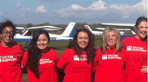
Last year 786,574 people were offered information and support from Victim Support. As a VS Community Engagement Fundraising Volunteer, you will help us reach more victims of crime.
Why volunteer with us?
Volunteering with Victim Support in Essex
As a Volunteer in Essex your role will include:
What we ask of you?
In order to join us as a Community Engagement Volunteer, you must:
Expenses
Diversity Matters
The client requests no contact from agencies or media sales.
Actively Interviewing
This organisation is scheduling interviews as applications come in. They're ready to hire as soon as they find the right person. Don't miss your opportunity, apply now!
Would you like to support people who have served in the Armed Forces? You just need the ability to listen, strong IT skills and good written and spoken English. If you think this could be the role for you, we’d love to hear from you.
What is a Caseworker?
Caseworkers visit clients to work out what type of support they need. You will listen without judgement to assess and provide tailored support to help those serving, who have served and their families to navigate life in and beyond military service. Some examples of support are securing funding for special equipment for someone with a disability, adaptions to a property so an older client can remain at home or funds for a rental deposit. Caseworkers also sign-post clients onto specialist local services for advice on benefits, housing, mental health, debt, finding work etc.
Why do we need you?
We’ve been supporting the Armed Forces community since 1885. Our clients come from all backgrounds and age groups and may have served in WW2 or in a more recent conflict like the Falklands or Afghanistan. We’d love the general public to understand what we do and how they can help us.
There are SSAFA branches throughout the UK and overseas who support local volunteers to deliver services to veterans, serving personnel and their families. Some branches are divided into smaller divisions to ensure the best local service delivery. Each branch has a team of volunteer caseworkers, support volunteers, executive roles, and fundraisers.
Volunteer Caseworkers are the lifeblood of SSAFA, supporting a growing number of people in need of financial, practical, and emotional support. Clients come from all backgrounds and age groups and may have served in WW2 or in a more recent conflict like Iraq or Afghanistan.
When would you be needed and where would you be based?
The essential part of the role is visiting clients, so you will need access to a vehicle or another way to travel to meet clients at home or in a care home setting. As part of your local branch, you might have access to an office, but you can complete the administration part of the role from home as long as you have access to IT equipment and the internet.
What would you be doing?
What can you gain from this volunteering role?
What training and support would you receive?
What are we looking for?
We welcome volunteers of all backgrounds, abilities, races, sexual orientations, socio-economic backgrounds, and of all faiths and none. SSAFA are committed to making reasonable adjustments to support volunteers with disabilities, so they have access to the same opportunities and experiences as volunteers who do not.
Minimum Age: 18
Safer Recruitment: SSAFA undertakes a systematic approach and utmost care at every step of the process of volunteer recruitment, selection, and retention to ensure that those recruited are suitable and appropriate. Measures taken at points along this journey work together to make volunteering at SSAFA a positive and safe experience.
References Required: Yes. We will ask for two character references, this can be a former employer or someone that know you well (other than a relative)
Is a criminal record check required? Yes, this is provided by SSAFA at no cost to the potential volunteer. This role requires an enhanced check (including checks against the children and adults barred list)
*A disclosure certificate that contains convictions, cautions, warnings, reprimands, or other information may not automatically mean that you are not able to volunteer. All certificates will be reviewed on a case-by-case basis and, where possible, a modified or alternative role will be offered.
Registered Charity
101 - 500
Our vision A society in which the Armed Forces, veterans and their families can thrive.
The client requests no contact from agencies or media sales.
Actively Interviewing
This organisation is scheduling interviews as applications come in. They're ready to hire as soon as they find the right person. Don't miss your opportunity, apply now!
RSPCA Alton, Haslemere & Petersfield Branch
We are looking for volunteers to join our Trustee board with expertise in any of these areas:
You will gain new skills and experience as a Branch Trustee whilst enabling us to help animals in our area.
Overview
We are looking for enthusiastic people to take the role as a Charity Trustee, who could devote some time to volunteer for the Alton, Haslemere & Petersfield Branch and support us in boosting our local animal welfare work. Alongside using your expertise, this role will enable you to enhance how we care for and prevent cruelty to animals and drive the implementation of key initiatives. You will serve on the governing body of the charity and be instrumental, alongside fellow Trustees, in the running of the Branch and the implementation of a development plan. At a minimum, you would normally be expected to attend a monthly online committee meeting and to spend further time driving forward our activities.
The Alton, Haslemere & Petersfield RSPCA Branch
We are the local branch of the national RSPCA, but we are also a separately registered charity looking after animals in our local area.
The Branch is in an enviable financial position and employs an experienced member of staff as Branch Manager. Once additional Trustees are in place, we expect to move towards CIO (Charitable Incorporated Organisation) status.
Our main current activities are:
Core Branch Trustee responsibilities
What we are looking for in a volunteer
We are committed to creating a Board which is representative of our society and encourages people from any background to apply. You will need to be able to work with people and have good interpersonal skills.
What we can offer you as a volunteer Branch Trustee
Practical considerations
How to find out more about being a Trustee
For more information on becoming a Charity Trustee and to ensure it is the right decision for you, we recommend reading the Charity Commission's guidance on the role of the trustee and the RSPCA website about Branch Trustees.
We have an online session about Becoming a Branch Trustee, which should hopefully give you more of an idea of what the RSPCA Branch Trustee role will involve
If you’ve got the drive and compassion to volunteer with the RSPCA and are passionate about improving animal welfare, we’d love to hear from you!
Please visit our website to learn more about what we do.
We hope you are interested in volunteering for the Alton, Haslemere & Petersfield branch
Our voluntary roles are subject to an informal interview and trial period. We will ask you to provide contact details for two referees, and dependent on the position, you may need to sign an agreement and undergo specific training before starting the role.
Support the work of St John Ambulance in your community by volunteering as a Community Volunteer, an exciting new role which is designed to revamp how volunteering looks in the modern world; flexible, innovative and is open for all.
We need people who have a passion for helping others, care about their communities and want to make a difference, supporting them to become safe and more resilient. Community Volunteers can choose from a wide selection of activities – including fundraising, talks and demonstrations, supporting at events, volunteer welfare, social media and administration support.
Through supporting the growth of community partnerships, you will bring people along to our cause, growing our membership and fundraising base and spreading the message that First Aid Saves Lives.
Give as much (or little) time as you can afford. With this new role, you simply volunteer when it works for you. That means you can give as much time as you like or as little as 24 hours across a whole year, whenever it suits you. It’s perfect for busy lives, changing schedules, or for anyone seeking a low-commitment involvement.
The Community Volunteer provides an easy way to stay connected and contribute meaningfully to your local community. Here are some examples of what you could do:
Through volunteering as a Community Volunteer, you’ll get a huge sense of satisfaction and pride delivering an essential service. It’s great for you, great for your community and great for our nation, and it requires only a small commitment of your time.
Once we have completed your selection and screening for this role, we will provide you with an induction, as well as invite you to any necessary training sessions. We will also provide you with a supportive environment while you are volunteering with us. Information about our volunteer roles are included in the role descriptions. What you can expect from SJA, and what we expect from those who volunteer with us, is included in the volunteer charter.
Interviews can be conducted either face to face or virtual depending on the applicants preference.
Closing date for these opportunities is: 31/03/2026
To apply for this opportunity please follow the link below:
Actively Interviewing
This organisation is scheduling interviews as applications come in. They're ready to hire as soon as they find the right person. Don't miss your opportunity, apply now!
Would you like to support people who have served in the Armed Forces? You just need the ability to listen, strong IT skills and good written and spoken English. If you think this could be the role for you, we’d love to hear from you.
What is a Caseworker?
Caseworkers visit clients to work out what type of support they need. You will listen without judgement to assess and provide tailored support to help those serving, who have served and their families to navigate life in and beyond military service. Some examples of support are securing funding for special equipment for someone with a disability, adaptions to a property so an older client can remain at home or funds for a rental deposit. Caseworkers also sign-post clients onto specialist local services for advice on benefits, housing, mental health, debt, finding work etc.
Why do we need you?
We’ve been supporting the Armed Forces community since 1885. Our clients come from all backgrounds and age groups and may have served in WW2 or in a more recent conflict like the Falklands or Afghanistan. We’d love the general public to understand what we do and how they can help us.
There are SSAFA branches throughout the UK and overseas who support local volunteers to deliver services to veterans, serving personnel and their families. Some branches are divided into smaller divisions to ensure the best local service delivery. Each branch has a team of volunteer caseworkers, support volunteers, executive roles, and fundraisers.
Volunteer Caseworkers are the lifeblood of SSAFA, supporting a growing number of people in need of financial, practical, and emotional support. Clients come from all backgrounds and age groups and may have served in WW2 or in a more recent conflict like Iraq or Afghanistan.
When would you be needed and where would you be based?
The essential part of the role is visiting clients, so you will need access to a vehicle or another way to travel to meet clients at home or in a care home setting. As part of your local branch, you might have access to an office, but you can complete the administration part of the role from home as long as you have access to IT equipment and the internet.
What would you be doing?
What can you gain from this volunteering role?
What training and support would you receive?
What are we looking for?
We welcome volunteers of all backgrounds, abilities, races, sexual orientations, socio-economic backgrounds, and of all faiths and none. SSAFA are committed to making reasonable adjustments to support volunteers with disabilities, so they have access to the same opportunities and experiences as volunteers who do not.
Minimum Age: 18
Safer Recruitment: SSAFA undertakes a systematic approach and utmost care at every step of the process of volunteer recruitment, selection, and retention to ensure that those recruited are suitable and appropriate. Measures taken at points along this journey work together to make volunteering at SSAFA a positive and safe experience.
References Required: Yes. We will ask for two character references, this can be a former employer or someone that know you well (other than a relative)
Is a criminal record check required? Yes, this is provided by SSAFA at no cost to the potential volunteer. This role requires an enhanced check (including checks against the children and adults barred list)
*A disclosure certificate that contains convictions, cautions, warnings, reprimands, or other information may not automatically mean that you are not able to volunteer. All certificates will be reviewed on a case-by-case basis and, where possible, a modified or alternative role will be offered.
Registered Charity
101 - 500
Our vision A society in which the Armed Forces, veterans and their families can thrive.
The client requests no contact from agencies or media sales.
Actively Interviewing
This organisation is scheduling interviews as applications come in. They're ready to hire as soon as they find the right person. Don't miss your opportunity, apply now!
Would you like to support people who have served in the Armed Forces? You just need the ability to listen, strong IT skills and good written and spoken English. If you think this could be the role for you, we’d love to hear form you.
What is a caseworker?
Caseworkers visit clients to work out what type of support they need. You will listen without judgement to assess and provide tailored support to help those serving, who have served and their families to navigate life in and beyond military service. Some examples of support are securing funding for special equipment for someone with a disability, adaptions to a property so an older client can remain at home or funds for a rental deposit. Caseworkers also sign-post clients onto specialist local services for advice on benefits, housing, mental health, debt, finding work etc.
Why do we need you?
We’ve been supporting the Armed Forces community since 1885. Our clients come from all backgrounds and age groups and may have served in WW2 or in a more recent conflict like the Falklands or Afghanistan. We’d love the general public to understand what we do and how they can help us.
There are SSAFA branches throughout the UK and overseas who support local volunteers to deliver services to veterans, serving personnel and their families. Some branches are divided into smaller divisions to ensure the best local service delivery. Each branch has a team of volunteer caseworkers, support volunteers, executive roles, and fundraisers.
Volunteer Caseworkers are the lifeblood of SSAFA, supporting a growing number of people in need of financial, practical, and emotional support. Clients come from all backgrounds and age groups and may have served in WW2 or in a more recent conflict like Iraq or Afghanistan.
When would you be needed and where would you be based?
The essential part of the role is visiting clients, so you will need access to a vehicle or another way to travel to meet clients at home or in a care home setting. As part of your local branch, you might have access to an office, but you can complete the administration part of the role from home as long as you have access to IT equipment and the internet.
What would you be doing?
What can you gain from this volunteering role?
What training and support would you receive?
What are we looking for?
We welcome volunteers of all backgrounds, abilities, races, sexual orientations, socio-economic backgrounds, and of all faiths and none. SSAFA are committed to making reasonable adjustments to support volunteers with disabilities, so they have access to the same opportunities and experiences as volunteers who do not.
Minimum Age: 18
Safer Recruitment: SSAFA undertakes a systematic approach and utmost care at every step of the process of volunteer recruitment, selection, and retention to ensure that those recruited are suitable and appropriate. Measures taken at points along this journey work together to make volunteering at SSAFA a positive and safe experience.
References Required: Yes. We will ask for two character references, this can be a former employer or someone that know you well (other than a relative)
Is a criminal record check required? Yes, this is provided by SSAFA at no cost to the potential volunteer. This role requires an enhanced check (including checks against the children and adults barred list)
*A disclosure certificate that contains convictions, cautions, warnings, reprimands, or other information may not automatically mean that you are not able to volunteer. All certificates will be reviewed on a case-by-case basis and, where possible, a modified or alternative role will be offered.
Registered Charity
101 - 500
Our vision A society in which the Armed Forces, veterans and their families can thrive.
The client requests no contact from agencies or media sales.
Actively Interviewing
This organisation is scheduling interviews as applications come in. They're ready to hire as soon as they find the right person. Don't miss your opportunity, apply now!
Would you like to support people who have served in the Armed Forces? You just need the ability to listen, strong IT skills and good written and spoken English. If you think this could be the role for you, we’d love to hear from you.
What is a Caseworker?
Caseworkers visit clients to work out what type of support they need. You will listen without judgement to assess and provide tailored support to help those serving, who have served and their families to navigate life in and beyond military service. Some examples of support are securing funding for special equipment for someone with a disability, adaptions to a property so an older client can remain at home or funds for a rental deposit. Caseworkers also sign-post clients onto specialist local services for advice on benefits, housing, mental health, debt, finding work etc.
Why do we need you?
We’ve been supporting the Armed Forces community since 1885. Our clients come from all backgrounds and age groups and may have served in WW2 or in a more recent conflict like the Falklands or Afghanistan. We’d love the general public to understand what we do and how they can help us.
There are SSAFA branches throughout the UK and overseas who support local volunteers to deliver services to veterans, serving personnel and their families. Some branches are divided into smaller divisions to ensure the best local service delivery. Each branch has a team of volunteer caseworkers, support volunteers, executive roles, and fundraisers.
Volunteer Caseworkers are the lifeblood of SSAFA, supporting a growing number of people in need of financial, practical, and emotional support. Clients come from all backgrounds and age groups and may have served in WW2 or in a more recent conflict like Iraq or Afghanistan.
When would you be needed and where would you be based?
The essential part of the role is visiting clients, so you will need access to a vehicle or another way to travel to meet clients at home or in a care home setting. As part of your local branch, you might have access to an office, but you can complete the administration part of the role from home as long as you have access to IT equipment and the internet.
What would you be doing?
What can you gain from this volunteering role?
What training and support would you receive?
What are we looking for?
We welcome volunteers of all backgrounds, abilities, races, sexual orientations, socio-economic backgrounds, and of all faiths and none. SSAFA are committed to making reasonable adjustments to support volunteers with disabilities, so they have access to the same opportunities and experiences as volunteers who do not.
Minimum Age: 18
Safer Recruitment: SSAFA undertakes a systematic approach and utmost care at every step of the process of volunteer recruitment, selection, and retention to ensure that those recruited are suitable and appropriate. Measures taken at points along this journey work together to make volunteering at SSAFA a positive and safe experience.
References Required: Yes. We will ask for two character references, this can be a former employer or someone that know you well (other than a relative)
Is a criminal record check required? Yes, this is provided by SSAFA at no cost to the potential volunteer. This role requires an enhanced check (including checks against the children and adults barred list)
*A disclosure certificate that contains convictions, cautions, warnings, reprimands, or other information may not automatically mean that you are not able to volunteer. All certificates will be reviewed on a case-by-case basis and, where possible, a modified or alternative role will be offered.
Registered Charity
101 - 500
Our vision A society in which the Armed Forces, veterans and their families can thrive.
The client requests no contact from agencies or media sales.
Actively Interviewing
This organisation is scheduling interviews as applications come in. They're ready to hire as soon as they find the right person. Don't miss your opportunity, apply now!
Would you like to support people who have served in the Armed Forces? You just need the ability to listen, strong IT skills and good written and spoken English. If you think this could be the role for you, we’d love to hear from you.
What is a Caseworker?
Caseworkers visit clients to work out what type of support they need. You will listen without judgement to assess and provide tailored support to help those serving, who have served and their families to navigate life in and beyond military service. Some examples of support are securing funding for special equipment for someone with a disability, adaptions to a property so an older client can remain at home or funds for a rental deposit. Caseworkers also sign-post clients onto specialist local services for advice on benefits, housing, mental health, debt, finding work etc.
Why do we need you?
We’ve been supporting the Armed Forces community since 1885. Our clients come from all backgrounds and age groups and may have served in WW2 or in a more recent conflict like the Falklands or Afghanistan. We’d love the general public to understand what we do and how they can help us.
There are SSAFA branches throughout the UK and overseas who support local volunteers to deliver services to veterans, serving personnel and their families. Some branches are divided into smaller divisions to ensure the best local service delivery. Each branch has a team of volunteer caseworkers, support volunteers, executive roles, and fundraisers.
Volunteer Caseworkers are the lifeblood of SSAFA, supporting a growing number of people in need of financial, practical, and emotional support. Clients come from all backgrounds and age groups and may have served in WW2 or in a more recent conflict like Iraq or Afghanistan.
When would you be needed and where would you be based?
The essential part of the role is visiting clients, so you will need access to a vehicle or another way to travel to meet clients at home or in a care home setting. As part of your local branch, you might have access to an office, but you can complete the administration part of the role from home as long as you have access to IT equipment and the internet.
What would you be doing?
What can you gain from this volunteering role?
What training and support would you receive?
What are we looking for?
We welcome volunteers of all backgrounds, abilities, races, sexual orientations, socio-economic backgrounds, and of all faiths and none. SSAFA are committed to making reasonable adjustments to support volunteers with disabilities, so they have access to the same opportunities and experiences as volunteers who do not.
Minimum Age: 18
Safer Recruitment: SSAFA undertakes a systematic approach and utmost care at every step of the process of volunteer recruitment, selection, and retention to ensure that those recruited are suitable and appropriate. Measures taken at points along this journey work together to make volunteering at SSAFA a positive and safe experience.
References Required: Yes. We will ask for two character references, this can be a former employer or someone that know you well (other than a relative)
Is a criminal record check required? Yes, this is provided by SSAFA at no cost to the potential volunteer. This role requires an enhanced check (including checks against the children and adults barred list)
*A disclosure certificate that contains convictions, cautions, warnings, reprimands, or other information may not automatically mean that you are not able to volunteer. All certificates will be reviewed on a case-by-case basis and, where possible, a modified or alternative role will be offered.
Registered Charity
101 - 500
Our vision A society in which the Armed Forces, veterans and their families can thrive.
The client requests no contact from agencies or media sales.
Actively Interviewing
This organisation is scheduling interviews as applications come in. They're ready to hire as soon as they find the right person. Don't miss your opportunity, apply now!
Social Media Volunteer
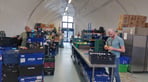
Olive Branch Aid – Foodbank & Wellbeing Charity
Based in the London Borough of Lambeth
Role Purpose
We are seeking a creative and motivated Social Media Volunteer to support Olive Branch Aid in raising awareness of our foodbank and wellbeing services within the Lambeth community. This role is ideal for a student or early-career individual studying Digital Marketing, Communications, or a related field who would like to gain practical, real-world experience in the charity sector.
Key Responsibilities
Plan, create, and schedule engaging social media content across platforms such as Instagram, Facebook, and X (Twitter).
Promote foodbank sessions, wellbeing activities, community events, and fundraising campaigns.
Design simple graphics using tools such as Canva or Adobe Express.
Monitor engagement, respond to comments/messages appropriately, and help build an online community.
Track basic performance metrics (reach, engagement, followers) and provide short monthly summaries.
Work collaboratively with the charity team to ensure messaging reflects our values and services.
Skills & Experience (Desirable)
Studying or recently studied Digital Marketing, Media, Communications, or similar.
Familiarity with major social media platforms and current content trends.
Basic graphic design and copywriting skills.
Good organisation and ability to meet agreed posting schedules.
Interest in community support, wellbeing, and the voluntary sector.
Time Commitment
Approximately 2–4 hours per week, flexible and largely remote.
Occasional attendance at local events in Lambeth may be welcomed but is not essential.
What You Will Gain
Hands-on experience managing social media for a community charity.
Opportunity to build a professional portfolio and develop digital marketing skills.
Insight into the UK voluntary and community sector.
A reference after successful completion of the volunteering period.
The satisfaction of helping support local people facing food insecurity and wellbeing challenges.
Support & Supervision
You will receive guidance from the charity’s leadership team, a clear content brief, and regular informal check-ins to support your learning and development.
How to Apply
Please send a short expression of interest outlining:
Why you would like to volunteer with Olive Branch Aid
Any relevant experience or course of study
Links to examples of social media or design work (if available)
 Registered Charity
21 - 50
Registered Charity
21 - 50
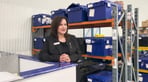
Olive Branch Aid ..... more than a foodbank
The client requests no contact from agencies or media sales.
Actively Interviewing
This organisation is scheduling interviews as applications come in. They're ready to hire as soon as they find the right person. Don't miss your opportunity, apply now!
Would you like to support people who have served in the Armed Forces? You just need the ability to listen, strong IT skills and good written and spoken English. If you think this could be the role for you, we’d love to hear from you.
What is a Caseworker?
Caseworkers visit clients to work out what type of support they need. You will listen without judgement to assess and provide tailored support to help those serving, who have served and their families to navigate life in and beyond military service. Some examples of support are securing funding for special equipment for someone with a disability, adaptions to a property so an older client can remain at home or funds for a rental deposit. Caseworkers also sign-post clients onto specialist local services for advice on benefits, housing, mental health, debt, finding work etc.
Why do we need you?
We’ve been supporting the Armed Forces community since 1885. Our clients come from all backgrounds and age groups and may have served in WW2 or in a more recent conflict like the Falklands or Afghanistan. We’d love the general public to understand what we do and how they can help us.
There are SSAFA branches throughout the UK and overseas who support local volunteers to deliver services to veterans, serving personnel and their families. Some branches are divided into smaller divisions to ensure the best local service delivery. Each branch has a team of volunteer caseworkers, support volunteers, executive roles, and fundraisers.
Volunteer Caseworkers are the lifeblood of SSAFA, supporting a growing number of people in need of financial, practical, and emotional support. Clients come from all backgrounds and age groups and may have served in WW2 or in a more recent conflict like Iraq or Afghanistan.
When would you be needed and where would you be based?
The essential part of the role is visiting clients, so you will need access to a vehicle or another way to travel to meet clients at home or in a care home setting. As part of your local branch, you might have access to an office, but you can complete the administration part of the role from home as long as you have access to IT equipment and the internet.
What would you be doing?
What can you gain from this volunteering role?
What training and support would you receive?
What are we looking for?
We welcome volunteers of all backgrounds, abilities, races, sexual orientations, socio-economic backgrounds, and of all faiths and none. SSAFA are committed to making reasonable adjustments to support volunteers with disabilities, so they have access to the same opportunities and experiences as volunteers who do not.
Minimum Age: 18
Safer Recruitment: SSAFA undertakes a systematic approach and utmost care at every step of the process of volunteer recruitment, selection, and retention to ensure that those recruited are suitable and appropriate. Measures taken at points along this journey work together to make volunteering at SSAFA a positive and safe experience.
References Required: Yes. We will ask for two character references, this can be a former employer or someone that know you well (other than a relative)
Is a criminal record check required? Yes, this is provided by SSAFA at no cost to the potential volunteer. This role requires an enhanced check (including checks against the children and adults barred list)
*A disclosure certificate that contains convictions, cautions, warnings, reprimands, or other information may not automatically mean that you are not able to volunteer. All certificates will be reviewed on a case-by-case basis and, where possible, a modified or alternative role will be offered.
Registered Charity
101 - 500
Our vision A society in which the Armed Forces, veterans and their families can thrive.
The client requests no contact from agencies or media sales.
Actively Interviewing
This organisation is scheduling interviews as applications come in. They're ready to hire as soon as they find the right person. Don't miss your opportunity, apply now!
Would you like to support people who have served in the Armed Forces? You don’t need a military background, just some spare time occasionally, and an ability to get on with people from diverse backgrounds and age groups. If so, this could be the role for you.
What is a Helper?
SSAFA Helpers provide support to local SSAFA branches, so that the service to veterans and their families can run smoothly. Perhaps you could help out at an event, take care of some office admin, or give a talk about SSAFA?
Why do we need you?
We’ve been supporting the Armed Forces community since 1885. Our clients come from all backgrounds and age groups and may have served in WW2 or in a more recent conflict like the Falklands or Afghanistan.
There are SSAFA branches throughout the UK and overseas who support local volunteers to deliver services to veterans, serving personnel and their families. Some branches are divided into smaller divisions to ensure the best local service delivery. Each branch has a team of volunteer caseworkers, support volunteers, executive roles, and fundraisers.
We have peak times throughout the year when we need extra volunteers. Whether you enjoy organising behind the scenes or being out meeting the public, we need people who can offer some time on a flexible basis.
When would you be needed and where would you be based?
This role will suit you if you are looking to volunteer on a flexible basis as and when you are available, and we need extra help. You may be based in an office, at home, or out and about at events.
What would you be doing?
The remit of this role may change over the next 12-18 months depending on the outcome of a trial currently being undertaken.
What could you gain from this volunteering role?
What training and support would you receive?
What are we looking for?
We welcome volunteers of all backgrounds, abilities, races, sexual orientations, socio-economic backgrounds, and faiths and none. SSAFA are committed to making reasonable adjustments to support volunteers with disabilities to have access to the same opportunities and experiences as volunteers who do not.
Minimum Age: 18
Safer Recruitment: SSAFA undertakes a systematic approach and utmost care at every step of the process of volunteer recruitment, selection, and retention to ensure that those recruited are suitable and appropriate. Measures taken at points along this journey work together to make volunteering at SSAFA a positive and safe experience.
References Required: Yes. We will ask for two character references, this can be a former employer or someone that know you well (other than a relative)
Is a criminal record check required? No
Registered Charity
101 - 500
Our vision A society in which the Armed Forces, veterans and their families can thrive.
The client requests no contact from agencies or media sales.
Actively Interviewing
This organisation is scheduling interviews as applications come in. They're ready to hire as soon as they find the right person. Don't miss your opportunity, apply now!
Would you like to support people who have served in the Armed Forces? You don’t need a military background, just the ability to listen, some basic I.T skills and good written and spoken English. If so, this could be the role for you.
Our Branch provides lifelong support to anyone who has ever served, in the British Army, Royal Navy and Royal Air Force and their dependants. We also give support to those who has been in the Merchant Navy, Seafarers, Fishermen and their dependants, and British Airways staff past and present. Our main role is seeking welfare benevolent grants on behalf of clients who reside in the 26 counties in the Republic of Ireland. They can arrange anything from household goods, funeral costs, mobility aids or other general needs. Legal fees are not considered. We would advise clients to seek state and local benefits by signposting them to the relevant agencies.
What is a caseworker?
Caseworkers visit clients to work out what type of help they need, this might be funds for special equipment for someone with a disability, adaptions to a property so an older client can remain at home or funds for a rental deposit. Caseworkers also sign-post clients onto specialist local services for advice on benefits, housing, mental health, debt, finding work etc.
Why do we need you?
Volunteer Caseworkers are the lifeblood of SSAFA, supporting a growing number of people in need of financial, practical and emotional support. Clients come from all backgrounds and age groups and may have served in WW2 or in a more recent conflict like Iraq or Afghanistan. Our trained volunteers listen without judgement to assess and provide tailored support to help people navigate life in and beyond military service. We need you to join your local SSAFA team to help us achieve this.
When would you be needed and where would you be based?
The essential part of the role is visiting clients, so you will need access to a vehicle or another way to travel to meet clients at home or in a care home setting. Our volunteers are based at home with a yearly AGM invite.
What does this role involve?
• Contacting clients and arranging to meet them at a mutually convenient time
• Meeting clients and completing a form to assess their circumstances
• Sign-posting clients onto local services providing specialist advice
• Keeping in touch with your branch so they know your availability
• Keeping up to date with training and SSAFA news so that you are best able to support clients
• Being a positive ambassador for SSAFA remembering that anyone you meet could be a potential client, volunteer or fundraiser
• Volunteering within the standards and values of SSAFA including observing our policies such as the
Volunteering policy and data protection policy (these will be covered in your training and local induction.)
What can you gain from this volunteering role?
• Support people in your community with a military background and their dependents
• Use your skills, knowledge and life experience to benefit others
• Support from your local SSAFA branch and the wider SSAFA community
• Experience, training and skills that you can highlight on your CV and in job interviews
• Better physical and mental health – studies show that volunteers live longer and experience lower levels of stress and depression!
What training and support will you receive?
• On-line or face to face instructor led training and e-learning modules, to prepare you for your voluntary role.
• Access to a range additional e-learning courses as well as local opportunities for your personal and professional development.
• Local induction including assigning a person from the team who will be your main point of contact. •
• Range of support from central and regional volunteer operations team.
• Reimbursement of out-of-pocket expenses
What skills or experience do you need?
• Good listening and communication skills including written and spoken English
• Respectful and non-judgemental with clients, their family, other agencies and SSAFA colleagues
• Willingness and ability to learn basic digital skills. Ability to send and receive emails – you will receive your own SSAFA email address which you will be required to use when exercising your role
• Ability to make enquires on behalf of clients by phone, email, letter or by filling in forms
• If required, willingness to use our on-line case management system (this is covered in the caseworker training course)
• Ability to keep within boundaries of the role with regards to friendship or giving advice
• Reliable attitude, contact clients promptly, keep appointments, update the branch regarding your availability
• Access to public transport or a car to travel to appointments with clients
• Friendly and approachable with some experience of coordinating people and admin
• Practice confidentiality and data protection in line with SSAFA policies.
We welcome volunteers of all backgrounds, abilities, races, sexual orientations, socio-economic backgrounds, and of all faiths and none. SSAFA are committed to making reasonable adjustments to support volunteers with disabilities, so they have access to the same opportunities and experiences as volunteers who do not.
Minimum Age: 18
Safer Recruitment: SSAFA undertakes a systematic approach and utmost care at every step of the process of volunteer recruitment, selection, and retention to ensure that those recruited are suitable and appropriate. Measures taken at points along this journey work together to make volunteering at SSAFA a positive and safe experience
References Required: Yes. We will ask for two references, this can be former employers or people that know you well (other than relatives)
Is a criminal record check required? Yes, Garda Vetting, this is provided by SSAFA at no cost to the potential volunteer.
Registered Charity
101 - 500
Our vision A society in which the Armed Forces, veterans and their families can thrive.
The client requests no contact from agencies or media sales.
Actively Interviewing
This organisation is scheduling interviews as applications come in. They're ready to hire as soon as they find the right person. Don't miss your opportunity, apply now!
Would you like to support people who have served in the Armed Forces? You just need the ability to listen, strong IT skills and good written and spoken English. If you think this could be the role for you, we’d love to hear from you.
What is a Caseworker?
Caseworkers visit clients to work out what type of support they need. You will listen without judgement to assess and provide tailored support to help those serving, who have served and their families to navigate life in and beyond military service. Some examples of support are securing funding for special equipment for someone with a disability, adaptions to a property so an older client can remain at home or funds for a rental deposit. Caseworkers also sign-post clients onto specialist local services for advice on benefits, housing, mental health, debt, finding work etc.
Why do we need you?
We’ve been supporting the Armed Forces community since 1885. Our clients come from all backgrounds and age groups and may have served in WW2 or in a more recent conflict like the Falklands or Afghanistan. We’d love the general public to understand what we do and how they can help us.
There are SSAFA branches throughout the UK and overseas who support local volunteers to deliver services to veterans, serving personnel and their families. Some branches are divided into smaller divisions to ensure the best local service delivery. Each branch has a team of volunteer caseworkers, support volunteers, executive roles, and fundraisers.
Volunteer Caseworkers are the lifeblood of SSAFA, supporting a growing number of people in need of financial, practical, and emotional support. Clients come from all backgrounds and age groups and may have served in WW2 or in a more recent conflict like Iraq or Afghanistan.
When would you be needed and where would you be based?
The essential part of the role is visiting clients, so you will need access to a vehicle or another way to travel to meet clients at home or in a care home setting. As part of your local branch, you might have access to an office, but you can complete the administration part of the role from home as long as you have access to IT equipment and the internet.
What would you be doing?
What can you gain from this volunteering role?
What training and support would you receive?
What are we looking for?
We welcome volunteers of all backgrounds, abilities, races, sexual orientations, socio-economic backgrounds, and of all faiths and none. SSAFA are committed to making reasonable adjustments to support volunteers with disabilities, so they have access to the same opportunities and experiences as volunteers who do not.
Minimum Age: 18
Safer Recruitment: SSAFA undertakes a systematic approach and utmost care at every step of the process of volunteer recruitment, selection, and retention to ensure that those recruited are suitable and appropriate. Measures taken at points along this journey work together to make volunteering at SSAFA a positive and safe experience.
References Required: Yes. We will ask for two character references, this can be a former employer or someone that know you well (other than a relative)
Is a criminal record check required? Yes, this is provided by SSAFA at no cost to the potential volunteer. This role requires an enhanced check (including checks against the children and adults barred list)
*A disclosure certificate that contains convictions, cautions, warnings, reprimands, or other information may not automatically mean that you are not able to volunteer. All certificates will be reviewed on a case-by-case basis and, where possible, a modified or alternative role will be offered.
Registered Charity
101 - 500
Our vision A society in which the Armed Forces, veterans and their families can thrive.
The client requests no contact from agencies or media sales.
Actively Interviewing
This organisation is scheduling interviews as applications come in. They're ready to hire as soon as they find the right person. Don't miss your opportunity, apply now!
Would you like to support people who have served in the Armed Forces? You just need the ability to listen, strong IT skills and good written and spoken English. If you think this could be the role for you, we’d love to hear from you.
What is a Caseworker?
Caseworkers visit clients to work out what type of support they need. You will listen without judgement to assess and provide tailored support to help those serving, who have served and their families to navigate life in and beyond military service. Some examples of support are securing funding for special equipment for someone with a disability, adaptions to a property so an older client can remain at home or funds for a rental deposit. Caseworkers also sign-post clients onto specialist local services for advice on benefits, housing, mental health, debt, finding work etc.
Why do we need you?
We’ve been supporting the Armed Forces community since 1885. Our clients come from all backgrounds and age groups and may have served in WW2 or in a more recent conflict like the Falklands or Afghanistan. We’d love the general public to understand what we do and how they can help us.
There are SSAFA branches throughout the UK and overseas who support local volunteers to deliver services to veterans, serving personnel and their families. Some branches are divided into smaller divisions to ensure the best local service delivery. Each branch has a team of volunteer caseworkers, support volunteers, executive roles, and fundraisers.
Volunteer Caseworkers are the lifeblood of SSAFA, supporting a growing number of people in need of financial, practical, and emotional support. Clients come from all backgrounds and age groups and may have served in WW2 or in a more recent conflict like Iraq or Afghanistan.
When would you be needed and where would you be based?
The essential part of the role is visiting clients, so you will need access to a vehicle or another way to travel to meet clients at home or in a care home setting. As part of your local branch, you might have access to an office, but you can complete the administration part of the role from home as long as you have access to IT equipment and the internet.
What would you be doing?
What can you gain from this volunteering role?
What training and support would you receive?
What are we looking for?
We welcome volunteers of all backgrounds, abilities, races, sexual orientations, socio-economic backgrounds, and of all faiths and none. SSAFA are committed to making reasonable adjustments to support volunteers with disabilities, so they have access to the same opportunities and experiences as volunteers who do not.
Minimum Age: 18
Safer Recruitment: SSAFA undertakes a systematic approach and utmost care at every step of the process of volunteer recruitment, selection, and retention to ensure that those recruited are suitable and appropriate. Measures taken at points along this journey work together to make volunteering at SSAFA a positive and safe experience.
References Required: Yes. We will ask for two character references, this can be a former employer or someone that know you well (other than a relative)
Is a criminal record check required? Yes, this is provided by SSAFA at no cost to the potential volunteer. This role requires an enhanced check (including checks against the children and adults barred list)
*A disclosure certificate that contains convictions, cautions, warnings, reprimands, or other information may not automatically mean that you are not able to volunteer. All certificates will be reviewed on a case-by-case basis and, where possible, a modified or alternative role will be offered.
Registered Charity
101 - 500
Our vision A society in which the Armed Forces, veterans and their families can thrive.
The client requests no contact from agencies or media sales.