Volunteer with children volunteer roles
Actively Interviewing
This organisation is scheduling interviews as applications come in. They're ready to hire as soon as they find the right person. Don't miss your opportunity, apply now!
Would you like to support people who have served in the Armed Forces? You just need the ability to listen, strong IT skills and good written and spoken English. If you think this could be the role for you, we’d love to hear from you.
What is a Caseworker?
Caseworkers visit clients to work out what type of support they need. You will listen without judgement to assess and provide tailored support to help those serving, who have served and their families to navigate life in and beyond military service. Some examples of support are securing funding for special equipment for someone with a disability, adaptions to a property so an older client can remain at home or funds for a rental deposit. Caseworkers also sign-post clients onto specialist local services for advice on benefits, housing, mental health, debt, finding work etc.
Why do we need you?
We’ve been supporting the Armed Forces community since 1885. Our clients come from all backgrounds and age groups and may have served in WW2 or in a more recent conflict like the Falklands or Afghanistan. We’d love the general public to understand what we do and how they can help us.
There are SSAFA branches throughout the UK and overseas who support local volunteers to deliver services to veterans, serving personnel and their families. Some branches are divided into smaller divisions to ensure the best local service delivery. Each branch has a team of volunteer caseworkers, support volunteers, executive roles, and fundraisers.
Volunteer Caseworkers are the lifeblood of SSAFA, supporting a growing number of people in need of financial, practical, and emotional support. Clients come from all backgrounds and age groups and may have served in WW2 or in a more recent conflict like Iraq or Afghanistan.
When would you be needed and where would you be based?
The essential part of the role is visiting clients, so you will need access to a vehicle or another way to travel to meet clients at home or in a care home setting. As part of your local branch, you might have access to an office, but you can complete the administration part of the role from home as long as you have access to IT equipment and the internet.
What would you be doing?
- Contacting beneficiaries and arranging to meet them at a mutually convenient time.
- Meeting beneficiaries and completing a form to assess their circumstances, using good communication skills, empathy and understanding.
- Sign-posting clients onto local services providing specialist advice.
- Applying for funding on the behalf of the beneficiary through a specific process and system
- Arranging for the purchase of goods and services
- Keeping the beneficiary informed of their case progress.
- Liaise with the branch and regional office, regarding your availability.
- Keeping up to date with training and SSAFA news so that you are best able to support clients.
- Being a positive ambassador for SSAFA remembering that anyone you meet could be a potential client, volunteer, or fundraiser.
- Volunteering within the standards and values of SSAFA
- Adhering to SSAFAs policies and procedures at all times, including safeguarding, volunteering policy, equality, diversity and inclusion, health and safety, data protection and confidentiality.
What can you gain from this volunteering role?
- Use your skills, knowledge, and life experience to benefit others.
- Support from your local SSAFA branch and the wider SSAFA community
- Experience, training, and skills that you can highlight on your CV and in job interviews.
- Better physical and mental health – studies show that volunteers live longer and experience lower levels of stress and depression!
What training and support would you receive?
- Role specific training to prepare you for your voluntary role – confidentiality and boundaries, personal safety, caseworker training, and caseworker IT system training. The caseworker training takes 3 days and a further half a day for the other training.
- Mandatory on-line training modules to complete at home, so you are up to date on how to keep clients, their families safe and personal information safe.
- Access to a range additional e-learning courses as well as local opportunities for your personal and professional development.
- Local induction including assigning a person from the team who will be your main point of contact.
- Regular opportunities to meet and share best practice with other caseworkers.
- Range of support from central and regional volunteer operations team.
- Reimbursement of out-of-pocket expenses
- Volunteers will be covered by SSAFAs Public Liability Insurance whilst carrying out the role.
What are we looking for?
- Friendly and approachable with good listening skills, patience, and a positive attitude.
- Good communication skills both written and verbally.
- Respectful and non-judgemental approach with beneficiaries, their family, other agencies and SSAFA colleagues
- Willingness and ability to use IT systems for initial and on-going training and to enter cases on the Casework Management System. Willingness and ability to send and receive emails – you will receive your own SSAFA email address which you will be required to use when exercising your role.
- Ability to make enquires on behalf of beneficiaries by phone, email, letter or by filling in forms.
- Ability to keep within boundaries of the role with regards to friendship or giving advice
- Reliable, prompt and trustworthy.
- Access to public transport or a car to travel to appointments with clients.
We welcome volunteers of all backgrounds, abilities, races, sexual orientations, socio-economic backgrounds, and of all faiths and none. SSAFA are committed to making reasonable adjustments to support volunteers with disabilities, so they have access to the same opportunities and experiences as volunteers who do not.
Minimum Age: 18
Safer Recruitment: SSAFA undertakes a systematic approach and utmost care at every step of the process of volunteer recruitment, selection, and retention to ensure that those recruited are suitable and appropriate. Measures taken at points along this journey work together to make volunteering at SSAFA a positive and safe experience.
References Required: Yes. We will ask for two character references, this can be a former employer or someone that know you well (other than a relative)
Is a criminal record check required? Yes, this is provided by SSAFA at no cost to the potential volunteer. This role requires an enhanced check (including checks against the children and adults barred list)
*A disclosure certificate that contains convictions, cautions, warnings, reprimands, or other information may not automatically mean that you are not able to volunteer. All certificates will be reviewed on a case-by-case basis and, where possible, a modified or alternative role will be offered.

 Registered Charity
 101 - 500
Our vision A society in which the Armed Forces, veterans and their families can thrive.


The client requests no contact from agencies or media sales.

Thank you!
Actively Interviewing
This organisation is scheduling interviews as applications come in. They're ready to hire as soon as they find the right person. Don't miss your opportunity, apply now!
Would you like to support people who have served in the Armed Forces? You just need the ability to listen, strong IT skills and good written and spoken English. If you think this could be the role for you, we’d love to hear from you.
What is a Caseworker?
Caseworkers visit clients to work out what type of support they need. You will listen without judgement to assess and provide tailored support to help those serving, who have served and their families to navigate life in and beyond military service. Some examples of support are securing funding for special equipment for someone with a disability, adaptions to a property so an older client can remain at home or funds for a rental deposit. Caseworkers also sign-post clients onto specialist local services for advice on benefits, housing, mental health, debt, finding work etc.
Why do we need you?
We’ve been supporting the Armed Forces community since 1885. Our clients come from all backgrounds and age groups and may have served in WW2 or in a more recent conflict like the Falklands or Afghanistan. We’d love the general public to understand what we do and how they can help us.
There are SSAFA branches throughout the UK and overseas who support local volunteers to deliver services to veterans, serving personnel and their families. Some branches are divided into smaller divisions to ensure the best local service delivery. Each branch has a team of volunteer caseworkers, support volunteers, executive roles, and fundraisers.
Volunteer Caseworkers are the lifeblood of SSAFA, supporting a growing number of people in need of financial, practical, and emotional support. Clients come from all backgrounds and age groups and may have served in WW2 or in a more recent conflict like Iraq or Afghanistan.
When would you be needed and where would you be based?
The essential part of the role is visiting clients, so you will need access to a vehicle or another way to travel to meet clients at home or in a care home setting. As part of your local branch, you might have access to an office, but you can complete the administration part of the role from home as long as you have access to IT equipment and the internet.
What would you be doing?
- Contacting beneficiaries and arranging to meet them at a mutually convenient time.
- Meeting beneficiaries and completing a form to assess their circumstances, using good communication skills, empathy and understanding.
- Sign-posting clients onto local services providing specialist advice.
- Applying for funding on the behalf of the beneficiary through a specific process and system
- Arranging for the purchase of goods and services
- Keeping the beneficiary informed of their case progress.
- Liaise with the branch and regional office, regarding your availability.
- Keeping up to date with training and SSAFA news so that you are best able to support clients.
- Being a positive ambassador for SSAFA remembering that anyone you meet could be a potential client, volunteer, or fundraiser.
- Volunteering within the standards and values of SSAFA
- Adhering to SSAFAs policies and procedures at all times, including safeguarding, volunteering policy, equality, diversity and inclusion, health and safety, data protection and confidentiality.
What can you gain from this volunteering role?
- Use your skills, knowledge, and life experience to benefit others.
- Support from your local SSAFA branch and the wider SSAFA community
- Experience, training, and skills that you can highlight on your CV and in job interviews.
- Better physical and mental health – studies show that volunteers live longer and experience lower levels of stress and depression!
What training and support would you receive?
- Role specific training to prepare you for your voluntary role – confidentiality and boundaries, personal safety, caseworker training, and caseworker IT system training. The caseworker training takes 3 days and a further half a day for the other training.
- Mandatory on-line training modules to complete at home, so you are up to date on how to keep clients, their families safe and personal information safe.
- Access to a range additional e-learning courses as well as local opportunities for your personal and professional development.
- Local induction including assigning a person from the team who will be your main point of contact.
- Regular opportunities to meet and share best practice with other caseworkers.
- Range of support from central and regional volunteer operations team.
- Reimbursement of out-of-pocket expenses
- Volunteers will be covered by SSAFAs Public Liability Insurance whilst carrying out the role.
What are we looking for?
- Friendly and approachable with good listening skills, patience, and a positive attitude.
- Good communication skills both written and verbally.
- Respectful and non-judgemental approach with beneficiaries, their family, other agencies and SSAFA colleagues
- Willingness and ability to use IT systems for initial and on-going training and to enter cases on the Casework Management System. Willingness and ability to send and receive emails – you will receive your own SSAFA email address which you will be required to use when exercising your role.
- Ability to make enquires on behalf of beneficiaries by phone, email, letter or by filling in forms.
- Ability to keep within boundaries of the role with regards to friendship or giving advice
- Reliable, prompt and trustworthy.
- Access to public transport or a car to travel to appointments with clients.
We welcome volunteers of all backgrounds, abilities, races, sexual orientations, socio-economic backgrounds, and of all faiths and none. SSAFA are committed to making reasonable adjustments to support volunteers with disabilities, so they have access to the same opportunities and experiences as volunteers who do not.
Minimum Age: 18
Safer Recruitment: SSAFA undertakes a systematic approach and utmost care at every step of the process of volunteer recruitment, selection, and retention to ensure that those recruited are suitable and appropriate. Measures taken at points along this journey work together to make volunteering at SSAFA a positive and safe experience.
References Required: Yes. We will ask for two character references, this can be a former employer or someone that know you well (other than a relative)
Is a criminal record check required? Yes, this is provided by SSAFA at no cost to the potential volunteer. This role requires an enhanced check (including checks against the children and adults barred list)
*A disclosure certificate that contains convictions, cautions, warnings, reprimands, or other information may not automatically mean that you are not able to volunteer. All certificates will be reviewed on a case-by-case basis and, where possible, a modified or alternative role will be offered.
Registered Charity
101 - 500
Our vision A society in which the Armed Forces, veterans and their families can thrive.
The client requests no contact from agencies or media sales.
Thank you!
Actively Interviewing
This organisation is scheduling interviews as applications come in. They're ready to hire as soon as they find the right person. Don't miss your opportunity, apply now!
Would you like to support people who have served in the Armed Forces? You just need the ability to listen, strong IT skills and good written and spoken English. If you think this could be the role for you, we’d love to hear from you.
What is a Caseworker?
Caseworkers visit clients to work out what type of support they need. You will listen without judgement to assess and provide tailored support to help those serving, who have served and their families to navigate life in and beyond military service. Some examples of support are securing funding for special equipment for someone with a disability, adaptions to a property so an older client can remain at home or funds for a rental deposit. Caseworkers also sign-post clients onto specialist local services for advice on benefits, housing, mental health, debt, finding work etc.
Why do we need you?
We’ve been supporting the Armed Forces community since 1885. Our clients come from all backgrounds and age groups and may have served in WW2 or in a more recent conflict like the Falklands or Afghanistan. We’d love the general public to understand what we do and how they can help us.
There are SSAFA branches throughout the UK and overseas who support local volunteers to deliver services to veterans, serving personnel and their families. Some branches are divided into smaller divisions to ensure the best local service delivery. Each branch has a team of volunteer caseworkers, support volunteers, executive roles, and fundraisers.
Volunteer Caseworkers are the lifeblood of SSAFA, supporting a growing number of people in need of financial, practical, and emotional support. Clients come from all backgrounds and age groups and may have served in WW2 or in a more recent conflict like Iraq or Afghanistan.
When would you be needed and where would you be based?
The essential part of the role is visiting clients, so you will need access to a vehicle or another way to travel to meet clients at home or in a care home setting. As part of your local branch, you might have access to an office, but you can complete the administration part of the role from home as long as you have access to IT equipment and the internet.
What would you be doing?
- Contacting beneficiaries and arranging to meet them at a mutually convenient time.
- Meeting beneficiaries and completing a form to assess their circumstances, using good communication skills, empathy and understanding.
- Sign-posting clients onto local services providing specialist advice.
- Applying for funding on the behalf of the beneficiary through a specific process and system
- Arranging for the purchase of goods and services
- Keeping the beneficiary informed of their case progress.
- Liaise with the branch and regional office, regarding your availability.
- Keeping up to date with training and SSAFA news so that you are best able to support clients.
- Being a positive ambassador for SSAFA remembering that anyone you meet could be a potential client, volunteer, or fundraiser.
- Volunteering within the standards and values of SSAFA
- Adhering to SSAFAs policies and procedures at all times, including safeguarding, volunteering policy, equality, diversity and inclusion, health and safety, data protection and confidentiality.
What can you gain from this volunteering role?
- Use your skills, knowledge, and life experience to benefit others.
- Support from your local SSAFA branch and the wider SSAFA community
- Experience, training, and skills that you can highlight on your CV and in job interviews.
- Better physical and mental health – studies show that volunteers live longer and experience lower levels of stress and depression!
What training and support would you receive?
- Role specific training to prepare you for your voluntary role – confidentiality and boundaries, personal safety, caseworker training, and caseworker IT system training. The caseworker training takes 3 days and a further half a day for the other training.
- Mandatory on-line training modules to complete at home, so you are up to date on how to keep clients, their families safe and personal information safe.
- Access to a range additional e-learning courses as well as local opportunities for your personal and professional development.
- Local induction including assigning a person from the team who will be your main point of contact.
- Regular opportunities to meet and share best practice with other caseworkers.
- Range of support from central and regional volunteer operations team.
- Reimbursement of out-of-pocket expenses
- Volunteers will be covered by SSAFAs Public Liability Insurance whilst carrying out the role.
What are we looking for?
- Friendly and approachable with good listening skills, patience, and a positive attitude.
- Good communication skills both written and verbally.
- Respectful and non-judgemental approach with beneficiaries, their family, other agencies and SSAFA colleagues
- Willingness and ability to use IT systems for initial and on-going training and to enter cases on the Casework Management System. Willingness and ability to send and receive emails – you will receive your own SSAFA email address which you will be required to use when exercising your role.
- Ability to make enquires on behalf of beneficiaries by phone, email, letter or by filling in forms.
- Ability to keep within boundaries of the role with regards to friendship or giving advice
- Reliable, prompt and trustworthy.
- Access to public transport or a car to travel to appointments with clients.
We welcome volunteers of all backgrounds, abilities, races, sexual orientations, socio-economic backgrounds, and of all faiths and none. SSAFA are committed to making reasonable adjustments to support volunteers with disabilities, so they have access to the same opportunities and experiences as volunteers who do not.
Minimum Age: 18
Safer Recruitment: SSAFA undertakes a systematic approach and utmost care at every step of the process of volunteer recruitment, selection, and retention to ensure that those recruited are suitable and appropriate. Measures taken at points along this journey work together to make volunteering at SSAFA a positive and safe experience.
References Required: Yes. We will ask for two character references, this can be a former employer or someone that know you well (other than a relative)
Is a criminal record check required? Yes, this is provided by SSAFA at no cost to the potential volunteer. This role requires an enhanced check (including checks against the children and adults barred list)
*A disclosure certificate that contains convictions, cautions, warnings, reprimands, or other information may not automatically mean that you are not able to volunteer. All certificates will be reviewed on a case-by-case basis and, where possible, a modified or alternative role will be offered.
Registered Charity
101 - 500
Our vision A society in which the Armed Forces, veterans and their families can thrive.
The client requests no contact from agencies or media sales.
Thank you!
Actively Interviewing
This organisation is scheduling interviews as applications come in. They're ready to hire as soon as they find the right person. Don't miss your opportunity, apply now!
Would you like to support people who have served in the Armed Forces? You just need the ability to listen, strong IT skills and good written and spoken English. If you think this could be the role for you, we’d love to hear from you.
What is a Caseworker?
Caseworkers visit clients to work out what type of support they need. You will listen without judgement to assess and provide tailored support to help those serving, who have served and their families to navigate life in and beyond military service. Some examples of support are securing funding for special equipment for someone with a disability, adaptions to a property so an older client can remain at home or funds for a rental deposit. Caseworkers also sign-post clients onto specialist local services for advice on benefits, housing, mental health, debt, finding work etc.
Why do we need you?
We’ve been supporting the Armed Forces community since 1885. Our clients come from all backgrounds and age groups and may have served in WW2 or in a more recent conflict like the Falklands or Afghanistan. We’d love the general public to understand what we do and how they can help us.
There are SSAFA branches throughout the UK and overseas who support local volunteers to deliver services to veterans, serving personnel and their families. Some branches are divided into smaller divisions to ensure the best local service delivery. Each branch has a team of volunteer caseworkers, support volunteers, executive roles, and fundraisers.
Volunteer Caseworkers are the lifeblood of SSAFA, supporting a growing number of people in need of financial, practical, and emotional support. Clients come from all backgrounds and age groups and may have served in WW2 or in a more recent conflict like Iraq or Afghanistan.
When would you be needed and where would you be based?
The essential part of the role is visiting clients, so you will need access to a vehicle or another way to travel to meet clients at home or in a care home setting. As part of your local branch, you might have access to an office, but you can complete the administration part of the role from home as long as you have access to IT equipment and the internet.
What would you be doing?
- Contacting beneficiaries and arranging to meet them at a mutually convenient time.
- Meeting beneficiaries and completing a form to assess their circumstances, using good communication skills, empathy and understanding.
- Sign-posting clients onto local services providing specialist advice.
- Applying for funding on the behalf of the beneficiary through a specific process and system
- Arranging for the purchase of goods and services
- Keeping the beneficiary informed of their case progress.
- Liaise with the branch and regional office, regarding your availability.
- Keeping up to date with training and SSAFA news so that you are best able to support clients.
- Being a positive ambassador for SSAFA remembering that anyone you meet could be a potential client, volunteer, or fundraiser.
- Volunteering within the standards and values of SSAFA
- Adhering to SSAFAs policies and procedures at all times, including safeguarding, volunteering policy, equality, diversity and inclusion, health and safety, data protection and confidentiality.
What can you gain from this volunteering role?
- Use your skills, knowledge, and life experience to benefit others.
- Support from your local SSAFA branch and the wider SSAFA community
- Experience, training, and skills that you can highlight on your CV and in job interviews.
- Better physical and mental health – studies show that volunteers live longer and experience lower levels of stress and depression!
What training and support would you receive?
- Role specific training to prepare you for your voluntary role – confidentiality and boundaries, personal safety, caseworker training, and caseworker IT system training. The caseworker training takes 3 days and a further half a day for the other training.
- Mandatory on-line training modules to complete at home, so you are up to date on how to keep clients, their families safe and personal information safe.
- Access to a range additional e-learning courses as well as local opportunities for your personal and professional development.
- Local induction including assigning a person from the team who will be your main point of contact.
- Regular opportunities to meet and share best practice with other caseworkers.
- Range of support from central and regional volunteer operations team.
- Reimbursement of out-of-pocket expenses
- Volunteers will be covered by SSAFAs Public Liability Insurance whilst carrying out the role.
What are we looking for?
- Friendly and approachable with good listening skills, patience, and a positive attitude.
- Good communication skills both written and verbally.
- Respectful and non-judgemental approach with beneficiaries, their family, other agencies and SSAFA colleagues
- Willingness and ability to use IT systems for initial and on-going training and to enter cases on the Casework Management System. Willingness and ability to send and receive emails – you will receive your own SSAFA email address which you will be required to use when exercising your role.
- Ability to make enquires on behalf of beneficiaries by phone, email, letter or by filling in forms.
- Ability to keep within boundaries of the role with regards to friendship or giving advice
- Reliable, prompt and trustworthy.
- Access to public transport or a car to travel to appointments with clients.
We welcome volunteers of all backgrounds, abilities, races, sexual orientations, socio-economic backgrounds, and of all faiths and none. SSAFA are committed to making reasonable adjustments to support volunteers with disabilities, so they have access to the same opportunities and experiences as volunteers who do not.
Minimum Age: 18
Safer Recruitment: SSAFA undertakes a systematic approach and utmost care at every step of the process of volunteer recruitment, selection, and retention to ensure that those recruited are suitable and appropriate. Measures taken at points along this journey work together to make volunteering at SSAFA a positive and safe experience.
References Required: Yes. We will ask for two character references, this can be a former employer or someone that know you well (other than a relative)
Is a criminal record check required? Yes, this is provided by SSAFA at no cost to the potential volunteer. This role requires an enhanced check (including checks against the children and adults barred list)
*A disclosure certificate that contains convictions, cautions, warnings, reprimands, or other information may not automatically mean that you are not able to volunteer. All certificates will be reviewed on a case-by-case basis and, where possible, a modified or alternative role will be offered.
Registered Charity
101 - 500
Our vision A society in which the Armed Forces, veterans and their families can thrive.
The client requests no contact from agencies or media sales.
Thank you!
Actively Interviewing
This organisation is scheduling interviews as applications come in. They're ready to hire as soon as they find the right person. Don't miss your opportunity, apply now!
Would you like to support people who have served in the Armed Forces? You just need the ability to listen, strong IT skills and good written and spoken English. If you think this could be the role for you, we’d love to hear from you.
What is a Caseworker?
Caseworkers visit clients to work out what type of support they need. You will listen without judgement to assess and provide tailored support to help those serving, who have served and their families to navigate life in and beyond military service. Some examples of support are securing funding for special equipment for someone with a disability, adaptions to a property so an older client can remain at home or funds for a rental deposit. Caseworkers also sign-post clients onto specialist local services for advice on benefits, housing, mental health, debt, finding work etc.
Why do we need you?
We’ve been supporting the Armed Forces community since 1885. Our clients come from all backgrounds and age groups and may have served in WW2 or in a more recent conflict like the Falklands or Afghanistan. We’d love the general public to understand what we do and how they can help us.
There are SSAFA branches throughout the UK and overseas who support local volunteers to deliver services to veterans, serving personnel and their families. Some branches are divided into smaller divisions to ensure the best local service delivery. Each branch has a team of volunteer caseworkers, support volunteers, executive roles, and fundraisers.
Volunteer Caseworkers are the lifeblood of SSAFA, supporting a growing number of people in need of financial, practical, and emotional support. Clients come from all backgrounds and age groups and may have served in WW2 or in a more recent conflict like Iraq or Afghanistan.
When would you be needed and where would you be based?
The essential part of the role is visiting clients, so you will need access to a vehicle or another way to travel to meet clients at home or in a care home setting. As part of your local branch, you might have access to an office, but you can complete the administration part of the role from home as long as you have access to IT equipment and the internet.
What would you be doing?
· Contacting beneficiaries and arranging to meet them at a mutually convenient time.
· Meeting beneficiaries and completing a form to assess their circumstances, using good communication skills, empathy and understanding.
· Sign-posting clients onto local services providing specialist advice.
· Applying for funding on the behalf of the beneficiary through a specific process and system
· Arranging for the purchase of goods and services
· Keeping the beneficiary informed of their case progress.
· Liaise with the branch and regional office, regarding your availability.
· Keeping up to date with training and SSAFA news so that you are best able to support clients.
· Being a positive ambassador for SSAFA remembering that anyone you meet could be a potential client, volunteer, or fundraiser.
· Volunteering within the standards and values of SSAFA
· Adhering to SSAFAs policies and procedures at all times, including safeguarding, volunteering policy, equality, diversity and inclusion, health and safety, data protection and confidentiality.
What can you gain from this volunteering role?
· Use your skills, knowledge, and life experience to benefit others.
· Support from your local SSAFA branch and the wider SSAFA community
· Experience, training, and skills that you can highlight on your CV and in job interviews.
· Better physical and mental health – studies show that volunteers live longer and experience lower levels of stress and depression!
What training and support would you receive?
· Role specific training to prepare you for your voluntary role – confidentiality and boundaries, personal safety, caseworker training, and caseworker IT system training. The caseworker training takes 3 days and a further half a day for the other training.
· Mandatory on-line training modules to complete at home, so you are up to date on how to keep clients, their families safe and personal information safe.
· Access to a range additional e-learning courses as well as local opportunities for your personal and professional development.
· Local induction including assigning a person from the team who will be your main point of contact.
· Regular opportunities to meet and share best practice with other caseworkers.
· Range of support from central and regional volunteer operations team.
· Reimbursement of out-of-pocket expenses
· Volunteers will be covered by SSAFAs Public Liability Insurance whilst carrying out the role.
What are we looking for?
· Friendly and approachable with good listening skills, patience, and a positive attitude.
· Good communication skills both written and verbally.
· Respectful and non-judgemental approach with beneficiaries, their family, other agencies and SSAFA colleagues
· Willingness and ability to use IT systems for initial and on-going training and to enter cases on the Casework Management System. Willingness and ability to send and receive emails – you will receive your own SSAFA email address which you will be required to use when exercising your role.
· Ability to make enquires on behalf of beneficiaries by phone, email, letter or by filling in forms.
· Ability to keep within boundaries of the role with regards to friendship or giving advice
· Reliable, prompt and trustworthy.
· Access to public transport or a car to travel to appointments with clients.
We welcome volunteers of all backgrounds, abilities, races, sexual orientations, socio-economic backgrounds, and of all faiths and none. SSAFA are committed to making reasonable adjustments to support volunteers with disabilities, so they have access to the same opportunities and experiences as volunteers who do not.
Minimum Age: 18
Safer Recruitment: SSAFA undertakes a systematic approach and utmost care at every step of the process of volunteer recruitment, selection, and retention to ensure that those recruited are suitable and appropriate. Measures taken at points along this journey work together to make volunteering at SSAFA a positive and safe experience.
References Required: Yes. We will ask for two character references, this can be a former employer or someone that know you well (other than a relative)
Is a criminal record check required? Yes, this is provided by SSAFA at no cost to the potential volunteer. This role requires an enhanced check (including checks against the children and adults barred list)
*A disclosure certificate that contains convictions, cautions, warnings, reprimands, or other information may not automatically mean that you are not able to volunteer. All certificates will be reviewed on a case-by-case basis and, where possible, a modified or alternative role will be offered.
Registered Charity
101 - 500
Our vision A society in which the Armed Forces, veterans and their families can thrive.
The client requests no contact from agencies or media sales.
Thank you!
Actively Interviewing
This organisation is scheduling interviews as applications come in. They're ready to hire as soon as they find the right person. Don't miss your opportunity, apply now!
1. Organization Background
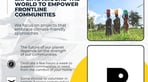
Our partner organization is a registered non-governmental organization operating in mainland Tanzania. Its vision is to build a community that upholds patriotism, peace, cooperation, equality, development, and awareness of climate change.
The organization’s mission is to promote public understanding of economic, social, cultural, and political issues through free platforms such as debates, mass media, online forums, blogs, conferences, and public dialogues with government officials.
Its main objectives include:
-
Raising awareness about climate change, environmental conservation, peace, gender equality, and the negative effects of harmful traditional beliefs.
-
Promoting understanding of the impacts of crime, terrorism, corruption, and inequality, while fostering leadership, unity, cooperation, and innovation.
-
Encouraging knowledge of Tanzanian culture, the Swahili language, and the importance of strong governance across sectors.
-
Empowering communities through the formation of peace, environmental, economic, social, cultural, and academic clubs in both rural and urban areas.
2. Purpose of the Assignment
Our partner organization seeks to engage volunteers to provide various forms of community service, including:
a) Teaching in primary and secondary schools.
b) Promoting environmental conservation skills.
c) Supporting healthcare for elders, children, and expectant mothers.
d) Assisting in orphanage care at children’s centers.
3. Scope of Work / Responsibilities
Volunteers will be responsible for the following tasks:
a) Collaborating with local teachers during classroom sessions.
b) Conducting training for target groups.
c) Supporting the care of elders, orphans, pregnant women, and school children.
d) Teaching pupils in primary schools (ages 5–12).
e) Teaching students in secondary schools (ages 12–16).
f) Assisting in workshops and community events.
g) Participating in environmental activities such as tree planting at schools.
h) Working alongside local health professionals in clinics and hospitals.
i) Assisting with disease diagnosis and record-keeping.
j) Providing counseling and treatment support to patients.
k) Maintaining patients’ records for follow-up purposes.
l) Offering advice and feedback to the volunteer team.
4. Expected Deliverables
By the end of their assignment, volunteers are expected to deliver:
a) Positive community engagement outcomes.
b) Accurate records of services provided to patients, students, elders, orphans, and expectant mothers.
c) Insights and reports on health, environmental, educational, and social challenges.
d) Reports identifying learning challenges and strategies for improving teaching methods.
e) Recommendations for enhancing volunteer services.
f) Tangible improvements in community health, education, environmental, and social outcomes.
5. Duration and Location
Volunteering periods range from one month to five years.
Volunteers will be placed primarily in Arusha Region (Northern Tanzania) and Dodoma Region (Central Tanzania).
6. Reporting and Supervision
Volunteers will report directly to the Program Director or their designated supervisor within the organization.
7. Qualifications and Skills
Eligible volunteers may include individuals with the following qualifications and skills:
a) Qualified teachers in subjects such as Mathematics, Biology, Physics, Civics, English, History, Chemistry, and Agriculture (secondary level).
b) Qualified teachers in Science, Mathematics, Civic and Moral Education, and English (primary level).
c) Individuals with computer skills (MS PowerPoint, Word, Excel, programming, app design, and graphics).
d) Medical professionals (doctors, nurses, or health workers) experienced in diseases such as diabetes, heart disease, hepatitis, cancer, asthma, tuberculosis, malaria, and eye diseases.
e) Environmentalists and conservation specialists.
f) Social workers and community mobilizers.
g) Students or graduates from colleges and universities in related fields.
h) Experienced professionals willing to volunteer.
i) Volunteers aged 16 to 70 years.
j) Required documentation includes a valid passport, visa, health insurance, and a student or professional ID.
k) Volunteers are encouraged (but not required) to contribute personal teaching materials or medical tools where possible.
l) Food and transport costs are the responsibility of the volunteer unless otherwise agreed.
8. Support Provided by Our Partner Organization
Volunteers will receive the following forms of support:
a) Security and safety measures.
b) Accommodation arrangements.
c) Pre-assignment health orientation to address any climate-related concerns.
d) General orientation and cultural briefing.
e) Certificates upon successful completion.
f) A formal certificate-awarding ceremony.
g) Optional free Swahili language lessons.
h) Assistance with arrival and departure logistics.
9. Confidentiality and Conduct
Volunteers are expected to uphold the highest ethical and professional standards, including:
a) Maintaining professionalism at all times.
b) Respecting national and international laws and regulations.
c) Avoiding all forms of discrimination or stigmatization.
d) Respecting and promoting human rights.
e) Upholding the mission, vision, and objectives of our partner organization.
f) Maintaining the confidentiality of patient and community information.


Thank you!
Actively Interviewing
This organisation is scheduling interviews as applications come in. They're ready to hire as soon as they find the right person. Don't miss your opportunity, apply now!
ABOUT THE ROLE
As part of our Community Support team, you will play a key role in ensuring the fulfilment of our users' needs by sharing information about our services, projects, and activities; this takes place in person, through our digital channels and helpline. Additionally, you will be responsible for keeping up to date information about other services and partner organisations.
The primary challenge faced by the Latin American community is the language barrier, which hinders their comprehension of the UK system and their entitlements. Taking part in the Community Interpreting service, you will support service users in navigating these obstacles, enabling them to establish a more integrated life in the UK.
This is an exciting opportunity for anyone who wants to better understand the challenges faced by the Latin American community in London; use their language skills in a positive and impactful way; and develop valuable administrative and customer service skills in a multicultural, fast-paced organisation.
MAIN TASKS AND RESPONSIBILITIES
● Connecting service users to our services, projects and activities in person or by answering phone calls and emails
● Supporting users with general enquiries, referring them to relevant services within our organisation as well as signposting and referring to external services
● Registering users on our database and keeping accurate records of services offered
● Monitoring internal calendars and appointments
● Sharing useful, up-to-date information with users as instructed by other team members
● Ensuring internal communications, flyers and handouts are up to date
● Interpreting calls for service users and supporting with non-official translations
● Supporting community members with basic application forms
● Liaising with staff in other departments and with external contacts
PERSON SPECIFICATION
● Good verbal and written communication skills in English and Spanish and/or Portuguese
● Ability to work effectively as a member of a team and with a diverse population of service users, staff and partners
● A caring, sensitive and non-judgemental approach
● Ability to cope with stressful and emotionally challenging issues
● Professionalism to handle sensitive and confidential information
● Excellent organisational skills, attention to detail and ability to multitask
● Ability to set their own work priorities, take initiatives and work with minimal supervision
● Good IT skills, including in using Microsoft and Google suite packages and different database systems
ADDITIONAL REQUIREMENTS
● Two references from current/previous employers
● Enhanced DBS Check (completed through IRMO)
● Safeguarding Level 1 (completed through IRMO)
● One month trial period
BENEFITS FROM VOLUNTEERING AT IRMO
● Gives the opportunity of helping others and to give back
● Creates an ideal space to learn new skills in a multicultural, cooperative and inspiring environment
● Get involved with the Latin American Community and increase knowledge of the situation of Latin American migrants in the UK
● Helps to gain experience and strengthen previous skills to face UK’s competitive job market;
● Enhance CV and get references (after a 3-month period) for further impact on the employment status
● Participate in training sessions with high-quality learning outcomes (in-house and external) in areas related to the role
● Receive regular supervision and support.
 Registered Charity
21 - 50
Registered Charity
21 - 50
Led by and for the community, we support the development, agency and participation of all Latin Americans and Spanish and Portuguese-speaking migrants
The client requests no contact from agencies or media sales.
Thank you!
Using Anonymous Recruitment
This organisation is using Anonymous Recruitment to reduce bias in the first stages of the hiring process. Submit your application as normal and our system will anonymise it for you. Your personal information will be hidden until the recruiter contacts you.
Actively Interviewing
This organisation is scheduling interviews as applications come in. They're ready to hire as soon as they find the right person. Don't miss your opportunity, apply now!
Volunteer Advert: Website & Social Media Producer
Coempowered is a small but rapidly developing non-profit working to empower indiviuals and help build community capacity among for young people, women, and marginalised communities in the UK and internationally through workshops, classes, semiar, projects and research. We are now building the foundations of our organisation and are looking for a dedicated, creative volunteer who is genuinely passionate about our educational and social mission and willing to grow with us as we expand our work and prepare for charity status.
About the Opportunity
This role is ideal for someone who wants to contribute meaningfully to a growing organisation by strengthening our digital presence and helping us reach wider audiences. You will work closely with the directors to shape our public voice and ensure that our online communications reflect our values of inclusion, critical thinking, and empowerment.
We are seeking someone who can commit reliably, collaborate with a small remote team, and take responsibility for managing our online platforms with initiative and care.
Key Deliverables
-
Manage weekly posts across LinkedIn, X (Twitter), and Instagram.
-
Create clear, engaging written content that communicates our work and mission.
-
Produce and upload website content, including updates, project summaries, and short articles.
-
Maintain a consistent editorial tone and visual identity across platforms.
-
Support campaign planning and announcement of new programmes.
-
Monitor basic engagement analytics and propose improvements where relevant.
-
Work collaboratively with directors and volunteers to plan communications in advance.
What We’re Looking For
-
Strong writing and digital communication skills.
-
Experience managing or creating content for social media platforms.
-
Ability to work independently, meet deadlines, and communicate proactively.
-
Interest in education, philosophy, youth empowerment, or social change.
-
A genuine desire to help build a young organisation and contribute to its long-term growth.
Time Commitment
Flexible, remote, approximately 2–3 hours per week.
If you are passionate about meaningful education, committed to social impact, and excited to help shape an emerging organisation, we would be delighted to hear from you.
 Non Charity Employer
11 - 20
Non Charity Employer
11 - 20
Co-Thinking, Co-creating, Co-flourishing Women, Migrants, Socially and economically marginalised youth www.coempowered.org
Thank you!
Actively Interviewing
This organisation is scheduling interviews as applications come in. They're ready to hire as soon as they find the right person. Don't miss your opportunity, apply now!
PLEASE NOTE: This role is only needed for the Christmas period
Each person who'd like to volunteer needs to sign up individually, and volunteers are not permitted to bring friends, family members, or children along with them on shifts.
If you plan to apply for this role, please note you will need to provide evidence of your qualification OR a reference from your current employer.
You will contribute to ending homelessness by
Our Crisis nail bar gives guests a chance to feel pampered and confident and, along with salon and massage, is one of our busiest and most popular services.
Nail technicians offer a shape, buff and polish service and can also offer hand massages. We do not offer shellac or nail extensions.

Thank you!
Actively Interviewing
This organisation is scheduling interviews as applications come in. They're ready to hire as soon as they find the right person. Don't miss your opportunity, apply now!
Would you like to support people who have served in the Armed Forces? You just need the ability to listen, strong IT skills and good written and spoken English. If you think this could be the role for you, we’d love to hear from you.
What is a Caseworker?
Caseworkers visit clients to work out what type of support they need. You will listen without judgement to assess and provide tailored support to help those serving, who have served and their families to navigate life in and beyond military service. Some examples of support are securing funding for special equipment for someone with a disability, adaptions to a property so an older client can remain at home or funds for a rental deposit. Caseworkers also sign-post clients onto specialist local services for advice on benefits, housing, mental health, debt, finding work etc.
Why do we need you?
We’ve been supporting the Armed Forces community since 1885. Our clients come from all backgrounds and age groups and may have served in WW2 or in a more recent conflict like the Falklands or Afghanistan. We’d love the general public to understand what we do and how they can help us.
There are SSAFA branches throughout the UK and overseas who support local volunteers to deliver services to veterans, serving personnel and their families. Some branches are divided into smaller divisions to ensure the best local service delivery. Each branch has a team of volunteer caseworkers, support volunteers, executive roles, and fundraisers.
Volunteer Caseworkers are the lifeblood of SSAFA, supporting a growing number of people in need of financial, practical, and emotional support. Clients come from all backgrounds and age groups and may have served in WW2 or in a more recent conflict like Iraq or Afghanistan.
When would you be needed and where would you be based?
The essential part of the role is visiting clients, so you will need access to a vehicle or another way to travel to meet clients at home or in a care home setting. As part of your local branch, you might have access to an office, but you can complete the administration part of the role from home as long as you have access to IT equipment and the internet.
What would you be doing?
- Contacting beneficiaries and arranging to meet them at a mutually convenient time.
- Meeting beneficiaries and completing a form to assess their circumstances, using good communication skills, empathy and understanding.
- Sign-posting clients onto local services providing specialist advice.
- Applying for funding on the behalf of the beneficiary through a specific process and system
- Arranging for the purchase of goods and services
- Keeping the beneficiary informed of their case progress.
- Liaise with the branch and regional office, regarding your availability.
- Keeping up to date with training and SSAFA news so that you are best able to support clients.
- Being a positive ambassador for SSAFA remembering that anyone you meet could be a potential client, volunteer, or fundraiser.
- Volunteering within the standards and values of SSAFA
- Adhering to SSAFAs policies and procedures at all times, including safeguarding, volunteering policy, equality, diversity and inclusion, health and safety, data protection and confidentiality.
What can you gain from this volunteering role?
- Use your skills, knowledge, and life experience to benefit others.
- Support from your local SSAFA branch and the wider SSAFA community
- Experience, training, and skills that you can highlight on your CV and in job interviews.
- Better physical and mental health – studies show that volunteers live longer and experience lower levels of stress and depression!
What training and support would you receive?
- Role specific training to prepare you for your voluntary role – confidentiality and boundaries, personal safety, caseworker training, and caseworker IT system training. The caseworker training takes 3 days and a further half a day for the other training.
- Mandatory on-line training modules to complete at home, so you are up to date on how to keep clients, their families safe and personal information safe.
- Access to a range additional e-learning courses as well as local opportunities for your personal and professional development.
- Local induction including assigning a person from the team who will be your main point of contact.
- Regular opportunities to meet and share best practice with other caseworkers.
- Range of support from central and regional volunteer operations team.
- Reimbursement of out-of-pocket expenses
- Volunteers will be covered by SSAFAs Public Liability Insurance whilst carrying out the role.
What are we looking for?
- Friendly and approachable with good listening skills, patience, and a positive attitude.
- Good communication skills both written and verbally.
- Respectful and non-judgemental approach with beneficiaries, their family, other agencies and SSAFA colleagues
- Willingness and ability to use IT systems for initial and on-going training and to enter cases on the Casework Management System. Willingness and ability to send and receive emails – you will receive your own SSAFA email address which you will be required to use when exercising your role.
- Ability to make enquires on behalf of beneficiaries by phone, email, letter or by filling in forms.
- Ability to keep within boundaries of the role with regards to friendship or giving advice
- Reliable, prompt and trustworthy.
- Access to public transport or a car to travel to appointments with clients.
We welcome volunteers of all backgrounds, abilities, races, sexual orientations, socio-economic backgrounds, and of all faiths and none. SSAFA are committed to making reasonable adjustments to support volunteers with disabilities, so they have access to the same opportunities and experiences as volunteers who do not.
Minimum Age: 18
Safer Recruitment: SSAFA undertakes a systematic approach and utmost care at every step of the process of volunteer recruitment, selection, and retention to ensure that those recruited are suitable and appropriate. Measures taken at points along this journey work together to make volunteering at SSAFA a positive and safe experience.
References Required: Yes. We will ask for two character references, this can be a former employer or someone that know you well (other than a relative)
Is a criminal record check required? Yes, this is provided by SSAFA at no cost to the potential volunteer. This role requires an enhanced check (including checks against the children and adults barred list)
*A disclosure certificate that contains convictions, cautions, warnings, reprimands, or other information may not automatically mean that you are not able to volunteer. All certificates will be reviewed on a case-by-case basis and, where possible, a modified or alternative role will be offered.
Registered Charity
101 - 500
Our vision A society in which the Armed Forces, veterans and their families can thrive.
The client requests no contact from agencies or media sales.
Thank you!
Are you a fundraising professional looking to use your skills to make a positive impact? The Lymphoedema Support Network (LSN) is seeking a volunteer Trustee with expertise to help us raise the funds to ensure we can continue supporting the nearly 500,000 people (including children) in the UK affected by lymphoedema.
The LSN plays a crucial role in educating individuals, society and health care professionals about lymphoedema and the impact it has on every aspect of life and enabling those living with the condition and those facilitating their care to work together to ensure everyone can control and live well with lymphoedema.
Though lymphoedema isn’t widely understood or provided for in the NHS yet, we are here to support those who need us. While it’s a chronic condition, we believe that with the right care and support, lives can be greatly improved.
We are at an exciting time in our journey and would love to welcome a new trustee to help us fund the many opportunities ahead.
As a Trustee, you will help ensure our financial sustainability, and support us in making strategic decisions. You don’t need personal experience with lymphoedema—your expertise and commitment to helping others are what matters most.

Thank you!
Actively Interviewing
This organisation is scheduling interviews as applications come in. They're ready to hire as soon as they find the right person. Don't miss your opportunity, apply now!
We're STAMMA. We exist to create a world that makes space for stammering. Where a stammer is embraced as just a difference. Where no-one judges us on our stammer or the way we choose to deal with it.
We will stand up for and empower those who stammer and challenge discrimination wherever we find it. We will provide support and information and fight for speech and language therapy services for those who want it. No matter how you talk, we're here for you. Join us and help the public understand that stammering is not a sign of being shy, drunk, dishonest, nervous or weak. It's simply how some of us talk.
We provide a free national helpline, email and webchat service, online resources and information, support for local groups and professional networks, for families with children who stammer, and an Advocacy Service for those who have been discriminated against because of their stammer.
STAMMA’s Helpline Services include our phoneline, webchat and email support services and are a hugely important part of STAMMA’s work. This is frontline stuff, responding to people reaching out for information and support. It’s a great opportunity to spend time chatting with people who stammer, as well as their parents, grandparents, teachers and employers, taking the time to make space to listen and to value what they have to say. Where appropriate we then signpost people to useful information, support and services.
We use a virtual call centre which means you can take calls and webchats from home, using a desktop or laptop computer.
Our helpline is manned by our amazing volunteers from 10am - 2pm (our morning shift), and from 4pm - 8pm (our evening shift), Monday to Thursday. We are looking for dedicated volunteers who can commit to one of the following shifts on a weekly basis:
Mondays 4pm - 6pm
Thursday 4pm - 8pm
We think that you (and our callers!) will get the most out of this opportunity if you're able to volunteer with us for at least 12 months or more. By gradually learning and developing your confidence in the role, you can have the biggest impact.
About the role
Working within our Helpline Services, we’re hoping you’ll feel comfortable to:
- Take helpline calls (listening and speaking on the phone)
- Respond to webchats (reading on-screen messages and typing responses)
- Sending occasional emails
If you wish to, you can also be linked to an area of project work. That way, if the helpline services are quiet during your shift, you can get involved in other areas of STAMMA’s work. Project work is likely to involve reading and reviewing documents and resources, contributing to discussions and campaign ideas, and helping develop new resources.
We provide structured, online training that you can complete at your own pace, but is likely to take about 8-10 hours in total to complete. Following the training, you’ll have practice helpline calls and webchats. If you feel ready after that, you’ll start working in the helpline services. Ongoing support includes:
- Monthly helpline services meetings where you can meet other helpline volunteers. These monthly meetings include a short training session and discussion where we share and learn from our experiences of different calls and webchats.
- We have a WhatsApp group where you can keep in touch with other volunteers.
- Volunteer supervisors are available for one-to-one support and discussions.
- Access the training modules as many times as you want.
Who are we looking for?
You’re likely to enjoy volunteering in the Helpline Services if you:
- have a genuine curiosity about people and their experiences
- are able to understand written and spoken English
- are comfortable enough to speak on the telephone
- are comfortable with basic email functions
- have good administration skills
- enjoy listening and talking to people
It’s not essential to stammer yourself if you’re interested in working in our helpline, but it can be an advantage if you do, or if you are the parent of a child who stammers. Many of our callers find it really helpful to know that they’re speaking to someone who really ‘gets it’ and who has that personal insight into some of the issues and questions they have.
This is a volunteer role is remote, so you will need access to:
- a quiet place where you can work in privacy and not be overheard during calls
- a mobile phone or landline
- a computer or laptop
What can you gain from this opportunity?
This is a wonderful opportunity to join a small and friendly team! We'll make sure you're supported in every step of your journey, and you'll get to meet some inspiring people. You'll gain skills that you'll be able to use in all areas of your life and build experiences for your CV. Most importantly, you will make a real difference in the lives of people who stammer.
How to apply
To apply, please fill in our volunteer form that is linked to this opportunity.
We are dedicated to making sure our roles are accessible and open to all. If you have any questions, please don't hesitate to reach out to us.
 Registered Charity
11 - 20
Registered Charity
11 - 20
We exist to create a world that makes space for stammering. Where a stammer is embraced as just a difference.



Thank you!
Actively Interviewing
This organisation is scheduling interviews as applications come in. They're ready to hire as soon as they find the right person. Don't miss your opportunity, apply now!
About us: GT Scholars is a charitable social enterprise that tackles educational inequality by giving ambitious young people the support, skills and strategies they need to achieve aspirations. We run a wide range of programmes that help young people achieve their academic and career aspirations, particularly those from less-privileged backgrounds.
What makes us different? We run tutoring, mentoring & career insight programmes that help our scholars, aged 11-18, discover their strengths, develop their mindsets and design their own futures.
There are many charitable organisations and social enterprises offering programmes to improve the life chances of young people.
However, our programmes use a unique 3:1 model which means that we’re able to sustainably use our profits to provide additional places on our programmes, to young people from low income homes.
We believe that all young people are gifted and talented, regardless of their background.
Our mission is to empower and develop the next generation of leaders and change-makers and we’re looking for volunteer tutors that are passionate about making a difference in young people’s lives!
If you are an undergraduate or graduate, you could make a difference by joining us as a volunteer tutor. As a volunteer tutor, you’ll need to:
-
Have a passion for helping children and young people
-
Provide online one-to-one tutoring support for 1 hour week
-
Build pupil confidence in Maths.
-
Have strong subject knowledge (confident enough to tutor up to GCSE)
-
Work collaboratively with other tutors and mentors
-
Have a minimum of an undergraduate degree or be working towards this
Volunteer tutoring can be extremely rewarding and volunteers with GT Scholars benefit from:
-
A flexible schedule - you can choose online tutoring hours to suit your schedule
-
The chance to grow your contacts and meet like-minded volunteers
-
The chance to make a real difference in the life of a young person.
Additional information: We’re looking for tutors that can commit to a minimum of 2 academic terms of volunteering.
We will need to conduct reference checks and you will need an Enhanced DBS for this role as you will be working directly with children. We can process this for you or you may submit one if this is less than 3 years old.

The client requests no contact from agencies or media sales.
Thank you!
Actively Interviewing
This organisation is scheduling interviews as applications come in. They're ready to hire as soon as they find the right person. Don't miss your opportunity, apply now!
Independent visitors befriend and socialise with children & young people in care and care leavers up to the age of 25
Responsibilities:
· An Independent Visitor provides a stable, adult role model for a young person.
· They visit monthly and befriend and listen to the young person and share their interests and hobbies.
· Provide support and empowerment to help the young person plan for their future
· Identify where the young person might benefit from specialist support and help them to access it
· To act within ONSIDE’s safeguarding policies
Skills & qualities required:
· Good communication and interpersonal skills
· Ability to build trust and a friendly relationship with children & young people in care and care leavers
· Be prepared for an open-ended supportive relationship within and potentially after care
· Demonstrate empathy and understanding to the needs of the children and young people
 Registered Charity
101 - 500
Registered Charity
101 - 500
Onside is a charity stemming from a belief that everyone has the right to be a valued human being an to be treated in a just and fair way.
The client requests no contact from agencies or media sales.
Thank you!
Actively Interviewing
This organisation is scheduling interviews as applications come in. They're ready to hire as soon as they find the right person. Don't miss your opportunity, apply now!
Retail Lead Volunteer - PDSA
Could you support your local PDSA shop - and help us care for the pets of people in need?
Every PDSA shop needs an amazing team of volunteers to make it a success and we’re on the lookout for people to join us.
Our shops raise funds to support our 48 pet hospitals and increase awareness of the work we do to get the nation PetWise.
With some roles, you may have the opportunity to become a Lead Volunteer or to gain a nationally recognised qualification (NVQ). Lead Volunteers are trained in all aspects of running the shop and can deputise for the manager, so this is a fantastic opportunity that would really enhance your CV. There are many different ways you can help and even a couple of hours a week will make a difference.
This is a varied and responsible role where you’ll be supporting the Shop Manager and Assistant with the day-to-day running of the shop. You’ll be encouraged to lead on new projects and may be asked to provide cover when the Manager is absent from the shop.
What skills do I need?
- Are you a natural team leader and problem solver?
- Do you have great communication skills?
- Do you have previous management experience?
- Are you commercially aware?
- Do you have good IT skills?
- Are you confident working independently?
If the answer is yes to most of these, this could be the ideal role for you. We provide training and we reimburse travel expenses so you won’t be out of pocket
We can offer you the chance to:
- Develop fantastic retail and supervisory skills for your CV
- Work flexible hours that suit you.
- Make new friends.
- Gain a qualification (if you meet the requirements)
We’re looking for people who are:
- Positive and friendly
- Willing to take responsibility and manage others
- Confident with cash handling
- Aware of health & safety issues
- Happy working as part of a team
- Flexible and keen to learn
Get in touch today to talk to us about volunteering in one of our stores, we’d love to hear from you!
PDSA positively encourages volunteer applications regardless of sex, race, disability, age, sexual orientation, gender reassignment, religion or belief, marital status, or pregnancy and maternity.
We are committed to safeguarding and promoting the welfare of children, adults at risk and all our colleagues and expect everyone who works for us to also share this commitment and to treat people with courtesy and respect.
To support this commitment, our recruitment & selection processes are robust and rigorous and all appointments will be subject to satisfactory references and appropriate background checks. A basic DBS check is required for this role.