
Volunteers volunteer roles in leer, unity
Actively Interviewing
This organisation is scheduling interviews as applications come in. They're ready to hire as soon as they find the right person. Don't miss your opportunity, apply now!
Would you like to support people who have served in the Armed Forces? You just need the ability to listen, strong IT skills and good written and spoken English. If you think this could be the role for you, we’d love to hear from you.
What is a Caseworker?
Caseworkers visit clients to work out what type of support they need. You will listen without judgement to assess and provide tailored support to help those serving, who have served and their families to navigate life in and beyond military service. Some examples of support are securing funding for special equipment for someone with a disability, adaptions to a property so an older client can remain at home or funds for a rental deposit. Caseworkers also sign-post clients onto specialist local services for advice on benefits, housing, mental health, debt, finding work etc.
Why do we need you?
We’ve been supporting the Armed Forces community since 1885. Our clients come from all backgrounds and age groups and may have served in WW2 or in a more recent conflict like the Falklands or Afghanistan. We’d love the general public to understand what we do and how they can help us.
There are SSAFA branches throughout the UK and overseas who support local volunteers to deliver services to veterans, serving personnel and their families. Some branches are divided into smaller divisions to ensure the best local service delivery. Each branch has a team of volunteer caseworkers, support volunteers, executive roles, and fundraisers.
Volunteer Caseworkers are the lifeblood of SSAFA, supporting a growing number of people in need of financial, practical, and emotional support. Clients come from all backgrounds and age groups and may have served in WW2 or in a more recent conflict like Iraq or Afghanistan.
When would you be needed and where would you be based?
The essential part of the role is visiting clients, so you will need access to a vehicle or another way to travel to meet clients at home or in a care home setting. As part of your local branch, you might have access to an office, but you can complete the administration part of the role from home as long as you have access to IT equipment and the internet.
What would you be doing?
- Contacting beneficiaries and arranging to meet them at a mutually convenient time.
- Meeting beneficiaries and completing a form to assess their circumstances, using good communication skills, empathy and understanding.
- Sign-posting clients onto local services providing specialist advice.
- Applying for funding on the behalf of the beneficiary through a specific process and system
- Arranging for the purchase of goods and services
- Keeping the beneficiary informed of their case progress.
- Liaise with the branch and regional office, regarding your availability.
- Keeping up to date with training and SSAFA news so that you are best able to support clients.
- Being a positive ambassador for SSAFA remembering that anyone you meet could be a potential client, volunteer, or fundraiser.
- Volunteering within the standards and values of SSAFA
- Adhering to SSAFAs policies and procedures at all times, including safeguarding, volunteering policy, equality, diversity and inclusion, health and safety, data protection and confidentiality.
What can you gain from this volunteering role?
- Use your skills, knowledge, and life experience to benefit others.
- Support from your local SSAFA branch and the wider SSAFA community
- Experience, training, and skills that you can highlight on your CV and in job interviews.
- Better physical and mental health – studies show that volunteers live longer and experience lower levels of stress and depression!
What training and support would you receive?
- Role specific training to prepare you for your voluntary role – confidentiality and boundaries, personal safety, caseworker training, and caseworker IT system training. The caseworker training takes 3 days and a further half a day for the other training.
- Mandatory on-line training modules to complete at home, so you are up to date on how to keep clients, their families safe and personal information safe.
- Access to a range additional e-learning courses as well as local opportunities for your personal and professional development.
- Local induction including assigning a person from the team who will be your main point of contact.
- Regular opportunities to meet and share best practice with other caseworkers.
- Range of support from central and regional volunteer operations team.
- Reimbursement of out-of-pocket expenses
- Volunteers will be covered by SSAFAs Public Liability Insurance whilst carrying out the role.
What are we looking for?
- Friendly and approachable with good listening skills, patience, and a positive attitude.
- Good communication skills both written and verbally.
- Respectful and non-judgemental approach with beneficiaries, their family, other agencies and SSAFA colleagues
- Willingness and ability to use IT systems for initial and on-going training and to enter cases on the Casework Management System. Willingness and ability to send and receive emails – you will receive your own SSAFA email address which you will be required to use when exercising your role.
- Ability to make enquires on behalf of beneficiaries by phone, email, letter or by filling in forms.
- Ability to keep within boundaries of the role with regards to friendship or giving advice
- Reliable, prompt and trustworthy.
- Access to public transport or a car to travel to appointments with clients.
We welcome volunteers of all backgrounds, abilities, races, sexual orientations, socio-economic backgrounds, and of all faiths and none. SSAFA are committed to making reasonable adjustments to support volunteers with disabilities, so they have access to the same opportunities and experiences as volunteers who do not.
Minimum Age: 18
Safer Recruitment: SSAFA undertakes a systematic approach and utmost care at every step of the process of volunteer recruitment, selection, and retention to ensure that those recruited are suitable and appropriate. Measures taken at points along this journey work together to make volunteering at SSAFA a positive and safe experience.
References Required: Yes. We will ask for two character references, this can be a former employer or someone that know you well (other than a relative)
Is a criminal record check required? Yes, this is provided by SSAFA at no cost to the potential volunteer. This role requires an enhanced check (including checks against the children and adults barred list)
*A disclosure certificate that contains convictions, cautions, warnings, reprimands, or other information may not automatically mean that you are not able to volunteer. All certificates will be reviewed on a case-by-case basis and, where possible, a modified or alternative role will be offered.

 Registered Charity
 101 - 500
Our vision A society in which the Armed Forces, veterans and their families can thrive.


The client requests no contact from agencies or media sales.

Thank you!
Actively Interviewing
This organisation is scheduling interviews as applications come in. They're ready to hire as soon as they find the right person. Don't miss your opportunity, apply now!
Help raise awareness and funds for Teckels in your local area. Our Community Volunteers champion our work, represent Teckels at events, and inspire others to get involved.
What you’ll be doing:
- Hosting stalls at local fairs and events
- Supporting supermarket collections or Pets at Home fundraising days
- Collecting donations and bringing them to the Centre
- Putting up posters, handing out leaflets, or sharing social posts
- Hosting fundraising events like bake sales or pub quizzes
- Supporting our fundraising events like the Spring, Summer and Winter Fairs and the Winter Ball
What you’ll need:
- Friendly, engaging, and confident talking to new people
- A passion for animals and Teckels’ mission
- Enthusiastic and proactive – happy to get stuck in
What’s in it for you:
- Induction, training and support
- New people, new experiences
- Skill-building and personal development
- A reference for employment or education
- A chance to help cats and dogs in your community

The client requests no contact from agencies or media sales.
Thank you!
Actively Interviewing
This organisation is scheduling interviews as applications come in. They're ready to hire as soon as they find the right person. Don't miss your opportunity, apply now!
Fundraising Volunteer
Thank you for your interest to become a Fundraising Volunteer at Cats Protection!
Our vision is a society where every cat has their best possible life because they are protected, cared for and understood by everyone.
We are a movement of people championing the welfare of cats. We lead society in a richer understanding of all cats and care for those that need our help.
Our Purpose is to to help people see the world through cats’ eyes
Our brand new Community Fundraising Hub is here to support you in this role, so there's never been a better time to get involved!
A bit about this role:
As a charity we can help thousands of cats each year thanks to the generous donations from our supporters. Raising funds is a key role in our charity, helping to raise the vital funds needed to help more cats and kittens in need.
As a fundraising volunteer, we will support you every step of the way to ensure your time at Cats Protection is a positive and rewarding one. Whatever time you can give really does make a big difference We have lots of exciting activities to choose from for example attending a fundraising event, fundraising online, promoting fundraising activities on social media, handling administrative tasks, or contributing to the development of new fundraising ideas. Whatever your skill set, this role could be perfect for you!
What can you expect to be doing?
As a flexible role, you have the choice to be involved in the following:
- face-to-face fundraising – organising or helping with fundraising events, attending supermarket collections and monitoring collection boxes.
- online fundraising – assisting with online appeals, increasing social media engagement to maximise funds raised.
- bringing new ideas! We always love to come up with new ideas to raise funds for cats and we’d love to help bring yours to life.
- engaging with your local branch and Fundraising Hub and feeling like an integral part of the team.
What are the benefits to you and the cats?
You will have the opportunity to develop your knowledge though Cats Protection’s learn online system, providing you with the skills to thrive as a fundraiser. You’ll also have the chance to meet new people and be part of a dedicated team of volunteers. Money raised by our volunteers enables us to put cats first. Cats are at the centre of all we do. We care for them, ensure their welfare, and help others to understand and better support them.
We're looking for someone with:
- Sympathetic to cats and our values
- Happy to be part of a team of dedicated volunteers and employees.
- Flexible and adaptable to different events/activities
- Open to new ideas and ways of fundraising
Time expectation
This role is very flexible, often certain times of the year are busier than others. You can choose your level of involvement to suit your schedule.
Support, guidance and keeping you safe
At Cats Protection we believe our volunteers should be happy and confident in their roles. We provide support and guidance from our National Cat Centre and through our regional and local volunteer groups and teams. We offer engaging online and face-to-face training, expenses and have policies and processes to help volunteers get the most out of their time with us.
The well being of our people is important and at Cats Protection we are committed to safeguarding children, adults at risk and all those that we encounter as part of our activities.
Applicants will be required to complete an application for and provide two references.
 Registered Charity
501 - 1000
Registered Charity
501 - 1000
Making a better life for cats, because life is better with cats


The client requests no contact from agencies or media sales.
Thank you!
Actively Interviewing
This organisation is scheduling interviews as applications come in. They're ready to hire as soon as they find the right person. Don't miss your opportunity, apply now!
Could you lead the local SSAFA services in your area? You don’t need a military background for this role, but you should be empathic to the needs of the armed forces community, have some experience of managing people and possess good I.T. skills. If this sounds like you, we’d love to hear from you.
What is a Branch Chair?
There are SSAFA branches throughout the UK and overseas. Many are further divided into local areas called divisions. Each branch has a Chair to oversee all aspects of the branch. Ultimately accountable to the Chair of the Board of Trustees, through the National Chairman your role is to ensure that the branch is running in line with SSAFA’s Royal Charter Rules, Regulations, and policies. Also, to ensure that clients and volunteers are safe, all services provided are appropriate and effective and that the branch is financially sound. You will be the public face of SSAFA in your branch area.
Why do we need you?
We’ve been supporting the Armed Forces community since 1885. Our clients come from all backgrounds and age groups and may have served in WW2 or in a more recent conflict like the Falklands or Afghanistan. More people than ever are contacting SSAFA for financial, practical and emotional support. To do this we need local branches and volunteers who can coordinate people, ensure the local population know about SSAFA and keep things running smoothly behind the scenes.
Our branches support local volunteers to deliver services to veterans, serving personnel and their families. Some branches are divided into smaller divisions to ensure the best local service delivery. Each branch has a team of volunteer caseworkers, support volunteers, executive roles, and fundraisers.
When would you be needed and where would you be based?
This role is about leadership, coordination, and administration. As part of your local branch, you might have access to an office, but many volunteers are based at home. The role requires an ongoing time commitment, usually about 2-3 days per month. In addition, you would need to organise and attend regular meetings throughout the year.
What would you be doing?
- Providing leadership to the Branch and ensuring that all activities comply with SSAFA regulations both directly, and through the Branch Secretary, other Branch Officers, and Divisional Officers.
- Providing support and guidance to volunteers in office holder roles, and support with recruitment of volunteers into these positions to ensure the sustainability of the branch.
- Ensuring the financial integrity of the Branch, including the appointment of Treasurers and a local fundraising programme to meet branch running costs.
- Ensuring that all data is processed and held in accordance with SSAFA’s data management policies.
- Monitoring volunteer numbers against the demand for support and working with other volunteers, regional and central office staff to attract and recruit new volunteers as required.
- Ensuring that all volunteers are recruited, inducted, supported, and managed in line with SSAFA policies, such as the Volunteering Policy, Volunteer Code of Conduct, Data Protection Policy, and Safeguarding Policy.
- Building relationships with regional and central office staff, local voluntary organisations and, if applicable, SSAFA Service committees, local military establishments, prisons etc.
- Overseeing an appropriate programme of awareness raising so that potential clients, volunteers, and supporters know how to contact the branch.
- Providing timely reports and information to SSAFA’s Central Office
- Overseeing a programme of meetings including an AGM, branch meetings, committee meetings, training etc.
- Supporting any salaried branch staff and ensuring that their line management arrangements are working appropriately.
- Resolve any complaints that are suitable for local resolution in accordance with SSAFA’s Complaints Policy and procedures, referring upwards any that are not suitable for local resolution.
The remit of this role may change over the next 12-18 months depending on the outcome of a trial currently being undertaken.
What could you gain from this volunteering role?
- Gain experience of holding a key local role with oversight of all SSAFA activity in the local area
- Use your skills, knowledge, and life experience to benefit others.
- Support from your local SSAFA branch and the wider SSAFA community
- Experience, training, and skills that you can highlight on your CV and in job interviews.
- Better physical and mental health – studies show that volunteers live longer and experience lower levels of stress and depression!
What training and support would you receive?
- Role specific training to prepare you for your voluntary role – caseworker training, caseworker IT system training, volunteer management – attracting, recruiting, and inducting volunteers.
- Mandatory on-line training modules to complete at home, so you are up to date on how to keep clients, their families safe and personal information safe.
- Local orientation as well as meet and greet sessions with key Central Office and regional teams.
- Access to a range additional e-learning courses as well as local opportunities for your personal and professional development.
- Support from Regional and central staff and peer support from fellow Chairs in neighbouring branches.
- Reimbursement of out-of-pocket expenses
- Volunteers will be covered by SSAFAs Public Liability Insurance whilst carrying out the role.
What are we looking for?
- Friendly and approachable people of any age (18+) with some experience of coordinating people and admin
- Willingness and ability to lead and manage a team of volunteers.
- Respectful and non-judgemental approach with beneficiaries, their family, other agencies and SSAFA colleagues
- Willingness and ability to learn basic digital skills. Ability to send and receive emails – you will receive your own SSAFA email address which you will be required to use when exercising your role.
- Willingness to use our on-line case management system (this is covered in the training course)
- Ability to understand and keep within the boundaries of the role for which training will be given.
- Reliability
- Practice confidentiality and data protection in line with SSAFA policies.
- Willingness and means to travel to meetings or events as required.
- Good written and spoken English.
We welcome volunteers of all backgrounds, abilities, races, sexual orientations, socio-economic backgrounds, and of all faiths and none. SSAFA are committed to making reasonable adjustments to support volunteers with disabilities, so they have access to the same opportunities and experiences as volunteers who do not.
Minimum Age: 18
Safer Recruitment: SSAFA undertakes a systematic approach and utmost care at every step of the process of volunteer recruitment, selection, and retention to ensure that those recruited are suitable and appropriate. Measures taken at points along this journey work together to make volunteering at SSAFA a positive and safe experience.
References Required: Yes. We will ask for two character references, this can be a former employer or someone that know you well (other than a relative)
Is a criminal record check required? No
Registered Charity
101 - 500
Our vision A society in which the Armed Forces, veterans and their families can thrive.
The client requests no contact from agencies or media sales.
Thank you!
Actively Interviewing
This organisation is scheduling interviews as applications come in. They're ready to hire as soon as they find the right person. Don't miss your opportunity, apply now!
Could you lead the local SSAFA services in your area? You don’t need a military background for this role, but you should be empathic to the needs of the armed forces community, have some experience of managing people and possess good I.T. skills. If this sounds like you, we’d love to hear from you.
What is a Branch Chair?
There are SSAFA branches throughout the UK and overseas. Many are further divided into local areas called divisions. Each branch has a Chair to oversee all aspects of the branch. Ultimately accountable to the Chair of the Board of Trustees, through the National Chairman your role is to ensure that the branch is running in line with SSAFA’s Royal Charter Rules, Regulations, and policies. Also, to ensure that clients and volunteers are safe, all services provided are appropriate and effective and that the branch is financially sound. You will be the public face of SSAFA in your branch area.
Why do we need you?
We’ve been supporting the Armed Forces community since 1885. Our clients come from all backgrounds and age groups and may have served in WW2 or in a more recent conflict like the Falklands or Afghanistan. More people than ever are contacting SSAFA for financial, practical and emotional support. To do this we need local branches and volunteers who can coordinate people, ensure the local population know about SSAFA and keep things running smoothly behind the scenes.
Our branches support local volunteers to deliver services to veterans, serving personnel and their families. Some branches are divided into smaller divisions to ensure the best local service delivery. Each branch has a team of volunteer caseworkers, support volunteers, executive roles, and fundraisers.
When would you be needed and where would you be based?
This role is about leadership, coordination, and administration. As part of your local branch, you might have access to an office, but many volunteers are based at home. The role requires an ongoing time commitment, usually about 2-3 days per month. In addition, you would need to organise and attend regular meetings throughout the year.
What would you be doing?
- Providing leadership to the Branch and ensuring that all activities comply with SSAFA regulations both directly, and through the Branch Secretary, other Branch Officers, and Divisional Officers.
- Providing support and guidance to volunteers in office holder roles, and support with recruitment of volunteers into these positions to ensure the sustainability of the branch.
- Ensuring the financial integrity of the Branch, including the appointment of Treasurers and a local fundraising programme to meet branch running costs.
- Ensuring that all data is processed and held in accordance with SSAFA’s data management policies.
- Monitoring volunteer numbers against the demand for support and working with other volunteers, regional and central office staff to attract and recruit new volunteers as required.
- Ensuring that all volunteers are recruited, inducted, supported, and managed in line with SSAFA policies, such as the Volunteering Policy, Volunteer Code of Conduct, Data Protection Policy, and Safeguarding Policy.
- Building relationships with regional and central office staff, local voluntary organisations and, if applicable, SSAFA Service committees, local military establishments, prisons etc.
- Overseeing an appropriate programme of awareness raising so that potential clients, volunteers, and supporters know how to contact the branch.
- Providing timely reports and information to SSAFA’s Central Office
- Overseeing a programme of meetings including an AGM, branch meetings, committee meetings, training etc.
- Supporting any salaried branch staff and ensuring that their line management arrangements are working appropriately.
- Resolve any complaints that are suitable for local resolution in accordance with SSAFA’s Complaints Policy and procedures, referring upwards any that are not suitable for local resolution.
The remit of this role may change over the next 12-18 months depending on the outcome of a trial currently being undertaken.
What could you gain from this volunteering role?
- Gain experience of holding a key local role with oversight of all SSAFA activity in the local area
- Use your skills, knowledge, and life experience to benefit others.
- Support from your local SSAFA branch and the wider SSAFA community
- Experience, training, and skills that you can highlight on your CV and in job interviews.
- Better physical and mental health – studies show that volunteers live longer and experience lower levels of stress and depression!
What training and support would you receive?
- Role specific training to prepare you for your voluntary role – caseworker training, caseworker IT system training, volunteer management – attracting, recruiting, and inducting volunteers.
- Mandatory on-line training modules to complete at home, so you are up to date on how to keep clients, their families safe and personal information safe.
- Local orientation as well as meet and greet sessions with key Central Office and regional teams.
- Access to a range additional e-learning courses as well as local opportunities for your personal and professional development.
- Support from Regional and central staff and peer support from fellow Chairs in neighbouring branches.
- Reimbursement of out-of-pocket expenses
- Volunteers will be covered by SSAFAs Public Liability Insurance whilst carrying out the role.
What are we looking for?
- Friendly and approachable people of any age (18+) with some experience of coordinating people and admin
- Willingness and ability to lead and manage a team of volunteers.
- Respectful and non-judgemental approach with beneficiaries, their family, other agencies and SSAFA colleagues
- Willingness and ability to learn basic digital skills. Ability to send and receive emails – you will receive your own SSAFA email address which you will be required to use when exercising your role.
- Willingness to use our on-line case management system (this is covered in the training course)
- Ability to understand and keep within the boundaries of the role for which training will be given.
- Reliability
- Practice confidentiality and data protection in line with SSAFA policies.
- Willingness and means to travel to meetings or events as required.
- Good written and spoken English.
We welcome volunteers of all backgrounds, abilities, races, sexual orientations, socio-economic backgrounds, and of all faiths and none. SSAFA are committed to making reasonable adjustments to support volunteers with disabilities, so they have access to the same opportunities and experiences as volunteers who do not.
Minimum Age: 18
Safer Recruitment: SSAFA undertakes a systematic approach and utmost care at every step of the process of volunteer recruitment, selection, and retention to ensure that those recruited are suitable and appropriate. Measures taken at points along this journey work together to make volunteering at SSAFA a positive and safe experience.
References Required: Yes. We will ask for two character references, this can be a former employer or someone that know you well (other than a relative)
Is a criminal record check required? No
Registered Charity
101 - 500
Our vision A society in which the Armed Forces, veterans and their families can thrive.
The client requests no contact from agencies or media sales.
Thank you!
Actively Interviewing
This organisation is scheduling interviews as applications come in. They're ready to hire as soon as they find the right person. Don't miss your opportunity, apply now!
We’re looking for friendly and compassionate volunteers to join our hospice reception team. As the first point of contact, you’ll provide a warm welcome to patients, families, and visitors, offer directions, notify staff of arrivals, and assist with answering and directing phone calls. This is a meaningful opportunity to support people at a vulnerable time and play a key role in creating a calm, caring environment from the moment they walk through our doors.
Please note this role is for the following shift: every four weeks on Friday, Saturday, Sunday 5-8pm. NB these can be quieter times so would work for someone who can entertain themselves between visitors.

The client requests no contact from agencies or media sales.
Thank you!
Actively Interviewing
This organisation is scheduling interviews as applications come in. They're ready to hire as soon as they find the right person. Don't miss your opportunity, apply now!
Our Admin Volunteers provide vital support to our staff and volunteers to help us reach as many people as possible with the Mary’s Meals story and help us keep our promise to the 3 million children we feed every day. Pease note that the admin volunteer role is not always available in all regions of the UK - please enquire for more information.
What is the role of an Admin Volunteer?
The role of Admin Volunteer may involve:
- Conducting research
- Data entry
- Contacting organisations to offer talks or promote our campaigns
- Helping us to thank our supporters
- Supporting event organisation
- Providing general admin support
- Allocating volunteer speakers to booked talks
What difference will i make?
- You will enable us to reach more people with the story of Mary’s Meals
- You will support our staff in their work to feed the next hungry child
- You will help us find new places to give talks, and support volunteers who are giving these talks to have all the information they need
- You will ensure our records are up-to-date and accurate
- You will help us provide a good service to supporters
What support and resources will i receive?
- Support, encouragement, and guidance from your local Supporter Engagement Officer
- A comprehensive induction to Mary’s Meals
- Opportunities to join online or in person volunteer meetings and briefings
- Resources to fulfil your role
- A regular volunteer update e-mail
What are the benefits of volunteering for Mary's Meals?
- Feeling part of the global Mary’s Meals movement to end world hunger
- Learning new skills and gaining experience as part of a growing and vibrant organisation
- Meeting new like-minded people
- Increasing confidence and team-working skills
- Developing communication skills (verbal and written)
- Feeling empowered to have your voice heard, knowing that you are playing an active role in changing the lives of those who need it the most.

The client requests no contact from agencies or media sales.
Thank you!
Actively Interviewing
This organisation is scheduling interviews as applications come in. They're ready to hire as soon as they find the right person. Don't miss your opportunity, apply now!
Here’s 5 reasons you’ll love to volunteer in our shops:
1. It's fun
2. It's flexible
3. You'll learn and share skills
4. You'll be making a difference
5. You'll work with a great team
We’re passionate about what we do, and love giving second-hand clothing a chance of going to a good home. Our shop teams are key to raising vital funds for our work and act as incredible advocates for the rights of children both in the UK and around the world.
Please note that this is a voluntary, unpaid role, based in the UK. We are unfortunately not able to provide support with visa requests. Candidates must be over 18.
Volunteering in the shop
Our High Wycombe Shop Volunteers are in the middle of it all, and there’s plenty to get involved with. You might be sorting and pricing stock, engaging with customers, ringing items through the till, creating fantastic window displays or keeping our shop floor looking organised.
It’s up to you how much you commit. We have volunteers who support for a couple of hours a week and some do more. Many people volunteer either a morning or an afternoon each week - this is something that will be discussed at the selection stage, after you’ve applied.
Why volunteer with Save the Children?
In over 110 countries, we support children to transform their lives. By providing live-saving short-term help, and pushing for deep-rooted social change, we help children take, their future into their own hands. We believe every child has the right to learn. Every child should have good food to fuel their bodies and every child should have medicine when they're sick.
Skills and experiences we seek
We welcome applications from people with a wide range of skills and experiences. You don’t need any retail or shop experience as full training will be provided. What’s important to us is that you are a team player, open to learning and to follow our policies as well as be an excellent representative for Save the Children.
We know that our shop teams are stronger when they are inclusive and representative of their communities. Everybody can make a real difference. People come to us for all sorts of reasons, from all backgrounds, and we will do what we can to find a role that works for you.
What happens next?
After you’ve filled in an application, we will invite you for an informal trial shift. It’s a great opportunity to visit the shop, meet some of our existing volunteers and have a go at some of the tasks that you would be supporting with as a shop volunteer. Hopefully allowing you to get a feel for the role and make sure it’s for you. We also ask for a couple of references (these don’t have to be formal workplace ones, just someone who has known you for over 6 months and isn’t related).
How to apply
Express your interest on email via the apply button.
Please note that this is a voluntary, unpaid role, based in the UK. We are unfortunately not able to provide support with visa requests.


The client requests no contact from agencies or media sales.
Thank you!
Actively Interviewing
This organisation is scheduling interviews as applications come in. They're ready to hire as soon as they find the right person. Don't miss your opportunity, apply now!
Volunteer Role: Dementia Support Group and/or Activity Sessions
We were set up to transform the former Edward Hain hospital, in St Ives, Cornwall, into a community centre for health and wellbeing. The hospital was founded in 1920, with funds from the Cornish Hain Steamship Company. When it closed n 2021, our community, led by the hospital’s League of Friends, came together to save the building for the town. Now it brings together much needed health and wellbeing services, along with social, community and welfare support, all under one roof. About the role Can you commit between 2 and 4 hours a week to help those suffering from Dementia? We are looking for volunteers to spend a short time each week working with our Community Hub Officer (CHO) to create a welcoming and supportive environment for our Dementia Support Group (Forget-Me-Not Café) and help to provide specially designed crafts activity sessions such as leaf printing, making seasonal decorations etc. All our visitors are accompanied by their carers and as a volunteer you will receive specific awareness training to give you the confidence to provide conversation and a smile for those with dementia at the Edward Hain Centre.
What’s involved?
Our dementia activities and group sessions are attended by all kinds of people experiencing dementia. We work with specific care homes whose elderly residents are brought along by their carers and we run a Forget-Me-Not Café, set up for individual carers or relatives to bring along those they care for with dementia.
Specific tasks include:
• Greet attendees warmly as they arrive.
• Support the CHO with setup and organisation.
• Prepare and serve teas and coffees.
• Welcome session attendees, ensuring they feel comfortable.
• Help attendees take part in table activities (if they want to). The role will suit you if you:
• Have a friendly and approachable personality.
• Are reliable and willing to support others.
• Have good communication and enjoy being part of a team.
• Enthusiasm for creating a positive community space.
Why Volunteer with Us?
• Make a meaningful impact in your community.
• Meet new people and build connections with others.
• Gain experience in group facilitation and support and working with the elderly.
• Be part of the Edward Hain Centre Team!
IF YOU ARE INTERESTED IN VOLUNTEERING FOR THIS ROLE PLEASE CONTACT OUR COMMUNITY HUB OFFICER CLAIRE JEFFERIES:
 Registered Charity
11 - 20
Registered Charity
11 - 20
Our mission is to provide affordable and accessible health, well-being and community services for St. Ives and surrounding areas, across all ages.





The client requests no contact from agencies or media sales.
Thank you!
Actively Interviewing
This organisation is scheduling interviews as applications come in. They're ready to hire as soon as they find the right person. Don't miss your opportunity, apply now!
We’re looking for 2 Support group volunteers over the age of 18 years old, based at Horniman Museum, 100 London Road , Lewisham SE23 3PQ.
You’ll be volunteering every second Tuesday of the month, from 2pm until 4pm.
The role is designed to suit the needs of the group, and the skills of people offering support. If you enjoy getting to know your community, working with others and making a real difference then this is the role for you.
A Disclosure and Barring Service (DBS) check is required for this role.

The client requests no contact from agencies or media sales.
Thank you!
Actively Interviewing
This organisation is scheduling interviews as applications come in. They're ready to hire as soon as they find the right person. Don't miss your opportunity, apply now!
Do you love planning and cooking delicious meals? If so, we warmly invite you to join us as a Volunteer Cook at Skanda Vale Hospice where your focus will be to create fresh, wholesome and tasty meals to support the well-being of our patients, their families and our dedicated team.
You’ll have a team of kitchen helpers and together your contribution will not only nourish the body but support the overall warmth and comforting experience that uplifts and benefits everyone at the hospice.
Please note: unfortunately, we are unable to provide visa sponsorship for overseas volunteers.
About Skanda Vale Hospice
Skanda Vale Hospice offers unhurried, highly individualised care and respite to families affected by life-limiting illnesses, completely free of charge. A beautiful and happy place, filled with laughter and vibrant colour, our hospice is nurse led and primarily run by volunteers. Volunteering with us means being a valued part of a dedicated team who give of themselves wholeheartedly. Compassion is at the heart of what we do, expressed by human kindness, generosity and a deep commitment to the well-being of everyone we care for and work alongside.
What will I be doing?
-
Planning and preparing nutritious and appetising meals, tailored to different dietary requirements.
-
Catering (with support from your team) for 30-50 people at lunchtime.
-
Alternatively, providing additional smaller meals for patients during respite stays: cooked breakfast, dinner and snacks.
-
Keeping a clean and organised kitchen, overseeing dishwashing plus sanitising of surfaces and equipment.
-
Keeping temperature logs, and accurate records of expiry dates and stock levels.
-
Along with catering colleagues, supporting a great team spirit and a happy environment.
How much time should I give?
Flexible, based on volunteer availability and hospice needs, but on average at least one day a month. Some volunteers choose to commit to frequent regular shifts while others offer their availability monthly or by arrangement to support day hospice, respite services or hospice events.
What are the benefits of being a Volunteer Cook?
-
Sense of purpose, knowing you are making a positive difference to people in need.
-
Seeing the pleasure your creativity and culinary skill bring to others.
-
Being valued and appreciated as a key part of a friendly team.
-
Training and development opportunities to enhance your skills and knowledge.
-
Working in a welcoming place with warmhearted people.
-
Earn Tempo Time Credits to spend on activities both locally and across the UK.
-
Travel expenses reimbursed.
What do I need to have?
-
An ability to work well and communicate sensitively within a team, providing instruction and guidance to Catering Assistants.
-
Be a confident home cook or have experience in professional catering.
-
Physical stamina as our cooks are on their feet for some time.
-
Reliability and punctuality since we need to serve meals on time.
-
An ability to remain calm and adapt to unexpected changes.
-
A permanent UK address or a visa that allows you to stay and volunteer in the UK (unfortunately we cannot sponsor visa applications).
What training and support will I be given?
Our Cooks are supported by the Catering Lead and receive induction, training (such as Level 2 Food Hygiene) and ongoing support to ensure they feel confident and capable in their role.
How do I find out more?
Contact us or drop in at one of our Coffee Mornings. These are held between 10.30 am and 12.30 pm on the last Thursday of each month and offer the chance for an informal chat and a look around - while enjoying fresh coffee and homemade cake, free of charge. Come along, we’d love to meet you!
 Registered Charity
51 - 100
Registered Charity
51 - 100
Our mission is to provide the very best care that we can to support people facing life-limiting illnesses.



The client requests no contact from agencies or media sales.
Thank you!
Actively Interviewing
This organisation is scheduling interviews as applications come in. They're ready to hire as soon as they find the right person. Don't miss your opportunity, apply now!
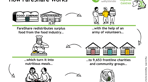
At FareShare, we stop good food from going to waste and give it to people who need it in our local community. Our Volunteer Drivers deliver food to our Community Food Members which is vital to ensuring the donated food we receive gets to the right people, instead of going to landfill.
What will I be doing?
-
Safely driving vans to deliver and collect food
-
Loading and unloading food orders, planning routes and completing paperwork
-
Responsibly driving the van, cleaning the van, reporting any issues or accidents
-
Representing FareShare in a courteous and professional manner and, where necessary, you will be accompanied by a Volunteer Driver’s Assistant.
Why volunteer as a Driver with FareShare?
-
Gain skills such as route planning, manual handling, organisation, teamwork and communication skills
-
Meet new people, be part of a team and socialise with other volunteers and Community Food Members
-
Be physically active, keep fit and help vulnerable people in your community.
Requirements for the role:
-
Hold a full driving licence with no or low points
-
Be over 21 with minimum 3 years driving experience
-
Have the confidence to drive a medium-sized van (training/support will be offered where needed)
-
Be able to perform physical manual handling tasks safely including loading/unloading food from the van
-
Have the ability to complete paperwork and follow directions via Sat Nav system/map
-
Be adaptable and flexible. Managing surplus food is unpredictable and tasks can vary
-
Be positive, friendly and personable
-
Be able to work well in a team and on your own
-
Follow health and safety policies & procedures
We are committed to embracing diversity and promoting equality and inclusion. As part of your application, please let us know of any health conditions or access needs that might impact your volunteering with us.


The client requests no contact from agencies or media sales.
Thank you!
Actively Interviewing
This organisation is scheduling interviews as applications come in. They're ready to hire as soon as they find the right person. Don't miss your opportunity, apply now!
Would you like to support people who have served in the Armed Forces? You don’t need a military background, just the ability to listen, some basic I.T skills and good written and spoken English. If so, this could be the role for you.
Our Branch provides lifelong support to anyone who has ever served, in the British Army, Royal Navy and Royal Air Force and their dependants. We also give support to those who has been in the Merchant Navy, Seafarers, Fishermen and their dependants, and British Airways staff past and present. Our main role is seeking welfare benevolent grants on behalf of clients who reside in the 26 counties in the Republic of Ireland. They can arrange anything from household goods, funeral costs, mobility aids or other general needs. Legal fees are not considered. We would advise clients to seek state and local benefits by signposting them to the relevant agencies.
What is a caseworker?
Caseworkers visit clients to work out what type of help they need, this might be funds for special equipment for someone with a disability, adaptions to a property so an older client can remain at home or funds for a rental deposit. Caseworkers also sign-post clients onto specialist local services for advice on benefits, housing, mental health, debt, finding work etc.
Why do we need you?
Volunteer Caseworkers are the lifeblood of SSAFA, supporting a growing number of people in need of financial, practical and emotional support. Clients come from all backgrounds and age groups and may have served in WW2 or in a more recent conflict like Iraq or Afghanistan. Our trained volunteers listen without judgement to assess and provide tailored support to help people navigate life in and beyond military service. We need you to join your local SSAFA team to help us achieve this.
When would you be needed and where would you be based?
The essential part of the role is visiting clients, so you will need access to a vehicle or another way to travel to meet clients at home or in a care home setting. Our volunteers are based at home with a yearly AGM invite.
What does this role involve?
• Contacting clients and arranging to meet them at a mutually convenient time
• Meeting clients and completing a form to assess their circumstances
• Sign-posting clients onto local services providing specialist advice
• Keeping in touch with your branch so they know your availability
• Keeping up to date with training and SSAFA news so that you are best able to support clients
• Being a positive ambassador for SSAFA remembering that anyone you meet could be a potential client, volunteer or fundraiser
• Volunteering within the standards and values of SSAFA including observing our policies such as the
Volunteering policy and data protection policy (these will be covered in your training and local induction.)
What can you gain from this volunteering role?
• Support people in your community with a military background and their dependents
• Use your skills, knowledge and life experience to benefit others
• Support from your local SSAFA branch and the wider SSAFA community
• Experience, training and skills that you can highlight on your CV and in job interviews
• Better physical and mental health – studies show that volunteers live longer and experience lower levels of stress and depression!
What training and support will you receive?
• On-line or face to face instructor led training and e-learning modules, to prepare you for your voluntary role.
• Access to a range additional e-learning courses as well as local opportunities for your personal and professional development.
• Local induction including assigning a person from the team who will be your main point of contact. •
• Range of support from central and regional volunteer operations team.
• Reimbursement of out-of-pocket expenses
What skills or experience do you need?
• Good listening and communication skills including written and spoken English
• Respectful and non-judgemental with clients, their family, other agencies and SSAFA colleagues
• Willingness and ability to learn basic digital skills. Ability to send and receive emails – you will receive your own SSAFA email address which you will be required to use when exercising your role
• Ability to make enquires on behalf of clients by phone, email, letter or by filling in forms
• If required, willingness to use our on-line case management system (this is covered in the caseworker training course)
• Ability to keep within boundaries of the role with regards to friendship or giving advice
• Reliable attitude, contact clients promptly, keep appointments, update the branch regarding your availability
• Access to public transport or a car to travel to appointments with clients
• Friendly and approachable with some experience of coordinating people and admin
• Practice confidentiality and data protection in line with SSAFA policies.
We welcome volunteers of all backgrounds, abilities, races, sexual orientations, socio-economic backgrounds, and of all faiths and none. SSAFA are committed to making reasonable adjustments to support volunteers with disabilities, so they have access to the same opportunities and experiences as volunteers who do not.
Minimum Age: 18
Safer Recruitment: SSAFA undertakes a systematic approach and utmost care at every step of the process of volunteer recruitment, selection, and retention to ensure that those recruited are suitable and appropriate. Measures taken at points along this journey work together to make volunteering at SSAFA a positive and safe experience
References Required: Yes. We will ask for two references, this can be former employers or people that know you well (other than relatives)
Is a criminal record check required? Yes, Garda Vetting, this is provided by SSAFA at no cost to the potential volunteer.
Registered Charity
101 - 500
Our vision A society in which the Armed Forces, veterans and their families can thrive.
The client requests no contact from agencies or media sales.
Thank you!
Actively Interviewing
This organisation is scheduling interviews as applications come in. They're ready to hire as soon as they find the right person. Don't miss your opportunity, apply now!
Could you lead the local SSAFA services in your area? You don’t need a military background for this role, but you should be empathic to the needs of the armed forces community, have some experience of managing people and possess good I.T. skills. If this sounds like you, we’d love to hear from you.
What is a Branch Chair?
There are SSAFA branches throughout the UK and overseas. Many are further divided into local areas called divisions. Each branch has a Chair to oversee all aspects of the branch. Ultimately accountable to the Chair of the Board of Trustees, through the National Chairman your role is to ensure that the branch is running in line with SSAFA’s Royal Charter Rules, Regulations, and policies. Also, to ensure that clients and volunteers are safe, all services provided are appropriate and effective and that the branch is financially sound. You will be the public face of SSAFA in your branch area.
Why do we need you?
We’ve been supporting the Armed Forces community since 1885. Our clients come from all backgrounds and age groups and may have served in WW2 or in a more recent conflict like the Falklands or Afghanistan. More people than ever are contacting SSAFA for financial, practical and emotional support. To do this we need local branches and volunteers who can coordinate people, ensure the local population know about SSAFA and keep things running smoothly behind the scenes.
Our branches support local volunteers to deliver services to veterans, serving personnel and their families. Some branches are divided into smaller divisions to ensure the best local service delivery. Each branch has a team of volunteer caseworkers, support volunteers, executive roles, and fundraisers.
When would you be needed and where would you be based?
This role is about leadership, coordination, and administration. As part of your local branch, you might have access to an office, but many volunteers are based at home. The role requires an ongoing time commitment, usually about 2-3 days per month. In addition, you would need to organise and attend regular meetings throughout the year.
What would you be doing?
- Providing leadership to the Branch and ensuring that all activities comply with SSAFA regulations both directly, and through the Branch Secretary, other Branch Officers, and Divisional Officers.
- Providing support and guidance to volunteers in office holder roles, and support with recruitment of volunteers into these positions to ensure the sustainability of the branch.
- Ensuring the financial integrity of the Branch, including the appointment of Treasurers and a local fundraising programme to meet branch running costs.
- Ensuring that all data is processed and held in accordance with SSAFA’s data management policies.
- Monitoring volunteer numbers against the demand for support and working with other volunteers, regional and central office staff to attract and recruit new volunteers as required.
- Ensuring that all volunteers are recruited, inducted, supported, and managed in line with SSAFA policies, such as the Volunteering Policy, Volunteer Code of Conduct, Data Protection Policy, and Safeguarding Policy.
- Building relationships with regional and central office staff, local voluntary organisations and, if applicable, SSAFA Service committees, local military establishments, prisons etc.
- Overseeing an appropriate programme of awareness raising so that potential clients, volunteers, and supporters know how to contact the branch.
- Providing timely reports and information to SSAFA’s Central Office
- Overseeing a programme of meetings including an AGM, branch meetings, committee meetings, training etc.
- Supporting any salaried branch staff and ensuring that their line management arrangements are working appropriately.
- Resolve any complaints that are suitable for local resolution in accordance with SSAFA’s Complaints Policy and procedures, referring upwards any that are not suitable for local resolution.
The remit of this role may change over the next 12-18 months depending on the outcome of a trial currently being undertaken.
What could you gain from this volunteering role?
- Gain experience of holding a key local role with oversight of all SSAFA activity in the local area
- Use your skills, knowledge, and life experience to benefit others.
- Support from your local SSAFA branch and the wider SSAFA community
- Experience, training, and skills that you can highlight on your CV and in job interviews.
- Better physical and mental health – studies show that volunteers live longer and experience lower levels of stress and depression!
What training and support would you receive?
- Role specific training to prepare you for your voluntary role – caseworker training, caseworker IT system training, volunteer management – attracting, recruiting, and inducting volunteers.
- Mandatory on-line training modules to complete at home, so you are up to date on how to keep clients, their families safe and personal information safe.
- Local orientation as well as meet and greet sessions with key Central Office and regional teams.
- Access to a range additional e-learning courses as well as local opportunities for your personal and professional development.
- Support from Regional and central staff and peer support from fellow Chairs in neighbouring branches.
- Reimbursement of out-of-pocket expenses
- Volunteers will be covered by SSAFAs Public Liability Insurance whilst carrying out the role.
What are we looking for?
- Friendly and approachable people of any age (18+) with some experience of coordinating people and admin
- Willingness and ability to lead and manage a team of volunteers.
- Respectful and non-judgemental approach with beneficiaries, their family, other agencies and SSAFA colleagues
- Willingness and ability to learn basic digital skills. Ability to send and receive emails – you will receive your own SSAFA email address which you will be required to use when exercising your role.
- Willingness to use our on-line case management system (this is covered in the training course)
- Ability to understand and keep within the boundaries of the role for which training will be given.
- Reliability
- Practice confidentiality and data protection in line with SSAFA policies.
- Willingness and means to travel to meetings or events as required.
- Good written and spoken English.
We welcome volunteers of all backgrounds, abilities, races, sexual orientations, socio-economic backgrounds, and of all faiths and none. SSAFA are committed to making reasonable adjustments to support volunteers with disabilities, so they have access to the same opportunities and experiences as volunteers who do not.
Minimum Age: 18
Safer Recruitment: SSAFA undertakes a systematic approach and utmost care at every step of the process of volunteer recruitment, selection, and retention to ensure that those recruited are suitable and appropriate. Measures taken at points along this journey work together to make volunteering at SSAFA a positive and safe experience.
References Required: Yes. We will ask for two character references, this can be a former employer or someone that know you well (other than a relative)
Is a criminal record check required? No
Registered Charity
101 - 500
Our vision A society in which the Armed Forces, veterans and their families can thrive.
The client requests no contact from agencies or media sales.
Thank you!
Actively Interviewing
This organisation is scheduling interviews as applications come in. They're ready to hire as soon as they find the right person. Don't miss your opportunity, apply now!
Here’s 5 reasons you’ll love to volunteer in our shops:
- It's fun
- It's flexible
- You'll learn and share skills
- You'll be making a difference
- You'll work with a great team
We’re passionate about what we do, and love giving second-hand clothing a chance of going to a good home. Our shop teams are key to raising vital funds for our work and act as incredible advocates for the rights of children both in the UK and around the world.
Please note that this is a voluntary, unpaid role, based in the UK. We are unfortunately not able to provide support with visa requests. Candidates must be over 18.
Weekend Opportunity!
We’re looking for people to join our weekend teams and we can offer flexibility. We have volunteers who support for a couple of hours a week and some do more. Many people volunteer either a morning or an afternoon each week -this is something that will be discussed at the selection stage, after you’ve applied.
Volunteering in the shop
Mary's Living & Giving for Save the Children is unique - a vibrant result of the generous gifts of local individuals and companies being turned around by the skills and passions of volunteer teams, to create a destination retail experience. Selling womenswear, menswear, shoes, and bags to household goods, our shops can be found in the London villages and bring in vital funds for Save the Children.
Our Richmond Shop Volunteers are in the middle of it all, and there’s plenty to get involved with. You might be sorting and pricing stock, engaging with customers, ringing items through the till, creating fantastic window displays or keeping our shop floor looking organised.
It’s up to you how much you commit. We have volunteers who support for a couple of hours a week and some do more. Many people volunteer either a morning or an afternoon each week - this is something that will be discussed at the selection stage, after you’ve applied.
Why volunteer with Save the Children?
In over 110 countries, we support children to transform their lives. By providing live-saving short-term help, and pushing for deep-rooted social change, we help children take, their future into their own hands. We believe every child has the right to learn. Every child should have good food to fuel their bodies and every child should have medicine when they're sick.
Skills and experiences we seek
We welcome applications from people with a wide range of skills and experiences. You don’t need any retail or shop experience as full training will be provided. What’s important to us is that you are a team player, open to learning and to follow our policies as well as be an excellent representative for Save the Children.
We know that our shop teams are stronger when they are inclusive and representative of their communities. Everybody can make a real difference. People come to us for all sorts of reasons, from all backgrounds, and we will do what we can to find a role that works for you.
What happens next?
After you’ve filled in an application, we will invite you for an informal trial shift. It’s a great opportunity to visit the shop, meet some of our existing volunteers and have a go at some of the tasks that you would be supporting with as a shop volunteer. Hopefully allowing you to get a feel for the role and make sure it’s for you. We also ask for a couple of references (these don’t have to be formal workplace ones, just someone who has known you for over 6 months and isn’t related).
How to apply
Express your interest on email via the apply button.
Please note that this is a voluntary, unpaid role, based in the UK. We are unfortunately not able to provide support with visa requests
The client requests no contact from agencies or media sales.