
Volunteers volunteer roles in leer, unity
Using Anonymous Recruitment
This organisation is using Anonymous Recruitment to reduce bias in the first stages of the hiring process. Submit your application as normal and our system will anonymise it for you. Your personal information will be hidden until the recruiter contacts you.
Actively Interviewing
This organisation is scheduling interviews as applications come in. They're ready to hire as soon as they find the right person. Don't miss your opportunity, apply now!
As a volunteer, you will meet a wide variety of people with unique backgrounds and personal stories to share. You will discover new talents and skills you didn’t even know you had. Most importantly, you will build lasting connections and make new friends who share your passion for helping others!
Volunteers help in many ways, from making drinks and providing much-needed one-to-one attention for clients, to supporting outings, maintaining our building, assisting carer groups, and running fundraising events or campaigns. Each volunteer’s contribution plays a crucial role in supporting our work.
You will join the Headway Black Country team and work alongside dedicated individuals who make a real difference in the lives of those we serve.
We prefer volunteers to commit for at least six months, with a minimum of one half-day per week. This ensures you can make a meaningful and lasting impact while fitting the role into your schedule.

 Registered Charity
 21 - 50
Our mission is to empower brain injury survivors through tailored support services, advocacy, and awareness initiatives.
The client requests no contact from agencies or media sales.

Thank you!
Actively Interviewing
This organisation is scheduling interviews as applications come in. They're ready to hire as soon as they find the right person. Don't miss your opportunity, apply now!
Would you like to support people who have served in the Armed Forces? You just need the ability to listen, strong IT skills and good written and spoken English. If you think this could be the role for you, we’d love to hear from you.
What is a Caseworker?
Caseworkers visit clients to work out what type of support they need. You will listen without judgement to assess and provide tailored support to help those serving, who have served and their families to navigate life in and beyond military service. Some examples of support are securing funding for special equipment for someone with a disability, adaptions to a property so an older client can remain at home or funds for a rental deposit. Caseworkers also sign-post clients onto specialist local services for advice on benefits, housing, mental health, debt, finding work etc.
Why do we need you?
We’ve been supporting the Armed Forces community since 1885. Our clients come from all backgrounds and age groups and may have served in WW2 or in a more recent conflict like the Falklands or Afghanistan. We’d love the general public to understand what we do and how they can help us.
There are SSAFA branches throughout the UK and overseas who support local volunteers to deliver services to veterans, serving personnel and their families. Some branches are divided into smaller divisions to ensure the best local service delivery. Each branch has a team of volunteer caseworkers, support volunteers, executive roles, and fundraisers.
Volunteer Caseworkers are the lifeblood of SSAFA, supporting a growing number of people in need of financial, practical, and emotional support. Clients come from all backgrounds and age groups and may have served in WW2 or in a more recent conflict like Iraq or Afghanistan.
When would you be needed and where would you be based?
The essential part of the role is visiting clients, so you will need access to a vehicle or another way to travel to meet clients at home or in a care home setting. As part of your local branch, you might have access to an office, but you can complete the administration part of the role from home as long as you have access to IT equipment and the internet.
What would you be doing?
- Contacting beneficiaries and arranging to meet them at a mutually convenient time.
- Meeting beneficiaries and completing a form to assess their circumstances, using good communication skills, empathy and understanding.
- Sign-posting clients onto local services providing specialist advice.
- Applying for funding on the behalf of the beneficiary through a specific process and system
- Arranging for the purchase of goods and services
- Keeping the beneficiary informed of their case progress.
- Liaise with the branch and regional office, regarding your availability.
- Keeping up to date with training and SSAFA news so that you are best able to support clients.
- Being a positive ambassador for SSAFA remembering that anyone you meet could be a potential client, volunteer, or fundraiser.
- Volunteering within the standards and values of SSAFA
- Adhering to SSAFAs policies and procedures at all times, including safeguarding, volunteering policy, equality, diversity and inclusion, health and safety, data protection and confidentiality.
What can you gain from this volunteering role?
- Use your skills, knowledge, and life experience to benefit others.
- Support from your local SSAFA branch and the wider SSAFA community
- Experience, training, and skills that you can highlight on your CV and in job interviews.
- Better physical and mental health – studies show that volunteers live longer and experience lower levels of stress and depression!
What training and support would you receive?
- Role specific training to prepare you for your voluntary role – confidentiality and boundaries, personal safety, caseworker training, and caseworker IT system training. The caseworker training takes 3 days and a further half a day for the other training.
- Mandatory on-line training modules to complete at home, so you are up to date on how to keep clients, their families safe and personal information safe.
- Access to a range additional e-learning courses as well as local opportunities for your personal and professional development.
- Local induction including assigning a person from the team who will be your main point of contact.
- Regular opportunities to meet and share best practice with other caseworkers.
- Range of support from central and regional volunteer operations team.
- Reimbursement of out-of-pocket expenses
- Volunteers will be covered by SSAFAs Public Liability Insurance whilst carrying out the role.
What are we looking for?
- Friendly and approachable with good listening skills, patience, and a positive attitude.
- Good communication skills both written and verbally.
- Respectful and non-judgemental approach with beneficiaries, their family, other agencies and SSAFA colleagues
- Willingness and ability to use IT systems for initial and on-going training and to enter cases on the Casework Management System. Willingness and ability to send and receive emails – you will receive your own SSAFA email address which you will be required to use when exercising your role.
- Ability to make enquires on behalf of beneficiaries by phone, email, letter or by filling in forms.
- Ability to keep within boundaries of the role with regards to friendship or giving advice
- Reliable, prompt and trustworthy.
- Access to public transport or a car to travel to appointments with clients.
We welcome volunteers of all backgrounds, abilities, races, sexual orientations, socio-economic backgrounds, and of all faiths and none. SSAFA are committed to making reasonable adjustments to support volunteers with disabilities, so they have access to the same opportunities and experiences as volunteers who do not.
Minimum Age: 18
Safer Recruitment: SSAFA undertakes a systematic approach and utmost care at every step of the process of volunteer recruitment, selection, and retention to ensure that those recruited are suitable and appropriate. Measures taken at points along this journey work together to make volunteering at SSAFA a positive and safe experience.
References Required: Yes. We will ask for two character references, this can be a former employer or someone that know you well (other than a relative)
Is a criminal record check required? Yes, this is provided by SSAFA at no cost to the potential volunteer. This role requires an enhanced check (including checks against the children and adults barred list)
*A disclosure certificate that contains convictions, cautions, warnings, reprimands, or other information may not automatically mean that you are not able to volunteer. All certificates will be reviewed on a case-by-case basis and, where possible, a modified or alternative role will be offered.
 Registered Charity
101 - 500
Registered Charity
101 - 500
Our vision A society in which the Armed Forces, veterans and their families can thrive.


The client requests no contact from agencies or media sales.
Thank you!
Actively Interviewing
This organisation is scheduling interviews as applications come in. They're ready to hire as soon as they find the right person. Don't miss your opportunity, apply now!
Would you like to support people who have served in the Armed Forces? You just need the ability to listen, strong IT skills and good written and spoken English. If you think this could be the role for you, we’d love to hear from you.
What is a Caseworker?
Caseworkers visit clients to work out what type of support they need. You will listen without judgement to assess and provide tailored support to help those serving, who have served and their families to navigate life in and beyond military service. Some examples of support are securing funding for special equipment for someone with a disability, adaptions to a property so an older client can remain at home or funds for a rental deposit. Caseworkers also sign-post clients onto specialist local services for advice on benefits, housing, mental health, debt, finding work etc.
Why do we need you?
We’ve been supporting the Armed Forces community since 1885. Our clients come from all backgrounds and age groups and may have served in WW2 or in a more recent conflict like the Falklands or Afghanistan. We’d love the general public to understand what we do and how they can help us.
There are SSAFA branches throughout the UK and overseas who support local volunteers to deliver services to veterans, serving personnel and their families. Some branches are divided into smaller divisions to ensure the best local service delivery. Each branch has a team of volunteer caseworkers, support volunteers, executive roles, and fundraisers.
Volunteer Caseworkers are the lifeblood of SSAFA, supporting a growing number of people in need of financial, practical, and emotional support. Clients come from all backgrounds and age groups and may have served in WW2 or in a more recent conflict like Iraq or Afghanistan.
When would you be needed and where would you be based?
The essential part of the role is visiting clients, so you will need access to a vehicle or another way to travel to meet clients at home or in a care home setting. As part of your local branch, you might have access to an office, but you can complete the administration part of the role from home as long as you have access to IT equipment and the internet.
What would you be doing?
- Contacting beneficiaries and arranging to meet them at a mutually convenient time.
- Meeting beneficiaries and completing a form to assess their circumstances, using good communication skills, empathy and understanding.
- Sign-posting clients onto local services providing specialist advice.
- Applying for funding on the behalf of the beneficiary through a specific process and system
- Arranging for the purchase of goods and services
- Keeping the beneficiary informed of their case progress.
- Liaise with the branch and regional office, regarding your availability.
- Keeping up to date with training and SSAFA news so that you are best able to support clients.
- Being a positive ambassador for SSAFA remembering that anyone you meet could be a potential client, volunteer, or fundraiser.
- Volunteering within the standards and values of SSAFA
- Adhering to SSAFAs policies and procedures at all times, including safeguarding, volunteering policy, equality, diversity and inclusion, health and safety, data protection and confidentiality.
What can you gain from this volunteering role?
- Use your skills, knowledge, and life experience to benefit others.
- Support from your local SSAFA branch and the wider SSAFA community
- Experience, training, and skills that you can highlight on your CV and in job interviews.
- Better physical and mental health – studies show that volunteers live longer and experience lower levels of stress and depression!
What training and support would you receive?
- Role specific training to prepare you for your voluntary role – confidentiality and boundaries, personal safety, caseworker training, and caseworker IT system training. The caseworker training takes 3 days and a further half a day for the other training.
- Mandatory on-line training modules to complete at home, so you are up to date on how to keep clients, their families safe and personal information safe.
- Access to a range additional e-learning courses as well as local opportunities for your personal and professional development.
- Local induction including assigning a person from the team who will be your main point of contact.
- Regular opportunities to meet and share best practice with other caseworkers.
- Range of support from central and regional volunteer operations team.
- Reimbursement of out-of-pocket expenses
- Volunteers will be covered by SSAFAs Public Liability Insurance whilst carrying out the role.
What are we looking for?
- Friendly and approachable with good listening skills, patience, and a positive attitude.
- Good communication skills both written and verbally.
- Respectful and non-judgemental approach with beneficiaries, their family, other agencies and SSAFA colleagues
- Willingness and ability to use IT systems for initial and on-going training and to enter cases on the Casework Management System. Willingness and ability to send and receive emails – you will receive your own SSAFA email address which you will be required to use when exercising your role.
- Ability to make enquires on behalf of beneficiaries by phone, email, letter or by filling in forms.
- Ability to keep within boundaries of the role with regards to friendship or giving advice
- Reliable, prompt and trustworthy.
- Access to public transport or a car to travel to appointments with clients.
We welcome volunteers of all backgrounds, abilities, races, sexual orientations, socio-economic backgrounds, and of all faiths and none. SSAFA are committed to making reasonable adjustments to support volunteers with disabilities, so they have access to the same opportunities and experiences as volunteers who do not.
Minimum Age: 18
Safer Recruitment: SSAFA undertakes a systematic approach and utmost care at every step of the process of volunteer recruitment, selection, and retention to ensure that those recruited are suitable and appropriate. Measures taken at points along this journey work together to make volunteering at SSAFA a positive and safe experience.
References Required: Yes. We will ask for two character references, this can be a former employer or someone that know you well (other than a relative)
Is a criminal record check required? Yes, this is provided by SSAFA at no cost to the potential volunteer. This role requires an enhanced check (including checks against the children and adults barred list)
*A disclosure certificate that contains convictions, cautions, warnings, reprimands, or other information may not automatically mean that you are not able to volunteer. All certificates will be reviewed on a case-by-case basis and, where possible, a modified or alternative role will be offered.
Registered Charity
101 - 500
Our vision A society in which the Armed Forces, veterans and their families can thrive.
The client requests no contact from agencies or media sales.
Thank you!
Actively Interviewing
This organisation is scheduling interviews as applications come in. They're ready to hire as soon as they find the right person. Don't miss your opportunity, apply now!
We are looking for kitchen assistants to help us prepare a warm meal for the children that attend our sessions after school or during the school holidays.
Kitchen assistants prepare the meal depending on the ingredients donated to us and based on their confidence level. We want to make sure volunteers feel confident in what they are cooking. Often dishes are: jacket potatoes, pasta bakes, currys, stir fryes.
During term time we tend to have 1-2 volunteers in the kitchen and holidays 3-4, as more children attend the sessions during the holidays.
Expect to feel the community energy when you enter the space, with children attending regualrly and their parients having attended when they were younger. Team feel, with the other volunteers working togther to make the meal.
The Vench is a specail place and you will feel that and hopefully enjoy volunteering here.
Call or emails us to express your interest or any questions you may have.
 Registered Charity
11 - 20
Registered Charity
11 - 20
All children and young people in Lockleaze live happy and healthy lives.





The client requests no contact from agencies or media sales.
Thank you!
Actively Interviewing
This organisation is scheduling interviews as applications come in. They're ready to hire as soon as they find the right person. Don't miss your opportunity, apply now!
Oxfam Volunteers – Headingly, Leeds
Oxfam GB
Job details
Job type
• Volunteer
Shift and schedule
• 4 - 8-hour shift – we are very flexible
• Location: 45 – 47 Otley Road, Headingly Leeds Full job description
Oxfam's Headingly Shop is looking for Shop Volunteers to help Oxfam’s fight to support the world’s most vulnerable communities.
We’re looking for volunteers who can give 4-8 hours (or more!) of their time in the shop each week, and we’re excited to welcome brand new volunteers to our stores!
Right now, we're looking for people to help in the shop in our stock room and with our ecommerce/online department!
Location:
Become a volunteer!
We like to give volunteers an opportunity to try a range of areas before they find something that suits them. You might become a Retail Volunteer, Till Volunteer, Stock Volunteer. Or you might find yourself in a more specialist role such as an Ecommerce Volunteer, a Shift Lead Volunteer, or even a Stock Specialist Volunteer.
Whatever your skills or interests, there’s something for everyone…
Why be a volunteer?
Your time will make a huge difference. We estimate one four-hour shift will, on average, provide enough income to enable Oxfam to provide life-saving handwashing facilities for 81 people.
Volunteering also has a positive impact on wellbeing, with an incredible 7 in 10 volunteers saying that their charitable actions were beneficial for their mental health.
Benefits of becoming a Volunteer:
· Gain genuine experience working in a retail environment.
· Volunteering can help you learn new skills, gain experience, and develop your CV.
· Great way to meet new people & be part of a community. Volunteering can help you feel part of something outside your friends and family.
· Be part of a fantastic team and make a positive change to the world.
· Opportunity to utilise and develop your transferable skills.
Volunteering with Oxfam will give you the skills, confidence and experience you need to build your CV and boost your employability. Problem solving, communication, working with others and familiarity with the workplace are universally valued by employers.
No experience is necessary as full training, and an induction will be given. You don't need to be computer literate to join our team; there are volunteer opportunities for all. All we ask is that you’re happy to work as part of a diverse and inclusive team.
We can be flexible around parenting, caring, health, employment, education, and any other commitments you have.
Tempted? Apply now!
Oxfam covers expenses incurred in line with Oxfam’s Volunteer Expenses Policy, including local, reasonable travel expenses and lunch (for volunteering 5 hours +).’
· We take the welfare of volunteers and everyone we work with very seriously. We do not tolerate discrimination, bullying, abuse of power, or any sexual misconduct within the workplace.
· Oxfam do not accept applications from anyone on the Sex Offenders list. We may inquire about unspent convictions relevant to the role and you may be required to submit to PVG/DBS check (at no expense to you).
· *NB: due to the current capacity of some shops, it may be that you will be placed on a waiting list and/or, if you are under 18, until a shop has enough staff and/or volunteers DBS cleared. The Shop Manager will discuss this with you.
Job Type: Volunteer
Work Location: In person
 Registered Charity
More than 1000
Registered Charity
More than 1000
We are Oxfam Together we can create a more equal future, free from poverty.



The client requests no contact from agencies or media sales.
Thank you!
Actively Interviewing
This organisation is scheduling interviews as applications come in. They're ready to hire as soon as they find the right person. Don't miss your opportunity, apply now!
Could you lead the local SSAFA services in your area? You don’t need a military background for this role, but you should be empathic to the needs of the armed forces community, have some experience of managing people and possess good I.T. skills. If this sounds like you, we’d love to hear from you.
What is a Branch Chair?
There are SSAFA branches throughout the UK and overseas. Many are further divided into local areas called divisions. Each branch has a Chair to oversee all aspects of the branch. Ultimately accountable to the Chair of the Board of Trustees, through the National Chairman your role is to ensure that the branch is running in line with SSAFA’s Royal Charter Rules, Regulations, and policies. Also, to ensure that clients and volunteers are safe, all services provided are appropriate and effective and that the branch is financially sound. You will be the public face of SSAFA in your branch area.
Why do we need you?
We’ve been supporting the Armed Forces community since 1885. Our clients come from all backgrounds and age groups and may have served in WW2 or in a more recent conflict like the Falklands or Afghanistan. More people than ever are contacting SSAFA for financial, practical and emotional support. To do this we need local branches and volunteers who can coordinate people, ensure the local population know about SSAFA and keep things running smoothly behind the scenes.
Our branches support local volunteers to deliver services to veterans, serving personnel and their families. Some branches are divided into smaller divisions to ensure the best local service delivery. Each branch has a team of volunteer caseworkers, support volunteers, executive roles, and fundraisers.
When would you be needed and where would you be based?
This role is about leadership, coordination, and administration. As part of your local branch, you might have access to an office, but many volunteers are based at home. The role requires an ongoing time commitment, usually about 2-3 days per month. In addition, you would need to organise and attend regular meetings throughout the year.
What would you be doing?
- Providing leadership to the Branch and ensuring that all activities comply with SSAFA regulations both directly, and through the Branch Secretary, other Branch Officers, and Divisional Officers.
- Providing support and guidance to volunteers in office holder roles, and support with recruitment of volunteers into these positions to ensure the sustainability of the branch.
- Ensuring the financial integrity of the Branch, including the appointment of Treasurers and a local fundraising programme to meet branch running costs.
- Ensuring that all data is processed and held in accordance with SSAFA’s data management policies.
- Monitoring volunteer numbers against the demand for support and working with other volunteers, regional and central office staff to attract and recruit new volunteers as required.
- Ensuring that all volunteers are recruited, inducted, supported, and managed in line with SSAFA policies, such as the Volunteering Policy, Volunteer Code of Conduct, Data Protection Policy, and Safeguarding Policy.
- Building relationships with regional and central office staff, local voluntary organisations and, if applicable, SSAFA Service committees, local military establishments, prisons etc.
- Overseeing an appropriate programme of awareness raising so that potential clients, volunteers, and supporters know how to contact the branch.
- Providing timely reports and information to SSAFA’s Central Office
- Overseeing a programme of meetings including an AGM, branch meetings, committee meetings, training etc.
- Supporting any salaried branch staff and ensuring that their line management arrangements are working appropriately.
- Resolve any complaints that are suitable for local resolution in accordance with SSAFA’s Complaints Policy and procedures, referring upwards any that are not suitable for local resolution.
The remit of this role may change over the next 12-18 months depending on the outcome of a trial currently being undertaken.
What could you gain from this volunteering role?
- Gain experience of holding a key local role with oversight of all SSAFA activity in the local area
- Use your skills, knowledge, and life experience to benefit others.
- Support from your local SSAFA branch and the wider SSAFA community
- Experience, training, and skills that you can highlight on your CV and in job interviews.
- Better physical and mental health – studies show that volunteers live longer and experience lower levels of stress and depression!
What training and support would you receive?
- Role specific training to prepare you for your voluntary role – caseworker training, caseworker IT system training, volunteer management – attracting, recruiting, and inducting volunteers.
- Mandatory on-line training modules to complete at home, so you are up to date on how to keep clients, their families safe and personal information safe.
- Local orientation as well as meet and greet sessions with key Central Office and regional teams.
- Access to a range additional e-learning courses as well as local opportunities for your personal and professional development.
- Support from Regional and central staff and peer support from fellow Chairs in neighbouring branches.
- Reimbursement of out-of-pocket expenses
- Volunteers will be covered by SSAFAs Public Liability Insurance whilst carrying out the role.
What are we looking for?
- Friendly and approachable people of any age (18+) with some experience of coordinating people and admin
- Willingness and ability to lead and manage a team of volunteers.
- Respectful and non-judgemental approach with beneficiaries, their family, other agencies and SSAFA colleagues
- Willingness and ability to learn basic digital skills. Ability to send and receive emails – you will receive your own SSAFA email address which you will be required to use when exercising your role.
- Willingness to use our on-line case management system (this is covered in the training course)
- Ability to understand and keep within the boundaries of the role for which training will be given.
- Reliability
- Practice confidentiality and data protection in line with SSAFA policies.
- Willingness and means to travel to meetings or events as required.
- Good written and spoken English.
We welcome volunteers of all backgrounds, abilities, races, sexual orientations, socio-economic backgrounds, and of all faiths and none. SSAFA are committed to making reasonable adjustments to support volunteers with disabilities, so they have access to the same opportunities and experiences as volunteers who do not.
Minimum Age: 18
Safer Recruitment: SSAFA undertakes a systematic approach and utmost care at every step of the process of volunteer recruitment, selection, and retention to ensure that those recruited are suitable and appropriate. Measures taken at points along this journey work together to make volunteering at SSAFA a positive and safe experience.
References Required: Yes. We will ask for two character references, this can be a former employer or someone that know you well (other than a relative)
Is a criminal record check required? No
Registered Charity
101 - 500
Our vision A society in which the Armed Forces, veterans and their families can thrive.
The client requests no contact from agencies or media sales.
Thank you!
Actively Interviewing
This organisation is scheduling interviews as applications come in. They're ready to hire as soon as they find the right person. Don't miss your opportunity, apply now!
Volunteer Fundraiser
Work Location: In Person / Remote TBC
This role is voluntary and unpaid; however, expenses can be claimed as necessary.
Adoption Matters are looking to recruit for a Volunteer Fundraiser role. This is an exciting opportunity to join and support an innovative, ‘Outstanding’ children’s charity and which is one of the largest voluntary adoption agencies in the UK.
About us
Adoption Matters is a registered children’s charity and one of the largest voluntary adoption agencies in the UK. We recruit, train, support individuals and families as adopters, offer them ongoing support, and training for as long as they need it. We also provide support to birth families and adopted adults. We are the ONLY adoption service in the North West rated ‘Outstanding’ by Ofsted for the last five consecutive inspections. In 2024, the Adoption Matters family grew as we launched our not-for profit fostering agency Foster Care Matters.
About the role
Are you the right person for the role?
The Fundraising Volunteer will undertake a wide range of fundraising activities and events supporting collections throughout the year as and when mutually agreed, including:
· Fundraising support at the annual Garden Party picnic event
· Support at community events – fun runs, sponsor events
· Promotion of our charity lottery
· Possible involvement with arrangements of/attendance at large events, egg. golf days, charity dinners
· Liaising with Volunteer Co-ordinator and Fundraising and Relationship Manager about events
· Sharing ideas about fundraising activities
Are you able to demonstrate the following abilities and knowledge?
· Excellent organisational skills and attention to detail.
· Good listening and communication skills
· You need to be a great people person, friendly and approachable.
· Excellent telephone manner and written communication skills.
· An ability to work as part of a team.
· Creative and forward thinking.
· Computer literacy.
· Ability to use on own initiative and as part of a small team.
· Passion and enthusiasm
This is a rewarding and enjoyable role. You will be working with the charities appointed Volunteer Coordinator, and Fundraising and Relationship Manager. This role will also provide you with the opportunity to gain experience in doing volunteering work with people of all ages and to learn new skills, as well as develop existing ones.
What we offer in return
· Introduce you to how the organisation works and your role in it and to provide appropriate training and support for your agreed role
· Provide regular meetings with a staff contact so that you can tell us how you are getting on and get feedback from us.
· Respect your skills and experience and try to match them with the right role for you wherever possible.
· Do our best to meet your individual wishes.
· Reimburse you for agreed and reasonable expenses incurred in accordance with the expenses policy.
· Make necessary arrangements to ensure your health, safety and welfare.
· Offer equal opportunities to everyone who wants to volunteer.
· Provide access to trained members of staff to support, guide and advise you.
Equality, Diversity and Inclusion Statement
Our values are honesty, fairness, inclusivity, flexibility, ethically based, and celebrating difference. We encourage applications from all areas of the community. We believe that our organisation should reflect and represent the full richness of human diversity in terms of background, identity, ability and circumstance. As groups of people currently under- represented as Adoption Matters volunteers, we are particularly keen to receive your application if you are Black, Asian or minority ethnic, have a disability or have personal experience of the care system and/or adoption. We will be measuring our success in redressing this.
We are open to discussion of any adjustments or any flexible arrangements you may need to achieve your full potential at any stage of the process, and if you are successful in gaining a volunteer position with us, during volunteering. We promise the only thing we assess within your application is how you have demonstrated your suitability for the job, and nothing else.
What’s next? It’s easy! Follow the weblink to apply direct on the Adoption Matters website! We can’t wait to hear from you!
Adoption Matters is committed to safeguarding and promoting the welfare of children and young people therefore please note our recruitment procedure includes DBS checks and other relevant employment checks, including the right to work in the UK.
Please note that we only contact candidates selected for interview and we are unable to provide feedback on individual applications.

The client requests no contact from agencies or media sales.
Thank you!
Actively Interviewing
This organisation is scheduling interviews as applications come in. They're ready to hire as soon as they find the right person. Don't miss your opportunity, apply now!
Here’s 5 reasons you’ll love to volunteer in our shops:
1. It's fun
2. It's flexible
3. You'll learn and share skills
4. You'll be making a difference
5. You'll work with a great team
We’re passionate about what we do, and love giving second-hand clothing a chance of going to a good home. Our shop teams are key to raising vital funds for our work and act as incredible advocates for the rights of children both in the UK and around the world.
Please note that this is a voluntary, unpaid role, based in the UK. We are unfortunately not able to provide support with visa requests. Candidates must be over 18.
Volunteering in the shop
Our Eltham Shop Volunteers are in the middle of it all, and there’s plenty to get involved with. You might be sorting and pricing stock, engaging with customers, ringing items through the till, creating fantastic window displays or keeping our shop floor looking organised.
It’s up to you how much you commit. We have volunteers who support for a couple of hours a week and some do more. Many people volunteer either a morning or an afternoon each week - this is something that will be discussed at the selection stage, after you’ve applied.
Why volunteer with Save the Children?
In over 110 countries, we support children to transform their lives. By providing live-saving short-term help, and pushing for deep-rooted social change, we help children take, their future into their own hands. We believe every child has the right to learn. Every child should have good food to fuel their bodies and every child should have medicine when they're sick.
Skills and experiences we seek
We welcome applications from people with a wide range of skills and experiences. You don’t need any retail or shop experience as full training will be provided. What’s important to us is that you are a team player, open to learning and to follow our policies as well as be an excellent representative for Save the Children.
We know that our shop teams are stronger when they are inclusive and representative of their communities. Everybody can make a real difference. People come to us for all sorts of reasons, from all backgrounds, and we will do what we can to find a role that works for you.
What happens next?
After you’ve filled in an application, we will invite you for an informal trial shift. It’s a great opportunity to visit the shop, meet some of our existing volunteers and have a go at some of the tasks that you would be supporting with as a shop volunteer. Hopefully allowing you to get a feel for the role and make sure it’s for you. We also ask for a couple of references (these don’t have to be formal workplace ones, just someone who has known you for over 6 months and isn’t related).
How to apply
Express your interest on email via the apply button.
Please note that this is a voluntary, unpaid role, based in the UK. We are unfortunately not able to provide support with visa requests.


The client requests no contact from agencies or media sales.
Thank you!
Actively Interviewing
This organisation is scheduling interviews as applications come in. They're ready to hire as soon as they find the right person. Don't miss your opportunity, apply now!
A bit about this role
At Cats Protection we passionately believe that neutering cats before they can breed is an essential part of cat ownership, and without neutering the UK’s cat population would quickly get out of control. Our neutering volunteers help spread positive neutering messages and make it easier for owners on low incomes to get their cats neutered. They help raise awareness of the benefits of neutering, promote our neutering schemes and respond to enquiries from members of the public.
What can you expect to be doing?
- Promoting the benefits of neutering and our neutering schemes
- Responding to enquiries about neutering
- Completing relevant neutering paperwork and distributing neutering vouchers
- Following up with cat owners to make sure that vouchers are used
- Ensuring all cats and kittens are neutered in line with Cats Protection policies and procedures
 Registered Charity
501 - 1000
Registered Charity
501 - 1000
Making a better life for cats, because life is better with cats


The client requests no contact from agencies or media sales.
Thank you!
Actively Interviewing
This organisation is scheduling interviews as applications come in. They're ready to hire as soon as they find the right person. Don't miss your opportunity, apply now!
Please note: this role covers areas in Worcestershire and Herefordshire only.
A Community Advocacy Volunteer can support people in Herefordshire who are vulnerable in a variety of ways. Community Volunteer Advocates help them to make a complaint about a service or situation they are unhappy with, such as a housing or a benefits issue. This service helps people live independently by helping them deal with issues with utility providers or setting up a bank account or assisting them to access services that support with financial matters.
We are looking for people who are or have:
- Good communication and interpersonal skills
- Empathetic
- You will have, or be willing to learn, basic computer literacy skills in order to log your contact / work on our database system.
- Comfortable completing forms and applications
- Organised
Benefits of volunteering with the Advocacy Services
- Be part of a growing charity with ever expanding exciting new projects!
- You are provided with FREE training
- Reimbursed for public transport fair and/ or partial mileage costs
- Get experience in the field of mental health
- References are available from us on request
- Fulfilment in helping your local community
- Meet new and likeminded people - we hold regular volunteer catch ups to have your say and meet other volunteers
- Access to Employee Assistance programme benefits
Overview of Onside
ONSIDE is an independent charity promoting the rights and interests of people facing disadvantage. We believe that everyone is entitled to fair, equal treatment and opportunity. Our skilled staff and volunteers make a real difference to the lives of over 11,000 people a year across Worcestershire and Herefordshire.
 Registered Charity
101 - 500
Registered Charity
101 - 500
Onside is a charity stemming from a belief that everyone has the right to be a valued human being an to be treated in a just and fair way.
The client requests no contact from agencies or media sales.
Thank you!
Actively Interviewing
This organisation is scheduling interviews as applications come in. They're ready to hire as soon as they find the right person. Don't miss your opportunity, apply now!
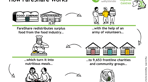
At FareShare, we stop good food from going to waste and give it to people who need it in our local community. Our Volunteer Drivers deliver food to our Community Food Members which is vital to ensuring the donated food we receive gets to the right people, instead of going to landfill.
What will I be doing?
-
Safely driving vans to deliver and collect food
-
Loading and unloading food orders, planning routes and completing paperwork
-
Responsibly driving the van, cleaning the van, reporting any issues or accidents
-
Representing FareShare in a courteous and professional manner and, where necessary, you will be accompanied by a Volunteer Driver’s Assistant.
Why volunteer as a Driver with FareShare?
-
Gain skills such as route planning, manual handling, organisation, teamwork and communication skills
-
Meet new people, be part of a team and socialise with other volunteers and Community Food Members
-
Be physically active, keep fit and help vulnerable people in your community.
Requirements for the role:
-
Hold a full driving licence with no or low points
-
Be over 21 with minimum 3 years driving experience
-
Have the confidence to drive a medium-sized van (training/support will be offered where needed)
-
Be able to perform physical manual handling tasks safely including loading/unloading food from the van
-
Have the ability to complete paperwork and follow directions via Sat Nav system/map
-
Be adaptable and flexible. Managing surplus food is unpredictable and tasks can vary
-
Be positive, friendly and personable
-
Be able to work well in a team and on your own
-
Follow health and safety policies & procedures
We are committed to embracing diversity and promoting equality and inclusion. As part of your application, please let us know of any health conditions or access needs that might impact your volunteering with us.


The client requests no contact from agencies or media sales.
Thank you!
Actively Interviewing
This organisation is scheduling interviews as applications come in. They're ready to hire as soon as they find the right person. Don't miss your opportunity, apply now!
Purpose of the Role
This volunteer role is a key part of the HFEH Mind team delivering a range of services across Hounslow. Mind The Carer! is a new service designed to support and enhance Mental Health and Wellbeing, social connections and provide a Community Network for Adults Carers, (18 years and over), across the borough of Hounslow. By providing this direct support, we aim to reduce isolation, self-neglect and loneliness and as a result, facilitate access to local services and connect them with others who understand their day-to-day experiences. The Service will offer a platform and space for the Service Users to build Social Networks, through regular activities, provide psychoeducation, information and social prescribing pathways to other services, with Service Users shaping the project's direction and available support.
Main Responsibilities
To work closely with the team and Adult Services, Service Manager, attend weekly group sessions, (lasting up to three hours), offering opportunities for socialising and mental health support. Support with the Carers Activities Calendar, a monthly activity, for both Carers and their Cared For, as planned and support the service in general. There may also be further opportunities to train as a volunteer for other Services, in the future.
Tasks
All relevant training will be provided
· Attend weekly group sessions, (lasting up to three hours), with the team
· Attend weekly Carers Activities
· Attend monthly Carers and Cared For Activities
· Support/work with the Team to build the Carers Activities Calendar
· Provide information on the Mind The Carer! Service
- Support at outreach and community events
· Register potential Clients, wanting to access Mind The Carer! Service
· Support with follow up surveys for those who have accessed the Service and obtained their feedback to improve our services
· A willingness to undertake training courses
· Uphold HFEH Mind values and behaviours
General Responsibilities
All relevant training will be provided
• Undertake any other duties commensurate with the level of the role
• Embrace diversity and share in our commitment to equality of opportunity and to eliminating discrimination
• Share our commitment to safeguarding adults and children at risk of harm
• Use the charity’s resources efficiently and effectively to ensure that our financial resources are demonstrably used for the benefit of our service users
• Ensure that information is obtained, used and stored in accordance with our Data Protection and Confidentiality policy
Type of person we are looking for:
We welcome applications from those completing studies in Psychology, Counselling/Psychotherapy and/or any Allied Health Profession with a focus on supporting those with mental health needs.
However, your attitude, motivation and commitment are just as important as your training/qualifications and/or any previous experience. We will review all applications individually and assess them on their unique merits, so do not be discouraged from applying, even if you do not meet all the criteria listed below.
We encourage applications from those with lived experience of mental health problems, as well as those from Black, Asian and minority ethnic communities.
Essential
- An interest in identifying and working with hidden and identified Carers
- Supporting those with mental health needs to access Carers services
- An appreciation of the complex factors that can precipitate, maintain and exacerbate mental health problems
- Good oral and written communication skills, (including listening skills); the ability to communicate in a patient, considered and empathetic manner
- Excellent organisational skills, with the ability to follow administrative procedures
- A team player who is willing to chip in and work reflexively, responding to the challenges that arise from working in a dynamic environment
- IT skills: able to update spreadsheets, use web-based applications, video-conferencing software and Microsoft Office applications
Desirable
- Carers experience, including with friends and family
- Experience of supporting people with mental health needs, in a voluntary, paid and/or personal capacity, (i.e. friends and family)
- Previous involvement with local community groups / networks / feedback groups
- Awareness of the cultural barriers that may exist to seeking mental health support
Time commitment and expenses:
· 10 - 12 hours per week
· 2 - 3 days per week: Mondays/Wednesdays/Fridays
-
- Please indicate your preferred volunteering day(s) on your application
· We request a minimum commitment of 3 months of volunteering after the completion of your induction
· We will provide volunteers with an induction, training and ongoing mentoring to support them in the role
HFEH Mind value equal opportunities; and are proud to foster a workforce of volunteers and employees that reflects the diverse communities we serve. We welcome applications from all suitably qualified persons from all backgrounds.
HFEH Mind are committed to creating and fostering a culture that promotes safeguarding and the welfare of all children and adults at risk. Our safer recruitment practices support this by ensuring that there is a consistent and thorough process of obtaining, collating, analysing and evaluating information from and about candidates to ensure that all persons appointed are suitable to work with children and vulnerable adults.
Post is subject to an enhanced DBS check.
 Registered Charity
101 - 500
Registered Charity
101 - 500
We’re here to make sure that everyone suffering with a mental health problem gets the help they need to recover.




The client requests no contact from agencies or media sales.
Thank you!
Actively Interviewing
This organisation is scheduling interviews as applications come in. They're ready to hire as soon as they find the right person. Don't miss your opportunity, apply now!
Our vision for volunteering
Volunteering is and always will be at the heart of Cats Protection. It is joyful and inclusive. As a charity, working in partnership, together we transform the lives of cats, people and communities.
The difference you will make to cats and people
Without the passionate and committed teams of volunteers across Cats Protection we wouldn’t be able to help the thousands of cats and kittens each year that rely on us for help. Life in a rescue environment is never ideal for any cat compared to a loving home. Our cat adoption team leaders support cat homing and as part of this they may lead a team of volunteer home visitors who collectively play an important part in matching our feline friends with their new families. Our cat adoption team leaders support their team of volunteers in all aspects of their roles, making sure our volunteers are happy, confident and supported.
You can expect us to
- Make you feel welcome, included and respected in line with our values and behaviours
- Support you in having a positive and impactful experience at Cats Protection
- Cover agreed out-of-pocket expenses in line with our Expenses Policy
- Provide you with access to learning, development and engagement opportunities
What we need from you
You’ll be:
- Acting as the main point of contact within the team for cat adoption enquiries via email/telephone and social media
- Supporting the adoption process through either homefinder questionnaires or a small team of home visitors
- Liaising closely with other volunteers to ensure information on cats being helped is correct and up to date
- Following up on any post-adoption queries
- Play an active part in the volunteer committee, being part of the team leading on cat adoption information and updates
- Collaborating with the cat welfare team leader to ensure the highest standards of cat care are applied in line with Cats Protection policy and procedures
Time expectation
The cat adoption team leader role is vital within our busy volunteer teams. Our current volunteers spend around 10 to 12 hours per week in this flexible role, which can be shared by more than one volunteer if required.
You may be just the volunteer we’ve been looking for!
We are committed to building a diverse, compassionate and inclusive organisation where everyone can be themselves and do their best. We are courageous and compassionate in our purpose of helping people see the world through cats’ eyes. Together, we can make a difference. Together, we are all for cats. Join the UK’s leading cat welfare charity and help make a better life for cats, because life is better with cats.
Registered Charity
501 - 1000
Making a better life for cats, because life is better with cats
The client requests no contact from agencies or media sales.
Thank you!
Actively Interviewing
This organisation is scheduling interviews as applications come in. They're ready to hire as soon as they find the right person. Don't miss your opportunity, apply now!
Are you passionate about singing and would like to empower others to use their voices in a choir? We are recruiting for a Choir Leader Volunteer at our Dame Gertrude Young House which supports men who have mental health needs. Choirs have shown to reduce stress levels and depression as well as creating a sense of togetherness. Your role will be to lead auditions to identify and pick out suitable choir members, provide necessary guidance and direction on tone, rhythm, pitch, tempo, and harmony as well as scheduling choir rehearsals.
Research suggests that music can stimulate the body’s natural feel-good chemicals. It can help energise our mood and provide an outlet for us to take control of our feelings. Singing is a powerful tool for bringing people together, reducing stress, and having fun.
Volunteering with Hestia will mean that you will play a key role in promoting strategies for positive wellbeing and recovery through music and singing!
What you will be doing
- Direct choir members in warm-ups prior to practices and performances
- Decide on appropriate musical pieces for the choir to perform depending on the occasion and setting and Choose individual choir members to perform solo pieces.
- Lead auditions to identify and pick out potentially suitable choir members.
- Build a structure, choir harmony, Determining voice types
- Provide necessary guidance and direction during choir rehearsals to help choir members in attaining the correct tone, rhythm, pitch, tempo, and harmony.
- Direct choir members during musical performances
- Schedule choir rehearsals
- Craft appropriate choir formations for rehearsals and performance
- Selects music to meet the needs of the performance while also taking into account the group's aptitude and abilities
The skills you need
- Patient, passionate, creative, and assertive and knowledge and experience of working with individuals that live with mental health issues
- Music Education, or related field is preferred
- Experience of directing choirs
- Can interpret various styles of music
- Bold leadership and listening capabilities
- Strong communicator
What's in it for you
- Supporting You - You will have a dedicated volunteer supervisor to support you in your role; Quarterly volunteer forums with the central Volunteering team and volunteers across Hestia; References for job applications
- Developing You - You will gain knowledge and insight into issues that impact Domestic Abuse, Modern Slavery and Mental Health; You will have access to our extensive Learning and Development Programme; 40% of our departed volunteers secured a paid role at Hestia last year!
- Valuing You - We hold annual Volunteer Awards and Celebration events; We reimburse travel expenses and up to £5 for lunch for your volunteering; We hold social events and outings for our volunteers to get together and have some fun
 Registered Charity
0
Registered Charity
0
We deliver services across London as well as campaign and advocate nationally on the issues that affect the people we work with.




Thank you!
Actively Interviewing
This organisation is scheduling interviews as applications come in. They're ready to hire as soon as they find the right person. Don't miss your opportunity, apply now!
Why we want you
As branch secretary you help coordinate a range of activities and a calendar of
events to help spread the word about SSAFA within your community. To ensure
that our Armed Forces community know that SSAFA are here to help and that
we need the public’s support to continue offering our services.
What you will be doing
· Communication with branch volunteers
· Providing timely reports and information to SSAFA’s central office
· Co-ordinating a programme of meetings including an AGM, branch meetings, committee meetings, training etc..
The skills you need
· Friendly and approachable
· Strong administration skills
· Great written and verbal communication skills
· Basic IT skills
What's in it for you
· Use your skills, knowledge, and life experience to benefit others
· Support in your role from the team at SSAFA
· Develop your experience and skills which you can highlight on your CVand in job interviews
Disclaimer
SSAFA is committed to safeguarding and promoting the welfare of all those
involved in our work and expects volunteers to share this commitment.
Registered Charity
101 - 500
Our vision A society in which the Armed Forces, veterans and their families can thrive.
The client requests no contact from agencies or media sales.