



Results include remote roles
Filter by workplace to select only on-site or hybrid roles
Actively Interviewing
This organisation is scheduling interviews as applications come in. They're ready to hire as soon as they find the right person. Don't miss your opportunity, apply now!
Would you like to support people who have served in the Armed Forces? You just need the ability to listen, strong IT skills and good written and spoken English. If you think this could be the role for you, we’d love to hear from you.
What is a Caseworker?
Caseworkers visit clients to work out what type of support they need. You will listen without judgement to assess and provide tailored support to help those serving, who have served and their families to navigate life in and beyond military service. Some examples of support are securing funding for special equipment for someone with a disability, adaptions to a property so an older client can remain at home or funds for a rental deposit. Caseworkers also sign-post clients onto specialist local services for advice on benefits, housing, mental health, debt, finding work etc.
Why do we need you?
We’ve been supporting the Armed Forces community since 1885. Our clients come from all backgrounds and age groups and may have served in WW2 or in a more recent conflict like the Falklands or Afghanistan. We’d love the general public to understand what we do and how they can help us.
There are SSAFA branches throughout the UK and overseas who support local volunteers to deliver services to veterans, serving personnel and their families. Some branches are divided into smaller divisions to ensure the best local service delivery. Each branch has a team of volunteer caseworkers, support volunteers, executive roles, and fundraisers.
Volunteer Caseworkers are the lifeblood of SSAFA, supporting a growing number of people in need of financial, practical, and emotional support. Clients come from all backgrounds and age groups and may have served in WW2 or in a more recent conflict like Iraq or Afghanistan.
When would you be needed and where would you be based?
The essential part of the role is visiting clients, so you will need access to a vehicle or another way to travel to meet clients at home or in a care home setting. As part of your local branch, you might have access to an office, but you can complete the administration part of the role from home as long as you have access to IT equipment and the internet.
What would you be doing?
What can you gain from this volunteering role?
What training and support would you receive?
What are we looking for?
We welcome volunteers of all backgrounds, abilities, races, sexual orientations, socio-economic backgrounds, and of all faiths and none. SSAFA are committed to making reasonable adjustments to support volunteers with disabilities, so they have access to the same opportunities and experiences as volunteers who do not.
Minimum Age: 18
Safer Recruitment: SSAFA undertakes a systematic approach and utmost care at every step of the process of volunteer recruitment, selection, and retention to ensure that those recruited are suitable and appropriate. Measures taken at points along this journey work together to make volunteering at SSAFA a positive and safe experience.
References Required: Yes. We will ask for two character references, this can be a former employer or someone that know you well (other than a relative)
Is a criminal record check required? Yes, this is provided by SSAFA at no cost to the potential volunteer. This role requires an enhanced check (including checks against the children and adults barred list)
*A disclosure certificate that contains convictions, cautions, warnings, reprimands, or other information may not automatically mean that you are not able to volunteer. All certificates will be reviewed on a case-by-case basis and, where possible, a modified or alternative role will be offered.

 Registered Charity
 101 - 500
Our vision A society in which the Armed Forces, veterans and their families can thrive.


The client requests no contact from agencies or media sales.

Actively Interviewing
This organisation is scheduling interviews as applications come in. They're ready to hire as soon as they find the right person. Don't miss your opportunity, apply now!
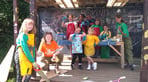
We are looking for kitchen assistants to help us prepare a warm meal for the children that attend our sessions after school or during the school holidays.
Kitchen assistants prepare the meal depending on the ingredients donated to us and based on their confidence level. We want to make sure volunteers feel confident in what they are cooking. Often dishes are: jacket potatoes, pasta bakes, currys, stir fryes.
During term time we tend to have 1-2 volunteers in the kitchen and holidays 3-4, as more children attend the sessions during the holidays.
Expect to feel the community energy when you enter the space, with children attending regualrly and their parients having attended when they were younger. Team feel, with the other volunteers working togther to make the meal.
The Vench is a specail place and you will feel that and hopefully enjoy volunteering here.
Call or emails us to express your interest or any questions you may have.
 Registered Charity
11 - 20
Registered Charity
11 - 20
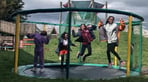
All children and young people in Lockleaze live happy and healthy lives.



The client requests no contact from agencies or media sales.
Actively Interviewing
This organisation is scheduling interviews as applications come in. They're ready to hire as soon as they find the right person. Don't miss your opportunity, apply now!
Would you like to support people who have served in the Armed Forces? You just need the ability to listen, strong IT skills and good written and spoken English. If you think this could be the role for you, we’d love to hear from you.
What is a Caseworker?
Caseworkers visit clients to work out what type of support they need. You will listen without judgement to assess and provide tailored support to help those serving, who have served and their families to navigate life in and beyond military service. Some examples of support are securing funding for special equipment for someone with a disability, adaptions to a property so an older client can remain at home or funds for a rental deposit. Caseworkers also sign-post clients onto specialist local services for advice on benefits, housing, mental health, debt, finding work etc.
Why do we need you?
We’ve been supporting the Armed Forces community since 1885. Our clients come from all backgrounds and age groups and may have served in WW2 or in a more recent conflict like the Falklands or Afghanistan. We’d love the general public to understand what we do and how they can help us.
There are SSAFA branches throughout the UK and overseas who support local volunteers to deliver services to veterans, serving personnel and their families. Some branches are divided into smaller divisions to ensure the best local service delivery. Each branch has a team of volunteer caseworkers, support volunteers, executive roles, and fundraisers.
Volunteer Caseworkers are the lifeblood of SSAFA, supporting a growing number of people in need of financial, practical, and emotional support. Clients come from all backgrounds and age groups and may have served in WW2 or in a more recent conflict like Iraq or Afghanistan.
When would you be needed and where would you be based?
The essential part of the role is visiting clients, so you will need access to a vehicle or another way to travel to meet clients at home or in a care home setting. As part of your local branch, you might have access to an office, but you can complete the administration part of the role from home as long as you have access to IT equipment and the internet.
What would you be doing?
What can you gain from this volunteering role?
What training and support would you receive?
What are we looking for?
We welcome volunteers of all backgrounds, abilities, races, sexual orientations, socio-economic backgrounds, and of all faiths and none. SSAFA are committed to making reasonable adjustments to support volunteers with disabilities, so they have access to the same opportunities and experiences as volunteers who do not.
Minimum Age: 18
Safer Recruitment: SSAFA undertakes a systematic approach and utmost care at every step of the process of volunteer recruitment, selection, and retention to ensure that those recruited are suitable and appropriate. Measures taken at points along this journey work together to make volunteering at SSAFA a positive and safe experience.
References Required: Yes. We will ask for two character references, this can be a former employer or someone that know you well (other than a relative)
Is a criminal record check required? Yes, this is provided by SSAFA at no cost to the potential volunteer. This role requires an enhanced check (including checks against the children and adults barred list)
*A disclosure certificate that contains convictions, cautions, warnings, reprimands, or other information may not automatically mean that you are not able to volunteer. All certificates will be reviewed on a case-by-case basis and, where possible, a modified or alternative role will be offered.
Registered Charity
101 - 500
Our vision A society in which the Armed Forces, veterans and their families can thrive.
The client requests no contact from agencies or media sales.
Actively Interviewing
This organisation is scheduling interviews as applications come in. They're ready to hire as soon as they find the right person. Don't miss your opportunity, apply now!
About Us
Suicide Awareness Prevention UK (SAPUK) is a dedicated, non-profit Community Interest Company (CIC), established in 2016, focused on providing support to individuals dealing with suicidal thoughts and tendencies. Our goal is to guide people from distress toward hope, helping them regain the strength to live their lives to the fullest.
Our Work Environment Includes:
Job Description
SAPUK is looking for volunteers to assist with our support services, which run daily from 6am to 11pm. Volunteers will engage through our instant messaging support line, which operates via Meta and offers anonymous communication via our website. The service is managed through a free app, available for download on all smart devices.
Over the years, our dedicated team has supported countless individuals, helping them overcome feelings of distress and guiding them away from the darkness. As a volunteer, you’ll be part of a compassionate team, committed to providing life-changing support.
SAPUK offers regular training to help volunteers enhance their skills and gain invaluable experience. Volunteers will become part of a supportive, collaborative team that prioritizes mental health and the well-being of both those we serve and our volunteers.
Volunteer Requirements:
Shift Patterns Available:
Application Process:
Please note: This role may be distressing at times. Our team is incredibly supportive, and volunteers are encouraged to reach out to team members whenever necessary.
Person Specifications
If you’re passionate about mental health and want to help those in need, SAPUK is the place for you. As a volunteer, you’ll make a significant difference while joining a caring and selfless team.
Requirements:
Benefits:
Job Type:
Location:
Job Type: Volunteer
Pay: None (Voluntary)
Expected Hours: Minimum 6 hours per week
Schedule:
Licence/Certification:
Work Authorization:
This role is advertised as part of TPP's Free Giving Back Services. This volunteer advertisement copy has been supplied to TPP and applicants apply direct to the organisation. Please contact the organisation directly if you have any questions about this volunteer role.
Actively Interviewing
This organisation is scheduling interviews as applications come in. They're ready to hire as soon as they find the right person. Don't miss your opportunity, apply now!
Would you like to support people who have served in the Armed Forces? You just need the ability to listen, strong IT skills and good written and spoken English. If you think this could be the role for you, we’d love to hear from you.
What is a Caseworker?
Caseworkers visit clients to work out what type of support they need. You will listen without judgement to assess and provide tailored support to help those serving, who have served and their families to navigate life in and beyond military service. Some examples of support are securing funding for special equipment for someone with a disability, adaptions to a property so an older client can remain at home or funds for a rental deposit. Caseworkers also sign-post clients onto specialist local services for advice on benefits, housing, mental health, debt, finding work etc.
Why do we need you?
We’ve been supporting the Armed Forces community since 1885. Our clients come from all backgrounds and age groups and may have served in WW2 or in a more recent conflict like the Falklands or Afghanistan. We’d love the general public to understand what we do and how they can help us.
There are SSAFA branches throughout the UK and overseas who support local volunteers to deliver services to veterans, serving personnel and their families. Some branches are divided into smaller divisions to ensure the best local service delivery. Each branch has a team of volunteer caseworkers, support volunteers, executive roles, and fundraisers.
Volunteer Caseworkers are the lifeblood of SSAFA, supporting a growing number of people in need of financial, practical, and emotional support. Clients come from all backgrounds and age groups and may have served in WW2 or in a more recent conflict like Iraq or Afghanistan.
When would you be needed and where would you be based?
The essential part of the role is visiting clients, so you will need access to a vehicle or another way to travel to meet clients at home or in a care home setting. As part of your local branch, you might have access to an office, but you can complete the administration part of the role from home as long as you have access to IT equipment and the internet.
What would you be doing?
What can you gain from this volunteering role?
What training and support would you receive?
What are we looking for?
We welcome volunteers of all backgrounds, abilities, races, sexual orientations, socio-economic backgrounds, and of all faiths and none. SSAFA are committed to making reasonable adjustments to support volunteers with disabilities, so they have access to the same opportunities and experiences as volunteers who do not.
Minimum Age: 18
Safer Recruitment: SSAFA undertakes a systematic approach and utmost care at every step of the process of volunteer recruitment, selection, and retention to ensure that those recruited are suitable and appropriate. Measures taken at points along this journey work together to make volunteering at SSAFA a positive and safe experience.
References Required: Yes. We will ask for two character references, this can be a former employer or someone that know you well (other than a relative)
Is a criminal record check required? Yes, this is provided by SSAFA at no cost to the potential volunteer. This role requires an enhanced check (including checks against the children and adults barred list)
*A disclosure certificate that contains convictions, cautions, warnings, reprimands, or other information may not automatically mean that you are not able to volunteer. All certificates will be reviewed on a case-by-case basis and, where possible, a modified or alternative role will be offered.
Registered Charity
101 - 500
Our vision A society in which the Armed Forces, veterans and their families can thrive.
The client requests no contact from agencies or media sales.
Actively Interviewing
This organisation is scheduling interviews as applications come in. They're ready to hire as soon as they find the right person. Don't miss your opportunity, apply now!
Role Summary
Education Outreach Volunteers support the Reptile Centre by assisting with community education sessions, school visits, events, and public engagement activities. Volunteers help promote reptile welfare, conservation awareness, and responsible pet ownership. This role is ideal for people who enjoy working with the public, have an interest in animals, and want to make a positive impact in the community.
Key Responsibilities
Support Educational Sessions
Assist staff during school visits, workshops, and community outreach events.
Help set up and pack away educational materials, displays, and activity stations.
Support the delivery of interactive demonstrations (with or without live animals, depending on training).
Engage with visitors, answer basic questions, and help create a welcoming learning environment.
Animal Handling (Optional Based on Training)
Handle reptiles safely during sessions once trained and approved by senior staff.
Support welfare checks and ensure animals are comfortable during events.
Help maintain safe handling practices with the public.
Community Engagement
Represent the Reptile Centre positively at fairs, open days, fundraising events, and exhibitions.
Share information about the centre’s conservation work, rescue stories, and how people can get involved.
Encourage visitors to support fundraising campaigns and ongoing community initiatives.
Event Support
Assist with coordinating groups during onsite and offsite sessions.
Help manage queues, guide groups, and provide general visitor support.
Prepare craft materials, activity sheets, or demonstration equipment.
Practical Support
Help maintain the cleanliness and organisation of education and outreach equipment.
Support the preparation of educational resources and displays.
Assist with basic administrative tasks such as feedback collection or session records.
Skills & Qualities Needed
Essential
Friendly, reliable, and comfortable speaking with the public.
Enthusiastic about reptiles, wildlife, conservation, or animal education.
Willingness to learn and follow safety and welfare guidelines.
Good teamwork skills and a positive, helpful attitude.
Desirable
Experience working with animals, children, or in an educational setting.
Confidence handling reptiles (training will be provided).
Knowledge of reptile care, conservation, or science communication.
What We Provide
Full training in reptile handling, welfare, and safe educational practice.
Safeguarding and health & safety guidance.
Support from staff and fellow volunteers.
Opportunities to develop skills in public speaking, education, and animal care.
Experience that can support future employment or studies in animal care, conservation, or education.
Time Commitment
Flexible volunteer shifts available (weekdays, weekends, or event-based).
Volunteers can offer as much or as little time as they are comfortably able to.
Outreach events may require occasional travel with staff.
Additional Requirements
Minimum age (centre-specific, often 16+ or 18+).
Willingness to undergo basic training and follow centre policies.
Some roles may require a DBS check (depending on involvement with children).
Benefits of Volunteering
Make a meaningful contribution to reptile welfare and conservation education.
Gain confidence and skills in presenting and public engagement.
Work closely with a variety of reptiles and learn from experienced handlers.
Join a supportive team and become part of the centre’s community.
Opportunities to assist in fundraising that supports vital veterinary and rescue work.
Actively Interviewing
This organisation is scheduling interviews as applications come in. They're ready to hire as soon as they find the right person. Don't miss your opportunity, apply now!
Our Friends Ageing Better (FAB) project is looking for volunteer hosts for our FAB cafés around Bristol. In this volunteer role, you’ll be part of creating vibrant, welcoming community spaces that build relationships and connect people with activities in their local community.
At Age UK Bristol, we want to change the way we age. We aim to keep people aged 55+ well and active, encouraging Bristol to be an Age Friendly city. We do this in 3 ways - through providing practical help and supporting people’s emotional and physical wellbeing in a range of ways depending on their needs. In addition, we want to prevent people from needing our help wherever possible. We do this in our strategic work, where we aim to create the conditions for older adults to remain healthy and independent.
We are looking for FAB Cafe Host Volunteers for the following cafes
The role involves
The qualities and skills required for this role are
The client requests no contact from agencies or media sales.
Actively Interviewing
This organisation is scheduling interviews as applications come in. They're ready to hire as soon as they find the right person. Don't miss your opportunity, apply now!
Would you like to support people who have served in the Armed Forces? You just need the ability to listen, strong IT skills and good written and spoken English. If you think this could be the role for you, we’d love to hear from you.
What is a Caseworker?
Caseworkers visit clients to work out what type of support they need. You will listen without judgement to assess and provide tailored support to help those serving, who have served and their families to navigate life in and beyond military service. Some examples of support are securing funding for special equipment for someone with a disability, adaptions to a property so an older client can remain at home or funds for a rental deposit. Caseworkers also sign-post clients onto specialist local services for advice on benefits, housing, mental health, debt, finding work etc.
Why do we need you?
We’ve been supporting the Armed Forces community since 1885. Our clients come from all backgrounds and age groups and may have served in WW2 or in a more recent conflict like the Falklands or Afghanistan. We’d love the general public to understand what we do and how they can help us.
There are SSAFA branches throughout the UK and overseas who support local volunteers to deliver services to veterans, serving personnel and their families. Some branches are divided into smaller divisions to ensure the best local service delivery. Each branch has a team of volunteer caseworkers, support volunteers, executive roles, and fundraisers.
Volunteer Caseworkers are the lifeblood of SSAFA, supporting a growing number of people in need of financial, practical, and emotional support. Clients come from all backgrounds and age groups and may have served in WW2 or in a more recent conflict like Iraq or Afghanistan.
When would you be needed and where would you be based?
The essential part of the role is visiting clients, so you will need access to a vehicle or another way to travel to meet clients at home or in a care home setting. As part of your local branch, you might have access to an office, but you can complete the administration part of the role from home as long as you have access to IT equipment and the internet.
What would you be doing?
What can you gain from this volunteering role?
What training and support would you receive?
What are we looking for?
We welcome volunteers of all backgrounds, abilities, races, sexual orientations, socio-economic backgrounds, and of all faiths and none. SSAFA are committed to making reasonable adjustments to support volunteers with disabilities, so they have access to the same opportunities and experiences as volunteers who do not.
Minimum Age: 18
Safer Recruitment: SSAFA undertakes a systematic approach and utmost care at every step of the process of volunteer recruitment, selection, and retention to ensure that those recruited are suitable and appropriate. Measures taken at points along this journey work together to make volunteering at SSAFA a positive and safe experience.
References Required: Yes. We will ask for two character references, this can be a former employer or someone that know you well (other than a relative)
Is a criminal record check required? Yes, this is provided by SSAFA at no cost to the potential volunteer. This role requires an enhanced check (including checks against the children and adults barred list)
*A disclosure certificate that contains convictions, cautions, warnings, reprimands, or other information may not automatically mean that you are not able to volunteer. All certificates will be reviewed on a case-by-case basis and, where possible, a modified or alternative role will be offered.
Registered Charity
101 - 500
Our vision A society in which the Armed Forces, veterans and their families can thrive.
The client requests no contact from agencies or media sales.
Actively Interviewing
This organisation is scheduling interviews as applications come in. They're ready to hire as soon as they find the right person. Don't miss your opportunity, apply now!
Would you like to support people who have served in the Armed Forces? You just need the ability to listen, strong IT skills and good written and spoken English. If you think this could be the role for you, we’d love to hear from you.
What is a Caseworker?
Caseworkers visit clients to work out what type of support they need. You will listen without judgement to assess and provide tailored support to help those serving, who have served and their families to navigate life in and beyond military service. Some examples of support are securing funding for special equipment for someone with a disability, adaptions to a property so an older client can remain at home or funds for a rental deposit. Caseworkers also sign-post clients onto specialist local services for advice on benefits, housing, mental health, debt, finding work etc.
Why do we need you?
We’ve been supporting the Armed Forces community since 1885. Our clients come from all backgrounds and age groups and may have served in WW2 or in a more recent conflict like the Falklands or Afghanistan. We’d love the general public to understand what we do and how they can help us.
There are SSAFA branches throughout the UK and overseas who support local volunteers to deliver services to veterans, serving personnel and their families. Some branches are divided into smaller divisions to ensure the best local service delivery. Each branch has a team of volunteer caseworkers, support volunteers, executive roles, and fundraisers.
Volunteer Caseworkers are the lifeblood of SSAFA, supporting a growing number of people in need of financial, practical, and emotional support. Clients come from all backgrounds and age groups and may have served in WW2 or in a more recent conflict like Iraq or Afghanistan.
When would you be needed and where would you be based?
The essential part of the role is visiting clients, so you will need access to a vehicle or another way to travel to meet clients at home or in a care home setting. As part of your local branch, you might have access to an office, but you can complete the administration part of the role from home as long as you have access to IT equipment and the internet.
What would you be doing?
What can you gain from this volunteering role?
What training and support would you receive?
What are we looking for?
We welcome volunteers of all backgrounds, abilities, races, sexual orientations, socio-economic backgrounds, and of all faiths and none. SSAFA are committed to making reasonable adjustments to support volunteers with disabilities, so they have access to the same opportunities and experiences as volunteers who do not.
Minimum Age: 18
Safer Recruitment: SSAFA undertakes a systematic approach and utmost care at every step of the process of volunteer recruitment, selection, and retention to ensure that those recruited are suitable and appropriate. Measures taken at points along this journey work together to make volunteering at SSAFA a positive and safe experience.
References Required: Yes. We will ask for two character references, this can be a former employer or someone that know you well (other than a relative)
Is a criminal record check required? Yes, this is provided by SSAFA at no cost to the potential volunteer. This role requires an enhanced check (including checks against the children and adults barred list)
*A disclosure certificate that contains convictions, cautions, warnings, reprimands, or other information may not automatically mean that you are not able to volunteer. All certificates will be reviewed on a case-by-case basis and, where possible, a modified or alternative role will be offered.
Registered Charity
101 - 500
Our vision A society in which the Armed Forces, veterans and their families can thrive.
The client requests no contact from agencies or media sales.
Actively Interviewing
This organisation is scheduling interviews as applications come in. They're ready to hire as soon as they find the right person. Don't miss your opportunity, apply now!
Our County Representatives (CR) will support our Fundraising Team by being the public face of Combat Stress in their local county, and will help build support from individuals and groups by raising awareness and funds. Income generation is key to our continued success and the support of volunteers enables us to raise more funds to support former servicemen and women, so that when a veteran is having a tough time, we’re there to help tackle the past and to help them take on the future.
Hours:The role is flexible. You can give as much or as little time as you are able. However, we do ask you ideally commit enough time to build meaningful awareness and support on your base.
What are the benefits of volunteering for Combat Stress?
 Registered Charity
101 - 500
Registered Charity
101 - 500
Today we provide specialist treatment and support for veterans from every service and conflict, focusing on those with complex mental health issues


Actively Interviewing
This organisation is scheduling interviews as applications come in. They're ready to hire as soon as they find the right person. Don't miss your opportunity, apply now!
Who are we?
We are Buttons & Bubbles CIC. We work with children, young people, families and other professionals associated and affected by illness and disability. We have several different services including inclusive characters, sensory workshops, resources, events, advocacy and more.
What are we looking for?
Do you enjoy art? Graphic design? Are you an amazing illustrator? Then we might just have a project for you. One of our aims is to have every type of disability in every culture, religion and ethnicity depicted through our characters. And yes, we know that’s going to mean a lot of hard work and a lot of characters! But NO we are not asking you to complete this entire project!
We’ve created 11 characters so far that depict a variety of conditions. We want to look at potentially re-developing these characters and starting work on some new ones!
What do we expect?
Have an Enhanced DBS check (preferably be on the update system)
Sign our volunteer contract. (If you disagree with anything in it please do discuss it
with us and we will be happy to have a conversation and make small changes if
appropriate).
A positive attitude to disability and illness. We are happy to answer questions on this.
What can you expect?
• A community group that does not currently operate a rota system of any kind. You don’t have to regularly commit your time.
A kind, caring, nurturing company who cares about people, staff and volunteers. Our aim is to keep your wellbeing at the centre of our work.
Benefits to Volunteering with Buttons & Bubbles CIC
Allows you to explore potentially different areas of interest.
Make a difference to community
Develop your current skill set and gain new skills.
Displays your level of commitment to future employers.
Please let us know if you require any adaptions.
 Non Charity Employer
To increase inclusion and representation across society for disabled families.
Actively Interviewing
This organisation is scheduling interviews as applications come in. They're ready to hire as soon as they find the right person. Don't miss your opportunity, apply now!
Could you lead the local SSAFA services in your area? You don’t need a military background for this role, but you should be empathic to the needs of the armed forces community, have some experience of managing people and possess good I.T. skills. If this sounds like you, we’d love to hear from you.
What is a Branch Chair?
There are SSAFA branches throughout the UK and overseas. Many are further divided into local areas called divisions. Each branch has a Chair to oversee all aspects of the branch. Ultimately accountable to the Chair of the Board of Trustees, through the National Chairman your role is to ensure that the branch is running in line with SSAFA’s Royal Charter Rules, Regulations, and policies. Also, to ensure that clients and volunteers are safe, all services provided are appropriate and effective and that the branch is financially sound. You will be the public face of SSAFA in your branch area.
Why do we need you?
We’ve been supporting the Armed Forces community since 1885. Our clients come from all backgrounds and age groups and may have served in WW2 or in a more recent conflict like the Falklands or Afghanistan. More people than ever are contacting SSAFA for financial, practical and emotional support. To do this we need local branches and volunteers who can coordinate people, ensure the local population know about SSAFA and keep things running smoothly behind the scenes.
Our branches support local volunteers to deliver services to veterans, serving personnel and their families. Some branches are divided into smaller divisions to ensure the best local service delivery. Each branch has a team of volunteer caseworkers, support volunteers, executive roles, and fundraisers.
When would you be needed and where would you be based?
This role is about leadership, coordination, and administration. As part of your local branch, you might have access to an office, but many volunteers are based at home. The role requires an ongoing time commitment, usually about 2-3 days per month. In addition, you would need to organise and attend regular meetings throughout the year.
What would you be doing?
The remit of this role may change over the next 12-18 months depending on the outcome of a trial currently being undertaken.
What could you gain from this volunteering role?
What training and support would you receive?
What are we looking for?
We welcome volunteers of all backgrounds, abilities, races, sexual orientations, socio-economic backgrounds, and of all faiths and none. SSAFA are committed to making reasonable adjustments to support volunteers with disabilities, so they have access to the same opportunities and experiences as volunteers who do not.
Minimum Age: 18
Safer Recruitment: SSAFA undertakes a systematic approach and utmost care at every step of the process of volunteer recruitment, selection, and retention to ensure that those recruited are suitable and appropriate. Measures taken at points along this journey work together to make volunteering at SSAFA a positive and safe experience.
References Required: Yes. We will ask for two character references, this can be a former employer or someone that know you well (other than a relative)
Is a criminal record check required? No
Registered Charity
101 - 500
Our vision A society in which the Armed Forces, veterans and their families can thrive.
The client requests no contact from agencies or media sales.
Actively Interviewing
This organisation is scheduling interviews as applications come in. They're ready to hire as soon as they find the right person. Don't miss your opportunity, apply now!
Could you lead the local SSAFA services in your area? You don’t need a military background for this role, but you should be empathic to the needs of the armed forces community, have some experience of managing people and possess good I.T. skills. If this sounds like you, we’d love to hear from you.
What is a Branch Chair?
There are SSAFA branches throughout the UK and overseas. Many are further divided into local areas called divisions. Each branch has a Chair to oversee all aspects of the branch. Ultimately accountable to the Chair of the Board of Trustees, through the National Chairman your role is to ensure that the branch is running in line with SSAFA’s Royal Charter Rules, Regulations, and policies. Also, to ensure that clients and volunteers are safe, all services provided are appropriate and effective and that the branch is financially sound. You will be the public face of SSAFA in your branch area.
Why do we need you?
We’ve been supporting the Armed Forces community since 1885. Our clients come from all backgrounds and age groups and may have served in WW2 or in a more recent conflict like the Falklands or Afghanistan. More people than ever are contacting SSAFA for financial, practical and emotional support. To do this we need local branches and volunteers who can coordinate people, ensure the local population know about SSAFA and keep things running smoothly behind the scenes.
Our branches support local volunteers to deliver services to veterans, serving personnel and their families. Some branches are divided into smaller divisions to ensure the best local service delivery. Each branch has a team of volunteer caseworkers, support volunteers, executive roles, and fundraisers.
When would you be needed and where would you be based?
This role is about leadership, coordination, and administration. As part of your local branch, you might have access to an office, but many volunteers are based at home. The role requires an ongoing time commitment, usually about 2-3 days per month. In addition, you would need to organise and attend regular meetings throughout the year.
What would you be doing?
The remit of this role may change over the next 12-18 months depending on the outcome of a trial currently being undertaken.
What could you gain from this volunteering role?
What training and support would you receive?
What are we looking for?
We welcome volunteers of all backgrounds, abilities, races, sexual orientations, socio-economic backgrounds, and of all faiths and none. SSAFA are committed to making reasonable adjustments to support volunteers with disabilities, so they have access to the same opportunities and experiences as volunteers who do not.
Minimum Age: 18
Safer Recruitment: SSAFA undertakes a systematic approach and utmost care at every step of the process of volunteer recruitment, selection, and retention to ensure that those recruited are suitable and appropriate. Measures taken at points along this journey work together to make volunteering at SSAFA a positive and safe experience.
References Required: Yes. We will ask for two character references, this can be a former employer or someone that know you well (other than a relative)
Is a criminal record check required? No
Registered Charity
101 - 500
Our vision A society in which the Armed Forces, veterans and their families can thrive.
The client requests no contact from agencies or media sales.
Actively Interviewing
This organisation is scheduling interviews as applications come in. They're ready to hire as soon as they find the right person. Don't miss your opportunity, apply now!
Plateful Café works to relieve poverty and isolation amongst refugees, asylum seekers and ethnic minorities in Lewisham. Our commitment is to reach the most vulnerable people in our community and open a pathway to employment for people who have asylum here. Refugees will benefit from workshops, training skills and knowledge relevant for the catering industry. Plateful Cafe are committed to creating an inclusive environment for all volunteers and team members. We are an equal opportunities provider and actively encourage applications from people with a refugee background.
What will the role involve?
Essential:
Desirable:
What difference will you make?
 Registered Charity
21 - 50
Registered Charity
21 - 50
Often accompanied by live music, and the opportunity to buy artwork created by refugee artists plateful employs refugees to chef at events in the SE




Actively Interviewing
This organisation is scheduling interviews as applications come in. They're ready to hire as soon as they find the right person. Don't miss your opportunity, apply now!
Could you lead the local SSAFA services in your area? You don’t need a military background for this role, but you should be empathic to the needs of the armed forces community, have some experience of managing people and possess good I.T. skills. If this sounds like you, we’d love to hear from you.
What is a Branch Chair?
There are SSAFA branches throughout the UK and overseas. Many are further divided into local areas called divisions. Each branch has a Chair to oversee all aspects of the branch. Ultimately accountable to the Chair of the Board of Trustees, through the National Chairman your role is to ensure that the branch is running in line with SSAFA’s Royal Charter Rules, Regulations, and policies. Also, to ensure that clients and volunteers are safe, all services provided are appropriate and effective and that the branch is financially sound. You will be the public face of SSAFA in your branch area.
Why do we need you?
We’ve been supporting the Armed Forces community since 1885. Our clients come from all backgrounds and age groups and may have served in WW2 or in a more recent conflict like the Falklands or Afghanistan. More people than ever are contacting SSAFA for financial, practical and emotional support. To do this we need local branches and volunteers who can coordinate people, ensure the local population know about SSAFA and keep things running smoothly behind the scenes.
Our branches support local volunteers to deliver services to veterans, serving personnel and their families. Some branches are divided into smaller divisions to ensure the best local service delivery. Each branch has a team of volunteer caseworkers, support volunteers, executive roles, and fundraisers.
When would you be needed and where would you be based?
This role is about leadership, coordination, and administration. As part of your local branch, you might have access to an office, but many volunteers are based at home. The role requires an ongoing time commitment, usually about 2-3 days per month. In addition, you would need to organise and attend regular meetings throughout the year.
What would you be doing?
The remit of this role may change over the next 12-18 months depending on the outcome of a trial currently being undertaken.
What could you gain from this volunteering role?
What training and support would you receive?
What are we looking for?
We welcome volunteers of all backgrounds, abilities, races, sexual orientations, socio-economic backgrounds, and of all faiths and none. SSAFA are committed to making reasonable adjustments to support volunteers with disabilities, so they have access to the same opportunities and experiences as volunteers who do not.
Minimum Age: 18
Safer Recruitment: SSAFA undertakes a systematic approach and utmost care at every step of the process of volunteer recruitment, selection, and retention to ensure that those recruited are suitable and appropriate. Measures taken at points along this journey work together to make volunteering at SSAFA a positive and safe experience.
References Required: Yes. We will ask for two character references, this can be a former employer or someone that know you well (other than a relative)
Is a criminal record check required? No
Registered Charity
101 - 500
Our vision A society in which the Armed Forces, veterans and their families can thrive.
The client requests no contact from agencies or media sales.