



Results include remote roles
Filter by workplace to select only on-site or hybrid roles
Actively Interviewing
This organisation is scheduling interviews as applications come in. They're ready to hire as soon as they find the right person. Don't miss your opportunity, apply now!
Would you like to make a positive impact on your community and make a real difference to people's lives?
By joining Citizens Advice Enfield as a Trustee you can take an active part in board meetings to assist in setting policy and strategy direction, set targets and evaluate our performance. You could work on specific projects with other trustees or staff members to further strategic objectives and learn about the range of issues that affect our clients such as benefits, debt, employment and housing. You would need to attend 5 board meetings per year.
You will need:
The client requests no contact from agencies or media sales.

Actively Interviewing
This organisation is scheduling interviews as applications come in. They're ready to hire as soon as they find the right person. Don't miss your opportunity, apply now!
Would you like to support people who have served in the Armed Forces? You just need the ability to listen, strong IT skills and good written and spoken English. If you think this could be the role for you, we’d love to hear from you.
What is a Caseworker?
Caseworkers visit clients to work out what type of support they need. You will listen without judgement to assess and provide tailored support to help those serving, who have served and their families to navigate life in and beyond military service. Some examples of support are securing funding for special equipment for someone with a disability, adaptions to a property so an older client can remain at home or funds for a rental deposit. Caseworkers also sign-post clients onto specialist local services for advice on benefits, housing, mental health, debt, finding work etc.
Why do we need you?
We’ve been supporting the Armed Forces community since 1885. Our clients come from all backgrounds and age groups and may have served in WW2 or in a more recent conflict like the Falklands or Afghanistan. We’d love the general public to understand what we do and how they can help us.
There are SSAFA branches throughout the UK and overseas who support local volunteers to deliver services to veterans, serving personnel and their families. Some branches are divided into smaller divisions to ensure the best local service delivery. Each branch has a team of volunteer caseworkers, support volunteers, executive roles, and fundraisers.
Volunteer Caseworkers are the lifeblood of SSAFA, supporting a growing number of people in need of financial, practical, and emotional support. Clients come from all backgrounds and age groups and may have served in WW2 or in a more recent conflict like Iraq or Afghanistan.
When would you be needed and where would you be based?
The essential part of the role is visiting clients, so you will need access to a vehicle or another way to travel to meet clients at home or in a care home setting. As part of your local branch, you might have access to an office, but you can complete the administration part of the role from home as long as you have access to IT equipment and the internet.
What would you be doing?
What can you gain from this volunteering role?
What training and support would you receive?
What are we looking for?
We welcome volunteers of all backgrounds, abilities, races, sexual orientations, socio-economic backgrounds, and of all faiths and none. SSAFA are committed to making reasonable adjustments to support volunteers with disabilities, so they have access to the same opportunities and experiences as volunteers who do not.
Minimum Age: 18
Safer Recruitment: SSAFA undertakes a systematic approach and utmost care at every step of the process of volunteer recruitment, selection, and retention to ensure that those recruited are suitable and appropriate. Measures taken at points along this journey work together to make volunteering at SSAFA a positive and safe experience.
References Required: Yes. We will ask for two character references, this can be a former employer or someone that know you well (other than a relative)
Is a criminal record check required? Yes, this is provided by SSAFA at no cost to the potential volunteer. This role requires an enhanced check (including checks against the children and adults barred list)
*A disclosure certificate that contains convictions, cautions, warnings, reprimands, or other information may not automatically mean that you are not able to volunteer. All certificates will be reviewed on a case-by-case basis and, where possible, a modified or alternative role will be offered.

 Registered Charity
 101 - 500
Our vision A society in which the Armed Forces, veterans and their families can thrive.


The client requests no contact from agencies or media sales.
Actively Interviewing
This organisation is scheduling interviews as applications come in. They're ready to hire as soon as they find the right person. Don't miss your opportunity, apply now!
Would you like to support people who have served in the Armed Forces? You just need the ability to listen, strong IT skills and good written and spoken English. If you think this could be the role for you, we’d love to hear from you.
What is a Caseworker?
Caseworkers visit clients to work out what type of support they need. You will listen without judgement to assess and provide tailored support to help those serving, who have served and their families to navigate life in and beyond military service. Some examples of support are securing funding for special equipment for someone with a disability, adaptions to a property so an older client can remain at home or funds for a rental deposit. Caseworkers also sign-post clients onto specialist local services for advice on benefits, housing, mental health, debt, finding work etc.
Why do we need you?
We’ve been supporting the Armed Forces community since 1885. Our clients come from all backgrounds and age groups and may have served in WW2 or in a more recent conflict like the Falklands or Afghanistan. We’d love the general public to understand what we do and how they can help us.
There are SSAFA branches throughout the UK and overseas who support local volunteers to deliver services to veterans, serving personnel and their families. Some branches are divided into smaller divisions to ensure the best local service delivery. Each branch has a team of volunteer caseworkers, support volunteers, executive roles, and fundraisers.
Volunteer Caseworkers are the lifeblood of SSAFA, supporting a growing number of people in need of financial, practical, and emotional support. Clients come from all backgrounds and age groups and may have served in WW2 or in a more recent conflict like Iraq or Afghanistan.
When would you be needed and where would you be based?
The essential part of the role is visiting clients, so you will need access to a vehicle or another way to travel to meet clients at home or in a care home setting. As part of your local branch, you might have access to an office, but you can complete the administration part of the role from home as long as you have access to IT equipment and the internet.
What would you be doing?
What can you gain from this volunteering role?
What training and support would you receive?
What are we looking for?
We welcome volunteers of all backgrounds, abilities, races, sexual orientations, socio-economic backgrounds, and of all faiths and none. SSAFA are committed to making reasonable adjustments to support volunteers with disabilities, so they have access to the same opportunities and experiences as volunteers who do not.
Minimum Age: 18
Safer Recruitment: SSAFA undertakes a systematic approach and utmost care at every step of the process of volunteer recruitment, selection, and retention to ensure that those recruited are suitable and appropriate. Measures taken at points along this journey work together to make volunteering at SSAFA a positive and safe experience.
References Required: Yes. We will ask for two character references, this can be a former employer or someone that know you well (other than a relative)
Is a criminal record check required? Yes, this is provided by SSAFA at no cost to the potential volunteer. This role requires an enhanced check (including checks against the children and adults barred list)
*A disclosure certificate that contains convictions, cautions, warnings, reprimands, or other information may not automatically mean that you are not able to volunteer. All certificates will be reviewed on a case-by-case basis and, where possible, a modified or alternative role will be offered.
Registered Charity
101 - 500
Our vision A society in which the Armed Forces, veterans and their families can thrive.
The client requests no contact from agencies or media sales.
Actively Interviewing
This organisation is scheduling interviews as applications come in. They're ready to hire as soon as they find the right person. Don't miss your opportunity, apply now!
Would you like to support people who have served in the Armed Forces? You just need the ability to listen, strong IT skills and good written and spoken English. If you think this could be the role for you, we’d love to hear from you.
What is a Caseworker?
Caseworkers visit clients to work out what type of support they need. You will listen without judgement to assess and provide tailored support to help those serving, who have served and their families to navigate life in and beyond military service. Some examples of support are securing funding for special equipment for someone with a disability, adaptions to a property so an older client can remain at home or funds for a rental deposit. Caseworkers also sign-post clients onto specialist local services for advice on benefits, housing, mental health, debt, finding work etc.
Why do we need you?
We’ve been supporting the Armed Forces community since 1885. Our clients come from all backgrounds and age groups and may have served in WW2 or in a more recent conflict like the Falklands or Afghanistan. We’d love the general public to understand what we do and how they can help us.
There are SSAFA branches throughout the UK and overseas who support local volunteers to deliver services to veterans, serving personnel and their families. Some branches are divided into smaller divisions to ensure the best local service delivery. Each branch has a team of volunteer caseworkers, support volunteers, executive roles, and fundraisers.
Volunteer Caseworkers are the lifeblood of SSAFA, supporting a growing number of people in need of financial, practical, and emotional support. Clients come from all backgrounds and age groups and may have served in WW2 or in a more recent conflict like Iraq or Afghanistan.
When would you be needed and where would you be based?
The essential part of the role is visiting clients, so you will need access to a vehicle or another way to travel to meet clients at home or in a care home setting. As part of your local branch, you might have access to an office, but you can complete the administration part of the role from home as long as you have access to IT equipment and the internet.
What would you be doing?
What can you gain from this volunteering role?
What training and support would you receive?
What are we looking for?
We welcome volunteers of all backgrounds, abilities, races, sexual orientations, socio-economic backgrounds, and of all faiths and none. SSAFA are committed to making reasonable adjustments to support volunteers with disabilities, so they have access to the same opportunities and experiences as volunteers who do not.
Minimum Age: 18
Safer Recruitment: SSAFA undertakes a systematic approach and utmost care at every step of the process of volunteer recruitment, selection, and retention to ensure that those recruited are suitable and appropriate. Measures taken at points along this journey work together to make volunteering at SSAFA a positive and safe experience.
References Required: Yes. We will ask for two character references, this can be a former employer or someone that know you well (other than a relative)
Is a criminal record check required? Yes, this is provided by SSAFA at no cost to the potential volunteer. This role requires an enhanced check (including checks against the children and adults barred list)
*A disclosure certificate that contains convictions, cautions, warnings, reprimands, or other information may not automatically mean that you are not able to volunteer. All certificates will be reviewed on a case-by-case basis and, where possible, a modified or alternative role will be offered.
Registered Charity
101 - 500
Our vision A society in which the Armed Forces, veterans and their families can thrive.
The client requests no contact from agencies or media sales.
Actively Interviewing
This organisation is scheduling interviews as applications come in. They're ready to hire as soon as they find the right person. Don't miss your opportunity, apply now!
Would you like to support people who have served in the Armed Forces? You just need the ability to listen, strong IT skills and good written and spoken English. If you think this could be the role for you, we’d love to hear from you.
What is a Caseworker?
Caseworkers visit clients to work out what type of support they need. You will listen without judgement to assess and provide tailored support to help those serving, who have served and their families to navigate life in and beyond military service. Some examples of support are securing funding for special equipment for someone with a disability, adaptions to a property so an older client can remain at home or funds for a rental deposit. Caseworkers also sign-post clients onto specialist local services for advice on benefits, housing, mental health, debt, finding work etc.
Why do we need you?
We’ve been supporting the Armed Forces community since 1885. Our clients come from all backgrounds and age groups and may have served in WW2 or in a more recent conflict like the Falklands or Afghanistan. We’d love the general public to understand what we do and how they can help us.
There are SSAFA branches throughout the UK and overseas who support local volunteers to deliver services to veterans, serving personnel and their families. Some branches are divided into smaller divisions to ensure the best local service delivery. Each branch has a team of volunteer caseworkers, support volunteers, executive roles, and fundraisers.
Volunteer Caseworkers are the lifeblood of SSAFA, supporting a growing number of people in need of financial, practical, and emotional support. Clients come from all backgrounds and age groups and may have served in WW2 or in a more recent conflict like Iraq or Afghanistan.
When would you be needed and where would you be based?
The essential part of the role is visiting clients, so you will need access to a vehicle or another way to travel to meet clients at home or in a care home setting. As part of your local branch, you might have access to an office, but you can complete the administration part of the role from home as long as you have access to IT equipment and the internet.
What would you be doing?
What can you gain from this volunteering role?
What training and support would you receive?
What are we looking for?
We welcome volunteers of all backgrounds, abilities, races, sexual orientations, socio-economic backgrounds, and of all faiths and none. SSAFA are committed to making reasonable adjustments to support volunteers with disabilities, so they have access to the same opportunities and experiences as volunteers who do not.
Minimum Age: 18
Safer Recruitment: SSAFA undertakes a systematic approach and utmost care at every step of the process of volunteer recruitment, selection, and retention to ensure that those recruited are suitable and appropriate. Measures taken at points along this journey work together to make volunteering at SSAFA a positive and safe experience.
References Required: Yes. We will ask for two character references, this can be a former employer or someone that know you well (other than a relative)
Is a criminal record check required? Yes, this is provided by SSAFA at no cost to the potential volunteer. This role requires an enhanced check (including checks against the children and adults barred list)
*A disclosure certificate that contains convictions, cautions, warnings, reprimands, or other information may not automatically mean that you are not able to volunteer. All certificates will be reviewed on a case-by-case basis and, where possible, a modified or alternative role will be offered.
Registered Charity
101 - 500
Our vision A society in which the Armed Forces, veterans and their families can thrive.
The client requests no contact from agencies or media sales.
Actively Interviewing
This organisation is scheduling interviews as applications come in. They're ready to hire as soon as they find the right person. Don't miss your opportunity, apply now!
Would you like to support people who have served in the Armed Forces? You just need the ability to listen, strong IT skills and good written and spoken English. If you think this could be the role for you, we’d love to hear from you.
What is a Caseworker?
Caseworkers visit clients to work out what type of support they need. You will listen without judgement to assess and provide tailored support to help those serving, who have served and their families to navigate life in and beyond military service. Some examples of support are securing funding for special equipment for someone with a disability, adaptions to a property so an older client can remain at home or funds for a rental deposit. Caseworkers also sign-post clients onto specialist local services for advice on benefits, housing, mental health, debt, finding work etc.
Why do we need you?
We’ve been supporting the Armed Forces community since 1885. Our clients come from all backgrounds and age groups and may have served in WW2 or in a more recent conflict like the Falklands or Afghanistan. We’d love the general public to understand what we do and how they can help us.
There are SSAFA branches throughout the UK and overseas who support local volunteers to deliver services to veterans, serving personnel and their families. Some branches are divided into smaller divisions to ensure the best local service delivery. Each branch has a team of volunteer caseworkers, support volunteers, executive roles, and fundraisers.
Volunteer Caseworkers are the lifeblood of SSAFA, supporting a growing number of people in need of financial, practical, and emotional support. Clients come from all backgrounds and age groups and may have served in WW2 or in a more recent conflict like Iraq or Afghanistan.
When would you be needed and where would you be based?
The essential part of the role is visiting clients, so you will need access to a vehicle or another way to travel to meet clients at home or in a care home setting. As part of your local branch, you might have access to an office, but you can complete the administration part of the role from home as long as you have access to IT equipment and the internet.
What would you be doing?
What can you gain from this volunteering role?
What training and support would you receive?
What are we looking for?
We welcome volunteers of all backgrounds, abilities, races, sexual orientations, socio-economic backgrounds, and of all faiths and none. SSAFA are committed to making reasonable adjustments to support volunteers with disabilities, so they have access to the same opportunities and experiences as volunteers who do not.
Minimum Age: 18
Safer Recruitment: SSAFA undertakes a systematic approach and utmost care at every step of the process of volunteer recruitment, selection, and retention to ensure that those recruited are suitable and appropriate. Measures taken at points along this journey work together to make volunteering at SSAFA a positive and safe experience.
References Required: Yes. We will ask for two character references, this can be a former employer or someone that know you well (other than a relative)
Is a criminal record check required? Yes, this is provided by SSAFA at no cost to the potential volunteer. This role requires an enhanced check (including checks against the children and adults barred list)
*A disclosure certificate that contains convictions, cautions, warnings, reprimands, or other information may not automatically mean that you are not able to volunteer. All certificates will be reviewed on a case-by-case basis and, where possible, a modified or alternative role will be offered.
Registered Charity
101 - 500
Our vision A society in which the Armed Forces, veterans and their families can thrive.
The client requests no contact from agencies or media sales.
Actively Interviewing
This organisation is scheduling interviews as applications come in. They're ready to hire as soon as they find the right person. Don't miss your opportunity, apply now!
Would you like to support people who have served in the Armed Forces? You just need the ability to listen, strong IT skills and good written and spoken English. If you think this could be the role for you, we’d love to hear from you.
What is a Caseworker?
Caseworkers visit clients to work out what type of support they need. You will listen without judgement to assess and provide tailored support to help those serving, who have served and their families to navigate life in and beyond military service. Some examples of support are securing funding for special equipment for someone with a disability, adaptions to a property so an older client can remain at home or funds for a rental deposit. Caseworkers also sign-post clients onto specialist local services for advice on benefits, housing, mental health, debt, finding work etc.
Why do we need you?
We’ve been supporting the Armed Forces community since 1885. Our clients come from all backgrounds and age groups and may have served in WW2 or in a more recent conflict like the Falklands or Afghanistan. We’d love the general public to understand what we do and how they can help us.
There are SSAFA branches throughout the UK and overseas who support local volunteers to deliver services to veterans, serving personnel and their families. Some branches are divided into smaller divisions to ensure the best local service delivery. Each branch has a team of volunteer caseworkers, support volunteers, executive roles, and fundraisers.
Volunteer Caseworkers are the lifeblood of SSAFA, supporting a growing number of people in need of financial, practical, and emotional support. Clients come from all backgrounds and age groups and may have served in WW2 or in a more recent conflict like Iraq or Afghanistan.
When would you be needed and where would you be based?
The essential part of the role is visiting clients, so you will need access to a vehicle or another way to travel to meet clients at home or in a care home setting. As part of your local branch, you might have access to an office, but you can complete the administration part of the role from home as long as you have access to IT equipment and the internet.
What would you be doing?
What can you gain from this volunteering role?
What training and support would you receive?
What are we looking for?
We welcome volunteers of all backgrounds, abilities, races, sexual orientations, socio-economic backgrounds, and of all faiths and none. SSAFA are committed to making reasonable adjustments to support volunteers with disabilities, so they have access to the same opportunities and experiences as volunteers who do not.
Minimum Age: 18
Safer Recruitment: SSAFA undertakes a systematic approach and utmost care at every step of the process of volunteer recruitment, selection, and retention to ensure that those recruited are suitable and appropriate. Measures taken at points along this journey work together to make volunteering at SSAFA a positive and safe experience.
References Required: Yes. We will ask for two character references, this can be a former employer or someone that know you well (other than a relative)
Is a criminal record check required? Yes, this is provided by SSAFA at no cost to the potential volunteer. This role requires an enhanced check (including checks against the children and adults barred list)
*A disclosure certificate that contains convictions, cautions, warnings, reprimands, or other information may not automatically mean that you are not able to volunteer. All certificates will be reviewed on a case-by-case basis and, where possible, a modified or alternative role will be offered.
Registered Charity
101 - 500
Our vision A society in which the Armed Forces, veterans and their families can thrive.
The client requests no contact from agencies or media sales.
Actively Interviewing
This organisation is scheduling interviews as applications come in. They're ready to hire as soon as they find the right person. Don't miss your opportunity, apply now!
Would you like to support people who have served in the Armed Forces? You just need the ability to listen, strong IT skills and good written and spoken English. If you think this could be the role for you, we’d love to hear form you.
What is a caseworker?
Caseworkers visit clients to work out what type of support they need. You will listen without judgement to assess and provide tailored support to help those serving, who have served and their families to navigate life in and beyond military service. Some examples of support are securing funding for special equipment for someone with a disability, adaptions to a property so an older client can remain at home or funds for a rental deposit. Caseworkers also sign-post clients onto specialist local services for advice on benefits, housing, mental health, debt, finding work etc.
Why do we need you?
We’ve been supporting the Armed Forces community since 1885. Our clients come from all backgrounds and age groups and may have served in WW2 or in a more recent conflict like the Falklands or Afghanistan. We’d love the general public to understand what we do and how they can help us.
There are SSAFA branches throughout the UK and overseas who support local volunteers to deliver services to veterans, serving personnel and their families. Some branches are divided into smaller divisions to ensure the best local service delivery. Each branch has a team of volunteer caseworkers, support volunteers, executive roles, and fundraisers.
Volunteer Caseworkers are the lifeblood of SSAFA, supporting a growing number of people in need of financial, practical, and emotional support. Clients come from all backgrounds and age groups and may have served in WW2 or in a more recent conflict like Iraq or Afghanistan.
When would you be needed and where would you be based?
The essential part of the role is visiting clients, so you will need access to a vehicle or another way to travel to meet clients at home or in a care home setting. As part of your local branch, you might have access to an office, but you can complete the administration part of the role from home as long as you have access to IT equipment and the internet.
What would you be doing?
What can you gain from this volunteering role?
What training and support would you receive?
What are we looking for?
We welcome volunteers of all backgrounds, abilities, races, sexual orientations, socio-economic backgrounds, and of all faiths and none. SSAFA are committed to making reasonable adjustments to support volunteers with disabilities, so they have access to the same opportunities and experiences as volunteers who do not.
Minimum Age: 18
Safer Recruitment: SSAFA undertakes a systematic approach and utmost care at every step of the process of volunteer recruitment, selection, and retention to ensure that those recruited are suitable and appropriate. Measures taken at points along this journey work together to make volunteering at SSAFA a positive and safe experience.
References Required: Yes. We will ask for two character references, this can be a former employer or someone that know you well (other than a relative)
Is a criminal record check required? Yes, this is provided by SSAFA at no cost to the potential volunteer. This role requires an enhanced check (including checks against the children and adults barred list)
*A disclosure certificate that contains convictions, cautions, warnings, reprimands, or other information may not automatically mean that you are not able to volunteer. All certificates will be reviewed on a case-by-case basis and, where possible, a modified or alternative role will be offered.
Registered Charity
101 - 500
Our vision A society in which the Armed Forces, veterans and their families can thrive.
The client requests no contact from agencies or media sales.
Actively Interviewing
This organisation is scheduling interviews as applications come in. They're ready to hire as soon as they find the right person. Don't miss your opportunity, apply now!
Would you like to support people who have served in the Armed Forces? You just need the ability to listen, strong IT skills and good written and spoken English. If you think this could be the role for you, we’d love to hear from you.
What is a Caseworker?
Caseworkers visit clients to work out what type of support they need. You will listen without judgement to assess and provide tailored support to help those serving, who have served and their families to navigate life in and beyond military service. Some examples of support are securing funding for special equipment for someone with a disability, adaptions to a property so an older client can remain at home or funds for a rental deposit. Caseworkers also sign-post clients onto specialist local services for advice on benefits, housing, mental health, debt, finding work etc.
Why do we need you?
We’ve been supporting the Armed Forces community since 1885. Our clients come from all backgrounds and age groups and may have served in WW2 or in a more recent conflict like the Falklands or Afghanistan. We’d love the general public to understand what we do and how they can help us.
There are SSAFA branches throughout the UK and overseas who support local volunteers to deliver services to veterans, serving personnel and their families. Some branches are divided into smaller divisions to ensure the best local service delivery. Each branch has a team of volunteer caseworkers, support volunteers, executive roles, and fundraisers.
Volunteer Caseworkers are the lifeblood of SSAFA, supporting a growing number of people in need of financial, practical, and emotional support. Clients come from all backgrounds and age groups and may have served in WW2 or in a more recent conflict like Iraq or Afghanistan.
When would you be needed and where would you be based?
The essential part of the role is visiting clients, so you will need access to a vehicle or another way to travel to meet clients at home or in a care home setting. As part of your local branch, you might have access to an office, but you can complete the administration part of the role from home as long as you have access to IT equipment and the internet.
What would you be doing?
What can you gain from this volunteering role?
What training and support would you receive?
What are we looking for?
We welcome volunteers of all backgrounds, abilities, races, sexual orientations, socio-economic backgrounds, and of all faiths and none. SSAFA are committed to making reasonable adjustments to support volunteers with disabilities, so they have access to the same opportunities and experiences as volunteers who do not.
Minimum Age: 18
Safer Recruitment: SSAFA undertakes a systematic approach and utmost care at every step of the process of volunteer recruitment, selection, and retention to ensure that those recruited are suitable and appropriate. Measures taken at points along this journey work together to make volunteering at SSAFA a positive and safe experience.
References Required: Yes. We will ask for two character references, this can be a former employer or someone that know you well (other than a relative)
Is a criminal record check required? Yes, this is provided by SSAFA at no cost to the potential volunteer. This role requires an enhanced check (including checks against the children and adults barred list)
*A disclosure certificate that contains convictions, cautions, warnings, reprimands, or other information may not automatically mean that you are not able to volunteer. All certificates will be reviewed on a case-by-case basis and, where possible, a modified or alternative role will be offered.
Registered Charity
101 - 500
Our vision A society in which the Armed Forces, veterans and their families can thrive.
The client requests no contact from agencies or media sales.
Actively Interviewing
This organisation is scheduling interviews as applications come in. They're ready to hire as soon as they find the right person. Don't miss your opportunity, apply now!
Would you like to support people who have served in the Armed Forces? You just need the ability to listen, strong IT skills and good written and spoken English. If you think this could be the role for you, we’d love to hear from you.
What is a Caseworker?
Caseworkers visit clients to work out what type of support they need. You will listen without judgement to assess and provide tailored support to help those serving, who have served and their families to navigate life in and beyond military service. Some examples of support are securing funding for special equipment for someone with a disability, adaptions to a property so an older client can remain at home or funds for a rental deposit. Caseworkers also sign-post clients onto specialist local services for advice on benefits, housing, mental health, debt, finding work etc.
Why do we need you?
We’ve been supporting the Armed Forces community since 1885. Our clients come from all backgrounds and age groups and may have served in WW2 or in a more recent conflict like the Falklands or Afghanistan. We’d love the general public to understand what we do and how they can help us.
There are SSAFA branches throughout the UK and overseas who support local volunteers to deliver services to veterans, serving personnel and their families. Some branches are divided into smaller divisions to ensure the best local service delivery. Each branch has a team of volunteer caseworkers, support volunteers, executive roles, and fundraisers.
Volunteer Caseworkers are the lifeblood of SSAFA, supporting a growing number of people in need of financial, practical, and emotional support. Clients come from all backgrounds and age groups and may have served in WW2 or in a more recent conflict like Iraq or Afghanistan.
When would you be needed and where would you be based?
The essential part of the role is visiting clients, so you will need access to a vehicle or another way to travel to meet clients at home or in a care home setting. As part of your local branch, you might have access to an office, but you can complete the administration part of the role from home as long as you have access to IT equipment and the internet.
What would you be doing?
What can you gain from this volunteering role?
What training and support would you receive?
What are we looking for?
We welcome volunteers of all backgrounds, abilities, races, sexual orientations, socio-economic backgrounds, and of all faiths and none. SSAFA are committed to making reasonable adjustments to support volunteers with disabilities, so they have access to the same opportunities and experiences as volunteers who do not.
Minimum Age: 18
Safer Recruitment: SSAFA undertakes a systematic approach and utmost care at every step of the process of volunteer recruitment, selection, and retention to ensure that those recruited are suitable and appropriate. Measures taken at points along this journey work together to make volunteering at SSAFA a positive and safe experience.
References Required: Yes. We will ask for two character references, this can be a former employer or someone that know you well (other than a relative)
Is a criminal record check required? Yes, this is provided by SSAFA at no cost to the potential volunteer. This role requires an enhanced check (including checks against the children and adults barred list)
*A disclosure certificate that contains convictions, cautions, warnings, reprimands, or other information may not automatically mean that you are not able to volunteer. All certificates will be reviewed on a case-by-case basis and, where possible, a modified or alternative role will be offered.
Registered Charity
101 - 500
Our vision A society in which the Armed Forces, veterans and their families can thrive.
The client requests no contact from agencies or media sales.
Actively Interviewing
This organisation is scheduling interviews as applications come in. They're ready to hire as soon as they find the right person. Don't miss your opportunity, apply now!
Would you like to support people who have served in the Armed Forces? You just need the ability to listen, strong IT skills and good written and spoken English. If you think this could be the role for you, we’d love to hear from you.
What is a Caseworker?
Caseworkers visit clients to work out what type of support they need. You will listen without judgement to assess and provide tailored support to help those serving, who have served and their families to navigate life in and beyond military service. Some examples of support are securing funding for special equipment for someone with a disability, adaptions to a property so an older client can remain at home or funds for a rental deposit. Caseworkers also sign-post clients onto specialist local services for advice on benefits, housing, mental health, debt, finding work etc.
Why do we need you?
We’ve been supporting the Armed Forces community since 1885. Our clients come from all backgrounds and age groups and may have served in WW2 or in a more recent conflict like the Falklands or Afghanistan. We’d love the general public to understand what we do and how they can help us.
There are SSAFA branches throughout the UK and overseas who support local volunteers to deliver services to veterans, serving personnel and their families. Some branches are divided into smaller divisions to ensure the best local service delivery. Each branch has a team of volunteer caseworkers, support volunteers, executive roles, and fundraisers.
Volunteer Caseworkers are the lifeblood of SSAFA, supporting a growing number of people in need of financial, practical, and emotional support. Clients come from all backgrounds and age groups and may have served in WW2 or in a more recent conflict like Iraq or Afghanistan.
When would you be needed and where would you be based?
The essential part of the role is visiting clients, so you will need access to a vehicle or another way to travel to meet clients at home or in a care home setting. As part of your local branch, you might have access to an office, but you can complete the administration part of the role from home as long as you have access to IT equipment and the internet.
What would you be doing?
What can you gain from this volunteering role?
What training and support would you receive?
What are we looking for?
We welcome volunteers of all backgrounds, abilities, races, sexual orientations, socio-economic backgrounds, and of all faiths and none. SSAFA are committed to making reasonable adjustments to support volunteers with disabilities, so they have access to the same opportunities and experiences as volunteers who do not.
Minimum Age: 18
Safer Recruitment: SSAFA undertakes a systematic approach and utmost care at every step of the process of volunteer recruitment, selection, and retention to ensure that those recruited are suitable and appropriate. Measures taken at points along this journey work together to make volunteering at SSAFA a positive and safe experience.
References Required: Yes. We will ask for two character references, this can be a former employer or someone that know you well (other than a relative)
Is a criminal record check required? Yes, this is provided by SSAFA at no cost to the potential volunteer. This role requires an enhanced check (including checks against the children and adults barred list)
*A disclosure certificate that contains convictions, cautions, warnings, reprimands, or other information may not automatically mean that you are not able to volunteer. All certificates will be reviewed on a case-by-case basis and, where possible, a modified or alternative role will be offered.
Registered Charity
101 - 500
Our vision A society in which the Armed Forces, veterans and their families can thrive.
The client requests no contact from agencies or media sales.
Actively Interviewing
This organisation is scheduling interviews as applications come in. They're ready to hire as soon as they find the right person. Don't miss your opportunity, apply now!
Could you lead the local SSAFA services in your area? You don’t need a military background for this role, but you should be empathic to the needs of the armed forces community, have some experience of managing people and possess good I.T. skills. If this sounds like you, we’d love to hear from you.
What is a Branch Chair?
There are SSAFA branches throughout the UK and overseas. Many are further divided into local areas called divisions. Each branch has a Chair to oversee all aspects of the branch. Ultimately accountable to the Chair of the Board of Trustees, through the National Chairman your role is to ensure that the branch is running in line with SSAFA’s Royal Charter Rules, Regulations, and policies. Also, to ensure that clients and volunteers are safe, all services provided are appropriate and effective and that the branch is financially sound. You will be the public face of SSAFA in your branch area.
Why do we need you?
We’ve been supporting the Armed Forces community since 1885. Our clients come from all backgrounds and age groups and may have served in WW2 or in a more recent conflict like the Falklands or Afghanistan. More people than ever are contacting SSAFA for financial, practical and emotional support. To do this we need local branches and volunteers who can coordinate people, ensure the local population know about SSAFA and keep things running smoothly behind the scenes.
Our branches support local volunteers to deliver services to veterans, serving personnel and their families. Some branches are divided into smaller divisions to ensure the best local service delivery. Each branch has a team of volunteer caseworkers, support volunteers, executive roles, and fundraisers.
When would you be needed and where would you be based?
This role is about leadership, coordination, and administration. As part of your local branch, you might have access to an office, but many volunteers are based at home. The role requires an ongoing time commitment, usually about 2-3 days per month. In addition, you would need to organise and attend regular meetings throughout the year.
What would you be doing?
The remit of this role may change over the next 12-18 months depending on the outcome of a trial currently being undertaken.
What could you gain from this volunteering role?
What training and support would you receive?
What are we looking for?
We welcome volunteers of all backgrounds, abilities, races, sexual orientations, socio-economic backgrounds, and of all faiths and none. SSAFA are committed to making reasonable adjustments to support volunteers with disabilities, so they have access to the same opportunities and experiences as volunteers who do not.
Minimum Age: 18
Safer Recruitment: SSAFA undertakes a systematic approach and utmost care at every step of the process of volunteer recruitment, selection, and retention to ensure that those recruited are suitable and appropriate. Measures taken at points along this journey work together to make volunteering at SSAFA a positive and safe experience.
References Required: Yes. We will ask for two character references, this can be a former employer or someone that know you well (other than a relative)
Is a criminal record check required? No
Registered Charity
101 - 500
Our vision A society in which the Armed Forces, veterans and their families can thrive.
The client requests no contact from agencies or media sales.
Actively Interviewing
This organisation is scheduling interviews as applications come in. They're ready to hire as soon as they find the right person. Don't miss your opportunity, apply now!
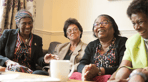
The ‘be you’ project aims to provide a safe and inclusive space in every Hestia refuge to support women to gain confidence, socialise, develop and most importantly enjoy themselves!
Each refuge will have a weekly or bi-weekly meeting, where all the women will be invited to join. There will be tea, coffee, juice, cake and fun activities such as knitting, colouring, jewellery making and much more.
What you will be doing
The skills you need
What's in it for you
 Registered Charity
0
Registered Charity
0
We deliver services across London as well as campaign and advocate nationally on the issues that affect the people we work with.



Actively Interviewing
This organisation is scheduling interviews as applications come in. They're ready to hire as soon as they find the right person. Don't miss your opportunity, apply now!
Why do we need your help?
Food banks provide three-day emergency food parcels for people in crisis, working in partnership with organisations across the community. Drivers play a fundamental role in the running of the food bank, collecting food donations from a variety of locations such as supermarkets or churches across the local area as well as distributing the sorted donations from the warehouse to the local food bank centres. You will be given all the required training and provided with ongoing support and development opportunities. You will also have a main contact at the food bank throughout your time volunteering with us.
What will you be doing?
Collecting food donations from collection points such as supermarkets, schools and churches within Brent
Coordinating with the warehouse manager and supermarket community champions
Delivering the food donations to the warehouse, located in Willesden
Transporting sorted food from the warehouse across two food banks within Brent
Regular loading and unloading of vehicles, helping your driver buddy
Regular driving across the local area
The skills you need:
Clean and current driving licence
Physically strong and capable of carrying heavy boxes of canned foods
Experienced and confident driver, you will be driving a small van around Brent
Adaptable and flexible, sometimes we need to change your driving route or times
Personable and committed, you will be the representatives of Brent Foodbank amongst our supermarket community
You will need to follow the driving policy of the food bank
You should enjoy being part of a volunteer team
Have an eye for detail and be able to solve problems
If you can’t drive but enjoy being out on the road, you can also be a driver buddy!
What’s in it for you?
Using your existing skills to make a difference
Meet new people who share your passion to end poverty in the community
Make a real difference to the running of your food bank
The opportunity to serve your local community
You will be given all the required training and provided with ongoing support and development opportunities. You will also have a main contact at the food bank throughout your time volunteering with us.
We recognise that we have under-represented groups within our team. As part of our commitment to diversity and equality of opportunity we are actively encouraging applications from under-represented groups such as parents or carers who are re-entering volunteering after a career break, people who are LGBTQ+, from Black, Asian, and Minority Ethnic (BAME) backgrounds, with a disability, impairment, learning difference or long-term condition.
The client requests no contact from agencies or media sales.
Actively Interviewing
This organisation is scheduling interviews as applications come in. They're ready to hire as soon as they find the right person. Don't miss your opportunity, apply now!
What we're looking for
We're looking for enthusiastic, creative and organised people across Bedfordshire to be a Community Fundraising Volunteer. Around 90 per cent of our income comes from our supporters and we couldn't continue doing what we do without them. That means, our community fundraising volunteers play a really important part in rallying people together to raise vital funds which help to protect children and prevent abuse.
What you'll do
You'll volunteer without regular time commitments, ‘as and when' volunteering! Engage with the public, organisations and local communities – promoting a positive image of the NSPCC! You'll be a valued part of one of our Volunteer Community Fundraising Teams across the UK, raising awareness and funds. We appreciate that work, family and friends come first and, with that in mind, this role offers flexibility to fit in with your lifestyle. You only need to commit to a couple of hours a month, but if you want to do more that would be great.
What you'll get
We'll support you with advice, skills and tools to help you fundraise and spread the word of the NSPCC. You'll learn more about how you're helping to protect children across the UK, and you'll have the opportunity to grow your skills and inspire others to support us. It's also a chance to spend time with like-minded people and make new friends.
Who's right for the role?
While we think this role is suitable for a whole range of people, we are particularly looking for those with the following qualities and experiences.
We are currently unable to accept applications from under 18's to this role, please view our other volunteering opportunities.
Interested in getting involved? Volunteer today and join our fight for every childhood.
The client requests no contact from agencies or media sales.