




Results include remote roles
Filter by workplace to select only on-site or hybrid roles

Actively Interviewing
This organisation is scheduling interviews as applications come in. They're ready to hire as soon as they find the right person. Don't miss your opportunity, apply now!
We're looking for 2-3 detail-oriented and strategic Search Engine Optimisation (SEO) Specialist Volunteers to help optimise our online presence and ensure our campaigns and content reach the communities that need them most and increase the charity’s search engine results rankings. The SEO Specialist Volunteers will play a key role in enhancing the visibility and searchability of Burning Nights CRPS Support’s website and digital content.
The SEO Specialist Volunteers will be volunteering within the Communications & Marketing Team to implement SEO best practices, conduct keyword research, improve site structure, and analyse web performance – all to ensure our content reaches a broader audience and amplifies the voice of our charity’s supporters online.
Key Tasks and Objectives
Key Skills or Qualifications
Desirable Experience
Key Benefits
Training and Support

 Registered Charity
 51 - 100
To drive change for Complex Regional Pain Syndrome (CRPS) & ensure people whose lives have been touched by this condition are not alone.







Actively Interviewing
This organisation is scheduling interviews as applications come in. They're ready to hire as soon as they find the right person. Don't miss your opportunity, apply now!
Would you like to support people who have served in the Armed Forces? You just need the ability to listen, strong IT skills and good written and spoken English. If you think this could be the role for you, we’d love to hear from you.
What is a Caseworker?
Caseworkers visit clients to work out what type of support they need. You will listen without judgement to assess and provide tailored support to help those serving, who have served and their families to navigate life in and beyond military service. Some examples of support are securing funding for special equipment for someone with a disability, adaptions to a property so an older client can remain at home or funds for a rental deposit. Caseworkers also sign-post clients onto specialist local services for advice on benefits, housing, mental health, debt, finding work etc.
Why do we need you?
We’ve been supporting the Armed Forces community since 1885. Our clients come from all backgrounds and age groups and may have served in WW2 or in a more recent conflict like the Falklands or Afghanistan. We’d love the general public to understand what we do and how they can help us.
There are SSAFA branches throughout the UK and overseas who support local volunteers to deliver services to veterans, serving personnel and their families. Some branches are divided into smaller divisions to ensure the best local service delivery. Each branch has a team of volunteer caseworkers, support volunteers, executive roles, and fundraisers.
Volunteer Caseworkers are the lifeblood of SSAFA, supporting a growing number of people in need of financial, practical, and emotional support. Clients come from all backgrounds and age groups and may have served in WW2 or in a more recent conflict like Iraq or Afghanistan.
When would you be needed and where would you be based?
The essential part of the role is visiting clients, so you will need access to a vehicle or another way to travel to meet clients at home or in a care home setting. As part of your local branch, you might have access to an office, but you can complete the administration part of the role from home as long as you have access to IT equipment and the internet.
What would you be doing?
What can you gain from this volunteering role?
What training and support would you receive?
What are we looking for?
We welcome volunteers of all backgrounds, abilities, races, sexual orientations, socio-economic backgrounds, and of all faiths and none. SSAFA are committed to making reasonable adjustments to support volunteers with disabilities, so they have access to the same opportunities and experiences as volunteers who do not.
Minimum Age: 18
Safer Recruitment: SSAFA undertakes a systematic approach and utmost care at every step of the process of volunteer recruitment, selection, and retention to ensure that those recruited are suitable and appropriate. Measures taken at points along this journey work together to make volunteering at SSAFA a positive and safe experience.
References Required: Yes. We will ask for two character references, this can be a former employer or someone that know you well (other than a relative)
Is a criminal record check required? Yes, this is provided by SSAFA at no cost to the potential volunteer. This role requires an enhanced check (including checks against the children and adults barred list)
*A disclosure certificate that contains convictions, cautions, warnings, reprimands, or other information may not automatically mean that you are not able to volunteer. All certificates will be reviewed on a case-by-case basis and, where possible, a modified or alternative role will be offered.
 Registered Charity
101 - 500
Registered Charity
101 - 500
Our vision A society in which the Armed Forces, veterans and their families can thrive.

The client requests no contact from agencies or media sales.
Actively Interviewing
This organisation is scheduling interviews as applications come in. They're ready to hire as soon as they find the right person. Don't miss your opportunity, apply now!
Would you like to support people who have served in the Armed Forces? You just need the ability to listen, strong IT skills and good written and spoken English. If you think this could be the role for you, we’d love to hear from you.
What is a Caseworker?
Caseworkers visit clients to work out what type of support they need. You will listen without judgement to assess and provide tailored support to help those serving, who have served and their families to navigate life in and beyond military service. Some examples of support are securing funding for special equipment for someone with a disability, adaptions to a property so an older client can remain at home or funds for a rental deposit. Caseworkers also sign-post clients onto specialist local services for advice on benefits, housing, mental health, debt, finding work etc.
Why do we need you?
We’ve been supporting the Armed Forces community since 1885. Our clients come from all backgrounds and age groups and may have served in WW2 or in a more recent conflict like the Falklands or Afghanistan. We’d love the general public to understand what we do and how they can help us.
There are SSAFA branches throughout the UK and overseas who support local volunteers to deliver services to veterans, serving personnel and their families. Some branches are divided into smaller divisions to ensure the best local service delivery. Each branch has a team of volunteer caseworkers, support volunteers, executive roles, and fundraisers.
Volunteer Caseworkers are the lifeblood of SSAFA, supporting a growing number of people in need of financial, practical, and emotional support. Clients come from all backgrounds and age groups and may have served in WW2 or in a more recent conflict like Iraq or Afghanistan.
When would you be needed and where would you be based?
The essential part of the role is visiting clients, so you will need access to a vehicle or another way to travel to meet clients at home or in a care home setting. As part of your local branch, you might have access to an office, but you can complete the administration part of the role from home as long as you have access to IT equipment and the internet.
What would you be doing?
What can you gain from this volunteering role?
What training and support would you receive?
What are we looking for?
We welcome volunteers of all backgrounds, abilities, races, sexual orientations, socio-economic backgrounds, and of all faiths and none. SSAFA are committed to making reasonable adjustments to support volunteers with disabilities, so they have access to the same opportunities and experiences as volunteers who do not.
Minimum Age: 18
Safer Recruitment: SSAFA undertakes a systematic approach and utmost care at every step of the process of volunteer recruitment, selection, and retention to ensure that those recruited are suitable and appropriate. Measures taken at points along this journey work together to make volunteering at SSAFA a positive and safe experience.
References Required: Yes. We will ask for two character references, this can be a former employer or someone that know you well (other than a relative)
Is a criminal record check required? Yes, this is provided by SSAFA at no cost to the potential volunteer. This role requires an enhanced check (including checks against the children and adults barred list)
*A disclosure certificate that contains convictions, cautions, warnings, reprimands, or other information may not automatically mean that you are not able to volunteer. All certificates will be reviewed on a case-by-case basis and, where possible, a modified or alternative role will be offered.
Registered Charity
101 - 500
Our vision A society in which the Armed Forces, veterans and their families can thrive.
The client requests no contact from agencies or media sales.
Actively Interviewing
This organisation is scheduling interviews as applications come in. They're ready to hire as soon as they find the right person. Don't miss your opportunity, apply now!
We are looking for individuals who are passionate about increasing and representation for disabled families across society.
What do I have to do?
Attend meetings roughly four times a year to help steer the organisation towards its goals. And using your skill set to help grow and advance our non-profit.
Part of the fabric of Buttons & Bubbles that wherever possible people who volunteer and work with us have lived experience of disability and or illness, (including parents, carers, siblings and friends) This includes our board members.
If you would be interested in having more information about this opportunity or need the board member pack in a different format, please get in contact for an informal chat.
If you would like any reasonable adjustments to the interview process please let us know. Any information provided will be kept in the strictest confidence.
 Non Charity Employer
To increase inclusion and representation across society for disabled families.
The client requests no contact from agencies or media sales.
Actively Interviewing
This organisation is scheduling interviews as applications come in. They're ready to hire as soon as they find the right person. Don't miss your opportunity, apply now!
Would you like to support people who have served in the Armed Forces? You just need the ability to listen, strong IT skills and good written and spoken English. If you think this could be the role for you, we’d love to hear from you.
What is a Caseworker?
Caseworkers visit clients to work out what type of support they need. You will listen without judgement to assess and provide tailored support to help those serving, who have served and their families to navigate life in and beyond military service. Some examples of support are securing funding for special equipment for someone with a disability, adaptions to a property so an older client can remain at home or funds for a rental deposit. Caseworkers also sign-post clients onto specialist local services for advice on benefits, housing, mental health, debt, finding work etc.
Why do we need you?
We’ve been supporting the Armed Forces community since 1885. Our clients come from all backgrounds and age groups and may have served in WW2 or in a more recent conflict like the Falklands or Afghanistan. We’d love the general public to understand what we do and how they can help us.
There are SSAFA branches throughout the UK and overseas who support local volunteers to deliver services to veterans, serving personnel and their families. Some branches are divided into smaller divisions to ensure the best local service delivery. Each branch has a team of volunteer caseworkers, support volunteers, executive roles, and fundraisers.
Volunteer Caseworkers are the lifeblood of SSAFA, supporting a growing number of people in need of financial, practical, and emotional support. Clients come from all backgrounds and age groups and may have served in WW2 or in a more recent conflict like Iraq or Afghanistan.
When would you be needed and where would you be based?
The essential part of the role is visiting clients, so you will need access to a vehicle or another way to travel to meet clients at home or in a care home setting. As part of your local branch, you might have access to an office, but you can complete the administration part of the role from home as long as you have access to IT equipment and the internet.
What would you be doing?
What can you gain from this volunteering role?
What training and support would you receive?
What are we looking for?
We welcome volunteers of all backgrounds, abilities, races, sexual orientations, socio-economic backgrounds, and of all faiths and none. SSAFA are committed to making reasonable adjustments to support volunteers with disabilities, so they have access to the same opportunities and experiences as volunteers who do not.
Minimum Age: 18
Safer Recruitment: SSAFA undertakes a systematic approach and utmost care at every step of the process of volunteer recruitment, selection, and retention to ensure that those recruited are suitable and appropriate. Measures taken at points along this journey work together to make volunteering at SSAFA a positive and safe experience.
References Required: Yes. We will ask for two character references, this can be a former employer or someone that know you well (other than a relative)
Is a criminal record check required? Yes, this is provided by SSAFA at no cost to the potential volunteer. This role requires an enhanced check (including checks against the children and adults barred list)
*A disclosure certificate that contains convictions, cautions, warnings, reprimands, or other information may not automatically mean that you are not able to volunteer. All certificates will be reviewed on a case-by-case basis and, where possible, a modified or alternative role will be offered.
Registered Charity
101 - 500
Our vision A society in which the Armed Forces, veterans and their families can thrive.
The client requests no contact from agencies or media sales.
Actively Interviewing
This organisation is scheduling interviews as applications come in. They're ready to hire as soon as they find the right person. Don't miss your opportunity, apply now!
Would you like to support people who have served in the Armed Forces? You just need the ability to listen, strong IT skills and good written and spoken English. If you think this could be the role for you, we’d love to hear from you.
What is a Caseworker?
Caseworkers visit clients to work out what type of support they need. You will listen without judgement to assess and provide tailored support to help those serving, who have served and their families to navigate life in and beyond military service. Some examples of support are securing funding for special equipment for someone with a disability, adaptions to a property so an older client can remain at home or funds for a rental deposit. Caseworkers also sign-post clients onto specialist local services for advice on benefits, housing, mental health, debt, finding work etc.
Why do we need you?
We’ve been supporting the Armed Forces community since 1885. Our clients come from all backgrounds and age groups and may have served in WW2 or in a more recent conflict like the Falklands or Afghanistan. We’d love the general public to understand what we do and how they can help us.
There are SSAFA branches throughout the UK and overseas who support local volunteers to deliver services to veterans, serving personnel and their families. Some branches are divided into smaller divisions to ensure the best local service delivery. Each branch has a team of volunteer caseworkers, support volunteers, executive roles, and fundraisers.
Volunteer Caseworkers are the lifeblood of SSAFA, supporting a growing number of people in need of financial, practical, and emotional support. Clients come from all backgrounds and age groups and may have served in WW2 or in a more recent conflict like Iraq or Afghanistan.
When would you be needed and where would you be based?
The essential part of the role is visiting clients, so you will need access to a vehicle or another way to travel to meet clients at home or in a care home setting. As part of your local branch, you might have access to an office, but you can complete the administration part of the role from home as long as you have access to IT equipment and the internet.
What would you be doing?
What can you gain from this volunteering role?
What training and support would you receive?
What are we looking for?
We welcome volunteers of all backgrounds, abilities, races, sexual orientations, socio-economic backgrounds, and of all faiths and none. SSAFA are committed to making reasonable adjustments to support volunteers with disabilities, so they have access to the same opportunities and experiences as volunteers who do not.
Minimum Age: 18
Safer Recruitment: SSAFA undertakes a systematic approach and utmost care at every step of the process of volunteer recruitment, selection, and retention to ensure that those recruited are suitable and appropriate. Measures taken at points along this journey work together to make volunteering at SSAFA a positive and safe experience.
References Required: Yes. We will ask for two character references, this can be a former employer or someone that know you well (other than a relative)
Is a criminal record check required? Yes, this is provided by SSAFA at no cost to the potential volunteer. This role requires an enhanced check (including checks against the children and adults barred list)
*A disclosure certificate that contains convictions, cautions, warnings, reprimands, or other information may not automatically mean that you are not able to volunteer. All certificates will be reviewed on a case-by-case basis and, where possible, a modified or alternative role will be offered.
Registered Charity
101 - 500
Our vision A society in which the Armed Forces, veterans and their families can thrive.
The client requests no contact from agencies or media sales.
Actively Interviewing
This organisation is scheduling interviews as applications come in. They're ready to hire as soon as they find the right person. Don't miss your opportunity, apply now!
Would you like to support people who have served in the Armed Forces? You just need the ability to listen, strong IT skills and good written and spoken English. If you think this could be the role for you, we’d love to hear form you.
What is a caseworker?
Caseworkers visit clients to work out what type of support they need. You will listen without judgement to assess and provide tailored support to help those serving, who have served and their families to navigate life in and beyond military service. Some examples of support are securing funding for special equipment for someone with a disability, adaptions to a property so an older client can remain at home or funds for a rental deposit. Caseworkers also sign-post clients onto specialist local services for advice on benefits, housing, mental health, debt, finding work etc.
Why do we need you?
We’ve been supporting the Armed Forces community since 1885. Our clients come from all backgrounds and age groups and may have served in WW2 or in a more recent conflict like the Falklands or Afghanistan. We’d love the general public to understand what we do and how they can help us.
There are SSAFA branches throughout the UK and overseas who support local volunteers to deliver services to veterans, serving personnel and their families. Some branches are divided into smaller divisions to ensure the best local service delivery. Each branch has a team of volunteer caseworkers, support volunteers, executive roles, and fundraisers.
Volunteer Caseworkers are the lifeblood of SSAFA, supporting a growing number of people in need of financial, practical, and emotional support. Clients come from all backgrounds and age groups and may have served in WW2 or in a more recent conflict like Iraq or Afghanistan.
When would you be needed and where would you be based?
The essential part of the role is visiting clients, so you will need access to a vehicle or another way to travel to meet clients at home or in a care home setting. As part of your local branch, you might have access to an office, but you can complete the administration part of the role from home as long as you have access to IT equipment and the internet.
What would you be doing?
What can you gain from this volunteering role?
What training and support would you receive?
What are we looking for?
We welcome volunteers of all backgrounds, abilities, races, sexual orientations, socio-economic backgrounds, and of all faiths and none. SSAFA are committed to making reasonable adjustments to support volunteers with disabilities, so they have access to the same opportunities and experiences as volunteers who do not.
Minimum Age: 18
Safer Recruitment: SSAFA undertakes a systematic approach and utmost care at every step of the process of volunteer recruitment, selection, and retention to ensure that those recruited are suitable and appropriate. Measures taken at points along this journey work together to make volunteering at SSAFA a positive and safe experience.
References Required: Yes. We will ask for two character references, this can be a former employer or someone that know you well (other than a relative)
Is a criminal record check required? Yes, this is provided by SSAFA at no cost to the potential volunteer. This role requires an enhanced check (including checks against the children and adults barred list)
*A disclosure certificate that contains convictions, cautions, warnings, reprimands, or other information may not automatically mean that you are not able to volunteer. All certificates will be reviewed on a case-by-case basis and, where possible, a modified or alternative role will be offered.
Registered Charity
101 - 500
Our vision A society in which the Armed Forces, veterans and their families can thrive.
The client requests no contact from agencies or media sales.
Actively Interviewing
This organisation is scheduling interviews as applications come in. They're ready to hire as soon as they find the right person. Don't miss your opportunity, apply now!
Would you like to support people who have served in the Armed Forces? You just need the ability to listen, strong IT skills and good written and spoken English. If you think this could be the role for you, we’d love to hear from you.
What is a Caseworker?
Caseworkers visit clients to work out what type of support they need. You will listen without judgement to assess and provide tailored support to help those serving, who have served and their families to navigate life in and beyond military service. Some examples of support are securing funding for special equipment for someone with a disability, adaptions to a property so an older client can remain at home or funds for a rental deposit. Caseworkers also sign-post clients onto specialist local services for advice on benefits, housing, mental health, debt, finding work etc.
Why do we need you?
We’ve been supporting the Armed Forces community since 1885. Our clients come from all backgrounds and age groups and may have served in WW2 or in a more recent conflict like the Falklands or Afghanistan. We’d love the general public to understand what we do and how they can help us.
There are SSAFA branches throughout the UK and overseas who support local volunteers to deliver services to veterans, serving personnel and their families. Some branches are divided into smaller divisions to ensure the best local service delivery. Each branch has a team of volunteer caseworkers, support volunteers, executive roles, and fundraisers.
Volunteer Caseworkers are the lifeblood of SSAFA, supporting a growing number of people in need of financial, practical, and emotional support. Clients come from all backgrounds and age groups and may have served in WW2 or in a more recent conflict like Iraq or Afghanistan.
When would you be needed and where would you be based?
The essential part of the role is visiting clients, so you will need access to a vehicle or another way to travel to meet clients at home or in a care home setting. As part of your local branch, you might have access to an office, but you can complete the administration part of the role from home as long as you have access to IT equipment and the internet.
What would you be doing?
What can you gain from this volunteering role?
What training and support would you receive?
What are we looking for?
We welcome volunteers of all backgrounds, abilities, races, sexual orientations, socio-economic backgrounds, and of all faiths and none. SSAFA are committed to making reasonable adjustments to support volunteers with disabilities, so they have access to the same opportunities and experiences as volunteers who do not.
Minimum Age: 18
Safer Recruitment: SSAFA undertakes a systematic approach and utmost care at every step of the process of volunteer recruitment, selection, and retention to ensure that those recruited are suitable and appropriate. Measures taken at points along this journey work together to make volunteering at SSAFA a positive and safe experience.
References Required: Yes. We will ask for two character references, this can be a former employer or someone that know you well (other than a relative)
Is a criminal record check required? Yes, this is provided by SSAFA at no cost to the potential volunteer. This role requires an enhanced check (including checks against the children and adults barred list)
*A disclosure certificate that contains convictions, cautions, warnings, reprimands, or other information may not automatically mean that you are not able to volunteer. All certificates will be reviewed on a case-by-case basis and, where possible, a modified or alternative role will be offered.
Registered Charity
101 - 500
Our vision A society in which the Armed Forces, veterans and their families can thrive.
The client requests no contact from agencies or media sales.
Actively Interviewing
This organisation is scheduling interviews as applications come in. They're ready to hire as soon as they find the right person. Don't miss your opportunity, apply now!
Would you like to support people who have served in the Armed Forces? You just need the ability to listen, strong IT skills and good written and spoken English. If you think this could be the role for you, we’d love to hear from you.
What is a Caseworker?
Caseworkers visit clients to work out what type of support they need. You will listen without judgement to assess and provide tailored support to help those serving, who have served and their families to navigate life in and beyond military service. Some examples of support are securing funding for special equipment for someone with a disability, adaptions to a property so an older client can remain at home or funds for a rental deposit. Caseworkers also sign-post clients onto specialist local services for advice on benefits, housing, mental health, debt, finding work etc.
Why do we need you?
We’ve been supporting the Armed Forces community since 1885. Our clients come from all backgrounds and age groups and may have served in WW2 or in a more recent conflict like the Falklands or Afghanistan. We’d love the general public to understand what we do and how they can help us.
There are SSAFA branches throughout the UK and overseas who support local volunteers to deliver services to veterans, serving personnel and their families. Some branches are divided into smaller divisions to ensure the best local service delivery. Each branch has a team of volunteer caseworkers, support volunteers, executive roles, and fundraisers.
Volunteer Caseworkers are the lifeblood of SSAFA, supporting a growing number of people in need of financial, practical, and emotional support. Clients come from all backgrounds and age groups and may have served in WW2 or in a more recent conflict like Iraq or Afghanistan.
When would you be needed and where would you be based?
The essential part of the role is visiting clients, so you will need access to a vehicle or another way to travel to meet clients at home or in a care home setting. As part of your local branch, you might have access to an office, but you can complete the administration part of the role from home as long as you have access to IT equipment and the internet.
What would you be doing?
What can you gain from this volunteering role?
What training and support would you receive?
What are we looking for?
We welcome volunteers of all backgrounds, abilities, races, sexual orientations, socio-economic backgrounds, and of all faiths and none. SSAFA are committed to making reasonable adjustments to support volunteers with disabilities, so they have access to the same opportunities and experiences as volunteers who do not.
Minimum Age: 18
Safer Recruitment: SSAFA undertakes a systematic approach and utmost care at every step of the process of volunteer recruitment, selection, and retention to ensure that those recruited are suitable and appropriate. Measures taken at points along this journey work together to make volunteering at SSAFA a positive and safe experience.
References Required: Yes. We will ask for two character references, this can be a former employer or someone that know you well (other than a relative)
Is a criminal record check required? Yes, this is provided by SSAFA at no cost to the potential volunteer. This role requires an enhanced check (including checks against the children and adults barred list)
*A disclosure certificate that contains convictions, cautions, warnings, reprimands, or other information may not automatically mean that you are not able to volunteer. All certificates will be reviewed on a case-by-case basis and, where possible, a modified or alternative role will be offered.
Registered Charity
101 - 500
Our vision A society in which the Armed Forces, veterans and their families can thrive.
The client requests no contact from agencies or media sales.
Actively Interviewing
This organisation is scheduling interviews as applications come in. They're ready to hire as soon as they find the right person. Don't miss your opportunity, apply now!
Would you like to support people who have served in the Armed Forces? You just need the ability to listen, strong IT skills and good written and spoken English. If you think this could be the role for you, we’d love to hear from you.
What is a Caseworker?
Caseworkers visit clients to work out what type of support they need. You will listen without judgement to assess and provide tailored support to help those serving, who have served and their families to navigate life in and beyond military service. Some examples of support are securing funding for special equipment for someone with a disability, adaptions to a property so an older client can remain at home or funds for a rental deposit. Caseworkers also sign-post clients onto specialist local services for advice on benefits, housing, mental health, debt, finding work etc.
Why do we need you?
We’ve been supporting the Armed Forces community since 1885. Our clients come from all backgrounds and age groups and may have served in WW2 or in a more recent conflict like the Falklands or Afghanistan. We’d love the general public to understand what we do and how they can help us.
There are SSAFA branches throughout the UK and overseas who support local volunteers to deliver services to veterans, serving personnel and their families. Some branches are divided into smaller divisions to ensure the best local service delivery. Each branch has a team of volunteer caseworkers, support volunteers, executive roles, and fundraisers.
Volunteer Caseworkers are the lifeblood of SSAFA, supporting a growing number of people in need of financial, practical, and emotional support. Clients come from all backgrounds and age groups and may have served in WW2 or in a more recent conflict like Iraq or Afghanistan.
When would you be needed and where would you be based?
The essential part of the role is visiting clients, so you will need access to a vehicle or another way to travel to meet clients at home or in a care home setting. As part of your local branch, you might have access to an office, but you can complete the administration part of the role from home as long as you have access to IT equipment and the internet.
What would you be doing?
What can you gain from this volunteering role?
What training and support would you receive?
What are we looking for?
We welcome volunteers of all backgrounds, abilities, races, sexual orientations, socio-economic backgrounds, and of all faiths and none. SSAFA are committed to making reasonable adjustments to support volunteers with disabilities, so they have access to the same opportunities and experiences as volunteers who do not.
Minimum Age: 18
Safer Recruitment: SSAFA undertakes a systematic approach and utmost care at every step of the process of volunteer recruitment, selection, and retention to ensure that those recruited are suitable and appropriate. Measures taken at points along this journey work together to make volunteering at SSAFA a positive and safe experience.
References Required: Yes. We will ask for two character references, this can be a former employer or someone that know you well (other than a relative)
Is a criminal record check required? Yes, this is provided by SSAFA at no cost to the potential volunteer. This role requires an enhanced check (including checks against the children and adults barred list)
*A disclosure certificate that contains convictions, cautions, warnings, reprimands, or other information may not automatically mean that you are not able to volunteer. All certificates will be reviewed on a case-by-case basis and, where possible, a modified or alternative role will be offered.
Registered Charity
101 - 500
Our vision A society in which the Armed Forces, veterans and their families can thrive.
The client requests no contact from agencies or media sales.
Actively Interviewing
This organisation is scheduling interviews as applications come in. They're ready to hire as soon as they find the right person. Don't miss your opportunity, apply now!
Guardian Light Foundation & Guardian Light Enterprises Ltd
Location: Remote / Online
Commitment: Approx. 20 hours per month
Role Type: Volunteer
Reports to: Founder / Safeguarding Lead
�� About Us
Guardian Light Foundation is a mission-driven organisation supporting children, teenagers, and single-parent families affected by homelessness, abuse, trauma, and financial hardship.
Our counselling services operate in three tiers:
Tier 1 – Guardian Light Foundation
Free emotional support for vulnerable individuals.
Tier 2 & Tier 3 – Guardian Light Enterprises Ltd
Low-cost and paid counselling services that help fund our charitable programmes and expand access to professional mental health support.
To maintain the highest ethical and professional standards, we are seeking a Volunteer Clinical Supervisor to support our counselling team.
�� Purpose of the Role
The Volunteer Clinical Supervisor will ensure that all counselling delivered through Guardian Light Foundation and Guardian Light Enterprises Ltd is:
Ethical
Safe
Trauma-informed
Professionally supported
Aligned with recognised counselling standards (e.g. BACP / UKCP frameworks)
You will provide clinical supervision, safeguarding oversight, and professional guidance to our counsellors and trainee counsellors.
�� Key Responsibilities
Clinical Supervision
Provide supervision for volunteer and trainee counsellors
Facilitate monthly or bi-monthly group supervision sessions
Offer guidance on complex or high-risk cases
Support counsellors with professional development
Safeguarding Oversight
Support decision-making where safeguarding concerns arise
Ensure appropriate boundaries and ethical practice
Assist with risk assessments where needed
Professional Standards
Help maintain high clinical standards across services
Ensure alignment with recognised ethical frameworks
Provide guidance on confidentiality, consent, and record keeping
Support for Tier Structure
Provide supervision for counsellors working across:
Tier 1 – Charity Counselling
Crisis support
Emotional wellbeing support
Early intervention
Tier 2 – Low-Cost Counselling
Structured therapeutic support
Tier 3 – Professional Counselling
Longer-term therapeutic work
Programme Development
Advise on counselling frameworks and policies
Support development of safe referral pathways
Provide input on improving service delivery
��️ Safeguarding Requirements
Because this role involves oversight of services supporting vulnerable individuals:
Enhanced DBS Check (Volunteer) required
Must follow Guardian Light safeguarding policies
Work closely with the Safeguarding Lead when concerns arise
DBS checks will be conducted via our trusted partner Serve (Rushden).
�� Skills & Experience Required
Essential
Qualified Clinical Supervisor
Accredited or registered with a recognised body such as:
BACP
UKCP
NCPS
BABCP (or equivalent)
Experience supervising counsellors or trainee therapists
Strong understanding of trauma, safeguarding, and ethical practice
Ability to support practitioners working with complex cases
Desirable
Experience working with:
Young people
Domestic abuse survivors
Trauma
Vulnerable families
Experience supporting trainee counsellors
Experience working within charities or social enterprises
�� Personal Qualities
We are looking for someone who is:
Compassionate and emotionally intelligent
Ethical and professional
Passionate about protecting vulnerable people
Supportive but able to challenge constructively
Committed to social impact
⏰ Time Commitment
Approximate commitment:
20 hours per month
This may include:
Group supervision sessions
Case consultation
Safeguarding guidance when required
Flexible scheduling.
�� What You’ll Gain
The opportunity to shape a growing counselling service from the beginning
Meaningful impact on vulnerable lives
Recognition as a key professional advisor to the organisation
Networking with therapists, legal professionals, and social care specialists
Opportunity to join the Advisory Board or Board of Directors
Professional contribution toward social change
�� Structure of Services
Guardian Light Foundation
Tier 1: Free counselling for vulnerable individuals
Guardian Light Enterprises Ltd
Tier 2: Affordable counselling
Tier 3: Professional counselling services that help fund the charity
This structure allows us to sustain our mission while expanding access to mental health support.
 Non Charity Employer
1 - 5
Non Charity Employer
1 - 5
At Guardian Light Foundation, we restore hope for homeless children, teens and single parents scarred by abuse, harassment and homelessness.
Actively Interviewing
This organisation is scheduling interviews as applications come in. They're ready to hire as soon as they find the right person. Don't miss your opportunity, apply now!
CONTEXT
The Women & Families Resource Centre (WFRC) is a registered charity based in
Wolverhampton which supports, empowers and advocates for women and children.
We aim to actively encourage women to be self-reliant, through empowering them to
identify their own needs, make their own choices and create their own solutions. We
offer a baby bank, a charity shop & various community support services to help
women facing crises or challenging situations.
Wolverhampton Baby Bank is a flagship project run by The Women & Families
Resource Centre, a registered charity supporting families with children aged 0-3.
Through donated essentials and community engagement, we provide much-needed
items such as:
• Essential supplies for babies and toddlers, including nappies, wipes, clothing, toys,
and bedding.
• Support services for new parents, including drop-in groups and befriending for
pregnant women and new mothers.
• Referrals and resources to connect families with additional community services.
Scope and Span
The E-Commerce Volunteer supports the Baby Bank’s fundraising efforts by identifying high-quality donated items suitable for online sale and preparing them for listing on e-commerce platforms.
This role focuses on product selection, quality checking, photo editing, and writing compelling product descriptions to help items find the right buyer and generate income for the Baby Bank.
Volunteer Guidelines
Thank you for volunteering with The Women & Families Resource Centre (WFRC). Our work supports and empowers women and families facing challenging circumstances, and your role is essential in helping us provide consistent, reliable, and respectful services. To ensure fairness, sustainability, and high-quality support for the community, all volunteers are expected to follow the structured framework and guidelines below.
Minimum of 12hrs per week and 4hrs per day
Attend agreed shifts consistently and provide notice if unable to attend.
Carry out agreed tasks responsibly, maintaining professionalism and confidentiality at all times.
Treat service users, staff, and fellow volunteers with respect and compassion.
Communicate openly about availability, concerns, or if feeling overwhelmed to prevent burnout and overcommitment.
Follow agreed scheduling processes to ensure continuity and consistency in service delivery.
Work collaboratively as part of the team and report any safeguarding concerns immediately.
Your commitment and reliability help us create a stable and supportive environment for the families we serve.
Roles and Responsibilities
Rummage through donated boxes to identify valuable or unique items suitable for online sale
Inspect items carefully to ensure they are in excellent condition for customer
Flag any damage or concerns before listing
Edit product photos to ensure clear, attractive presentation
Write accurate and engaging product descriptions
Upload and manage product listings on designated online platforms
Ensure pricing aligns with guidance from the Team Lead
Maintain organized digital records of listed items
Support promotional efforts where needed
Qualifications
Comfortable using computers and online platforms
Interest or experience in e-commerce, selling, or online marketplaces is an advantage
Basic photo editing knowledge is helpful but not required
Willingness to learn new digital tools and systems
Skills
Strong attention to detail
Good written communication skills
Basic computer literacy
Eye for quality and resale value
Organizational skills
Creativity in product presentation
Ability to work independently and follow structured processes
 Registered Charity
21 - 50
Registered Charity
21 - 50
We develop, support and maintain policies, programs, projects, and activities that inform, educate, empower and celebrate women and families.

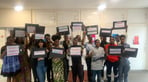


Join the Wheels for All Volunteer Team – Help Us Make Cycling Inclusive for Everyone!
Do you want to make a difference in your local community? Are you passionate about inclusion, wellbeing, and having fun outdoors? Join Wheels for All, a national charity making cycling accessible for disabled people and those with long-term health conditions.
We believe everyone should experience the joy, freedom, and empowerment of cycling. Our inclusive cycling sessions are only possible thanks to a diverse team of dedicated volunteers—and that’s where you come in!
What You’ll Get Involved with:
Support people to use adapted cycles during sessions
Help with setting up and packing away equipment
Provide a friendly, welcoming environment for participants and families
Be part of a fun and supportive volunteer team
Volunteer Benefits
Claim reasonable expenses in line with our Volunteer Expense Policy
Receive a Wheels for All branded uniform
Access volunteer training courses to support your development
Be part of an inspiring, positive, and supportive charity culture
No experience? No problem!
We provide full training, including disability awareness and safety, and ongoing support from our team and fellow volunteers.
What are we looking for?
An approachable and friendly nature
Good interpersonal and communication skills
Empathy and an understanding of individual needs
Patience and an inclusive approach to engagement
Adaptability and flexibility in changing situations
A team-oriented attitude
Positivity, honesty, and integrity
Strong organisational skills and the ability to take initiative
Some cycling experience is helpful but not essential
Why volunteer with us?
“The best thing about volunteering is seeing the happy faces! The riders come back beaming—it’s amazing to be a part of that joy.” – Dave, Volunteer
“People that aren’t normally able to get out cycling can come here and join in and enjoy the great outdoors. I really enjoy volunteering with Wheels for All because I can visibly see how the simple act of cycling brings a lot of happiness” - Vince, Volunteer
You’ll Gain:
Confidence and new skills
Connections and friendships
Improved mental wellbeing
A chance to be part of a national movement for inclusive cycling
Recognition through social events, newsletters, and volunteer awards
Join us—and help make cycling accessible for all!
Every disabled person should have the opportunity to connect with others and be included in the world. Which is why we’re here, in people’s homes, centres and communities, focusing on the things a person can do, not what they can’t. We celebrate the moments of connection that bring more joy to life. Together, we always find a way, no matter how many barriers a person might face.
Sense is a leading disability charity with extensive knowledge and expertise in delivering personalised, creative and flexible support for disabled people with complex needs. Our tailored approach ensures that every person is empowered to live fully at every stage of life.
About the role:
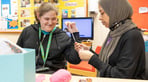
As a Shop Volunteer you’ll be joining a friendly, welcoming team of volunteers and staff who support each other and have a lot of fun along the way. We value every volunteer and the unique perspective, skills and energy you bring.
Whether you’re sorting donations, creating beautiful displays, or chatting to customers, every task you take on helps to build a more inclusive world.
We value volunteer development, and as part of this role your can develop your skills further by training to become a till user alongside your regular shop volunteer responsibilities, or progressing into a Key volunteer, a role which includes opening, running, and closing the shop in the absence of the manager.
No matter your reason for volunteering – whether it’s to meet new people, build new skills or support Sense’s cause – there’s a place for you in one of our shops.
Due to the nature of the role, we require all applicants to be aged 16 or over. You must have a UK address to volunteer with Sense.
Key responsibilities: Shop volunteer
You’ll spend time doing a range of activities, including:
Key responsibilities: Till volunteer
Being a till volunteer includes all the same responsibilities as a shop volunteer, however, when you’re ready, we’ll provide you with additional training to:
If you are interested in becoming a till volunteer straight away, please select ‘Till volunteer’, as well as ‘Shop volunteer’, when asked which volunteer role/s you are interested in during your application.
Key responsibilities: Key volunteer
Being a Key volunteer includes all the same responsibilities as a shop and till volunteer. However, if you’re interested in taking on additional responsibilities, you can train to become a Key Volunteer, helping the shop manager by:
If you are interested in becoming a Key volunteer straight away, please select ‘Key volunteer’ when asked which volunteer role/s you are interested in during your application.
Skills and qualities:
This role would suit you if you’re:
What we offer you:
As one of our volunteers, you’ll get:
Our values:
Everything we do is underpinned by five core values. These values shape the way we work every day. Our values are:
 Registered Charity
More than 1000
Registered Charity
More than 1000
We believe that every disabled person should have the opportunity to connect with others and be included in the world.




Actively Interviewing
This organisation is scheduling interviews as applications come in. They're ready to hire as soon as they find the right person. Don't miss your opportunity, apply now!
Every disabled person should have the opportunity to connect with others and be included in the world. Which is why we’re here, in people’s homes, centres and communities, focusing on the things a person can do, not what they can’t. We celebrate the moments of connection that bring more joy to life. Together, we always find a way, no matter how many barriers a person might face.
Sense is a leading disability charity with extensive knowledge and expertise in delivering personalised, creative and flexible support for disabled people with complex needs. Our tailored approach ensures that every person is empowered to live fully at every stage of life.
About the role:
As a Shop Volunteer you’ll be joining a friendly, welcoming team of volunteers and staff who support each other and have a lot of fun along the way. We value every volunteer and the unique perspective, skills and energy you bring.
Whether you’re sorting donations, creating beautiful displays, or chatting to customers, every task you take on helps to build a more inclusive world.
We value volunteer development, and as part of this role your can develop your skills further by training to become a till user alongside your regular shop volunteer responsibilities, or progressing into a Key volunteer, a role which includes opening, running, and closing the shop in the absence of the manager.
No matter your reason for volunteering – whether it’s to meet new people, build new skills or support Sense’s cause – there’s a place for you in one of our shops.
Due to the nature of the role, we require all applicants to be aged 16 or over. You must have a UK address to volunteer with Sense.
Key responsibilities: Shop volunteer
You’ll spend time doing a range of activities, including:
Key responsibilities: Till volunteer
Being a till volunteer includes all the same responsibilities as a shop volunteer, however, when you’re ready, we’ll provide you with additional training to:
If you are interested in becoming a till volunteer straight away, please select ‘Till volunteer’, as well as ‘Shop volunteer’, when asked which volunteer role/s you are interested in during your application.
Key responsibilities: Key volunteer
Being a Key volunteer includes all the same responsibilities as a shop and till volunteer. However, if you’re interested in taking on additional responsibilities, you can train to become a Key Volunteer, helping the shop manager by:
If you are interested in becoming a Key volunteer straight away, please select ‘Key volunteer’ when asked which volunteer role/s you are interested in during your application.
Skills and qualities:
This role would suit you if you’re:
What we offer you:
As one of our volunteers, you’ll get:
Our values:
Everything we do is underpinned by five core values. These values shape the way we work every day. Our values are:
Registered Charity
More than 1000
We believe that every disabled person should have the opportunity to connect with others and be included in the world.