





Results include remote roles
Filter by workplace to select only on-site or hybrid roles
Actively Interviewing
This organisation is scheduling interviews as applications come in. They're ready to hire as soon as they find the right person. Don't miss your opportunity, apply now!
Are you a dog lover? Do you have the time to help raise a life-changing puppy? Would you like to make a difference to someone's life? If you've answered yes to these questions, then this role could be perfect for you!
As a Puppy Raiser, you'll provide a 6-8 week-old puppy with the vital foundation for its future role as a guide dog. You'll be looking after a puppy for 12-16 months and will guide him or her through training, socialisation, the introduction of new environments and experiences while providing a loving home.
There might be the odd chewed slipper along the way, but nothing beats the rewarding feeling of loving and raising a puppy who will go on to make an enormous difference to someone living with sight loss.
What you'll be doing:
You'll ideally have:
What you'll get:
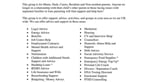
s a volunteer you'll have access to our world-class training programme, to implement with your puppy in training, a great bonus for any dog owner! This is delivered in an interactive and engaging manner, using a mixture of different learning techniques virtually e.g., videos, documents and e-learning modules. Examples of the modules you'll have access to include:
You'll receive plenty of support from your volunteer manager who will help you work through these training modules with your puppy. We also offer puppy classes for puppy raisers in the local area to get together, share stories and provide refreshers on training techniques.
Volunteering for Guide Dogs should never leave you out of pocket. We’ll make sure we pay any pre-agreed expenses related to volunteering with us, including veterinary costs, food costs for the puppy and other materials needed for the puppy’s training. We will also pay an optional allowance of up to £100 a year to offset additional costs, and we have working agreements with certain bus and train operating companies, letting you take your puppy on short training journeys free of charge.
Minimum age of applicant: 18.
To find out if this role is available in your area, please click 'Redirect to recruiter' at the top of the page, and use the postcode search function on the Guide Dogs website to explore local opportunities.

 Registered Charity
 More than 1000

Actively Interviewing
This organisation is scheduling interviews as applications come in. They're ready to hire as soon as they find the right person. Don't miss your opportunity, apply now!
Shape the Heart of MINDSET Charity – Build a Community of Purpose
Who We Are
MINDSET Charity is a new, volunteer-run organisation dedicated to transforming men’s lives across England. We support men on their journeys of mental wellbeing and self-improvement through workshops, creative programmes, and community-building activities.
We are building a movement of resilience, dignity, and brotherhood. To make this possible, we need a dedicated HR & Volunteering Manager to create and nurture our volunteer community.
The Role of HR & Volunteering Manager
As our Volunteer HR & Volunteering Manager, you will:
Design and launch our volunteering programme, ensuring clarity, inclusivity, and impact.
Recruit, onboard, and retain volunteers, building a team of talented, skilled, and positive individuals.
Foster a brilliant team-spirited culture, where volunteers feel valued, supported, and inspired.
Develop policies and processes that safeguard wellbeing and sustain long-term engagement.
Champion our values of brotherhood, empowerment, integrity, and growth in every aspect of volunteer management.
This is a volunteer role, but your leadership will be the heartbeat of MINDSET Charity — creating a community that makes a real difference in men’s lives.
Who We’re Looking For
We welcome applications from people of all backgrounds who share our passion for men’s mental wellbeing. Experience in HR, volunteer management, or team leadership is highly valuable, but what matters most is your commitment to building a culture of positivity, dignity, and purpose.
Why Join Us
Be part of a pioneering charity at its foundation stage.
Shape the volunteer culture of a national movement.
See your work directly empower men and communities.
Collaborate with passionate volunteers united by vision and brotherhood.
How to Apply
If you’re ready to build a community of purpose and help shape MINDSET Charity’s future, we’d love to hear from you.
This is more than HR. It’s about creating a family of volunteers who stand together, uplift one another, and change lives. Join us, and let’s build MINDSET together.
The client requests no contact from agencies or media sales.
Actively Interviewing
This organisation is scheduling interviews as applications come in. They're ready to hire as soon as they find the right person. Don't miss your opportunity, apply now!
About the Role
We are Buttons & Bubbles C.I.C. and our mission is to increase inclusion and representation for disabled families across society. We offer a variety of services including bespoke characters, workshops, free resources, events, sensory trails, and more.
We are looking for volunteers to help us apply for and secure funding to support our valuable work. This role can be done remotely, with no fixed rota, and the amount of time you give is flexible.
Who Are We Looking For?
Interested in fundraising or securing funding
May have experience in the community or charity sector
Legal or corporate background, or studying law or similar subjects
Willingness to learn, motivated, and proactive
Organised and detail-oriented
Positive attitude and collaborative
What Do We Expect?
Willingness to undertake our virtual training programme at a time convenient to you
Have a basic DBS check (preferably on the update system) or be willing to complete one with us
Sign our volunteer contract (we are happy to discuss reasonable adjustments if needed)
A positive and inclusive attitude toward disability and illness
What Can You Expect?
A supportive, kind, and nurturing team that values its volunteers
Flexibility – contribute at times that suit you
Supportive approach to accessibility and accommodations
Benefits of Volunteering with Buttons & Bubbles C.I.C.
Make a tangible difference in your community
Develop skills in fundraising, research, and grant applications
Enhance your CV and demonstrate reliability to future employers
Explore new areas of interest and take on additional tasks if desired
Build confidence while contributing to meaningful work
 Non Charity Employer
To increase inclusion and representation across society for disabled families.
Actively Interviewing
This organisation is scheduling interviews as applications come in. They're ready to hire as soon as they find the right person. Don't miss your opportunity, apply now!
Education Volunteer Role Description
Are you passionate about changing the way we treat animals? Do you want to help reduce environmental damage? Do you want to inspire people to enjoy healthy vegan food that both looks good and tastes great?
The Vegan Society aims to make veganism more accessible. We help people to adopt a vegan lifestyle by supporting individuals, policy- and decision-makers, caterers, manufacturers, healthcare professionals and the media.
Why do we need you?
Laura Chepner is our Education Officer, and she is looking for a volunteer to support her in her role. Laura has a background in education, with a degree in Primary Education which preceded a decade of teaching and a short stint in the role of SENco (Special Educational Needs Coordinator). Shortly after that, Laura theorised vegan-inclusive teaching, published An Educator’s Guide for Vegan-Inclusive Teaching and worked as the UK’s first vegan-inclusion education specialist until joining The Vegan Society.
At The Vegan Society, Laura supports vegan learners in education who have been discriminated against by acting as an intermediary between their families and the institution. Additionally, Laura supports educators by creating resources and delivering training sessions on what it means to be vegan-inclusive in their practice. Furthermore, Laura empowers parents/guardians to ask for vegan-inclusion by creating documents, with the help of The Education Network, that they can present and highlight their rights.
What does this role involve?
We support vegan learners and their families by offering practical resources, including tips for discussing veganism with schools, understanding legal protections and addressing concerns like catering and inclusivity. Our resources aim to help create an educational environment where vegan families feel respected and valued. This role will involve creating resources for families and educators. For example, template letters, guidance on legal protections, policy review requests, learning materials for children and much more.
What training and support is available?
The ideal candidate for this role will have a background in Primary Education and be comfortable working independently. However, we are always willing to invite volunteers along to staff training when possible and to deliver training on specific skills in-house, as identified throughout the volunteering period. This role is remote, so support from the Education Officer will be available through email and phone calls as required. Monthly reviews with the Volunteering and Engagement Officer will also be conducted to ensure the volunteer is happy in their role.
What skills would be useful in doing this role?
Qualified teacher
Good written English
Competent using Microsoft Office
A strong understanding of the aims, campaigns and tone of voice of The Vegan Society
The ability to work independently.
What does my availability need to be?
This is an ongoing role and tasks will be requested by Laura on an ad hoc basis, volunteers can accept or decline each task. Volunteering can be done outside traditional working hours and in any time zone, although meetings and staff support will only be available between 9am and 5pm UK time. We ask volunteers to commit to a minimum of six months to make the best use of recruitment and induction time and to get the best out of their volunteering experience.
Who does this role report to?
Laura Chepner, Education Officer and Kaya Gromocki, Senior Volunteering and Engagement Officer.
The client requests no contact from agencies or media sales.
Actively Interviewing
This organisation is scheduling interviews as applications come in. They're ready to hire as soon as they find the right person. Don't miss your opportunity, apply now!
We're looking for 2-3 detail-oriented and strategic Search Engine Optimisation (SEO) Specialist Volunteers to help optimise our online presence and ensure our campaigns and content reach the communities that need them most and increase the charity’s search engine results rankings. The SEO Specialist Volunteers will play a key role in enhancing the visibility and searchability of Burning Nights CRPS Support’s website and digital content.
The SEO Specialist Volunteers will be volunteering within the Communications & Marketing Team to implement SEO best practices, conduct keyword research, improve site structure, and analyse web performance – all to ensure our content reaches a broader audience and amplifies the voice of our charity’s supporters online.
Key Tasks and Objectives
Key Skills or Qualifications
Desirable Experience
Key Benefits
Training and Support
 Registered Charity
51 - 100
Registered Charity
51 - 100
To drive change for Complex Regional Pain Syndrome (CRPS) & ensure people whose lives have been touched by this condition are not alone.






Actively Interviewing
This organisation is scheduling interviews as applications come in. They're ready to hire as soon as they find the right person. Don't miss your opportunity, apply now!
Would you like to support people who have served in the Armed Forces? You just need the ability to listen, strong IT skills and good written and spoken English. If you think this could be the role for you, we’d love to hear from you.
What is a Caseworker?
Caseworkers visit clients to work out what type of support they need. You will listen without judgement to assess and provide tailored support to help those serving, who have served and their families to navigate life in and beyond military service. Some examples of support are securing funding for special equipment for someone with a disability, adaptions to a property so an older client can remain at home or funds for a rental deposit. Caseworkers also sign-post clients onto specialist local services for advice on benefits, housing, mental health, debt, finding work etc.
Why do we need you?
We’ve been supporting the Armed Forces community since 1885. Our clients come from all backgrounds and age groups and may have served in WW2 or in a more recent conflict like the Falklands or Afghanistan. We’d love the general public to understand what we do and how they can help us.
There are SSAFA branches throughout the UK and overseas who support local volunteers to deliver services to veterans, serving personnel and their families. Some branches are divided into smaller divisions to ensure the best local service delivery. Each branch has a team of volunteer caseworkers, support volunteers, executive roles, and fundraisers.
Volunteer Caseworkers are the lifeblood of SSAFA, supporting a growing number of people in need of financial, practical, and emotional support. Clients come from all backgrounds and age groups and may have served in WW2 or in a more recent conflict like Iraq or Afghanistan.
When would you be needed and where would you be based?
The essential part of the role is visiting clients, so you will need access to a vehicle or another way to travel to meet clients at home or in a care home setting. As part of your local branch, you might have access to an office, but you can complete the administration part of the role from home as long as you have access to IT equipment and the internet.
What would you be doing?
What can you gain from this volunteering role?
What training and support would you receive?
What are we looking for?
We welcome volunteers of all backgrounds, abilities, races, sexual orientations, socio-economic backgrounds, and of all faiths and none. SSAFA are committed to making reasonable adjustments to support volunteers with disabilities, so they have access to the same opportunities and experiences as volunteers who do not.
Minimum Age: 18
Safer Recruitment: SSAFA undertakes a systematic approach and utmost care at every step of the process of volunteer recruitment, selection, and retention to ensure that those recruited are suitable and appropriate. Measures taken at points along this journey work together to make volunteering at SSAFA a positive and safe experience.
References Required: Yes. We will ask for two character references, this can be a former employer or someone that know you well (other than a relative)
Is a criminal record check required? Yes, this is provided by SSAFA at no cost to the potential volunteer. This role requires an enhanced check (including checks against the children and adults barred list)
*A disclosure certificate that contains convictions, cautions, warnings, reprimands, or other information may not automatically mean that you are not able to volunteer. All certificates will be reviewed on a case-by-case basis and, where possible, a modified or alternative role will be offered.
 Registered Charity
101 - 500
Registered Charity
101 - 500
Our vision A society in which the Armed Forces, veterans and their families can thrive.

The client requests no contact from agencies or media sales.
Actively Interviewing
This organisation is scheduling interviews as applications come in. They're ready to hire as soon as they find the right person. Don't miss your opportunity, apply now!
Fundraising team leader volunteer
Our vision for volunteering
Volunteering is and always will be at the heart of Cats Protection. It is joyful and inclusive. As a charity, working in partnership, together we transform the lives of cats, people and communities.
The difference you will make to cats and people
As a charity we are able to help thousands of cats each year thanks to the generous donations we receive from members of the public. Our fundraising team leaders have the exciting and varied role of inspiring our fundraising volunteers to plan and deliver local fundraising events. Using their passion and imagination, they oversee a small team of fundraising volunteers who come together to raise the vital funds needed to cover costs such as veterinary bills and food. Our fundraising team leaders support their team of volunteers in all aspects of their roles, making sure our volunteers are happy, confident and supported.
You can expect us to
What we need from you
You’ll be:
· supporting and encouraging a team of fundraising volunteers
· planning fundraising events and activities with your team
· allocating tasks before and during fundraising events
· keeping financial records from fundraising events
· encouraging and promoting a professional image of Cats Protection
· following policies and guidelines and ensuring licences and permits are obtained for events
Time expectation
Our fundraising team leaders usually spend three to four hours per week in this role, which is flexible and can be shared by more than one volunteer if needed.
You may be just the volunteer we’ve been looking for!
If you have any questions about the role, please get in touch.
We are committed to building a diverse, compassionate and inclusive organisation where everyone can be themselves and do their best. We are courageous and compassionate in our purpose of helping people see the world through cats’ eyes. Together, we can make a difference. Together, we are all for cats. Join the UK’s leading cat welfare charity and help make a better life for cats, because life is better with cats.
Applicants will be asked to complete and application and provide details for two references
 Registered Charity
501 - 1000
Registered Charity
501 - 1000
Making a better life for cats, because life is better with cats


The client requests no contact from agencies or media sales.
Actively Interviewing
This organisation is scheduling interviews as applications come in. They're ready to hire as soon as they find the right person. Don't miss your opportunity, apply now!
Would you like to support people who have served in the Armed Forces? You just need the ability to listen, strong IT skills and good written and spoken English. If you think this could be the role for you, we’d love to hear from you.
What is a Caseworker?
Caseworkers visit clients to work out what type of support they need. You will listen without judgement to assess and provide tailored support to help those serving, who have served and their families to navigate life in and beyond military service. Some examples of support are securing funding for special equipment for someone with a disability, adaptions to a property so an older client can remain at home or funds for a rental deposit. Caseworkers also sign-post clients onto specialist local services for advice on benefits, housing, mental health, debt, finding work etc.
Why do we need you?
We’ve been supporting the Armed Forces community since 1885. Our clients come from all backgrounds and age groups and may have served in WW2 or in a more recent conflict like the Falklands or Afghanistan. We’d love the general public to understand what we do and how they can help us.
There are SSAFA branches throughout the UK and overseas who support local volunteers to deliver services to veterans, serving personnel and their families. Some branches are divided into smaller divisions to ensure the best local service delivery. Each branch has a team of volunteer caseworkers, support volunteers, executive roles, and fundraisers.
Volunteer Caseworkers are the lifeblood of SSAFA, supporting a growing number of people in need of financial, practical, and emotional support. Clients come from all backgrounds and age groups and may have served in WW2 or in a more recent conflict like Iraq or Afghanistan.
When would you be needed and where would you be based?
The essential part of the role is visiting clients, so you will need access to a vehicle or another way to travel to meet clients at home or in a care home setting. As part of your local branch, you might have access to an office, but you can complete the administration part of the role from home as long as you have access to IT equipment and the internet.
What would you be doing?
What can you gain from this volunteering role?
What training and support would you receive?
What are we looking for?
We welcome volunteers of all backgrounds, abilities, races, sexual orientations, socio-economic backgrounds, and of all faiths and none. SSAFA are committed to making reasonable adjustments to support volunteers with disabilities, so they have access to the same opportunities and experiences as volunteers who do not.
Minimum Age: 18
Safer Recruitment: SSAFA undertakes a systematic approach and utmost care at every step of the process of volunteer recruitment, selection, and retention to ensure that those recruited are suitable and appropriate. Measures taken at points along this journey work together to make volunteering at SSAFA a positive and safe experience.
References Required: Yes. We will ask for two character references, this can be a former employer or someone that know you well (other than a relative)
Is a criminal record check required? Yes, this is provided by SSAFA at no cost to the potential volunteer. This role requires an enhanced check (including checks against the children and adults barred list)
*A disclosure certificate that contains convictions, cautions, warnings, reprimands, or other information may not automatically mean that you are not able to volunteer. All certificates will be reviewed on a case-by-case basis and, where possible, a modified or alternative role will be offered.
Registered Charity
101 - 500
Our vision A society in which the Armed Forces, veterans and their families can thrive.
The client requests no contact from agencies or media sales.
Actively Interviewing
This organisation is scheduling interviews as applications come in. They're ready to hire as soon as they find the right person. Don't miss your opportunity, apply now!
Role Summary
Education Outreach Volunteers support the Reptile Centre by assisting with community education sessions, school visits, events, and public engagement activities. Volunteers help promote reptile welfare, conservation awareness, and responsible pet ownership. This role is ideal for people who enjoy working with the public, have an interest in animals, and want to make a positive impact in the community.
Key Responsibilities
Support Educational Sessions
Assist staff during school visits, workshops, and community outreach events.
Help set up and pack away educational materials, displays, and activity stations.
Support the delivery of interactive demonstrations (with or without live animals, depending on training).
Engage with visitors, answer basic questions, and help create a welcoming learning environment.
Animal Handling (Optional Based on Training)
Handle reptiles safely during sessions once trained and approved by senior staff.
Support welfare checks and ensure animals are comfortable during events.
Help maintain safe handling practices with the public.
Community Engagement
Represent the Reptile Centre positively at fairs, open days, fundraising events, and exhibitions.
Share information about the centre’s conservation work, rescue stories, and how people can get involved.
Encourage visitors to support fundraising campaigns and ongoing community initiatives.
Event Support
Assist with coordinating groups during onsite and offsite sessions.
Help manage queues, guide groups, and provide general visitor support.
Prepare craft materials, activity sheets, or demonstration equipment.
Practical Support
Help maintain the cleanliness and organisation of education and outreach equipment.
Support the preparation of educational resources and displays.
Assist with basic administrative tasks such as feedback collection or session records.
Skills & Qualities Needed
Essential
Friendly, reliable, and comfortable speaking with the public.
Enthusiastic about reptiles, wildlife, conservation, or animal education.
Willingness to learn and follow safety and welfare guidelines.
Good teamwork skills and a positive, helpful attitude.
Desirable
Experience working with animals, children, or in an educational setting.
Confidence handling reptiles (training will be provided).
Knowledge of reptile care, conservation, or science communication.
What We Provide
Full training in reptile handling, welfare, and safe educational practice.
Safeguarding and health & safety guidance.
Support from staff and fellow volunteers.
Opportunities to develop skills in public speaking, education, and animal care.
Experience that can support future employment or studies in animal care, conservation, or education.
Time Commitment
Flexible volunteer shifts available (weekdays, weekends, or event-based).
Volunteers can offer as much or as little time as they are comfortably able to.
Outreach events may require occasional travel with staff.
Additional Requirements
Minimum age (centre-specific, often 16+ or 18+).
Willingness to undergo basic training and follow centre policies.
Some roles may require a DBS check (depending on involvement with children).
Benefits of Volunteering
Make a meaningful contribution to reptile welfare and conservation education.
Gain confidence and skills in presenting and public engagement.
Work closely with a variety of reptiles and learn from experienced handlers.
Join a supportive team and become part of the centre’s community.
Opportunities to assist in fundraising that supports vital veterinary and rescue work.
Actively Interviewing
This organisation is scheduling interviews as applications come in. They're ready to hire as soon as they find the right person. Don't miss your opportunity, apply now!
Would you like to support people who have served in the Armed Forces? You just need the ability to listen, strong IT skills and good written and spoken English. If you think this could be the role for you, we’d love to hear from you.
What is a Caseworker?
Caseworkers visit clients to work out what type of support they need. You will listen without judgement to assess and provide tailored support to help those serving, who have served and their families to navigate life in and beyond military service. Some examples of support are securing funding for special equipment for someone with a disability, adaptions to a property so an older client can remain at home or funds for a rental deposit. Caseworkers also sign-post clients onto specialist local services for advice on benefits, housing, mental health, debt, finding work etc.
Why do we need you?
We’ve been supporting the Armed Forces community since 1885. Our clients come from all backgrounds and age groups and may have served in WW2 or in a more recent conflict like the Falklands or Afghanistan. We’d love the general public to understand what we do and how they can help us.
There are SSAFA branches throughout the UK and overseas who support local volunteers to deliver services to veterans, serving personnel and their families. Some branches are divided into smaller divisions to ensure the best local service delivery. Each branch has a team of volunteer caseworkers, support volunteers, executive roles, and fundraisers.
Volunteer Caseworkers are the lifeblood of SSAFA, supporting a growing number of people in need of financial, practical, and emotional support. Clients come from all backgrounds and age groups and may have served in WW2 or in a more recent conflict like Iraq or Afghanistan.
When would you be needed and where would you be based?
The essential part of the role is visiting clients, so you will need access to a vehicle or another way to travel to meet clients at home or in a care home setting. As part of your local branch, you might have access to an office, but you can complete the administration part of the role from home as long as you have access to IT equipment and the internet.
What would you be doing?
What can you gain from this volunteering role?
What training and support would you receive?
What are we looking for?
We welcome volunteers of all backgrounds, abilities, races, sexual orientations, socio-economic backgrounds, and of all faiths and none. SSAFA are committed to making reasonable adjustments to support volunteers with disabilities, so they have access to the same opportunities and experiences as volunteers who do not.
Minimum Age: 18
Safer Recruitment: SSAFA undertakes a systematic approach and utmost care at every step of the process of volunteer recruitment, selection, and retention to ensure that those recruited are suitable and appropriate. Measures taken at points along this journey work together to make volunteering at SSAFA a positive and safe experience.
References Required: Yes. We will ask for two character references, this can be a former employer or someone that know you well (other than a relative)
Is a criminal record check required? Yes, this is provided by SSAFA at no cost to the potential volunteer. This role requires an enhanced check (including checks against the children and adults barred list)
*A disclosure certificate that contains convictions, cautions, warnings, reprimands, or other information may not automatically mean that you are not able to volunteer. All certificates will be reviewed on a case-by-case basis and, where possible, a modified or alternative role will be offered.
Registered Charity
101 - 500
Our vision A society in which the Armed Forces, veterans and their families can thrive.
The client requests no contact from agencies or media sales.
Actively Interviewing
This organisation is scheduling interviews as applications come in. They're ready to hire as soon as they find the right person. Don't miss your opportunity, apply now!
Would you like to support people who have served in the Armed Forces? You just need the ability to listen, strong IT skills and good written and spoken English. If you think this could be the role for you, we’d love to hear from you.
What is a Caseworker?
Caseworkers visit clients to work out what type of support they need. You will listen without judgement to assess and provide tailored support to help those serving, who have served and their families to navigate life in and beyond military service. Some examples of support are securing funding for special equipment for someone with a disability, adaptions to a property so an older client can remain at home or funds for a rental deposit. Caseworkers also sign-post clients onto specialist local services for advice on benefits, housing, mental health, debt, finding work etc.
Why do we need you?
We’ve been supporting the Armed Forces community since 1885. Our clients come from all backgrounds and age groups and may have served in WW2 or in a more recent conflict like the Falklands or Afghanistan. We’d love the general public to understand what we do and how they can help us.
There are SSAFA branches throughout the UK and overseas who support local volunteers to deliver services to veterans, serving personnel and their families. Some branches are divided into smaller divisions to ensure the best local service delivery. Each branch has a team of volunteer caseworkers, support volunteers, executive roles, and fundraisers.
Volunteer Caseworkers are the lifeblood of SSAFA, supporting a growing number of people in need of financial, practical, and emotional support. Clients come from all backgrounds and age groups and may have served in WW2 or in a more recent conflict like Iraq or Afghanistan.
When would you be needed and where would you be based?
The essential part of the role is visiting clients, so you will need access to a vehicle or another way to travel to meet clients at home or in a care home setting. As part of your local branch, you might have access to an office, but you can complete the administration part of the role from home as long as you have access to IT equipment and the internet.
What would you be doing?
What can you gain from this volunteering role?
What training and support would you receive?
What are we looking for?
We welcome volunteers of all backgrounds, abilities, races, sexual orientations, socio-economic backgrounds, and of all faiths and none. SSAFA are committed to making reasonable adjustments to support volunteers with disabilities, so they have access to the same opportunities and experiences as volunteers who do not.
Minimum Age: 18
Safer Recruitment: SSAFA undertakes a systematic approach and utmost care at every step of the process of volunteer recruitment, selection, and retention to ensure that those recruited are suitable and appropriate. Measures taken at points along this journey work together to make volunteering at SSAFA a positive and safe experience.
References Required: Yes. We will ask for two character references, this can be a former employer or someone that know you well (other than a relative)
Is a criminal record check required? Yes, this is provided by SSAFA at no cost to the potential volunteer. This role requires an enhanced check (including checks against the children and adults barred list)
*A disclosure certificate that contains convictions, cautions, warnings, reprimands, or other information may not automatically mean that you are not able to volunteer. All certificates will be reviewed on a case-by-case basis and, where possible, a modified or alternative role will be offered.
Registered Charity
101 - 500
Our vision A society in which the Armed Forces, veterans and their families can thrive.
The client requests no contact from agencies or media sales.
Single Parents Support and Advice Services is a Charitable Incorporated Company with over 35000 members UK wide.
Our charity founder and director, Nicola Booth, took the initiative to set up SPSAS in 2012, with the purpose to reduce isolation, loneliness, and to promote equal and fair treatment amongst Single Parents and their Children. We also aim to help, advise and support single / lone parents by giving them access to support and services that they normally would not be able to access for varied reasons. We try to eliminate the stigma attached to being a single parent in society, within all ethnicities across the UK.
Our charity runs solely on donations and all members of our charity, including the director are currently working on a non-paid voluntary basis. Despite these hurdles, we feel we have made a positive impact with our services.
We are looking for a solicitor or barrister to occasionally supervise our legal student advisors currentlystudying LPC/BPC. The role is based remotely
Key Responsibilities:
Your duties will include, but are not limited to, will include the supervision of students carrying out legal work, including some legal advice activity,
Essential
·Be a qualified solicitor/barrister with experience of family law and various other laws;
·Have a valid practice certificate
·Commitat least 1 day a week for a minimum 3-month period
·Have an enthusiasm for working with students;
·Have proven networking and public speaking skills;
·Be dedicated to providing a stimulating learning environment for students;
·Have a demonstrable commitment to pro bono, ideally through pro bono work or volunteering;
·Have an understanding of and commitment to the roles of both clinics and pro bono in the provision of legal services;
·Have excellent organisational and management skills;
·Have excellent verbal and written skills and ability to convey complex information in an accessible way;
·Be able to work under pressure and meet deadlines ;
·Be able to prioritise tasks;
·Be able to work as part of a team;
·Be able to use computer and information technology;
·Demonstrate enthusiasm, initiative and motivation
We hope we have caught your interest and very much appreciate it if you would agree to become a volunteer for SPSAS.
Actively Interviewing
This organisation is scheduling interviews as applications come in. They're ready to hire as soon as they find the right person. Don't miss your opportunity, apply now!
Would you like to support people who have served in the Armed Forces? You just need the ability to listen, strong IT skills and good written and spoken English. If you think this could be the role for you, we’d love to hear from you.
What is a Caseworker?
Caseworkers visit clients to work out what type of support they need. You will listen without judgement to assess and provide tailored support to help those serving, who have served and their families to navigate life in and beyond military service. Some examples of support are securing funding for special equipment for someone with a disability, adaptions to a property so an older client can remain at home or funds for a rental deposit. Caseworkers also sign-post clients onto specialist local services for advice on benefits, housing, mental health, debt, finding work etc.
Why do we need you?
We’ve been supporting the Armed Forces community since 1885. Our clients come from all backgrounds and age groups and may have served in WW2 or in a more recent conflict like the Falklands or Afghanistan. We’d love the general public to understand what we do and how they can help us.
There are SSAFA branches throughout the UK and overseas who support local volunteers to deliver services to veterans, serving personnel and their families. Some branches are divided into smaller divisions to ensure the best local service delivery. Each branch has a team of volunteer caseworkers, support volunteers, executive roles, and fundraisers.
Volunteer Caseworkers are the lifeblood of SSAFA, supporting a growing number of people in need of financial, practical, and emotional support. Clients come from all backgrounds and age groups and may have served in WW2 or in a more recent conflict like Iraq or Afghanistan.
When would you be needed and where would you be based?
The essential part of the role is visiting clients, so you will need access to a vehicle or another way to travel to meet clients at home or in a care home setting. As part of your local branch, you might have access to an office, but you can complete the administration part of the role from home as long as you have access to IT equipment and the internet.
What would you be doing?
What can you gain from this volunteering role?
What training and support would you receive?
What are we looking for?
We welcome volunteers of all backgrounds, abilities, races, sexual orientations, socio-economic backgrounds, and of all faiths and none. SSAFA are committed to making reasonable adjustments to support volunteers with disabilities, so they have access to the same opportunities and experiences as volunteers who do not.
Minimum Age: 18
Safer Recruitment: SSAFA undertakes a systematic approach and utmost care at every step of the process of volunteer recruitment, selection, and retention to ensure that those recruited are suitable and appropriate. Measures taken at points along this journey work together to make volunteering at SSAFA a positive and safe experience.
References Required: Yes. We will ask for two character references, this can be a former employer or someone that know you well (other than a relative)
Is a criminal record check required? Yes, this is provided by SSAFA at no cost to the potential volunteer. This role requires an enhanced check (including checks against the children and adults barred list)
*A disclosure certificate that contains convictions, cautions, warnings, reprimands, or other information may not automatically mean that you are not able to volunteer. All certificates will be reviewed on a case-by-case basis and, where possible, a modified or alternative role will be offered.
Registered Charity
101 - 500
Our vision A society in which the Armed Forces, veterans and their families can thrive.
The client requests no contact from agencies or media sales.
Actively Interviewing
This organisation is scheduling interviews as applications come in. They're ready to hire as soon as they find the right person. Don't miss your opportunity, apply now!
Would you like to support people who have served in the Armed Forces? You just need the ability to listen, strong IT skills and good written and spoken English. If you think this could be the role for you, we’d love to hear from you.
What is a Caseworker?
Caseworkers visit clients to work out what type of support they need. You will listen without judgement to assess and provide tailored support to help those serving, who have served and their families to navigate life in and beyond military service. Some examples of support are securing funding for special equipment for someone with a disability, adaptions to a property so an older client can remain at home or funds for a rental deposit. Caseworkers also sign-post clients onto specialist local services for advice on benefits, housing, mental health, debt, finding work etc.
Why do we need you?
We’ve been supporting the Armed Forces community since 1885. Our clients come from all backgrounds and age groups and may have served in WW2 or in a more recent conflict like the Falklands or Afghanistan. We’d love the general public to understand what we do and how they can help us.
There are SSAFA branches throughout the UK and overseas who support local volunteers to deliver services to veterans, serving personnel and their families. Some branches are divided into smaller divisions to ensure the best local service delivery. Each branch has a team of volunteer caseworkers, support volunteers, executive roles, and fundraisers.
Volunteer Caseworkers are the lifeblood of SSAFA, supporting a growing number of people in need of financial, practical, and emotional support. Clients come from all backgrounds and age groups and may have served in WW2 or in a more recent conflict like Iraq or Afghanistan.
When would you be needed and where would you be based?
The essential part of the role is visiting clients, so you will need access to a vehicle or another way to travel to meet clients at home or in a care home setting. As part of your local branch, you might have access to an office, but you can complete the administration part of the role from home as long as you have access to IT equipment and the internet.
What would you be doing?
What can you gain from this volunteering role?
What training and support would you receive?
What are we looking for?
We welcome volunteers of all backgrounds, abilities, races, sexual orientations, socio-economic backgrounds, and of all faiths and none. SSAFA are committed to making reasonable adjustments to support volunteers with disabilities, so they have access to the same opportunities and experiences as volunteers who do not.
Minimum Age: 18
Safer Recruitment: SSAFA undertakes a systematic approach and utmost care at every step of the process of volunteer recruitment, selection, and retention to ensure that those recruited are suitable and appropriate. Measures taken at points along this journey work together to make volunteering at SSAFA a positive and safe experience.
References Required: Yes. We will ask for two character references, this can be a former employer or someone that know you well (other than a relative)
Is a criminal record check required? Yes, this is provided by SSAFA at no cost to the potential volunteer. This role requires an enhanced check (including checks against the children and adults barred list)
*A disclosure certificate that contains convictions, cautions, warnings, reprimands, or other information may not automatically mean that you are not able to volunteer. All certificates will be reviewed on a case-by-case basis and, where possible, a modified or alternative role will be offered.
Registered Charity
101 - 500
Our vision A society in which the Armed Forces, veterans and their families can thrive.
The client requests no contact from agencies or media sales.
Actively Interviewing
This organisation is scheduling interviews as applications come in. They're ready to hire as soon as they find the right person. Don't miss your opportunity, apply now!
Would you like to support people who have served in the Armed Forces? You just need the ability to listen, strong IT skills and good written and spoken English. If you think this could be the role for you, we’d love to hear from you.
What is a Caseworker?
Caseworkers visit clients to work out what type of support they need. You will listen without judgement to assess and provide tailored support to help those serving, who have served and their families to navigate life in and beyond military service. Some examples of support are securing funding for special equipment for someone with a disability, adaptions to a property so an older client can remain at home or funds for a rental deposit. Caseworkers also sign-post clients onto specialist local services for advice on benefits, housing, mental health, debt, finding work etc.
Why do we need you?
We’ve been supporting the Armed Forces community since 1885. Our clients come from all backgrounds and age groups and may have served in WW2 or in a more recent conflict like the Falklands or Afghanistan. We’d love the general public to understand what we do and how they can help us.
There are SSAFA branches throughout the UK and overseas who support local volunteers to deliver services to veterans, serving personnel and their families. Some branches are divided into smaller divisions to ensure the best local service delivery. Each branch has a team of volunteer caseworkers, support volunteers, executive roles, and fundraisers.
Volunteer Caseworkers are the lifeblood of SSAFA, supporting a growing number of people in need of financial, practical, and emotional support. Clients come from all backgrounds and age groups and may have served in WW2 or in a more recent conflict like Iraq or Afghanistan.
When would you be needed and where would you be based?
The essential part of the role is visiting clients, so you will need access to a vehicle or another way to travel to meet clients at home or in a care home setting. As part of your local branch, you might have access to an office, but you can complete the administration part of the role from home as long as you have access to IT equipment and the internet.
What would you be doing?
What can you gain from this volunteering role?
What training and support would you receive?
What are we looking for?
We welcome volunteers of all backgrounds, abilities, races, sexual orientations, socio-economic backgrounds, and of all faiths and none. SSAFA are committed to making reasonable adjustments to support volunteers with disabilities, so they have access to the same opportunities and experiences as volunteers who do not.
Minimum Age: 18
Safer Recruitment: SSAFA undertakes a systematic approach and utmost care at every step of the process of volunteer recruitment, selection, and retention to ensure that those recruited are suitable and appropriate. Measures taken at points along this journey work together to make volunteering at SSAFA a positive and safe experience.
References Required: Yes. We will ask for two character references, this can be a former employer or someone that know you well (other than a relative)
Is a criminal record check required? Yes, this is provided by SSAFA at no cost to the potential volunteer. This role requires an enhanced check (including checks against the children and adults barred list)
*A disclosure certificate that contains convictions, cautions, warnings, reprimands, or other information may not automatically mean that you are not able to volunteer. All certificates will be reviewed on a case-by-case basis and, where possible, a modified or alternative role will be offered.
Registered Charity
101 - 500
Our vision A society in which the Armed Forces, veterans and their families can thrive.
The client requests no contact from agencies or media sales.