
Personal trainer volunteer roles


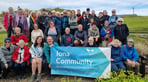
The Iona Community is seeking to appoint up to three new Directors (Trustees) to join our Council from the 2026 AGM.
This is a significant and rewarding opportunity to contribute to the governance and strategic direction of an international, ecumenical Christian movement rooted in hope and lived in community.
About the role
Directors of the Iona Community are also charity Trustees. Together, Council members hold collective responsibility for the governance, strategy and overall stewardship of the Community, ensuring that our work is faithful to our vision, values and charitable purposes. This role is one of strategic oversight, not day-to-day operational management, which is carried out by employed staff.
Trustees are expected to act with care and diligence, to safeguard the ethos and reputation of the Iona Community, and to help ensure that we remain legally, financially and spiritually sustainable for the future.
Who we are looking for
We are keen to hear from people who are aligned with the vision, purpose and values of the Iona Community and who can contribute thoughtfully and constructively to Council discussions.
Applicants may be Members, Associate Members, Friends of the Iona Community, or people from beyond the membership. We are particularly mindful of the need for a diverse mix of skills, backgrounds, perspectives and life experience on Council, and welcome applications from people who may not have previous trustee experience.
Trustees are encouraged to bring both professional expertise and a willingness to engage deeply with the life, faith and common task of the Community.

 Registered Charity
 21 - 50
We believe in the transformational power of community to change lives and that work for justice, peace and an equitable society is a matter of urgency



The client requests no contact from agencies or media sales.

Thank you!

Actively Interviewing
This organisation is scheduling interviews as applications come in. They're ready to hire as soon as they find the right person. Don't miss your opportunity, apply now!
The Coroners' Courts Support Service (CCSS) is a registered Charity whose trained volunteers give emotional and practical support to bereaved families and other witnesses attending an inquest.
We need volunteers to provide emotional support and practical help to bereaved families, witnesses and others attending Inquests at Coroners' Court. Our volunteers at court also provide help and assistance to the Coroners' Officers, as and when required.
We are looking for reliable, supportive people with excellent communication skills. A mature and calm attitude is needed in order to be able to talk to people during a sometimes bewildering and emotional experience. Volunteers must be willing to undergo a period of observations and shadowing, as well as attend a 3 day training course. A minimum commitment of one day (9:00am - 5:00pm) per fortnight is asked for. Training and mentoring is provided and travel expenses to the court are reimbursed.
New volunteers should possess good communication and listening skills and the ability to empathise with people they support.

The client requests no contact from agencies or media sales.
Thank you!
Do you want to join an organisation committed to addressing low literacy and numeracy?
Volunteers are essential to Shannon Trust and bring their energy, ideas and skills to train mentors in prisons, support learners in the community and enhance our business support team.
We are looking for volunteers to provide training and support to our mentors in prison. There may be some additional preparation and/ or administrative tasks in between volunteering days at the prison.
Our prison volunteers nurture the growth of the Shannon Trust in their prison. They help unlock the power of reading by delivering training sessions for prison mentors and offering ongoing advice, guidance and support through mentor meetings.
Volunteer recruitment dates
The closing date for applications to attend our next round of training is 3 May 2026. In some circumstances, volunteer vacancies may close early. Successful applicants will be sent interview questions in advance with notice to prepare. We will respond to all applications. Successful applicants will be invited to an interview between 4 May and 15 May 2026. This is an opportunity for you to meet our regional team, to find out more about you and for us to share more information about the volunteering role.
Training:
You'll be given high quality training to prepare you for volunteering with Shannon Trust. This takes place over 4 training sessions and via our online training portal. We ask that volunteers aim to complete the training in one course as this means that you will be ready to start actively volunteering. The next training sessions for volunteering for people applying to be a prison based volunteer will take place as follows.
Please check that you can attend all of the training the dates prior to applying:
-
27 May 2026, 10am – 1pm (via Zoom)
-
3 June 2026, 10am – 1pm (via Zoom)
-
10 June 2026, 10am – 1pm (via Zoom)
-
1 July 2026, 10am-4pm (in person session, London)
You’ll also receive the opportunity to attend ongoing training sessions and peer support meetings during your time as a volunteer to build your skills and experience.
Why we want you
Shannon Trust’s vision is of a future where everyone can experience the positive impact of learning. As a prison volunteer your role will be at the heart of our organisation as you support our mentors in prisons. This will include delivering training to new mentors and supporting existing mentors to develop and deliver our Turning Pages and Count Me In programmes. You will be volunteering alongside Shannon Trust facilitators and / or frontline prison staff to empower mentors and ensure no one is left out of learning.
What you will be doing
- Delivering initial, and ongoing, training to mentors in prisons
- Supporting and encouraging the Shannon Trust facilitator and mentors to attract new learners and expand the reach of the Shannon Trust programme
- Arranging and leading mentor meetings to develop mentors’ skills, share good practice and to provide support to mentors to find solutions to concerns
- Supporting facilitators to engage prison staff and people in prison to set-up, maintain and develop the Shannon Trust reading and numeracy programmes across the whole prison, and contributing to progress planning for how to progress and achieve this
- Using your skills to build positive relationships with frontline prison staff, people in prison and other organisations
- Training and supporting mentors to collect and submit data and learner feedback
- Supporting with the planning of, and attendance at, celebration events
- Collecting and sharing good news stories and feedback
- Attending area meetings and sharing good practice with other volunteers
- Engaging with quarterly reviews to receive support and discuss progress
- Acting as an ambassador for Shannon Trust in all that you do, sharing the vision and values of the charity throughout your volunteering
The skills you need
- A commitment to providing non-judgemental support to people in prison
- Able to give a regular, reliable commitment for ideally two years and have flexibility to visit the prison at times required
- Strong communication skills and are able to use these to inspire others
- Able to deliver engaging training and identify training and support needs for mentors
- Able to manage own time and prioritise
- Able to keep up to date with Shannon Trust news and communications and share relevant information with the wider prison team
- Able to use IT
What's in it for you
- Developing and growing your understanding of the HMPPS structure and prison system
- Reasonable, out of pocket, volunteering expenses are
- You will receive induction training and ongoing training to support and develop you in your role
- All volunteers receive ongoing support and quarterly reviews to enable you to gain the most from your volunteering experience
- We recognise and are grateful for the added value that volunteers bring to our organisation
- We provide flexible volunteering opportunities, subject to the requirements of your role
Disclaimer
In some circumstances, volunteer vacancies may close early.

Thank you!
Actively Interviewing
This organisation is scheduling interviews as applications come in. They're ready to hire as soon as they find the right person. Don't miss your opportunity, apply now!
INDEPENDENT READING GROUP VOLUNTEER (FACE-TO-FACE)
CARAS Youth ESOL Programme – Monday, Wednesday mornings
About CARAS:
Community Action for Refugees and Asylum Seekers (CARAS) is a registered charity that has been supporting refugees and asylum-seekers since 2002 empowering them to integrate and engage in the local community.
Arriving as an asylum seeker/refugee can be a disempowering experience. Difficulties with language, accessing services and overcoming prejudice are ever-present. As an organisation we are committed to work alongside refugees to overcome those challenges, and to help them build their lives.
We offer group support and targeted support work. We offer a range of activities including: ESOL classes; social and recreational activities such as youth club, drama, trips, and family activities; educational support for young people; and casework and advocacy support.
Our values are at the centre of all our work:
• Kindness: CARAS will nurture all who are part of our community, helping everyone to develop their skills, talents, and interests.
• Justice: CARAS will strive for social justice following a rights-based approach in all our work and challenging instances when rights are not upheld in wider society.
• Empowerment: CARAS works alongside people, recognising and respecting their skills and strengths and striving together for better outcomes.
• ‘With’ not ‘for’: CARAS will put the voices, opinions, experiences and needs of its beneficiaries at the heart of all that we do.
About Youth ESOL:
Our award-winning ESOL project offers English language classes to young people at a wide range of levels. This provides vital skills, opportunities and social contact and is crucial for enabling young people to do well at school or college.
About the Role:
CARAS is looking for Reading Group Volunteer to support our face-to-face study programme for young people.
The reading group is in Streatham and is an important element of a study programme for young people aged 14 to 18 who are out of formal education. The timings of the reading group sessions are as follows:
-
Monday afternoons 2pm to 3pm
-
Wednesday mornings 11am to 1pm.
Volunteers are required to attend either one of both sessions. Volunteers are also welcome to stay and support the more traditional English language classes either before the reading session on Mondays or after the reading session on Wednesdays.
Students will be supported to read at length and complete challenges that are adapted to their ability level.
The reading group aims to foster independence and a joy of reading among the young people and requires volunteers to learn about the young peoples' interests in order to help them select an appropriate text.
The ESOL teacher will provide volunteers with tips to support reading and understanding for emerging learners of English, such as phonics and elicitation strategies.
Volunteers will work with 1-5 students, mostly reading out loud with them or helping them to decode unfamiliar language.
Please note that ESOL classes do not run during school holidays, and we follow Wandsworth Council term dates.
Volunteer tasks and responsibilities:
-
Providing learners with one-to-one or small group support within the Reading Group sessions;
-
Helping to set up the classroom and provide learners with classroom resources;
-
Contributing to debriefs to inform the ESOL teacher how each student found the lesson/task and the students’ areas of greatest challenge and success;
-
Attending and contributing to volunteer debriefs after each session;
-
Making use of any community languages you may know to help students during the class;
-
Working collaboratively as a team and helping to shape the project;
-
Supporting people to develop their knowledge and skills, encouraging and inspiring participants to reach their full potential;
-
Assisting participants to recognise and celebrate their achievements;
-
Listening and supporting students to select, read and understand a text; Showing flexibility to the wide range of ability levels in the classroom;
-
Following CARAS’ confidentiality, safeguarding, health & safety, equal opportunities, data management and all other policies as relevant.
Requirements:
Essential
-
To be 18 years or older;
-
An interest in education and English language teaching;
-
Currently resident in the UK; has asylum-seeker or refugee status
-
* Able to provide five years’ worth of addresses, and willing to undergo a DBS check; *DBS and proof of residency is not necessary if you are a CARAS community member who is more recently arrived in the UK.
-
Able to attend volunteer induction training (online) prior to start of role
-
Able to travel to our community centre in Tooting (food and travel expenses can be reimbursed);
-
To be non-judgemental and able to engage with young people from diverse backgrounds;
-
To be reliable and punctual;
-
Good communication skills, especially with people who are new to English;
-
An interest in books and stories, writing and poetry
-
The ability to volunteer on Wednesday during Wandsworth term time for a minimum of four months;
Desirable:
-
Knowledge of community languages, such as Arabic, Tigrinya, Amharic, Pashto, Dari, Farsi, Kurdish, Somali or Spanish;
-
Experience of reading with young people or learners of English, or teaching ESOL or phonics.
Through volunteering with us you will:
-
Gain experience of English language teaching;
-
Meet new members of your local community;
-
Learn about different cultures;
-
Learn about issues relating to refugees and people seeking asylum;
-
Work as part of a friendly, welcoming team;
-
Develop your skills and competencies such as literacy and phonics strategies for emerging learners of English;
-
Be able to access relevant training, including safeguarding training.
-
Be able to obtain a reference from us relating to your placement after 3 months of regular volunteering.
 Registered Charity
6 - 10
Registered Charity
6 - 10
We provide firm foundations for new-arrival asylum seekers to build happy and successful lives.



The client requests no contact from agencies or media sales.
Thank you!
Actively Interviewing
This organisation is scheduling interviews as applications come in. They're ready to hire as soon as they find the right person. Don't miss your opportunity, apply now!
Join The Kids Network to Support Children in Your Camden Community!
Are you looking to donate your skills, give back to your community, or spend your time in a meaningful way? The Kids Network gives you the chance to make a real difference in a child’s life while developing your own skills and building connections. Support a Little Londoner in Camden by helping them grow in confidence. Set aside a little time each week to get creative, have fun, and make a lasting impact!
If you already have experience in mentoring, education, psychology, or related fields, The Kids Network provides an ideal platform to use and donate your skills. By becoming a mentor, you can actively practice your learned skills and see the direct impact of your efforts on the children in your local community and provide support to those who need it most.
Why Choose The Kids Network?
- Active Skill Application: Our programme allows you to apply your expertise in real-world settings, enhancing your practical experience.
- Structured Support: We provide comprehensive training and ongoing support, ensuring you can make the most of your skills.
- Proven Impact: With 100% of children reporting increased wellbeing, you’ll see tangible impact from your mentoring.
Impact on Mentees
- Building Confidence: Help children in your community develop self-assurance and resilience.
- Creating Opportunities: Provide guidance that helps young people navigate their challenges and seize opportunities.
- Strengthening Community: Contribute to the overall wellbeing of your community, fostering a sense of belonging and support.
Connection
- Personal Fulfilment: Experience the joy and satisfaction of making a positive impact on a child’s life.
- Meaningful Relationships: Form a strong bond with your mentee, providing guidance and support through fun and engaging activities.
- Community Engagement: Participate in mentor meet-ups and group activities, connecting with other mentors and mentees.
Your Role as a Mentor
As a mentor, you will hold weekly one-on-one sessions of 1-3 hours for the duration of 12 months. You will help build confidence, resilience, and help your mentee manage feelings through a series of fun experiences and activities. Whether you’re playing games or discussing goals, you’ll be making a difference in a child’s life by developing the tools for a positive future.
Join Us Today
Whether you're wanting to use your expertise, eager to give back and make an impact, or looking for purpose and connection, The Kids Network offers a meaningful way to contribute. Volunteer with us and become part of a community dedicated to fostering positive futures for children and mentors alike.
For more information and to apply, visit The Kids Network website
 Registered Charity
11 - 20
Registered Charity
11 - 20
The Kids Network is a community of children and volunteer mentors who connect through fun, curiosity and friendship for positive social change.




The client requests no contact from agencies or media sales.
Thank you!
Actively Interviewing
This organisation is scheduling interviews as applications come in. They're ready to hire as soon as they find the right person. Don't miss your opportunity, apply now!
Do you live in Wales and want to gain valuable skills, have new experiences, and support vulnerable people?
We are offering 2 young people aged 18-25 the opportunity to volunteer with the Portuguese Red Cross in Braga, Portugal. Next placement dates are planned for: 5th January - end of August 2026.
You will be working on a range of projects, which will give you the chance to explore the different kinds of social action that the Portuguese Red Cross undertake in Braga.
Typical tasks may involve:
- Supporting the charity shop, Ponto Vermelho, with social media, sorting donations and organising the displays.
- Supporting in the Youth Centre for the Roma Community – organising and delivering activities, helping with homework.
- Supporting in the Foster Care for Unaccompanied Minor Refugees.
- Supporting the Social Kindergarten.
- Assisting with projects which help the homeless and the elderly.
- Assisting in the writing of project proposals and funding bids.
It's a fantastic opportunity to get involved in projects and find out what you are interested in. For more details on the role and the projects available, have a look at the role description. The main thing we want to see is your motivation for this placement! These are fully funded placements, with return flights, accommodation and health insurance covered - volunteers receive a small monthly stipend for living expenses.
Please note that only young people based in Wales can apply for this role, as it is Taith funded. Interviews will take place online with shortlisted candidates.
We are keen to hear from individuals especially those who do not normally get the chance to volunteer overseas, who are passionate and motivated about working in the humanitarian sector and international volunteering but who also understand that these types of placements require adaptability and resilience. We are especially interested in applications from those who are from low socio-economic backgrounds, are carers or are care experienced, have accessed free school meals, are refugees or asylum seekers and those with disabilities or additional needs.
 Registered Charity
More than 1000
Registered Charity
More than 1000
To mobilise the power of humanity so that people can prepare for, respond to, and recover from crisis.
The client requests no contact from agencies or media sales.
Thank you!
Actively Interviewing
This organisation is scheduling interviews as applications come in. They're ready to hire as soon as they find the right person. Don't miss your opportunity, apply now!
We are Forward, the social enterprise that empowers people to break the cycle of crime or addiction to move forward with their lives. For more than 25 years we have been working with people to build positive and productive lives, whatever their past. We believe that anyone is capable of lasting change. Our services have supported thousands of people to make positive changes and build productive lives with a job, family, friends and a sense of community.
The Forward Enterprise Team is part of Forward’s employability service. The team supports enterprises and charities that create self employment opportunities for ex-offenders and people in recovery from addiction. Eligible applicants can benefit from a tailored mix of support to help grow their business and access investment.
As an Enterprise Mentor, you will be supporting clients of Forward’s Enterprise Support team to reach their full potential to start and build a successful business. Acting as a role model, you will use your personal experience and expertise to guide them with their personal goals and challenges. You will be matched to a mentee according to their aspirations and your personal expertise. You will meet with your mentees once to twice a month and will need to be able to commit to 4 to 6 hours a month to support your mentee . This is a just a recommendation and is flexible based on the Mentee's needs. Training is provided to all volunteers to support them with their volunteering duties and enable them to further their skills and experience with our client group.
We recommend that the Mentor commits to volunteering to 4-6 hours a month for a period of 6 months. This is just a recommendation and can be flexible according to the needs of the Mentee.
Task description:
- Build a trusting and supportive relationship with your mentee
- Be a consistent ear to listen
- Support your mentee to formulate realistic and achievable goals
- Support your mentee with the barriers they encounter and provide guidance on how to overcome these
- Support your mentee by using your professional expertise and knowledge of the sector to guide them
- Listen to the mentees’ concerns and work with them to overcome these
- Listen to your mentee’s ideas and give honest feedback on them
- Be a positive role model to your mentee
Specific duties:
- Arrange and attend monthly meetings with your mentees
- Set targets at the meetings and encourage your mentee to work towards those
- Provide practical support to help your mentee with their concerns and barriers to enable them to overcome them
- Keep a record of your meetings by completing the relevant paperwork after each meeting
- Ensure that notes of meetings are sent to your placement supervisor
- Attend monthly mentor meetings to hear group feedback, raise any concerns and learn from other mentors’ experiences
Perks and Benefits:
Induction training will be provided to the volunteer and will include the following E-Learning:
o Induction to the Forward Trust
o Safeguarding
o Data Protection & GDPR
o Health and Safety
]
Additional internal training will be discussed and offered according to the need of the volunteer in placement to support you with your personal development goals. This may include: group facilitation skills, 12 Steps awareness. External training requests will need to be agreed with placement supervisor and submitted to Head Office for approval prior to completing a course.
Skills You'll Need
Below is a list of the qualities that we are looking from volunteer:
- If in Recovery from Addiction, to be 12 months abstinent from all mood altering substances.
- To have the ability to engage effectively with the client group.
- To have a clear understanding of confidentiality.
- To have a clear understanding of how to set and maintain boundaries.
- To be able to communicate and actively listen to client’s concerns.
- To be able to treat clients in a positive and non-judgemental manner.
- To be committed to own learning and development
- To have experience of setting and managing your own business

The client requests no contact from agencies or media sales.
Thank you!
Are you someone who listens well, offers steady support, and cares deeply about Justice and Dignity within the Church?
The Discrimination and Abuse Response Service (DARS) is an important part of the Justice, Dignity and Solidarity strategy. It exists to support people who experience discrimination within the Methodist Church and to strengthen confidence that these concerns are taken seriously.
We are seeking voluntary Accompanists to walk alongside individuals as they navigate Church processes.
What We Offer:
- Training and ongoing supervision
- Support from the DARS Coordinator and Connexional Team
- A flexible time commitment, typically a few hours per month
- Reimbursement of reasonable travel and related expenses
If you feel called to support a Church where dignity is valued and people are listened to with care, we warmly encourage you to apply.
Closing Date: 20 March 2026 at 5pm
Shortlisting date: 25 March 2026
Interview Date (online): 14 April 2026
 Registered Charity
101 - 500
Registered Charity
101 - 500
The calling of the Methodist Church is to respond to the gospel of God's love in Christ and to live out its discipleship in worship and mission.

Thank you!

Actively Interviewing
This organisation is scheduling interviews as applications come in. They're ready to hire as soon as they find the right person. Don't miss your opportunity, apply now!
Our Second Home (OSH) is the UK’s youth movement of people with refugee backgrounds. We have welcomed over 600 young people from 50 countries to our activities in London, Essex and Bristol.
Mission
For young people with refugee experience to build community, become leaders and flourish into adulthood in the place they call home. Through transformative activities, our members take control of their lives and create meaningful change for themselves and their wider community.
About This Role
OSH is at a pivotal point in its development.
Over the past few years, OSH has grown from a small, founder-led organisation into a national movement with increasing reach, complexity, and ambition. Our income has risen from £250,000 to £500,000, our staff and volunteer base is expanding, and our programmes are reaching more young people than ever before.
OSH now needs confident, experienced, and future-focused governance that can support scaling while protecting the culture, values, and relational way of working that make the organisation distinctive.
Your role will involve 4 main areas:
- Board Leadership and Governance
- Strategy and Organisational Leadership
- CEO Support, Appraisal, and Accountability
- External Representation and Engagement
More information is in the recruitment pack attached.
About You
Essential
- Significant experience in organisational and strategic leadership, ideally including guiding a charity or mission-driven organisation from small to medium scale
- A proactive and forward-thinking mindset, demonstrating the ability to anticipate potential issues and risks while identifying opportunities.
- Strong understanding of good governance, with the confidence to lead a board and hold senior executives to account
- Experience of or exposure to fundraising, financial sustainability, and organisational development
- The ability to balance support and challenge, particularly in a Chair - CEO relationship
- Commitment to OSH’s mission and values, including a genuine willingness to engage with and be guided by those with lived experience of the asylum system
- Highly organised and dynamic, with the ability to prioritise the effective use of Board time, facilitate the timely and focused distribution of information, and ensure appropriate follow-up to Board decisions.
- Excellent interpersonal skills, with the emotional intelligence to lead inclusively, collaboratively, and sensitively
Desirable
- Lived experience of asylum or forced migration
- Previous experience as a Chair or Vice-Chair of a charity or similar organisation
- Experience working with youth-led or lived-experience-led organisations
- Familiarity with safeguarding in youth or community settings

The client requests no contact from agencies or media sales.
Thank you!
Actively Interviewing
This organisation is scheduling interviews as applications come in. They're ready to hire as soon as they find the right person. Don't miss your opportunity, apply now!
Would you like to support people who have served in the Armed Forces? You just need the ability to listen, strong IT skills and good written and spoken English. If you think this could be the role for you, we’d love to hear from you.
What is a Caseworker?
Caseworkers visit clients to work out what type of support they need. You will listen without judgement to assess and provide tailored support to help those serving, who have served and their families to navigate life in and beyond military service. Some examples of support are securing funding for special equipment for someone with a disability, adaptions to a property so an older client can remain at home or funds for a rental deposit. Caseworkers also sign-post clients onto specialist local services for advice on benefits, housing, mental health, debt, finding work etc.
Why do we need you?
We’ve been supporting the Armed Forces community since 1885. Our clients come from all backgrounds and age groups and may have served in WW2 or in a more recent conflict like the Falklands or Afghanistan. We’d love the general public to understand what we do and how they can help us.
There are SSAFA branches throughout the UK and overseas who support local volunteers to deliver services to veterans, serving personnel and their families. Some branches are divided into smaller divisions to ensure the best local service delivery. Each branch has a team of volunteer caseworkers, support volunteers, executive roles, and fundraisers.
Volunteer Caseworkers are the lifeblood of SSAFA, supporting a growing number of people in need of financial, practical, and emotional support. Clients come from all backgrounds and age groups and may have served in WW2 or in a more recent conflict like Iraq or Afghanistan.
When would you be needed and where would you be based?
The essential part of the role is visiting clients, so you will need access to a vehicle or another way to travel to meet clients at home or in a care home setting. As part of your local branch, you might have access to an office, but you can complete the administration part of the role from home as long as you have access to IT equipment and the internet.
What would you be doing?
- Contacting beneficiaries and arranging to meet them at a mutually convenient time.
- Meeting beneficiaries and completing a form to assess their circumstances, using good communication skills, empathy and understanding.
- Sign-posting clients onto local services providing specialist advice.
- Applying for funding on the behalf of the beneficiary through a specific process and system
- Arranging for the purchase of goods and services
- Keeping the beneficiary informed of their case progress.
- Liaise with the branch and regional office, regarding your availability.
- Keeping up to date with training and SSAFA news so that you are best able to support clients.
- Being a positive ambassador for SSAFA remembering that anyone you meet could be a potential client, volunteer, or fundraiser.
- Volunteering within the standards and values of SSAFA
- Adhering to SSAFAs policies and procedures at all times, including safeguarding, volunteering policy, equality, diversity and inclusion, health and safety, data protection and confidentiality.
What can you gain from this volunteering role?
- Use your skills, knowledge, and life experience to benefit others.
- Support from your local SSAFA branch and the wider SSAFA community
- Experience, training, and skills that you can highlight on your CV and in job interviews.
- Better physical and mental health – studies show that volunteers live longer and experience lower levels of stress and depression!
What training and support would you receive?
- Role specific training to prepare you for your voluntary role – confidentiality and boundaries, personal safety, caseworker training, and caseworker IT system training. The caseworker training takes 3 days and a further half a day for the other training.
- Mandatory on-line training modules to complete at home, so you are up to date on how to keep clients, their families safe and personal information safe.
- Access to a range additional e-learning courses as well as local opportunities for your personal and professional development.
- Local induction including assigning a person from the team who will be your main point of contact.
- Regular opportunities to meet and share best practice with other caseworkers.
- Range of support from central and regional volunteer operations team.
- Reimbursement of out-of-pocket expenses
- Volunteers will be covered by SSAFAs Public Liability Insurance whilst carrying out the role.
What are we looking for?
- Friendly and approachable with good listening skills, patience, and a positive attitude.
- Good communication skills both written and verbally.
- Respectful and non-judgemental approach with beneficiaries, their family, other agencies and SSAFA colleagues
- Willingness and ability to use IT systems for initial and on-going training and to enter cases on the Casework Management System. Willingness and ability to send and receive emails – you will receive your own SSAFA email address which you will be required to use when exercising your role.
- Ability to make enquires on behalf of beneficiaries by phone, email, letter or by filling in forms.
- Ability to keep within boundaries of the role with regards to friendship or giving advice
- Reliable, prompt and trustworthy.
- Access to public transport or a car to travel to appointments with clients.
We welcome volunteers of all backgrounds, abilities, races, sexual orientations, socio-economic backgrounds, and of all faiths and none. SSAFA are committed to making reasonable adjustments to support volunteers with disabilities, so they have access to the same opportunities and experiences as volunteers who do not.
Minimum Age: 18
Safer Recruitment: SSAFA undertakes a systematic approach and utmost care at every step of the process of volunteer recruitment, selection, and retention to ensure that those recruited are suitable and appropriate. Measures taken at points along this journey work together to make volunteering at SSAFA a positive and safe experience.
References Required: Yes. We will ask for two character references, this can be a former employer or someone that know you well (other than a relative)
Is a criminal record check required? Yes, this is provided by SSAFA at no cost to the potential volunteer. This role requires an enhanced check (including checks against the children and adults barred list)
*A disclosure certificate that contains convictions, cautions, warnings, reprimands, or other information may not automatically mean that you are not able to volunteer. All certificates will be reviewed on a case-by-case basis and, where possible, a modified or alternative role will be offered.
 Registered Charity
101 - 500
Registered Charity
101 - 500
Our vision A society in which the Armed Forces, veterans and their families can thrive.

The client requests no contact from agencies or media sales.
Thank you!
Actively Interviewing
This organisation is scheduling interviews as applications come in. They're ready to hire as soon as they find the right person. Don't miss your opportunity, apply now!
Would you like to support people who have served in the Armed Forces? You just need the ability to listen, strong IT skills and good written and spoken English. If you think this could be the role for you, we’d love to hear from you.
What is a Caseworker?
Caseworkers visit clients to work out what type of support they need. You will listen without judgement to assess and provide tailored support to help those serving, who have served and their families to navigate life in and beyond military service. Some examples of support are securing funding for special equipment for someone with a disability, adaptions to a property so an older client can remain at home or funds for a rental deposit. Caseworkers also sign-post clients onto specialist local services for advice on benefits, housing, mental health, debt, finding work etc.
Why do we need you?
We’ve been supporting the Armed Forces community since 1885. Our clients come from all backgrounds and age groups and may have served in WW2 or in a more recent conflict like the Falklands or Afghanistan. We’d love the general public to understand what we do and how they can help us.
There are SSAFA branches throughout the UK and overseas who support local volunteers to deliver services to veterans, serving personnel and their families. Some branches are divided into smaller divisions to ensure the best local service delivery. Each branch has a team of volunteer caseworkers, support volunteers, executive roles, and fundraisers.
Volunteer Caseworkers are the lifeblood of SSAFA, supporting a growing number of people in need of financial, practical, and emotional support. Clients come from all backgrounds and age groups and may have served in WW2 or in a more recent conflict like Iraq or Afghanistan.
When would you be needed and where would you be based?
The essential part of the role is visiting clients, so you will need access to a vehicle or another way to travel to meet clients at home or in a care home setting. As part of your local branch, you might have access to an office, but you can complete the administration part of the role from home as long as you have access to IT equipment and the internet.
What would you be doing?
- Contacting beneficiaries and arranging to meet them at a mutually convenient time.
- Meeting beneficiaries and completing a form to assess their circumstances, using good communication skills, empathy and understanding.
- Sign-posting clients onto local services providing specialist advice.
- Applying for funding on the behalf of the beneficiary through a specific process and system
- Arranging for the purchase of goods and services
- Keeping the beneficiary informed of their case progress.
- Liaise with the branch and regional office, regarding your availability.
- Keeping up to date with training and SSAFA news so that you are best able to support clients.
- Being a positive ambassador for SSAFA remembering that anyone you meet could be a potential client, volunteer, or fundraiser.
- Volunteering within the standards and values of SSAFA
- Adhering to SSAFAs policies and procedures at all times, including safeguarding, volunteering policy, equality, diversity and inclusion, health and safety, data protection and confidentiality.
What can you gain from this volunteering role?
- Use your skills, knowledge, and life experience to benefit others.
- Support from your local SSAFA branch and the wider SSAFA community
- Experience, training, and skills that you can highlight on your CV and in job interviews.
- Better physical and mental health – studies show that volunteers live longer and experience lower levels of stress and depression!
What training and support would you receive?
- Role specific training to prepare you for your voluntary role – confidentiality and boundaries, personal safety, caseworker training, and caseworker IT system training. The caseworker training takes 3 days and a further half a day for the other training.
- Mandatory on-line training modules to complete at home, so you are up to date on how to keep clients, their families safe and personal information safe.
- Access to a range additional e-learning courses as well as local opportunities for your personal and professional development.
- Local induction including assigning a person from the team who will be your main point of contact.
- Regular opportunities to meet and share best practice with other caseworkers.
- Range of support from central and regional volunteer operations team.
- Reimbursement of out-of-pocket expenses
- Volunteers will be covered by SSAFAs Public Liability Insurance whilst carrying out the role.
What are we looking for?
- Friendly and approachable with good listening skills, patience, and a positive attitude.
- Good communication skills both written and verbally.
- Respectful and non-judgemental approach with beneficiaries, their family, other agencies and SSAFA colleagues
- Willingness and ability to use IT systems for initial and on-going training and to enter cases on the Casework Management System. Willingness and ability to send and receive emails – you will receive your own SSAFA email address which you will be required to use when exercising your role.
- Ability to make enquires on behalf of beneficiaries by phone, email, letter or by filling in forms.
- Ability to keep within boundaries of the role with regards to friendship or giving advice
- Reliable, prompt and trustworthy.
- Access to public transport or a car to travel to appointments with clients.
We welcome volunteers of all backgrounds, abilities, races, sexual orientations, socio-economic backgrounds, and of all faiths and none. SSAFA are committed to making reasonable adjustments to support volunteers with disabilities, so they have access to the same opportunities and experiences as volunteers who do not.
Minimum Age: 18
Safer Recruitment: SSAFA undertakes a systematic approach and utmost care at every step of the process of volunteer recruitment, selection, and retention to ensure that those recruited are suitable and appropriate. Measures taken at points along this journey work together to make volunteering at SSAFA a positive and safe experience.
References Required: Yes. We will ask for two character references, this can be a former employer or someone that know you well (other than a relative)
Is a criminal record check required? Yes, this is provided by SSAFA at no cost to the potential volunteer. This role requires an enhanced check (including checks against the children and adults barred list)
*A disclosure certificate that contains convictions, cautions, warnings, reprimands, or other information may not automatically mean that you are not able to volunteer. All certificates will be reviewed on a case-by-case basis and, where possible, a modified or alternative role will be offered.
Registered Charity
101 - 500
Our vision A society in which the Armed Forces, veterans and their families can thrive.
The client requests no contact from agencies or media sales.
Thank you!
Actively Interviewing
This organisation is scheduling interviews as applications come in. They're ready to hire as soon as they find the right person. Don't miss your opportunity, apply now!
Would you like to support people who have served in the Armed Forces? You just need the ability to listen, strong IT skills and good written and spoken English. If you think this could be the role for you, we’d love to hear form you.
What is a caseworker?
Caseworkers visit clients to work out what type of support they need. You will listen without judgement to assess and provide tailored support to help those serving, who have served and their families to navigate life in and beyond military service. Some examples of support are securing funding for special equipment for someone with a disability, adaptions to a property so an older client can remain at home or funds for a rental deposit. Caseworkers also sign-post clients onto specialist local services for advice on benefits, housing, mental health, debt, finding work etc.
Why do we need you?
We’ve been supporting the Armed Forces community since 1885. Our clients come from all backgrounds and age groups and may have served in WW2 or in a more recent conflict like the Falklands or Afghanistan. We’d love the general public to understand what we do and how they can help us.
There are SSAFA branches throughout the UK and overseas who support local volunteers to deliver services to veterans, serving personnel and their families. Some branches are divided into smaller divisions to ensure the best local service delivery. Each branch has a team of volunteer caseworkers, support volunteers, executive roles, and fundraisers.
Volunteer Caseworkers are the lifeblood of SSAFA, supporting a growing number of people in need of financial, practical, and emotional support. Clients come from all backgrounds and age groups and may have served in WW2 or in a more recent conflict like Iraq or Afghanistan.
When would you be needed and where would you be based?
The essential part of the role is visiting clients, so you will need access to a vehicle or another way to travel to meet clients at home or in a care home setting. As part of your local branch, you might have access to an office, but you can complete the administration part of the role from home as long as you have access to IT equipment and the internet.
What would you be doing?
- Contacting beneficiaries and arranging to meet them at a mutually convenient time.
- Meeting beneficiaries and completing a form to assess their circumstances, using good communication skills, empathy and understanding.
- Sign-posting clients onto local services providing specialist advice.
- Applying for funding on the behalf of the beneficiary through a specific process and system
- Arranging for the purchase of goods and services
- Keeping the beneficiary informed of their case progress.
- Liaise with the branch and regional office, regarding your availability.
- Keeping up to date with training and SSAFA news so that you are best able to support clients.
- Being a positive ambassador for SSAFA remembering that anyone you meet could be a potential client, volunteer, or fundraiser.
- Volunteering within the standards and values of SSAFA
- Adhering to SSAFAs policies and procedures at all times, including safeguarding, volunteering policy, equality, diversity and inclusion, health and safety, data protection and confidentiality.
What can you gain from this volunteering role?
- Use your skills, knowledge, and life experience to benefit others.
- Support from your local SSAFA branch and the wider SSAFA community
- Experience, training, and skills that you can highlight on your CV and in job interviews.
- Better physical and mental health – studies show that volunteers live longer and experience lower levels of stress and depression!
What training and support would you receive?
- Role specific training to prepare you for your voluntary role – confidentiality and boundaries, personal safety, caseworker training, and caseworker IT system training. The caseworker training takes 3 days and a further half a day for the other training.
- Mandatory on-line training modules to complete at home, so you are up to date on how to keep clients, their families safe and personal information safe.
- Access to a range additional e-learning courses as well as local opportunities for your personal and professional development.
- Local induction including assigning a person from the team who will be your main point of contact.
- Regular opportunities to meet and share best practice with other caseworkers.
- Range of support from central and regional volunteer operations team.
- Reimbursement of out-of-pocket expenses
- Volunteers will be covered by SSAFAs Public Liability Insurance whilst carrying out the role.
What are we looking for?
- Friendly and approachable with good listening skills, patience, and a positive attitude.
- Good communication skills both written and verbally.
- Respectful and non-judgemental approach with beneficiaries, their family, other agencies and SSAFA colleagues
- Willingness and ability to use IT systems for initial and on-going training and to enter cases on the Casework Management System. Willingness and ability to send and receive emails – you will receive your own SSAFA email address which you will be required to use when exercising your role.
- Ability to make enquires on behalf of beneficiaries by phone, email, letter or by filling in forms.
- Ability to keep within boundaries of the role with regards to friendship or giving advice
- Reliable, prompt and trustworthy.
- Access to public transport or a car to travel to appointments with clients.
We welcome volunteers of all backgrounds, abilities, races, sexual orientations, socio-economic backgrounds, and of all faiths and none. SSAFA are committed to making reasonable adjustments to support volunteers with disabilities, so they have access to the same opportunities and experiences as volunteers who do not.
Minimum Age: 18
Safer Recruitment: SSAFA undertakes a systematic approach and utmost care at every step of the process of volunteer recruitment, selection, and retention to ensure that those recruited are suitable and appropriate. Measures taken at points along this journey work together to make volunteering at SSAFA a positive and safe experience.
References Required: Yes. We will ask for two character references, this can be a former employer or someone that know you well (other than a relative)
Is a criminal record check required? Yes, this is provided by SSAFA at no cost to the potential volunteer. This role requires an enhanced check (including checks against the children and adults barred list)
*A disclosure certificate that contains convictions, cautions, warnings, reprimands, or other information may not automatically mean that you are not able to volunteer. All certificates will be reviewed on a case-by-case basis and, where possible, a modified or alternative role will be offered.
Registered Charity
101 - 500
Our vision A society in which the Armed Forces, veterans and their families can thrive.
The client requests no contact from agencies or media sales.
Thank you!
Actively Interviewing
This organisation is scheduling interviews as applications come in. They're ready to hire as soon as they find the right person. Don't miss your opportunity, apply now!
Chatterbox Befrienders offer one-to-one telephone support and will call a client once a week offering companionship and a listening ear for an individual who might otherwise go unheard. Chatterbox volunteers befriend a variety of people including carers, socially isolated individuals who are struggling with loneliness, people with ill health and those that
have been bereaved.
THIS ROLE COULD BE FOR YOU IF:
- Would like to make a real difference in someone’s life
- Want to challenge loneliness and can commit to a weekly phone call
- Are a good listener
- Are empathetic, patient and of a caring nature
- Have good verbal and inter-personal communication skills
- Recognise the importance of confidentiality and can uphold this in practice
- Are committed to inclusion and treating people with dignity and respect
REQUIREMENTS OF A BEFRIENDER INCLUDE:
- Calling your client once a week for a chat of up to 45 minutes; this is a 26 week initial commitment, at the end of which each client’s needs are reviewed
- Completing an online call log record promptly after each phone call
- Ensuring immediate contact with the Chatterbox Coordinators if you feel that the client might be a risk to themselves or others
- Liaising with the Chatterbox Coordinator on a regular basis regarding the service, as well as discussing personal learning and development needs
- Respecting service standards, appropriate boundaries and recognising the range of policies and procedures that impact on befriending vulnerable adults
BENEFITS OF THE ROLE MAY INCLUDE:
- Knowing you are making a difference to someone’s life
- Joining the Omega Team who are taking action against loneliness and isolation
- An opportunity to enhance your CV or learn new skills
- An opportunity to engage with your community
SUPPORT AND TRAINING PROVIDED:
- Omega Chatterbox induction program
- Safeguarding training
- Ongoing support from Chatterbox Coordinators for all questions, concerns, and support
- Out of pocket expenses are reimbursed and a mobile phone can be provided if appropriate
- Monthly Befriender group support meetings via the Zoom app
LOCATION OF THE ROLE:
- Home-based
WHEN ARE YOU NEEDED:
- Provided on enquiry
A Disclosure and Barring Service (DBS) check is required for this role. If you have a criminal record this does not automatically prevent you from being considered as an Omega Chatterbox Befriender. We will take into account the nature of the offence, when it happened and whether it is relevant to the voluntary role. If you are shortlisted, this will be discussed with you during the recruitment process.
 Registered Charity
101 - 500
Registered Charity
101 - 500
Omega is a registered charity dedicated to reducing social isolation and loneliness.


The client requests no contact from agencies or media sales.
Thank you!
If you care about equity in the arts, believe creative talent should thrive in Bradford, and want to play a part in shaping cultural change locally and nationally, we’d love to hear from you.
Bradford Producing Hub is an artist-led charity working to dismantle barriers in the arts and build more equitable systems in their place. Our vision is a just and joyful cultural future – powered by people, rooted in place, and open to all.
We support artists and creatives through development programmes, sector advocacy and strategic partnerships. We work locally in Bradford and influence nationally.
Who we’re looking for
We’re particularly interested in people with experience in:
- Chairing, or an interest in developing into a future Chair role
- Arts and cultural leadership
- Being an independent artist or creative practitioner
- Charity finance and accountancy
- Fundraising and charitable giving
- HR or legal practice
- Heritage, cultural building management and/or capital development
If you don’t have the specific experience listed above, but your values and outlook closely align with the work of Bradford Producing Hub, we’re very much interested in hearing from you.
We are also actively seeking voices that represent the Bradford district, and we particularly welcome applications from people from the Global Majority*, including Black, Asian and ethnically diverse communities who are underrepresented in arts leadership and governance. We equally welcome applications from people who are LGBTQIA+, disabled**, and/or from working-class or low socio-economic backgrounds.
We are committed not only to diversifying representation, but to ensuring trustees feel valued, heard and able to shape decisions meaningfully. BPH is radical, kind, equity-driven and community-spirited. We are committed to anti-racist and anti-ableist practice, recognising that structural racism and ableism continue to shape the arts sector. We are actively working to challenge this within our governance and partnerships, and we expect trustees to share that commitment.
We know that joining a board can feel daunting, particularly where governance spaces have not always felt welcoming. We are committed to providing induction, support and space for all trustees to contribute confidently and meaningfully.
If you have ever looked at arts leadership and felt it did not reflect you, this is an invitation to help change that.
What does being a trustee involve?
Trustees shape our long-term strategy, influence cultural policy, and hold the organisation to account in line with our charitable aims.
You don’t need previous board experience. Collective leadership at BPH is built on shared responsibility, openness and learning together. We provide induction and ongoing development and training.
Commitment includes:
- Around four board meetings per year
- Preparation and reading in advance
- Occasional additional support or sub-group involvement
While the role is unpaid, we cover expenses and provide a role that offers valuable non-executive directorial experience, which includes:
- Professional skills development contributing to career enhancement
- Personal fulfilment through volunteering your time and expertise to an organisation you value, supporting it to realise its goals
- Expanding your professional network while working with like-minded people to support the creative and cultural sector in Bradford
If you are interested in becoming a trustee, please read the ‘recruitment pack’ here before applying.
How to apply
To apply, please email your application
- A summary of your experience (this can be a CV or short document)
- A letter explaining why you’re interested and how your skills align with the role
- Written, audio or video formats are all welcome
- If you have any access requirements at any stage, please let us know when emailing us.
Applications close: Monday 23 March 2026 at 11 PM
Interviews: Week commencing 30 March 2026

The client requests no contact from agencies or media sales.
Thank you!
Actively Interviewing
This organisation is scheduling interviews as applications come in. They're ready to hire as soon as they find the right person. Don't miss your opportunity, apply now!
Al Naasih is a 1‑to‑1 mentoring programme established by Hidayah in March 2020. It seeks to support queer Muslims struggling to reconcile their faith and identity. Mentors are trained in relevant skills (emotional intelligence, active listening, managing relationships, etc.) and paired with mentees to help them achieve personal goals. Within this role you will:
· Provide empathetic, non-judgemental support for mentees working through challenges related to faith, identity and wellbeing
· Help mentees set and achieve personal goals
· Act as a positive role model and safe space
· Assist mentees in exploring reconciling their faith with their LGBTQ+ identity, supporting spiritual, emotional, and practical wellbeing
Please this role is UK based and online/virtual.
What are the key responsibilities of this role?
This role will have the following duties, but are not limited to:
· Build a trusting and respectful relationship with mentee
· Be in regular contact: at least once per month, according to what works best)
· Help mentees identify goals, hurdles, and strategies to work towards those goals
· Listen actively and empathetically; offer guidance rather than prescribing solutions
· Maintain confidentiality, boundaries, and ethical conduct
· Attend required training sessions (1‑on‑1) to develop mentoring skills (emotional intelligence, active listening, relationship management, etc.)
· Reflect on own practice; be open to feedback and possibly supervision / check‑ins
What do we expect from an Al Naasih Mentor?
Please note that you must agree with and fit the criteria below to be eligible to volunteer in this role:
Essential:
· Must be a queer Muslim
· Strong empathy, patience, and trustworthiness
· Comfortable discussing issues around faith and sexuality / identity
· Good communication skills; active listening; emotional intelligence
· Ability to set and maintain healthy boundaries
· Reliability and consistency (making time for regular sessions)
· Ability to maintain confidentiality regarding mentee’s personal information
·Ability to recognise limits of the mentoring role (e.g. not a therapist / counsellor) and refer on where needed
· Able to respect the mentee’s autonomy and pace
Desirable:
· Prior experience of mentoring, coaching, or peer‑support work
· Some understanding of LGBTQ+ issues within Muslim communities
This role will report to the Al Naasih Programme Coordinator or designated lead.
How much commitment is required?
This is a voluntary role with flexible hours subject to the agreement between you and your mentee. However, the following are vital to the success of this role:
· Minimum once per month meetings (virtual) with mentee
· Time needed to prepare, reflect, and possibly attend training or support / supervision meetings
· Duration per mentee: to be mutually agreed, depending on goals and needs
· Up to three mentees once comfortable with the role
 Registered Charity
11 - 20
Registered Charity
11 - 20
Our mission is to provide support and welfare for LGBTQI+ Muslims
The client requests no contact from agencies or media sales.