Upload your CV
Save time when you spot your dream job. Upload your CV with ease.
Save time when you spot your dream job. Upload your CV with ease.

Trustee Role Description
Our trustees play a vital role in making sure that Caudwell Youth achieves its core purpose. They oversee the overall management and administration of the charity. They also ensure that we have a clear strategy and that our work and goals are in line with our vision. Just as importantly, they support and challenge the executive team to enable Caudwell Youth to grow and thrive, and through this, shape young people’s futures.
Board members have a collective responsibility. This means that trustees always act as a group and not as individuals.
Trustee Duties
What We Are Looking For
We are looking for people willing to bring energy, enthusiasm and commitment to the role, and who will broaden the diversity of thinking on our board.
Personal Skills and Qualities
In addition to these, we are particularly looking for skills and experience in charity marketing and communications, as well as public sector funding / commissioning.
We want to grow our volunteering so experience here would also be welcome. As a young people’s charity we are also interested in applications from younger people and those with lived experience aged 18 and over.
Terms of Appointment
Terms of Office
Time Commitment
The client requests no contact from agencies or media sales.


Actively Interviewing
This organisation is scheduling interviews as applications come in. They're ready to hire as soon as they find the right person. Don't miss your opportunity, apply now!
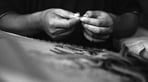
Prison-based volunteers are the backbone of Fine Cell Work (FCW). Supported by the Fine Cell Work programmes team and by other staff at the FCW office, they teach and administer FCW stitching groups in prisons.
Prison volunteers work in teams to organise classes and teach our stitchers, as well as providing groups information to the prison and to the FCW office. The precise mix of skills will vary from prison to prison.
Volunteering in prison for Fine Cell Work requires ideally a good level of needlework skill (or a willingness to learn), some teaching experience and/or experience of working with socially-excluded groups. Volunteers must be patient and non-judgemental in order to work effectively. As a prison volunteer you will:
It is essential for volunteers to support FCW ethos, believe in rehabilitation, be an excellent teamworker, observe personal boundaries, be reliable and patient to ensure cell groups run smoothly, and have record-keeping skills and have at knowledge of tapestry/needlework. .
Volunteers work in prisons around the UK dependant on where groups are based, therefore it is requred that volunteers will be able to travel to the relevant prisons. Travel expenses will be reimbursed by the charity.
Please take some time to read the role description to find put more details about the role and what we offer to our volunteers.
At Fine Cell Work, we know diversity fosters creativity and innovation. We are committed to equality of opportunity, to being fair and inclusive, and to being a place where all belong. We therefore particularly encourage applications from candidates who are likely to be underrepresented in FCW’s workforce.
These include applicants from Black, Asian and minority ethnic backgrounds, people with disabilities, LGBTQI+, and male identifying applicants as these are currently under-represented in our volunteers groups.
The client requests no contact from agencies or media sales.
Actively Interviewing
This organisation is scheduling interviews as applications come in. They're ready to hire as soon as they find the right person. Don't miss your opportunity, apply now!
Fine Cell Work (FCW) is a UK-based rehabilitation charity and social enterprise. We are supported by an incredible team of prison volunteers who are the link between the charity and the stitchers we work with in prison. Our volunteers run fortnightly stitching groups in the prisons we work with to facilitate our stitchers’ production of high-quality needlework.
Our prison volunteers work in small teams to teach our stitchers’ embroidery and needlepoint, organise their group sessions, and liaise with the prison and FCW office.
What you will do as a prison volunteer:
Who we are looking for:
Commitment: our stitching groups run for 2 hours every fortnight, so with travel time and some admin work after groups we ask prison volunteers to set aside a morning or afternoon every 2 weeks.
You must be over 18 for this role with the ability to travel to the prison. Travel expenses will be reimbursed by the charity.
The client requests no contact from agencies or media sales.
Actively Interviewing
This organisation is scheduling interviews as applications come in. They're ready to hire as soon as they find the right person. Don't miss your opportunity, apply now!
Fine Cell Work (FCW) is a UK-based rehabilitation charity and social enterprise. We are supported by an incredible team of prison volunteers who are the link between the charity and the stitchers we work with in prison. Our volunteers run fortnightly stitching groups in the prisons we work with to facilitate our stitchers’ production of high-quality needlework.
Our prison volunteers work in small teams to teach our stitchers’ embroidery and needlepoint, organise their group sessions, and liaise with the prison and FCW office.
What you will do as a prison volunteer:
Who we are looking for:
Commitment: our stitching groups run for 2 hours every fortnight, so with travel time and some admin work after groups we ask prison volunteers to set aside a morning or afternoon every 2 weeks.
You must be over 18 for this role with the ability to travel to the prison. Travel expenses will be reimbursed by the charity.
Please take some time to read the role description to find out more details about the role and what we offer to our prison volunteers.
At Fine Cell Work, we know diversity fosters creativity and innovation. We are committed to equality of opportunity, to being fair and inclusive, and to being a place where all belong. We therefore particularly encourage applications from candidates who are likely to be underrepresented amongst FCW’s prison volunteers. This includes applicants from Black, Asian and minority ethnic backgrounds, people with disabilities, LGBTQIA+, and male identifying applicants.
The client requests no contact from agencies or media sales.
Actively Interviewing
This organisation is scheduling interviews as applications come in. They're ready to hire as soon as they find the right person. Don't miss your opportunity, apply now!
Fine Cell Work (FCW) is a UK-based rehabilitation charity and social enterprise. We are supported by an incredible team of prison volunteers who are the link between the charity and the stitchers we work with in prison. Our volunteers run fortnightly stitching groups in the prisons we work with to facilitate our stitchers’ production of high-quality needlework.
Our prison volunteers work in small teams to teach our stitchers’ embroidery and needlepoint, organise their group sessions, and liaise with the prison and FCW office.
What you will do as a prison volunteer:
Who we are looking for:
Commitment: our stitching groups run for 2 hours every fortnight, so with travel time and some admin work after groups we ask prison volunteers to set aside a morning or afternoon every 2 weeks.
You must be over 18 for this role with the ability to travel to the prison. Travel expenses will be reimbursed by the charity.
The client requests no contact from agencies or media sales.
Actively Interviewing
This organisation is scheduling interviews as applications come in. They're ready to hire as soon as they find the right person. Don't miss your opportunity, apply now!
Fine Cell Work (FCW) is a UK-based rehabilitation charity and social enterprise. We are supported by an incredible team of prison volunteers who are the link between the charity and the stitchers we work with in prison. Our volunteers run fortnightly stitching groups in the prisons we work with to facilitate our stitchers’ production of high-quality needlework.
Our prison volunteers work in small teams to teach our stitchers’ embroidery and needlepoint, organise their group sessions, and liaise with the prison and FCW office.
What you will do as a prison volunteer:
Who we are looking for:
Commitment: our stitching groups run for 2 hours every fortnight, so with travel time and some admin work after groups we ask prison volunteers to set aside a morning or afternoon every 2 weeks.
You must be over 18 for this role with the ability to travel to the prison. Travel expenses will be reimbursed by the charity.
The client requests no contact from agencies or media sales.
Actively Interviewing
This organisation is scheduling interviews as applications come in. They're ready to hire as soon as they find the right person. Don't miss your opportunity, apply now!
Community Interaction & Behaviour Change Communication
· Visit villages, urban communities, and schools
· Interact with families, women, and children
· Understand local health practices, challenges, and needs
· Support ongoing community health programs
Hygiene Awareness Campaigns
· Conduct awareness sessions on:
o Personal hygiene (menstrual hygiene , handwashing, cleanliness)
o Sanitation practices
o Safe drinking water and hygiene habits
· Use creative methods like posters, demonstrations, and group activities
Basic Health Education
· Assist in delivering sessions on:
o Menstrual hygiene .
o Preventive healthcare
o Nutrition and balanced diet
o Common diseases and basic prevention methods
· Support local team in simplifying health messages for communities
School Health Programs
· Organize interactive sessions in schools on:
o Hygiene practices for children
o Importance of cleanliness and health
· Conduct activities such as:
o Games and quizzes
o Awareness discussions
o Health-focused storytelling
Women’s Health & Menstrual Hygiene Awareness
· Support workshops on:
o Menstrual hygiene management
o Breaking myths and stigma
o Importance of hygiene and health for women
· Assist in distributing educational materials
Research & Data Collection
· Conduct basic surveys and collect community feedback
· Observe and document hygiene practices and health awareness levels
· Assist in preparing reports and case studies
Campaign Design & Creative Outreach
· Help design:
o Awareness posters
o Educational materials
o Social media campaigns
· Participate in community awareness drives and local events
Community Interaction & Behaviour Change Communication
· Engage in conversations with community members
· Promote positive behaviour change related to hygiene and health
· Learn how communication strategies influence public health outcomes
Documentation & Storytelling
· Document field experiences through:
o Photography
o Blogs
o Video storytelling
· Share impact stories and community voices

Help Shape Healthier Futures for Children and Families
Can you help drive the future success of a growing national charity?
HENRY (Health, Exercise, Nutrition for the Really Young) is seeking passionate and strategic individuals to join our Board of Trustees at an exciting point in our journey.
For over 15 years, HENRY has worked alongside parents, carers, communities and professionals to give babies and young children the healthiest possible start in life. Our evidence-based programmes, training and support help families build healthy habits, strengthen relationships and improve long-term wellbeing, particularly in communities experiencing the greatest health inequalities.
Today, HENRY supports more than 21,000 families every year and trains professionals across health and early years services nationwide. Last year alone:
As we work towards our vision of a healthy and happy start for every baby and child, we are entering a new phase of growth and development. Our ambitious 2030 strategy focuses on expanding our reach, strengthening sustainability, increasing our influence, and maintaining quality and impact as we grow.
About the Role
As a Trustee, you will play a key role in shaping HENRY's future. Working alongside fellow Board members, you will provide strategic leadership, support good governance, oversee organisational sustainability and help ensure we continue delivering meaningful impact for families across the UK.
This is a strategic, non-operational role that offers the opportunity to contribute your expertise while making a lasting difference to children's lives.
Who We're Looking For
We are particularly interested in individuals with experience in:
We also welcome candidates with:
Why Join HENRY?
Joining our Board is both a responsibility and a rewarding opportunity to create lasting social impact.
As a Trustee, you will:
We are committed to building a diverse Board that reflects the communities we serve and encourage applications from people of all backgrounds aged 18 and over.
If you share our belief that every child deserves the best possible start in life, we'd love to hear from you and explore how your skills and experience can help shape HENRY's next chapter.
Ready to make a difference? Read our attached Trustee Recruitment Pack and click 'redirect to recruiter' to be forwarded to our application portal.
Closing date: 9am Wednesday 19th August 2026
Interviews: week commencing 14th September 2026
HENRY is committed to safer recruitment and safeguarding. As a result, all successful trustee applicants will be required to complete a DBS check.

 Registered Charity
  21 - 50