Upload your CV
Save time when you spot your dream job. Upload your CV with ease.
Save time when you spot your dream job. Upload your CV with ease.

Actively Interviewing
This organisation is scheduling interviews as applications come in. They're ready to hire as soon as they find the right person. Don't miss your opportunity, apply now!
Purpose of the role:
We are seeking a WordPress / PHP Developer to help build and maintain the core web systems that power our public platform and membership services. This is not a commercial web development role. This is about creating digital infrastructure that belongs to the community and serves long-term social impact.
About the role:
As WordPress / PHP Developer, you will be responsible for developing and maintaining the CIC’s main website and connected digital services using open-source technologies. You will help ensure our platforms are stable, secure, accessible, and capable of supporting growth in membership, education, and fundraising. Your work will directly affect how people access information, join the community, and engage with the organisation.
Experience Qualification and Requirements
Formal qualifications is desirable but STRONG experience and passion beats and tops this always.
Main Responsibilities/ Key Duties
· Develop, maintain, and improve WordPress-based websites and systems that support organisational operations, services, and growth.
· Build, customise, and extend WordPress themes and plugins using PHP, HTML, CSS, JavaScript, and related technologies.
· Ensure code is clean, secure, maintainable, and aligned with WordPress and open-source best practices.
· Integrate open-source tools and third-party platforms, including membership systems, learning platforms, data tools, and APIs.
· Support the development and maintenance of secure member portals and restricted service areas with role-based access and permissions.
· Ensure websites are responsive across devices and browsers and optimised for performance, speed, and reliability.
· Apply accessibility standards to ensure inclusive access and usability for all users.
· Implement security best practices, including updates, patching, backups, access controls, and vulnerability prevention.
· Monitor platforms and assist with regular maintenance, upgrades, and issue prevention.
· Work closely with designers, content teams, and systems leads to translate functional needs into technical solutions.
· Advise on technical feasibility and recommend improvements where systems or tools create limitations.
· Assist with troubleshooting, debugging, and resolving technical issues across WordPress environments.
· Document code, integrations, system architecture, and technical processes clearly for technical and non-technical users.
· Ensure all systems comply with data protection, GDPR principles, safeguarding requirements, and ethical data handling standards.
· Collaborate with safeguarding and digital leads to minimise risk when handling sensitive or survivor-related data.
Essential Skills and Experience
· Strong practical experience with WordPress and PHP development.
· Experience building or customising WordPress themes and plugins.
· Solid understanding of HTML, CSS, and JavaScript.
· Experience integrating third-party tools, plugins, or APIs.
· Knowledge of WordPress security, performance optimisation, and update management.
· Ability to document technical work clearly and work collaboratively across teams.
· Understanding of GDPR principles and secure data handling.
· Strong problem-solving skills and ability to work independently.
· Equivalent professional or voluntary experience accepted.
Desirable Skills and Experience
· Experience working in non-profit, CIC, or community-led organisations.
· Familiarity with open-source or low-cost digital platforms.
· Experience building membership portals or learning platform integrations.
· Basic understanding of hosting environments or server configuration.
· Experience supporting volunteer-led or safeguarding-focused digital environments.
What This Role Offers You:
Founding role in a community-owned digital infrastructure project.
Leadership-level experience in open-source platform development.
Opportunity to build systems that directly support social change.
Experience working across digital, education and membership teams.
Direct contribution to a public-facing platform for justice and empowerment.
Priority consideration for future paid roles as the C.I.C. becomes financially sustainable.
What This Role Is Not For:
People who want to work only with proprietary or closed systems.
Anyone uncomfortable working with serious or sensitive subject matter.
Those seeking guaranteed or immediate income.
Individuals unwilling to document their work or follow shared standards.
People who prefer not to collaborate with non-technical teams.
If you believe technology should belong to the people who use it and that open-source systems can support truth, protection and collective power, this role gives you the chance to build the digital foundations of a movement.
Join the Digital Infrastructure Team and help create platforms that serve community, not corporations.
The client requests no contact from agencies or media sales.

Actively Interviewing
This organisation is scheduling interviews as applications come in. They're ready to hire as soon as they find the right person. Don't miss your opportunity, apply now!
Would you like to support people who have served in the Armed Forces? You just need the ability to listen, strong IT skills and good written and spoken English. If you think this could be the role for you, we’d love to hear from you.
What is a Caseworker?
Caseworkers visit clients to work out what type of support they need. You will listen without judgement to assess and provide tailored support to help those serving, who have served and their families to navigate life in and beyond military service. Some examples of support are securing funding for special equipment for someone with a disability, adaptions to a property so an older client can remain at home or funds for a rental deposit. Caseworkers also sign-post clients onto specialist local services for advice on benefits, housing, mental health, debt, finding work etc.
Why do we need you?
We’ve been supporting the Armed Forces community since 1885. Our clients come from all backgrounds and age groups and may have served in WW2 or in a more recent conflict like the Falklands or Afghanistan. We’d love the general public to understand what we do and how they can help us.
There are SSAFA branches throughout the UK and overseas who support local volunteers to deliver services to veterans, serving personnel and their families. Some branches are divided into smaller divisions to ensure the best local service delivery. Each branch has a team of volunteer caseworkers, support volunteers, executive roles, and fundraisers.
Volunteer Caseworkers are the lifeblood of SSAFA, supporting a growing number of people in need of financial, practical, and emotional support. Clients come from all backgrounds and age groups and may have served in WW2 or in a more recent conflict like Iraq or Afghanistan.
When would you be needed and where would you be based?
The essential part of the role is visiting clients, so you will need access to a vehicle or another way to travel to meet clients at home or in a care home setting. As part of your local branch, you might have access to an office, but you can complete the administration part of the role from home as long as you have access to IT equipment and the internet.
What would you be doing?
What can you gain from this volunteering role?
What training and support would you receive?
What are we looking for?
We welcome volunteers of all backgrounds, abilities, races, sexual orientations, socio-economic backgrounds, and of all faiths and none. SSAFA are committed to making reasonable adjustments to support volunteers with disabilities, so they have access to the same opportunities and experiences as volunteers who do not.
Minimum Age: 18
Safer Recruitment: SSAFA undertakes a systematic approach and utmost care at every step of the process of volunteer recruitment, selection, and retention to ensure that those recruited are suitable and appropriate. Measures taken at points along this journey work together to make volunteering at SSAFA a positive and safe experience.
References Required: Yes. We will ask for two character references, this can be a former employer or someone that know you well (other than a relative)
Is a criminal record check required? Yes, this is provided by SSAFA at no cost to the potential volunteer. This role requires an enhanced check (including checks against the children and adults barred list)
*A disclosure certificate that contains convictions, cautions, warnings, reprimands, or other information may not automatically mean that you are not able to volunteer. All certificates will be reviewed on a case-by-case basis and, where possible, a modified or alternative role will be offered.

 Registered Charity
 101 - 500
Our vision A society in which the Armed Forces, veterans and their families can thrive.


The client requests no contact from agencies or media sales.
Actively Interviewing
This organisation is scheduling interviews as applications come in. They're ready to hire as soon as they find the right person. Don't miss your opportunity, apply now!
Welcome and Reception Support Volunteer
Bilingual / Multilingual
As a Welcome and Reception support volunteer, you will be an invaluable part of the Manchester Hub team, supporting the hub to deliver vital frontline services. You'll be the first point of contact for clients and visitors, assisting the administration team with reception duties, and supporting the operation of the Shelter office in their day-to-day business
You’ll act as the first point of contact for our clients, help to understand their needs and help them access necessary support through the duty or appointment services. Being a positive presence in hubs to ensure visitors feel comfortable and welcomed.
This role is an opportunity to make a real difference to the individuals we support. You’ll be developing your own knowledge and skills to support local people with a range of housing issues as well as providing practical support with form filling and providing a friendly, listening ear. You will gain experience of volunteering within a recognised national housing charity, while supporting your local community.
Suggested Involvement: Approximately one day per week (can be more & can be flexible around your commitments)
Availability: This volunteering opportunity will take place within our working hours, Monday-Friday, 9am – 5pm
Location: Shelter Manchester Hub, Unit 3, Great North Tower, 5 Watson St, Manchester M3 4EE
Supervised by: Office Administrator
__________________________________________________________________________________________________
Why volunteer with Shelter?
A home is a fundamental human need, as vital as education or healthcare. But in Britain today, that right is denied to millions of people whose lives are blighted by homelessness, bad housing conditions, soaring rents, discrimination and the threat of eviction. The time for change is now.
As a Welcome and Reception Support Volunteer, you’ll be supporting the day-to-day work of Shelter’s housing advisors as they provide advice, support and guidance to the people visiting the Manchester Hub.
Volunteers are essential to Shelter’s mission to end housing injustice. We welcome volunteers from all backgrounds. The insights and life experience our volunteers bring to Shelter are valued as much as their contribution through volunteering.
We aim to provide our volunteers with a positive experience. This is by prioritising accessibility and tailoring the support we provide to the needs of the individual. We make sure our policies and processes are equitable, which means that no-one is unfairly disadvantaged while volunteering because of their background or identity.
Main Tasks include
Cover reception and greeting people who come to the office.
Communicating with clients via phone and email to share updates on their case and to gather information.
Assisting clients with form filling, paperwork and applications around housing and benefits.
Supporting clients with digital skills, for example navigating online systems and forms.
Signposting clients to relevant services and providing useful information.
General administrative tasks (e.g. minute-taking, photocopying, scanning, and filing).
Skills and experience required
Fluent in English and one of the following languages: Urdu, Arabic, Tigrinya, Kurdish Sorani
Excellent communication skills and the ability to understand the needs of our clients
Interest in social welfare law, e.g. housing; welfare benefits; debt; community care
The ability to work as part of a team and value and communicate effectively with others
Confident using Microsoft Office, including Outlook, Excel and PDF documents to a good standard
Willingness to follow Shelter’s policies, including volunteering, health & safety, equality & diversity, confidentiality & data protection
To enable you take part in this opportunity Shelter will
Provide a volunteer pack including a Handbook and all Policies and Procedures.
Provide an induction into your role.
Provide access to our learning on data protection, safeguarding and screen wellness as well as other appropriate role specific training.
Reimburse “out of pocket” expenses in line with Shelter’s volunteer expenses policy.
Benefits of Volunteering with Shelter
Supporting Shelter in our fight against bad housing and homelessness.
Gain valuable work experience and enhance your CV.
Meet new people and be part of a great team.
Build your confidence and develop transferable skills.
Next steps
Please complete an online application for this role.
Shortlisted applicants will then be invited to a recruitment conversation to discuss the role further.
Please note, upon offer of role, you will be asked to declare any unspent convictions and undergo a basic DBS check. Having a criminal record does not mean that you cannot volunteer with us. It may limit the different ways that you can get involved, but please contact us if you require more information.
This is a voluntary position that supports the work of our services and is not replacing the work of a paid member of staff. This role profile does not form part of any contract of employment.
The client requests no contact from agencies or media sales.

This is an unsalaried volunteer role.
Are you an experienced charity fundraiser? We are looking for a new Trustee with strong fundraising experience who shares a passion for our work and who, through their professional expertise, can offer support, guidance, and strategic insight to our Board, CEO, and senior management, helping to bring about positive impact and lasting change through the work of our Christian partners.
ROLE PURPOSE
Embrace the Middle East is a Christian Development charity (registered No. 1076329), established in 1854, with a mission to improve the lives of vulnerable and disadvantaged people in the Middle East by working in partnership with local Christians, focussing on education, healthcare and community development. Its Board of Trustees (the Board) is responsible for the overall governance, monitoring and strategic direction of the charity. It works with the charity’s management to ensure that the charity fulfils the objects defined in its Articles, acts in accordance with the charity’s vision and mission, and complies will all legal and regulatory requirements.
Key responsibilities of trustees are:
To formulate and regularly review the strategic aims of the charity in accordance with its legal objects and to ensure that the policy and practices of the organisation are in keeping with its aims.
For further information about the role, please download the Candidate Pack.
To express an interest in becoming a trustee at Embrace the Middle East, please complete the online application form via the apply button.
The closing date for applications is 4 May 2026.
Actively Interviewing
This organisation is scheduling interviews as applications come in. They're ready to hire as soon as they find the right person. Don't miss your opportunity, apply now!
Would you like to support people who have served in the Armed Forces? You just need the ability to listen, strong IT skills and good written and spoken English. If you think this could be the role for you, we’d love to hear form you.
What is a caseworker?
Caseworkers visit clients to work out what type of support they need. You will listen without judgement to assess and provide tailored support to help those serving, who have served and their families to navigate life in and beyond military service. Some examples of support are securing funding for special equipment for someone with a disability, adaptions to a property so an older client can remain at home or funds for a rental deposit. Caseworkers also sign-post clients onto specialist local services for advice on benefits, housing, mental health, debt, finding work etc.
Why do we need you?
We’ve been supporting the Armed Forces community since 1885. Our clients come from all backgrounds and age groups and may have served in WW2 or in a more recent conflict like the Falklands or Afghanistan. We’d love the general public to understand what we do and how they can help us.
There are SSAFA branches throughout the UK and overseas who support local volunteers to deliver services to veterans, serving personnel and their families. Some branches are divided into smaller divisions to ensure the best local service delivery. Each branch has a team of volunteer caseworkers, support volunteers, executive roles, and fundraisers.
Volunteer Caseworkers are the lifeblood of SSAFA, supporting a growing number of people in need of financial, practical, and emotional support. Clients come from all backgrounds and age groups and may have served in WW2 or in a more recent conflict like Iraq or Afghanistan.
When would you be needed and where would you be based?
The essential part of the role is visiting clients, so you will need access to a vehicle or another way to travel to meet clients at home or in a care home setting. As part of your local branch, you might have access to an office, but you can complete the administration part of the role from home as long as you have access to IT equipment and the internet.
What would you be doing?
What can you gain from this volunteering role?
What training and support would you receive?
What are we looking for?
We welcome volunteers of all backgrounds, abilities, races, sexual orientations, socio-economic backgrounds, and of all faiths and none. SSAFA are committed to making reasonable adjustments to support volunteers with disabilities, so they have access to the same opportunities and experiences as volunteers who do not.
Minimum Age: 18
Safer Recruitment: SSAFA undertakes a systematic approach and utmost care at every step of the process of volunteer recruitment, selection, and retention to ensure that those recruited are suitable and appropriate. Measures taken at points along this journey work together to make volunteering at SSAFA a positive and safe experience.
References Required: Yes. We will ask for two character references, this can be a former employer or someone that know you well (other than a relative)
Is a criminal record check required? Yes, this is provided by SSAFA at no cost to the potential volunteer. This role requires an enhanced check (including checks against the children and adults barred list)
*A disclosure certificate that contains convictions, cautions, warnings, reprimands, or other information may not automatically mean that you are not able to volunteer. All certificates will be reviewed on a case-by-case basis and, where possible, a modified or alternative role will be offered.
Registered Charity
101 - 500
Our vision A society in which the Armed Forces, veterans and their families can thrive.
The client requests no contact from agencies or media sales.
Actively Interviewing
This organisation is scheduling interviews as applications come in. They're ready to hire as soon as they find the right person. Don't miss your opportunity, apply now!
Would you like to support people who have served in the Armed Forces? You just need the ability to listen, strong IT skills and good written and spoken English. If you think this could be the role for you, we’d love to hear form you.
What is a caseworker?
Caseworkers visit clients to work out what type of support they need. You will listen without judgement to assess and provide tailored support to help those serving, who have served and their families to navigate life in and beyond military service. Some examples of support are securing funding for special equipment for someone with a disability, adaptions to a property so an older client can remain at home or funds for a rental deposit. Caseworkers also sign-post clients onto specialist local services for advice on benefits, housing, mental health, debt, finding work etc.
Why do we need you?
We’ve been supporting the Armed Forces community since 1885. Our clients come from all backgrounds and age groups and may have served in WW2 or in a more recent conflict like the Falklands or Afghanistan. We’d love the general public to understand what we do and how they can help us.
There are SSAFA branches throughout the UK and overseas who support local volunteers to deliver services to veterans, serving personnel and their families. Some branches are divided into smaller divisions to ensure the best local service delivery. Each branch has a team of volunteer caseworkers, support volunteers, executive roles, and fundraisers.
Volunteer Caseworkers are the lifeblood of SSAFA, supporting a growing number of people in need of financial, practical, and emotional support. Clients come from all backgrounds and age groups and may have served in WW2 or in a more recent conflict like Iraq or Afghanistan.
When would you be needed and where would you be based?
The essential part of the role is visiting clients, so you will need access to a vehicle or another way to travel to meet clients at home or in a care home setting. As part of your local branch, you might have access to an office, but you can complete the administration part of the role from home as long as you have access to IT equipment and the internet.
What would you be doing?
What can you gain from this volunteering role?
What training and support would you receive?
What are we looking for?
We welcome volunteers of all backgrounds, abilities, races, sexual orientations, socio-economic backgrounds, and of all faiths and none. SSAFA are committed to making reasonable adjustments to support volunteers with disabilities, so they have access to the same opportunities and experiences as volunteers who do not.
Minimum Age: 18
Safer Recruitment: SSAFA undertakes a systematic approach and utmost care at every step of the process of volunteer recruitment, selection, and retention to ensure that those recruited are suitable and appropriate. Measures taken at points along this journey work together to make volunteering at SSAFA a positive and safe experience.
References Required: Yes. We will ask for two character references, this can be a former employer or someone that know you well (other than a relative)
Is a criminal record check required? Yes, this is provided by SSAFA at no cost to the potential volunteer. This role requires an enhanced check (including checks against the children and adults barred list)
*A disclosure certificate that contains convictions, cautions, warnings, reprimands, or other information may not automatically mean that you are not able to volunteer. All certificates will be reviewed on a case-by-case basis and, where possible, a modified or alternative role will be offered.
Registered Charity
101 - 500
Our vision A society in which the Armed Forces, veterans and their families can thrive.
The client requests no contact from agencies or media sales.
Actively Interviewing
This organisation is scheduling interviews as applications come in. They're ready to hire as soon as they find the right person. Don't miss your opportunity, apply now!
Would you like to support people who have served in the Armed Forces? You just need the ability to listen, strong IT skills and good written and spoken English. If you think this could be the role for you, we’d love to hear from you.
What is a Caseworker?
Caseworkers visit clients to work out what type of support they need. You will listen without judgement to assess and provide tailored support to help those serving, who have served and their families to navigate life in and beyond military service. Some examples of support are securing funding for special equipment for someone with a disability, adaptions to a property so an older client can remain at home or funds for a rental deposit. Caseworkers also sign-post clients onto specialist local services for advice on benefits, housing, mental health, debt, finding work etc.
Why do we need you?
We’ve been supporting the Armed Forces community since 1885. Our clients come from all backgrounds and age groups and may have served in WW2 or in a more recent conflict like the Falklands or Afghanistan. We’d love the general public to understand what we do and how they can help us.
There are SSAFA branches throughout the UK and overseas who support local volunteers to deliver services to veterans, serving personnel and their families. Some branches are divided into smaller divisions to ensure the best local service delivery. Each branch has a team of volunteer caseworkers, support volunteers, executive roles, and fundraisers.
Volunteer Caseworkers are the lifeblood of SSAFA, supporting a growing number of people in need of financial, practical, and emotional support. Clients come from all backgrounds and age groups and may have served in WW2 or in a more recent conflict like Iraq or Afghanistan.
When would you be needed and where would you be based?
The essential part of the role is visiting clients, so you will need access to a vehicle or another way to travel to meet clients at home or in a care home setting. As part of your local branch, you might have access to an office, but you can complete the administration part of the role from home as long as you have access to IT equipment and the internet.
What would you be doing?
What can you gain from this volunteering role?
What training and support would you receive?
What are we looking for?
We welcome volunteers of all backgrounds, abilities, races, sexual orientations, socio-economic backgrounds, and of all faiths and none. SSAFA are committed to making reasonable adjustments to support volunteers with disabilities, so they have access to the same opportunities and experiences as volunteers who do not.
Minimum Age: 18
Safer Recruitment: SSAFA undertakes a systematic approach and utmost care at every step of the process of volunteer recruitment, selection, and retention to ensure that those recruited are suitable and appropriate. Measures taken at points along this journey work together to make volunteering at SSAFA a positive and safe experience.
References Required: Yes. We will ask for two character references, this can be a former employer or someone that know you well (other than a relative)
Is a criminal record check required? Yes, this is provided by SSAFA at no cost to the potential volunteer. This role requires an enhanced check (including checks against the children and adults barred list)
*A disclosure certificate that contains convictions, cautions, warnings, reprimands, or other information may not automatically mean that you are not able to volunteer. All certificates will be reviewed on a case-by-case basis and, where possible, a modified or alternative role will be offered.
Registered Charity
101 - 500
Our vision A society in which the Armed Forces, veterans and their families can thrive.
The client requests no contact from agencies or media sales.
Actively Interviewing
This organisation is scheduling interviews as applications come in. They're ready to hire as soon as they find the right person. Don't miss your opportunity, apply now!
Would you like to support people who have served in the Armed Forces? You just need the ability to listen, strong IT skills and good written and spoken English. If you think this could be the role for you, we’d love to hear from you.
What is a Caseworker?
Caseworkers visit clients to work out what type of support they need. You will listen without judgement to assess and provide tailored support to help those serving, who have served and their families to navigate life in and beyond military service. Some examples of support are securing funding for special equipment for someone with a disability, adaptions to a property so an older client can remain at home or funds for a rental deposit. Caseworkers also sign-post clients onto specialist local services for advice on benefits, housing, mental health, debt, finding work etc.
Why do we need you?
We’ve been supporting the Armed Forces community since 1885. Our clients come from all backgrounds and age groups and may have served in WW2 or in a more recent conflict like the Falklands or Afghanistan. We’d love the general public to understand what we do and how they can help us.
There are SSAFA branches throughout the UK and overseas who support local volunteers to deliver services to veterans, serving personnel and their families. Some branches are divided into smaller divisions to ensure the best local service delivery. Each branch has a team of volunteer caseworkers, support volunteers, executive roles, and fundraisers.
Volunteer Caseworkers are the lifeblood of SSAFA, supporting a growing number of people in need of financial, practical, and emotional support. Clients come from all backgrounds and age groups and may have served in WW2 or in a more recent conflict like Iraq or Afghanistan.
When would you be needed and where would you be based?
The essential part of the role is visiting clients, so you will need access to a vehicle or another way to travel to meet clients at home or in a care home setting. As part of your local branch, you might have access to an office, but you can complete the administration part of the role from home as long as you have access to IT equipment and the internet.
What would you be doing?
What can you gain from this volunteering role?
What training and support would you receive?
What are we looking for?
We welcome volunteers of all backgrounds, abilities, races, sexual orientations, socio-economic backgrounds, and of all faiths and none. SSAFA are committed to making reasonable adjustments to support volunteers with disabilities, so they have access to the same opportunities and experiences as volunteers who do not.
Minimum Age: 18
Safer Recruitment: SSAFA undertakes a systematic approach and utmost care at every step of the process of volunteer recruitment, selection, and retention to ensure that those recruited are suitable and appropriate. Measures taken at points along this journey work together to make volunteering at SSAFA a positive and safe experience.
References Required: Yes. We will ask for two character references, this can be a former employer or someone that know you well (other than a relative)
Is a criminal record check required? Yes, this is provided by SSAFA at no cost to the potential volunteer. This role requires an enhanced check (including checks against the children and adults barred list)
*A disclosure certificate that contains convictions, cautions, warnings, reprimands, or other information may not automatically mean that you are not able to volunteer. All certificates will be reviewed on a case-by-case basis and, where possible, a modified or alternative role will be offered.
Registered Charity
101 - 500
Our vision A society in which the Armed Forces, veterans and their families can thrive.
The client requests no contact from agencies or media sales.
Actively Interviewing
This organisation is scheduling interviews as applications come in. They're ready to hire as soon as they find the right person. Don't miss your opportunity, apply now!
Are you a technically skilled problem-solver ready to contribute to transformative social impact?
Tell My Truth and Shame the Devil C.I.C. is seeking a pioneering Open-Source Platform Engineer to join our founding volunteer team. This role is central to building and maintaining the digital infrastructure that will power our survivor-led, community-owned membership ecosystem for 2026 and beyond. You will be directly shaping the systems that enable vulnerable and marginalised communities to access resources, engage safely and participate in transformative personal development.
Purpose of the role:
The Volunteer Open-Source Platform Engineer contributes to the development, maintenance and improvement of open-source software platforms that support the organisation’s mission. This role involves collaborating with developers, contributors and stakeholders to build scalable, reliable and efficient solutions while ensuring code quality, security and accessibility.
About the Role:
As our Open-Source Platform Engineer, you will design, develop, and maintain the core technology stack for our membership platform, ensuring it is secure, scalable, and aligned with open-source principles. You will work closely with the Membership Director, Technical Systems Liaison, and other team members to integrate community-facing tools, data systems, and collaborative features that support our anti-capitalist, values-led mission. This is a hands-on, impact-driven role where your technical expertise directly enables social change.
Experience Qualification and Requirements
Essential Technical Competencies:
Desirable / Can Be Developed:
Qualifications:
Main Responsibilities/ Key Duties
What This Role Offers You:
What This Role Is Not For:
Next Steps
Shortlisted applicants will be invited to
A Final Word
Platforms enable communities to connect.
If you know that: Turn organisational needs into practical. User-friendly digital solutions support communities to connect.
The client requests no contact from agencies or media sales.

About The Connection at St Martin’s
No one should have to sleep rough on London’s streets and everyone should get the support they need to find a place to call home.
This is an exciting time for The Connection. Although rough sleeping is increasing on our streets, we believe we have the solutions. To meet the growing need for our help, we need to secure more resources. We are planning a new fundraising strategy so that we can save lives, work more closely with health services and get more people into long term accommodation.
About the Role
To achieve this, we are looking for more fundraising expertise at Board level. We are looking for a senior fundraising professional to join our active and skilled board. Ideally you are a Fundraising Director working in a successful medium to large charity, with strong knowledge of highly effective, innovative fundraising teams. You will guide us to get the best from the resources we put in and steer further investment to support ambitious growth.
We have a particular interest in major donor and corporate fundraising as these are areas where we have the opportunities for growth. We are also keen to build relationships with senior leaders at funder organisations and encourage them to act as ambassadors to promote our cause.
The Connection has very strong brand recognition for our size due to our location in the centre of London and our long standing relationship with the BBC through the Radio 4 Christmas Appeal. Help us with our step change in fundraising so that we can make a huge difference to people sleeping rough on our streets.
Closing Date: Tuesday 5th May
Interview Date: w/c Monday 11th May
Actively Interviewing
This organisation is scheduling interviews as applications come in. They're ready to hire as soon as they find the right person. Don't miss your opportunity, apply now!
Would you like to support people who have served in the Armed Forces? You just need the ability to listen, strong IT skills and good written and spoken English. If you think this could be the role for you, we’d love to hear from you.
What is a Caseworker?
Caseworkers visit clients to work out what type of support they need. You will listen without judgement to assess and provide tailored support to help those serving, who have served and their families to navigate life in and beyond military service. Some examples of support are securing funding for special equipment for someone with a disability, adaptions to a property so an older client can remain at home or funds for a rental deposit. Caseworkers also sign-post clients onto specialist local services for advice on benefits, housing, mental health, debt, finding work etc.
Why do we need you?
We’ve been supporting the Armed Forces community since 1885. Our clients come from all backgrounds and age groups and may have served in WW2 or in a more recent conflict like the Falklands or Afghanistan. We’d love the general public to understand what we do and how they can help us.
There are SSAFA branches throughout the UK and overseas who support local volunteers to deliver services to veterans, serving personnel and their families. Some branches are divided into smaller divisions to ensure the best local service delivery. Each branch has a team of volunteer caseworkers, support volunteers, executive roles, and fundraisers.
Volunteer Caseworkers are the lifeblood of SSAFA, supporting a growing number of people in need of financial, practical, and emotional support. Clients come from all backgrounds and age groups and may have served in WW2 or in a more recent conflict like Iraq or Afghanistan.
When would you be needed and where would you be based?
The essential part of the role is visiting clients, so you will need access to a vehicle or another way to travel to meet clients at home or in a care home setting. As part of your local branch, you might have access to an office, but you can complete the administration part of the role from home as long as you have access to IT equipment and the internet.
What would you be doing?
What can you gain from this volunteering role?
What training and support would you receive?
What are we looking for?
We welcome volunteers of all backgrounds, abilities, races, sexual orientations, socio-economic backgrounds, and of all faiths and none. SSAFA are committed to making reasonable adjustments to support volunteers with disabilities, so they have access to the same opportunities and experiences as volunteers who do not.
Minimum Age: 18
Safer Recruitment: SSAFA undertakes a systematic approach and utmost care at every step of the process of volunteer recruitment, selection, and retention to ensure that those recruited are suitable and appropriate. Measures taken at points along this journey work together to make volunteering at SSAFA a positive and safe experience.
References Required: Yes. We will ask for two character references, this can be a former employer or someone that know you well (other than a relative)
Is a criminal record check required? Yes, this is provided by SSAFA at no cost to the potential volunteer. This role requires an enhanced check (including checks against the children and adults barred list)
*A disclosure certificate that contains convictions, cautions, warnings, reprimands, or other information may not automatically mean that you are not able to volunteer. All certificates will be reviewed on a case-by-case basis and, where possible, a modified or alternative role will be offered.
Registered Charity
101 - 500
Our vision A society in which the Armed Forces, veterans and their families can thrive.
The client requests no contact from agencies or media sales.
Actively Interviewing
This organisation is scheduling interviews as applications come in. They're ready to hire as soon as they find the right person. Don't miss your opportunity, apply now!
Purpose of the role:
We are seeking a Web Developer to help build, improve, and maintain the public-facing and internal web platforms that power our work.
About the role:
As Web Developer, you will be responsible for developing and maintaining web-based systems that support the CIC’s website, membership areas, and digital services. You will help turn organisational needs into functional, secure, and user-friendly web experiences.
Your work will directly affect how people access information, join the community, and use our digital services.
Experience Qualification and Requirements
Formal qualifications is desirable but STRONG experience and passion beats and tops this always.
Main Responsibilities/ Key Duties
· Develop, maintain, and improve web pages and web-based systems that support organisational services and digital operations.
· Build, adapt, and enhance features for both public-facing and member-facing areas of the website.
· Ensure websites are fully responsive across devices and browsers and optimised for usability and clarity.
· Apply accessibility best practices to ensure inclusive access for all users.
· Work closely with designers to implement layouts, styling, and user interface components accurately.
· Collaborate with content teams to ensure content is presented clearly, consistently, and effectively.
· Integrate open-source tools, plugins, or services where required to support organisational needs.
· Support performance optimisation, including page speed, load times, and efficient front-end behaviour.
· Apply basic security practices, including updates, access controls, and secure handling of web assets.
· Test web pages and features thoroughly to identify bugs, broken layouts, or usability issues.
· Fix bugs and make iterative improvements based on feedback and testing results.
· Document technical changes, updates, and development processes clearly for continuity and collaboration.
· Support future platform growth by contributing to new features, pages, and digital services.
· Work within existing digital systems and frameworks while recommending improvements where appropriate.
· Ensure all web systems comply with data protection, GDPR principles, safeguarding requirements, and ethical standards.
· Collaborate with digital, safeguarding, and systems leads to minimise risk when handling user data or sensitive content.
Essential Skills and Experience
· Practical experience in web development or front-end development.
· Strong knowledge of HTML, CSS, and basic JavaScript.
· Experience building responsive and accessible web pages.
· Ability to follow design specifications and implement layouts accurately.
· Experience testing and fixing bugs or layout issues.
· Ability to document work clearly and work collaboratively with non-technical teams.
· Understanding of GDPR principles and secure handling of web content.
· Equivalent professional or voluntary experience accepted.
Desirable Skills and Experience
· Experience working with CMS platforms such as WordPress or similar.
· Familiarity with open-source tools or plugins.
· Experience working in non-profit, CIC, or community-led organisations.
· Basic understanding of performance optimisation and web security.
· Experience supporting ongoing platform development or service expansion.
What This Role Requires:
· Experience or working knowledge of web development.
· Understanding of HTML, CSS, and at least one scripting or backend language (e.g. JavaScript, PHP, or similar).
· Ability to work with open-source frameworks or tools.
· Basic awareness of web accessibility and performance principles.
· Comfort working in a collaborative development environment.
· Willingness to work within safeguarding, ethical, and data protection frameworks.
· formal qualifications is desirable but STRONG experience and passion beats and tops this always.
What This Role Offers You:
· Founding role in a community-owned digital infrastructure project.
· Leadership-level experience in building real-world platforms for social impact.
· Opportunity to develop skills in ethical and open-source web systems.
· Direct contribution to education, membership, and survivor-centred services.
· Experience working alongside designers, educators, and system architects.
· Priority consideration for future paid roles as the C.I.C. becomes financially sustainable.
What This Role Is Not For:
· People only interested in commercial or profit-driven web projects.
· Anyone uncomfortable working with serious or sensitive subject matter.
· Those seeking immediate or guaranteed income.
· Individuals unwilling to document or maintain their work.
· People who prefer not to work within shared systems and standards.
If you believe the web should be a place for access, dignity, and collective power and that open-source technology can support justice and community ownership this role gives you the chance to help build the digital foundations of Tell My Truth and Shame the Devil C.I.C.
Join the Digital Infrastructure Team and help create web platforms that serve people, not profit.
The client requests no contact from agencies or media sales.
Actively Interviewing
This organisation is scheduling interviews as applications come in. They're ready to hire as soon as they find the right person. Don't miss your opportunity, apply now!
About Quilombo UK
Quilombo UK is a social justice organisation dedicated to inspiring individuals to "See, Think, Behave and Speak Differently" about equality, diversity, and inclusion. We create engaging experiences—ranging from our Beyond Bias training to our "Voices for All" podcasts—that raise awareness and empower unheard voices within our diverse communities.
Production plays a critical role in our Professional Development Programme (PDP) and Enhanced Professional Development Programme (ePDP). As Head of Department, you will lead the creation of high-quality media assets that document the learner journey, showcase professional growth, and provide the visual and auditory evidence required to bridge employment gaps for career changers and newcomers to the UK. This is a unique opportunity to deliver tangible community impact by ensuring our participants have the professional media presence needed to tackle discrimination in the job market.
Head of Department (Production)
The Opportunity
This position offers a significant career step-up, providing experience in managing end-to-end media operations—spanning pre-production planning to post-production delivery—within a social justice framework. In this Head of Department capacity, you will gain the leadership credentials and strategic oversight necessary to advance your professional trajectory while ensuring our storytelling is technically seamless and emotionally resonant.
Role Purpose
The Head of Department (Production) sits between Directors and Managers, turning high-level media objectives (such as podcasts, documentaries, or training videos) into clear, deliverable department plans. You own the direction, technical structure, and delivery control of the Production department to ensure pace, reliability, and high-quality output.
Key Responsibilities
Strategic Planning: Turning Director objectives into practical production schedules, covering both pre-production (storyboarding, scripting, logistics) and post-production (editing, sound design, colour grading).
Manager Leadership: Coaching Production Managers to run projects effectively, ensuring all media assets are tracked and visible in MeisterTask.
Assurance & Rework Control: Reducing technical rework by improving initial brief clarity and ensuring time is built into plans for iterative reviews.
Director Reporting: Providing weekly reports on production milestones, WIP, and technical risks, offering clear recommendations for strategic choices.
Culture & Standards: Ensuring the department aligns with Quilombo UK’s communication standards and maintains a professional environment for all contributors.
Additional Professional Benefits
Career Development: A full CV and profile review conducted by our Talent Acquisition and Learning & Development teams.
Operational Support: Access to the services of the Legal, HR, PR, and Graphic Design teams for up to 10 hours per month for professional or departmental support.
Proactive Recruitment: Use of the Talent Acquisition team to actively search out new roles and opportunities via industry portals and LinkedIn.
Financial Incentives: Profit Sharing & Commission
Project Commission: To recognise the transition toward paid work, a commission structure is in place for any paid work carried out.
Head of Department Share: The HoD receives a 15% share of the commission for work carried out. This percentage is shared between all individuals at the HoD level working on a specific task.
Business Development Bonus: If work is brought in by the HoD (rather than a Quilombo UK director), the HoD will receive an additional 10% commission on top of their standard share.
Payment Terms: Commission is paid upon project completion and after payment is received from the client.
Requirements
Proven experience in media production management (Pre and Post Production).
A portfolio of video, audio, or multimedia projects / CV.
Familiarity with production software (such as Adobe Premiere Pro, After Effects, Audition, or DaVinci Resolve).
Flexibility and openness to work on a variety of tasks across different media formats.
Focused, organised, and able to prioritise and execute production workflows independently.
To show professionalism at all levels and in all environments.
Strong team player with a focus on collaborative storytelling.
A keen eye for technical detail and aesthetic consistency.
Excellent communication skills.
Degree in Media Production, Film, or a related field is a plus.
This is a 100% remote-only position.
Desirable
Committed to working with the community with a passion for helping others less fortunate.
Selection Process
Informal interview.
Requirement of two professional references.
Actively Interviewing
This organisation is scheduling interviews as applications come in. They're ready to hire as soon as they find the right person. Don't miss your opportunity, apply now!
Would you like to support people who have served in the Armed Forces? You just need the ability to listen, strong IT skills and good written and spoken English. If you think this could be the role for you, we’d love to hear from you.
What is a Caseworker?
Caseworkers visit clients to work out what type of support they need. You will listen without judgement to assess and provide tailored support to help those serving, who have served and their families to navigate life in and beyond military service. Some examples of support are securing funding for special equipment for someone with a disability, adaptions to a property so an older client can remain at home or funds for a rental deposit. Caseworkers also sign-post clients onto specialist local services for advice on benefits, housing, mental health, debt, finding work etc.
Why do we need you?
We’ve been supporting the Armed Forces community since 1885. Our clients come from all backgrounds and age groups and may have served in WW2 or in a more recent conflict like the Falklands or Afghanistan. We’d love the general public to understand what we do and how they can help us.
There are SSAFA branches throughout the UK and overseas who support local volunteers to deliver services to veterans, serving personnel and their families. Some branches are divided into smaller divisions to ensure the best local service delivery. Each branch has a team of volunteer caseworkers, support volunteers, executive roles, and fundraisers.
Volunteer Caseworkers are the lifeblood of SSAFA, supporting a growing number of people in need of financial, practical, and emotional support. Clients come from all backgrounds and age groups and may have served in WW2 or in a more recent conflict like Iraq or Afghanistan.
When would you be needed and where would you be based?
The essential part of the role is visiting clients, so you will need access to a vehicle or another way to travel to meet clients at home or in a care home setting. As part of your local branch, you might have access to an office, but you can complete the administration part of the role from home as long as you have access to IT equipment and the internet.
What would you be doing?
What can you gain from this volunteering role?
What training and support would you receive?
What are we looking for?
We welcome volunteers of all backgrounds, abilities, races, sexual orientations, socio-economic backgrounds, and of all faiths and none. SSAFA are committed to making reasonable adjustments to support volunteers with disabilities, so they have access to the same opportunities and experiences as volunteers who do not.
Minimum Age: 18
Safer Recruitment: SSAFA undertakes a systematic approach and utmost care at every step of the process of volunteer recruitment, selection, and retention to ensure that those recruited are suitable and appropriate. Measures taken at points along this journey work together to make volunteering at SSAFA a positive and safe experience.
References Required: Yes. We will ask for two character references, this can be a former employer or someone that know you well (other than a relative)
Is a criminal record check required? Yes, this is provided by SSAFA at no cost to the potential volunteer. This role requires an enhanced check (including checks against the children and adults barred list)
*A disclosure certificate that contains convictions, cautions, warnings, reprimands, or other information may not automatically mean that you are not able to volunteer. All certificates will be reviewed on a case-by-case basis and, where possible, a modified or alternative role will be offered.
Registered Charity
101 - 500
Our vision A society in which the Armed Forces, veterans and their families can thrive.
The client requests no contact from agencies or media sales.
Actively Interviewing
This organisation is scheduling interviews as applications come in. They're ready to hire as soon as they find the right person. Don't miss your opportunity, apply now!
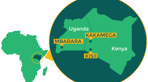
*This position is based in Uganda between late June and Early September 2026. You will need to be available during some weeks of this period. Duration of availability can be discussed.*
About EPAfrica
Education Partnerships Africa (EPAfrica) is a volunteer-led organisation with a mission to improve secondary education in East Africa and create opportunities for young people. EPAfrica partners directly with schools to support their self-driven growth through establishing a strong resource base and implementing holistic development programs. The organisation is dedicated to making a sustainable impact by investing in both infrastructure and the long-term capabilities of partner schools.
Role Description
As a Project Coordinator (PC), you will be a key part of the Summer Team, supporting the smooth operation of EPAfrica’s in-country summer programme. You’ll work alongside the Project Manager and other Project Coordinators to provide on-the-ground coordination, logistical support, and pastoral care for our Project Associates. This is a dynamic and rewarding role that gives you insight into international development, team leadership, and operational planning.
Key Responsibilities
• With guidance from the Project Manager (PM), support our team of Project Associates in their school placements, including:
* Monitor project progress and guide Project Associates to address any issues as they arise
* Offering pastoral support and help maintain the wellbeing of Project Workers
• Co-deliver trainings on topics such as project management, effective international development practices, safety and wellbeing, and cross-cultural communication
• Coordinating key operational logistics relating to summer programme delivery.
• Facilitate communication between Project Associates, our in-country Summer Team, and the UK-based central charity team.
• Help deliver our in-country monitoring and evaluation programme, enabling us to effectively plan for and deliver future investments. This includes:
* Monitoring visits to current & recent investment schools to gauge impact of EPAfrica’s work
* Assessment visits to potential future EPAfrica participant schools
• Staying up-to-date in research into developments in the Ugandan education system and potential impacts on our work
• Establishing and maintaining relationships with our network of local partners.
• Contribute to Summer Team planning, reflection sessions, and process documentation
• Help to maintain the safety, security, and wellbeing of the Uganda-based team, working within the charity’s risk guidelines.
What we are looking for
• Strong familiarity with, and demonstrated interest in, EPAfrica’s values and operating model.
• A demonstrated interest in grassroots international development is required; previous experience in this setting (volunteering, fieldwork, or prior work experience) preferred.
• Experience being a part of teams delivering project-based work, and leading with empathy.
• Effective communication skills and the ability to work with stakeholders from a variety of cultures and backgrounds.
• Demonstrated ability to take initiative and solve problems under pressure.
• Willingness to operate in a challenging, fast-paced environment and to be involved in making decisions which affect the wider team.
• Experience as a Project Associate or previous Summer Team involvement preferred – but alternatively, relevant professional or volunteering experience in a similar context.
What you will gain
• Real, hands-on leadership and project management experience.
• Exposure to international development at a grassroots level, with concrete opportunities to deliver meaningful work.
• A rich cultural experience and the opportunity to immerse yourself in semi-rural communities in Uganda.
• Volunteers benefit from one week’s holiday in the middle of the programme, allowing the opportunity to explore the rest of the country.
• Opportunity to lead a team of passionate, like-minded individuals and build a strong professional network within the charity and our wider community.
• A standout experience for your CV, and the chance to develop transferable skills in stakeholder management, communication, logistics, and more. Previous EPAfrica volunteers have leveraged their experience with us to secure roles with the FCDO, WHO, UN, Civil Service and in a variety of consultancies.
The Commitment
The Project Coordinator role lasts for at least 3 weeks during our summer programme, which runs from around late June to early September. There will be some UK-based training in advance of the placement, with preparation beginning in June.
Location: Mbarara, Uganda
Compensation: Non-salaried placement, with the following expenses covered:
• Travel: Project-related travel in and around Mbarara is fully covered.
• Accommodation: Fully covered throughout the EPAfrica summer.
• Programme delivery costs: All costs associated with programme delivery (travel to sites, partner meeting expenses, etc) paid for by the charity.
Additional Costs: Round-trip flights to Uganda and limited subsistence costs, plus any personal travel elsewhere within Uganda.
Interested?
We’d love to hear from you! If you’re enthusiastic about education, development, and making a difference, this is a unique opportunity to get involved and get hands-on, meaningful experience delivering grassroots international development projects in Uganda.
Feel free to message us on LinkedIn, Instagram or get in touch via email.
You can apply through the link on our website or directly on here using the following google forms: https://forms.gle/Jpd7N9aPSZ1PNz4t7
Please apply on the epafrica website on the google form under 'Project Coordinator - Apply Now'.
NOTE: This is the only way to apply. We do not accept CVs in isolation.
The client requests no contact from agencies or media sales.