Upload your CV
Save time when you spot your dream job. Upload your CV with ease.
Save time when you spot your dream job. Upload your CV with ease.

Actively Interviewing
This organisation is scheduling interviews as applications come in. They're ready to hire as soon as they find the right person. Don't miss your opportunity, apply now!
Volunteer Partnerships & Growth Manager (Remote)
Organisation: Influential Stars
Location: Remote (UK based). London or Herts preferred
Commitment: Between 10-15 hours per week ideally but can be discussed
Contract Type: Volunteer
About Us
Influential Stars is a purpose driven platform connecting creators, supporters, and causes through exclusive experiences and campaigns that raise funds for UK charitable organisations. We are a growing team committed to delivering meaningful impact through professionally managed experiences.
Our Story
Influential Stars was founded by Lisa Connell, who is living with an inoperable brain tumour and has spent many years raising awareness and support for UK causes. The platform was created from a deeply personal belief that influence, connection, and community can be powerful forces for good when brought together in the right way. Volunteers play a vital role in helping turn that vision into real world impact, enabling experiences that raise funds, create joy for winners, and support charitable organisations across the UK.
The Role
We are seeking a proactive, confident and relationship-driven Volunteer Partnerships & Growth Manager to identify, approach and onboard potential affiliate partners, collaborators, businesses, agents, talent managers and professional networks that can help expand the reach of Influential Stars.
This is a telephone-led outreach and appointment-setting role, supported by email and online communication. You will make initial contact, explain how organisations can get involved, establish whether there is genuine interest and arrange introductory appointments with the appropriate Influential Stars team member. This is a relationship-led role rather than hard selling.
Key Responsibilities
⭑ Research and identify suitable affiliate partners, businesses, collaborators, agents, talent managers and professional networks ⭑ Make introductory outbound calls to potential partners ⭑ Explain the Influential Stars opportunity clearly and confidently ⭑ Establish interest and whether the opportunity is a suitable fit ⭑ Arrange qualified introductory appointments with the appropriate Influential Stars team member ⭑ Support onboarding of new collaborators and affiliates ⭑ Build and maintain positive relationships with partners and introducers ⭑ Encourage ongoing engagement and participation ⭑ Maintain regular communication to nurture long term partnerships ⭑ Coordinate with internal team members to ensure smooth onboarding ⭑ Provide clear information about roles, expectations, and opportunities ⭑ Maintain accurate records of outreach and partnerships using our CRM management system ⭑ Follow approved contact, data-protection and direct-marketing procedures ⭑ Represent the organisation professionally in all communications
Skills and Experience Required Essential:
⭑ Experience in outreach, partnerships, business development, or relationship building ⭑ Excellent customer service skills ⭑ Outstanding written and verbal communication skills ⭑ Confidence making outbound calls, speaking with new contacts and building rapport quickly ⭑ Strong networking ability and proactive approach ⭑ Strong IT skills, including confident use of computer databases and standard office software (e.g. Word, Excel) ⭑ Experience using a CRM or similar database system ⭑ Highly organised with strong attention to detail ⭑ Ability to work independently and manage multiple contacts ⭑ Professional, reliable, and personable manner Desirable: ⭑ Familiarity with HubSpot CRM (preferred but not essential as training will be provided) ⭑ Experience in affiliate programmes, partnerships, or community building ⭑ Experience in outbound calling, lead qualification or appointment-setting ⭑ Experience working remotely within a team ⭑ Interest in charitable or social impact work ⭑
Based in London or Hertfordshire for occasional in person meetings.
Working Arrangement
⭑ Fully remote position ⭑ Between 10 - 15 hours per week volunteering can be arranged flexibly around your existing commitments ⭑ No travel required. However, if you choose to meet with partners in person, reasonable travel costs will be covered where possible ⭑ Occasional (optional) in person team meetings
Why Volunteer With Us
⭑ Play a key role in expanding a platform designed to create meaningful impact ⭑ Help build networks that support fundraising for UK causes ⭑ Gain valuable experience in partnerships, outreach, and growth strategy ⭑ Join a mission driven organisation at an exciting stage of development ⭑ Flexible volunteering that can fit around other commitments ⭑ Opportunity to build a wide professional network across multiple sectors
Please submit your cover letter and CV outlining your experience and why you want to and would be a good fit for the role, together with the hours you can commit to per week and if you are based in Hertfordshire or not and can travel there for meetings.

 Non Charity Employer
To make giving back more accessible, more rewarding and more engaging for everyone involved.

Actively Interviewing
This organisation is scheduling interviews as applications come in. They're ready to hire as soon as they find the right person. Don't miss your opportunity, apply now!
Become a Community Wish Maker - In the Whole of the East Midlands
Right now, 43 children in the East Midlands are waiting for their life changing wish — part of a much bigger picture of children across the UK still waiting for theirs. You can help make that happen, from as little as one hour a month.
Help Make Wishes Come True
Every pound you help raise goes directly towards granting wishes for children facing critical illnesses, creating hope, joy, and unforgettable memories for families who need it most.
What Makes This Role Different?
This is a flexible, ad hoc, volunteer-led role that fits around your lifestyle and commitments. There are no set fundraising targets or fixed weekly hours. You decide how you'd like to support Make-A-Wish and how much time you can give.
Fundraising is at the heart of this role and is driven by your own ideas, local connections, and enthusiasm. Whether it's organising a community event, engaging local businesses, securing donations, or encouraging others to get involved, you'll help generate the funds needed to grant wishes. We'll provide guidance, resources, and support along the way.
How You'll Get Started
Getting started as a Community Wish Maker is simple. Within your first few months, you'll choose a fundraising activity from our Community Fundraising Toolkit or create your own fundraising idea.
You can:
- Organise an activity independently
- Fundraise with friends, family or colleagues
- Team up with other local Community Wish Makers
- Support an existing Make-A-Wish fundraising campaign or event
- Whether it's a bake sale, quiz night, sponsored challenge, workplace fundraiser, school activity or local business partnership, you'll be helping raise the funds needed to grant more wishes
We'll provide resources, guidance and support to help you succeed.
What We're Looking For
You don't need fundraising experience—just enthusiasm, initiative, and a desire to make a difference.
We're looking for people who are:
- Confident building relationships and engaging others
- Self-motivated and proactive
- Creative in finding fundraising opportunities
- Organised and reliable
- Positive, enthusiastic, and passionate about helping others
What we will do for you:
You will receive a 12 week induction training
- Community Fundraising Volunteer Toolkit to help you get started
- A one-to-one introductory phone call with a member of our team
- Materials to get you started in your role
- A dedicated Volunteer manager
- Access to connections & networks in your region
- Make-A-Wish email address / ID Badge / Letter of Authority to help with your fundraising
- Help & support you with ideas and steward you as much as you would like
- Regular volunteer newsletters with updates, opportunities, and useful information
Commitment
Aged 18 or over
Commitment of at least 12 months
If you're passionate about making a difference and enjoy bringing people together to raise funds for a great cause, we'd love to hear from you.
 Registered Charity
 51 - 100
Together, we create joy, happiness and magical memories through life-changing wishes for children with critical illnesses.
The client requests no contact from agencies or media sales.
Actively Interviewing
This organisation is scheduling interviews as applications come in. They're ready to hire as soon as they find the right person. Don't miss your opportunity, apply now!
Become a Community Wish Maker in the whole of the East of England
Right now, 72 children in the East of England are waiting for their life changing wish — part of a much bigger picture of children across the UK still waiting for theirs. You can help make that happen, from as little as one hour a month.
Help Make Wishes Come True
Every pound you help raise goes directly towards granting wishes for children facing critical illnesses, creating hope, joy, and unforgettable memories for families who need it most.
What Makes This Role Different?
This is a flexible, ad hoc, volunteer-led role that fits around your lifestyle and commitments. There are no set fundraising targets or fixed weekly hours. You decide how you'd like to support Make-A-Wish and how much time you can give.
Fundraising is at the heart of this role and is driven by your own ideas, local connections, and enthusiasm. Whether it's organising a community event, engaging local businesses, securing donations, or encouraging others to get involved, you'll help generate the funds needed to grant wishes. We'll provide guidance, resources, and support along the way.
How You'll Get Started
Getting started as a Community Wish Maker is simple. Within your first few months, you'll choose a fundraising activity from our Community Fundraising Toolkit or create your own fundraising idea.
You can:
- Organise an activity independently
- Fundraise with friends, family or colleagues
- Team up with other local Community Wish Makers
- Support an existing Make-A-Wish fundraising campaign or event
- Whether it's a bake sale, quiz night, sponsored challenge, workplace fundraiser, school activity or local business partnership, you'll be helping raise the funds needed to grant more wishes
We'll provide resources, guidance and support to help you succeed.
What We're Looking For
You don't need fundraising experience—just enthusiasm, initiative, and a desire to make a difference.
We're looking for people who are:
- Confident building relationships and engaging others
- Self-motivated and proactive
- Creative in finding fundraising opportunities
- Organised and reliable
- Positive, enthusiastic, and passionate about helping others
What we will do for you:
- You will receive a 12 week induction training
- Community Fundraising Volunteer Toolkit to help you get started
- A one-to-one introductory phone call with a member of our team
- Materials to get you started in your role
- A dedicated Volunteer manager
- Access to connections & networks in your region
- Make-A-Wish email address / ID Badge / Letter of Authority to help with your fundraising
- Help & support you with ideas and steward you as much as you would like
- Regular volunteer newsletters with updates, opportunities, and useful information
Commitment
Aged 18 or over
Commitment of at least 12 months
If you're passionate about making a difference and enjoy bringing people together to raise funds for a great cause, we'd love to hear from you
Registered Charity
51 - 100
Together, we create joy, happiness and magical memories through life-changing wishes for children with critical illnesses.
The client requests no contact from agencies or media sales.
Using Anonymous Recruitment
This organisation is using Anonymous Recruitment to reduce bias in the first stages of the hiring process. Submit your application as normal and our system will anonymise it for you. Your personal information will be hidden until the recruiter contacts you.
Actively Interviewing
This organisation is scheduling interviews as applications come in. They're ready to hire as soon as they find the right person. Don't miss your opportunity, apply now!
📍 Remote | International Team ⏱️ Approximately 1 day per week (8-12 hours) 📅 Minimum 12-month commitment 💙 Volunteer Position
Help Transform Lives Through Safe Water, Sanitation and Hygiene in Uganda
Equal Aqua is an award-winning NGO working to tackle inequalities in water, sanitation and hygiene (WASH) across Uganda. Through partnerships with local communities, schools and grassroots organisations, we help provide sustainable access to safe water, improved sanitation, hygiene education and environmental protection initiatives.
Our international team of 30+ volunteers spans more than 10 countries, united by a shared commitment to creating lasting change. As we continue to grow, we are seeking a passionate and experienced Fundraising Manager to lead our fundraising efforts and help us expand our impact.
Why This Role Matters
Fundraising is at the heart of everything we do.
As Fundraising Manager, you will play a critical leadership role in securing the resources that enable Equal Aqua to reach more communities, develop new projects and improve the lives of thousands of people across Uganda.
This is an exciting opportunity for an experienced fundraiser who wants to use their skills to make a meaningful global impact while working alongside a dedicated and inspiring team of volunteers.
What You'll Be Doing
Strategic Leadership
✅ Lead the implementation of Equal Aqua's fundraising strategy, ensuring alignment with organisational goals, vision and values.
✅ Develop innovative fundraising initiatives to support sustainable organisational growth.
✅ Monitor funding trends and identify new grant and funding opportunities.
Fundraising & Income Generation
✅ Drive income generation through multiple fundraising channels, including:
✅ Support the development of annual fundraising targets and budgets.
✅ Monitor fundraising performance and help maximise income opportunities.
Donor & Supporter Engagement
✅ Manage and grow relationships with existing supporters and donors.
✅ Deliver exceptional supporter stewardship and donor care.
✅ Increase donor retention and maximise long-term supporter value.
Team Leadership
✅ Lead and motivate an international team of fundraising volunteers.
✅ Delegate responsibilities effectively and support team development.
✅ Foster a collaborative, inclusive and high-performing team culture.
Governance & Reporting
✅ Report regularly to the Executive Committee and Board of Trustees.
✅ Contribute content and updates for grant reports and organisational reporting.
✅ Participate in team, committee and governance meetings as required.
Who We're Looking For
We'd love to hear from professionals with experience in:
You'll bring:
✔ Proven fundraising experience and a track record of achieving income targets
✔ Strong relationship management and stakeholder engagement skills
✔ Experience leading or mentoring teams
✔ Excellent communication and organisational abilities
✔ Strategic thinking and a proactive approach
✔ Passion for social impact, international development and WASH equality
Our Impact So Far
Thanks to our volunteers, partners and supporters, Equal Aqua has already achieved:
💧 32,866 people with improved access to safe water
🚻 11,044 people with improved sanitation facilities
📚 11,755 people with improved WASH knowledge and skills
🩸 3,877 people with improved menstrual hygiene knowledge
🏆 British High Commission Award Winner
Every pound raised helps us extend this impact even further.
Why Volunteer With Equal Aqua?
🌍 Make a tangible difference to communities across Uganda
🤝 Join a diverse team of volunteers from around the world
📈 Gain valuable leadership and strategic fundraising experience
🚀 Help shape the future growth of an award-winning NGO
💡 Collaborate with passionate professionals committed to sustainable change
❤️ Use your skills to create real-world impact
Our Vision
To become a leading organisation in Uganda addressing inequalities in WASH and interconnected issues of gender equality and environmental sustainability.
Our Values
At Equal Aqua, we champion grassroots-led development and believe lasting change happens when communities are empowered to shape their own futures. We are committed to creating a welcoming, collaborative and inclusive environment where every volunteer can thrive.
Interested?
If you're passionate about fundraising and inspired by the opportunity to help transform lives through access to safe water, sanitation and hygiene, we'd love to hear from you.
Apply today and help us create a future where everyone has equal access to safe and sustainable WASH services.
#Fundraising #FundraisingManager #VolunteerOpportunity #NonProfitJobs #NGOCareers #InternationalDevelopment #RemoteWorking #CorporatePartnerships #GrantWriting #CharityJobs #SocialImpact #WASH #EqualAqua #VolunteerLeadership #FundraisingJobs #GlobalImpact
 Registered Charity
21 - 50
Registered Charity
21 - 50
To become a leading organisation in Uganda in addressing inequalities in WASH, and interrelated issues of gender and sustainability.


The client requests no contact from agencies or media sales.
Actively Interviewing
This organisation is scheduling interviews as applications come in. They're ready to hire as soon as they find the right person. Don't miss your opportunity, apply now!
Our vision for volunteering
Volunteering is and always will be at the heart of Cats Protection. It is joyful and inclusive. As a charity, working in partnership, together we transform the lives of cats, people and communities.
The difference you will make to cats and people
As a charity we are able to help thousands of cats each year thanks to the generous donations we receive from members of the public. Our fundraising volunteers use their passion for cats and people to raise the vital funds needed to help more cats and kittens in need. As a fundraising volunteer we want to support you to fundraise in whatever way suits you best, whether that’s organising a fundraising event, fundraising online, promoting fundraising activities on social media, completing administration or supporting the development of new fundraising ideas! Whatever your skill set, this could be the role for you!
What you can expect us to do
A bit more information about this role and the team
Our fundraising volunteers are a huge part of championing our cause in the local community, by organising and helping at events, chatting to members of the public and processing donations.
Why not join a friendly team and help us to raise much needs funds to help us rehome cats and kittens.
What we need from you
This is a really flexible role – you can choose what you’d like to get involved with, for example:
Time expectation
This is a flexible role that can fit around your other commitments to suit you. You’ll be part of a team raising vital funds while having fun in the process!
You may be just the volunteer we've been looking for!
We are committed to building a diverse, compassionate and inclusive organisation where everyone can be themselves and do their best. We are courageous and compassionate in our purpose of helping people see the world through cats’ eyes. Together, we can make a difference. Together, we are all for cats. Join the UK’s leading cat welfare charity and help make a better life for cats, because life is better with cats.
 Registered Charity
501 - 1000
Registered Charity
501 - 1000
Making a better life for cats, because life is better with cats


The client requests no contact from agencies or media sales.
Actively Interviewing
This organisation is scheduling interviews as applications come in. They're ready to hire as soon as they find the right person. Don't miss your opportunity, apply now!
Become a Community Wish Maker
Right now, 91 children in the North East are waiting for their life changing wish — part of a much bigger picture of children across the UK still waiting for theirs. You can help make that happen, from as little as one hour a month.
Help Make Wishes Come True
Every pound you help raise goes directly towards granting wishes for children facing critical illnesses, creating hope, joy, and unforgettable memories for families who need it most.
What Makes This Role Different?
This is a flexible, ad hoc, volunteer-led role that fits around your lifestyle and commitments. There are no set fundraising targets or fixed weekly hours. You decide how you'd like to support Make-A-Wish and how much time you can give.
Fundraising is at the heart of this role and is driven by your own ideas, local connections, and enthusiasm. Whether it's organising a community event, engaging local businesses, securing donations, or encouraging others to get involved, you'll help generate the funds needed to grant wishes. We'll provide guidance, resources, and support along the way.
How You'll Get Started
Getting started as a Community Wish Maker is simple. Within your first few months, you'll choose a fundraising activity from our Community Fundraising Toolkit or create your own fundraising idea.
You can:
- Organise an activity independently
- Fundraise with friends, family or colleagues
- Team up with other local Community Wish Makers
- Support an existing Make-A-Wish fundraising campaign or event
- Whether it's a bake sale, quiz night, sponsored challenge, workplace fundraiser, school activity or local business partnership, you'll be helping raise the funds needed to grant more wishes
We'll provide resources, guidance and support to help you succeed.
What We're Looking For
You don't need fundraising experience—just enthusiasm, initiative, and a desire to make a difference
We're looking for people who are:
- Confident building relationships and engaging others
- Self-motivated and proactive
- Creative in finding fundraising opportunities
- Organised and reliable
- Positive, enthusiastic, and passionate about helping others
What we will do for you:
- You will receive a 12 week induction training
- Community Fundraising Volunteer Toolkit to help you get started
- A one-to-one introductory phone call with a member of our team
- Materials to get you started in your role
- A dedicated Volunteer manager
- Access to connections & networks in your region
- Make-A-Wish email address / ID Badge / Letter of Authority to help with your fundraising
- Help & support you with ideas and steward you as much as you would like
- Regular volunteer newsletters with updates, opportunities, and useful information
Commitment
Aged 18 or over
Commitment of at least 12 months
If you're passionate about making a difference and enjoy bringing people together to raise funds for a great cause, we'd love to hear from you
Registered Charity
51 - 100
Together, we create joy, happiness and magical memories through life-changing wishes for children with critical illnesses.
The client requests no contact from agencies or media sales.
Actively Interviewing
This organisation is scheduling interviews as applications come in. They're ready to hire as soon as they find the right person. Don't miss your opportunity, apply now!
Become a Community Wish Maker!
Right now, 93 children in the West Midlands are waiting for their life changing wish — part of a much bigger picture of children across the UK still waiting for theirs. You can help make that happen, from as little as one hour a month.
Help Make Wishes Come True
Every pound you help raise goes directly towards granting wishes for children facing critical illnesses, creating hope, joy, and unforgettable memories for families who need it most.
What Makes This Role Different?
This is a flexible, ad hoc, volunteer-led role that fits around your lifestyle and commitments. There are no set fundraising targets or fixed weekly hours. You decide how you'd like to support Make-A-Wish and how much time you can give.
Fundraising is at the heart of this role and is driven by your own ideas, local connections, and enthusiasm. Whether it's organising a community event, engaging local businesses, securing donations, or encouraging others to get involved, you'll help generate the funds needed to grant wishes. We'll provide guidance, resources, and support along the way.
How You'll Get Started
Getting started as a Community Wish Maker is simple. Within your first few months, you'll choose a fundraising activity from our Community Fundraising Toolkit or create your own fundraising idea.
You can:
- Organise an activity independently
- Fundraise with friends, family or colleagues
- Team up with other local Community Wish Makers
- Support an existing Make-A-Wish fundraising campaign or event
- Whether it's a bake sale, quiz night, sponsored challenge, workplace fundraiser, school activity or local business partnership, you'll be helping raise the funds needed to grant more wishes
We'll provide resources, guidance and support to help you succeed.
What We're Looking For
You don't need fundraising experience—just enthusiasm, initiative, and a desire to make a difference.
We're looking for people who are:
- Confident building relationships and engaging others
- Self-motivated and proactive
- Creative in finding fundraising opportunities
- Organised and reliable
- Positive, enthusiastic, and passionate about helping others
What we will do for you:
- You will receive a 12 week induction training
- Community Fundraising Volunteer Toolkit to help you get started
- A one-to-one introductory phone call with a member of our team
- Materials to get you started in your role
- A dedicated Volunteer manager
- Access to connections & networks in your region
- Make-A-Wish email address / ID Badge / Letter of Authority to help with your fundraising
- Help & support you with ideas and steward you as much as you would like
- Regular volunteer newsletters with updates, opportunities, and useful information
Commitment
Aged 18 or over
Commitment of at least 12 months
If you're passionate about making a difference and enjoy bringing people together to raise funds for a great cause, we'd love to hear from you.
Registered Charity
51 - 100
Together, we create joy, happiness and magical memories through life-changing wishes for children with critical illnesses.
The client requests no contact from agencies or media sales.
Actively Interviewing
This organisation is scheduling interviews as applications come in. They're ready to hire as soon as they find the right person. Don't miss your opportunity, apply now!
Become a Community Wish Maker - In the Whole of North East of England
Right now, 136 children in the North West are waiting for their life changing wish — part of a much bigger picture of children across the UK still waiting for theirs. You can help make that happen, from as little as one hour a month.
Help Make Wishes Come True
Every pound you help raise goes directly towards granting wishes for children facing critical illnesses, creating hope, joy, and unforgettable memories for families who need it most.
What Makes This Role Different?
This is a flexible, ad hoc, volunteer-led role that fits around your lifestyle and commitments. There are no set fundraising targets or fixed weekly hours. You decide how you'd like to support Make-A-Wish and how much time you can give.
Fundraising is at the heart of this role and is driven by your own ideas, local connections, and enthusiasm. Whether it's organising a community event, engaging local businesses, securing donations, or encouraging others to get involved, you'll help generate the funds needed to grant wishes. We'll provide guidance, resources, and support along the way.
How You'll Get Started
Getting started as a Community Wish Maker is simple. Within your first few months, you'll choose a fundraising activity from our Community Fundraising Toolkit or create your own fundraising idea.
You can:
- Organise an activity independently
- Fundraise with friends, family or colleagues
- Team up with other local Community Wish Makers
- Support an existing Make-A-Wish fundraising campaign or event
- Whether it's a bake sale, quiz night, sponsored challenge, workplace fundraiser, school activity or local business partnership, you'll be helping raise the funds needed to grant more wishes
We'll provide resources, guidance and support to help you succeed.
What We're Looking For
You don't need fundraising experience—just enthusiasm, initiative, and a desire to make a difference.
We're looking for people who are:
- Confident building relationships and engaging others
- Self-motivated and proactive
- Creative in finding fundraising opportunities
- Organised and reliable
- Positive, enthusiastic, and passionate about helping others
What we will do for you:
- You will receive a 12 week induction training
- Community Fundraising Volunteer Toolkit to help you get started
- A one-to-one introductory phone call with a member of our team
- Materials to get you started in your role
- A dedicated Volunteer manager
- Access to connections & networks in your region
- Make-A-Wish email address / ID Badge / Letter of Authority to help with your fundraising
- Help & support you with ideas and steward you as much as you would like
- Regular volunteer newsletters with updates, opportunities, and useful information
Commitment
Aged 18 or over
Commitment of at least 12 months
If you're passionate about making a difference and enjoy bringing people together to raise funds for a great cause, we'd love to hear from you
Registered Charity
51 - 100
Together, we create joy, happiness and magical memories through life-changing wishes for children with critical illnesses.
TRUSTEE RECRUITMENT ADVERTISEMENT
Help Shape the Future Health and Wellbeing of Luton
Active Luton is looking for new Trustees to help guide our charity as we continue to improve the health and wellbeing of people across Luton.
We are particularly keen to hear from people with experience in Law or Human Resources, although we welcome applications from anyone who shares our values and can bring strategic thinking, sound judgement and a commitment to good governance.
As one of Bedfordshire's leading community wellbeing charities, Active Luton manages leisure centres and libraries, delivers public health programmes, and works with partners across the town to tackle health inequalities and help people live healthier, happier lives.
As a Trustee, you will help shape our future, support our Executive Team and ensure we continue to make a lasting difference to our community.
The role includes:
If you are an experienced professional who wants to use your skills to create lasting social impact, we would love to hear from you.
Join us in creating healthier people, stronger communities and a brighter future for Luton.
Actively Interviewing
This organisation is scheduling interviews as applications come in. They're ready to hire as soon as they find the right person. Don't miss your opportunity, apply now!
Become a Community Wish Maker - Wales (North, South, East, West and all in the middle)
Right now, 75 children in Wales are waiting for their life changing wish — part of a much bigger picture of children across the UK still waiting for theirs. You can help make that happen, from as little as one hour a month.
Help Make Wishes Come True
Every pound you help raise goes directly towards granting wishes for children facing critical illnesses, creating hope, joy, and unforgettable memories for families who need it most.
What Makes This Role Different?
This is a flexible, ad hoc, volunteer-led role that fits around your lifestyle and commitments. There are no set fundraising targets or fixed weekly hours. You decide how you'd like to support Make-A-Wish and how much time you can give.
Fundraising is at the heart of this role and is driven by your own ideas, local connections, and enthusiasm. Whether it's organising a community event, engaging local businesses, securing donations, or encouraging others to get involved, you'll help generate the funds needed to grant wishes. We'll provide guidance, resources, and support along the way.
How You'll Get Started
Getting started as a Community Wish Maker is simple. Within your first few months, you'll choose a fundraising activity from our Community Fundraising Toolkit or create your own fundraising idea.
You can:
- Organise an activity independently
- Fundraise with friends, family or colleagues
- Team up with other local Community Wish Makers
- Support an existing Make-A-Wish fundraising campaign or event
- Whether it's a bake sale, quiz night, sponsored challenge, workplace fundraiser, school activity or local business partnership, you'll be helping raise the funds needed to grant more wishes
We'll provide resources, guidance and support to help you succeed.
What We're Looking For
You don't need fundraising experience—just enthusiasm, initiative, and a desire to make a difference
We're looking for people who are:
- Confident building relationships and engaging others
- Self-motivated and proactive
- Creative in finding fundraising opportunities
- Organised and reliable
- Positive, enthusiastic, and passionate about helping others
What we will do for you:
- You will receive a 12 week induction training
- Community Fundraising Volunteer Toolkit to help you get started
- A one-to-one introductory phone call with a member of our team
- Materials to get you started in your role
- A dedicated Volunteer manager
- Access to connections & networks in your region
- Make-A-Wish email address / ID Badge / Letter of Authority to help with your fundraising
- Help & support you with ideas and steward you as much as you would like
- Regular volunteer newsletters with updates, opportunities, and useful information
Commitment
Aged 18 or over
Commitment of at least 12 months
If you're passionate about making a difference and enjoy bringing people together to raise funds for a great cause, we'd love to hear from you
Registered Charity
51 - 100
Together, we create joy, happiness and magical memories through life-changing wishes for children with critical illnesses.
Actively Interviewing
This organisation is scheduling interviews as applications come in. They're ready to hire as soon as they find the right person. Don't miss your opportunity, apply now!
Become a Community Wish Maker
Right now, 66 children in the South West are waiting for their life changing wish — part of a much bigger picture of children across the UK still waiting for theirs. You can help make that happen, from as little as one hour a month.
Help Make Wishes Come True
Every pound you help raise goes directly towards granting wishes for children facing critical illnesses, creating hope, joy, and unforgettable memories for families who need it most.
What Makes This Role Different?
This is a flexible, ad hoc, volunteer-led role that fits around your lifestyle and commitments. There are no set fundraising targets or fixed weekly hours. You decide how you'd like to support Make-A-Wish and how much time you can give.
Fundraising is at the heart of this role and is driven by your own ideas, local connections, and enthusiasm. Whether it's organising a community event, engaging local businesses, securing donations, or encouraging others to get involved, you'll help generate the funds needed to grant wishes. We'll provide guidance, resources, and support along the way.
How You'll Get Started
Getting started as a Community Wish Maker is simple. Within your first few months, you'll choose a fundraising activity from our Community Fundraising Toolkit or create your own fundraising idea.
You can:
- Organise an activity independently
- Fundraise with friends, family or colleagues
- Team up with other local Community Wish Makers
- Support an existing Make-A-Wish fundraising campaign or event
- Whether it's a bake sale, quiz night, sponsored challenge, workplace fundraiser, school activity or local business partnership, you'll be helping raise the funds needed to grant more wishes
We'll provide resources, guidance and support to help you succeed.
What We're Looking For
You don't need fundraising experience—just enthusiasm, initiative, and a desire to make a difference.
We're looking for people who are:
- Confident building relationships and engaging others
- Self-motivated and proactive
- Creative in finding fundraising opportunities
- Organised and reliable
- Positive, enthusiastic, and passionate about helping others
What we will do for you:
- You will receive a 12 week induction training
- Community Fundraising Volunteer Toolkit to help you get started
- A one-to-one introductory phone call with a member of our team
- Materials to get you started in your role
- A dedicated Volunteer manager
- Access to connections & networks in your region
- Make-A-Wish email address / ID Badge / Letter of Authority to help with your fundraising
- Help & support you with ideas and steward you as much as you would like
- Regular volunteer newsletters with updates, opportunities, and useful information
Commitment
Aged 18 or over
Commitment of at least 12 months
If you're passionate about making a difference and enjoy bringing people together to raise funds for a great cause, we'd love to hear from you
Registered Charity
51 - 100
Together, we create joy, happiness and magical memories through life-changing wishes for children with critical illnesses.
The client requests no contact from agencies or media sales.
Actively Interviewing
This organisation is scheduling interviews as applications come in. They're ready to hire as soon as they find the right person. Don't miss your opportunity, apply now!
Become a Community Wish Maker In Northern Ireland!
Right now, 55 children in Northern Ireland are waiting for their life changing wish — part of a much bigger picture of children across the UK still waiting for theirs. You can help make that happen, from as little as one hour a month.
Help Make Wishes Come True
Every pound you help raise goes directly towards granting wishes for children facing critical illnesses, creating hope, joy, and unforgettable memories for families who need it most.
What Makes This Role Different?
This is a flexible, ad hoc, volunteer-led role that fits around your lifestyle and commitments. There are no set fundraising targets or fixed weekly hours. You decide how you'd like to support Make-A-Wish and how much time you can give.
Fundraising is at the heart of this role and is driven by your own ideas, local connections, and enthusiasm. Whether it's organising a community event, engaging local businesses, securing donations, or encouraging others to get involved, you'll help generate the funds needed to grant wishes. We'll provide guidance, resources, and support along the way.
How You'll Get Started
Getting started as a Community Wish Maker is simple. Within your first few months, you'll choose a fundraising activity from our Community Fundraising Toolkit or create your own fundraising idea.
You can:
- Organise an activity independently
- Fundraise with friends, family or colleagues
- Team up with other local Community Wish Makers
- Support an existing Make-A-Wish fundraising campaign or event
- Whether it's a bake sale, quiz night, sponsored challenge, workplace fundraiser, school activity or local business partnership, you'll be helping raise the funds needed to grant more wishes
We'll provide resources, guidance and support to help you succeed
What We're Looking For
You don't need fundraising experience—just enthusiasm, initiative, and a desire to make a difference.
We're looking for people who are:
- Confident building relationships and engaging others
- Self-motivated and proactive
- Creative in finding fundraising opportunities
- Organised and reliable
- Positive, enthusiastic, and passionate about helping others
What we will do for you:
- You will receive a 12 week induction training
- Community Fundraising Volunteer Toolkit to help you get started
- A one-to-one introductory phone call with a member of our team
- Materials to get you started in your role
- A dedicated Volunteer manager
- Access to connections & networks in your region
- Make-A-Wish email address / ID Badge / Letter of Authority to help with your fundraising
- Help & support you with ideas and steward you as much as you would like
- Regular volunteer newsletters with updates, opportunities, and useful information
Commitment
Aged 18 or over
Commitment of at least 12 months
If you're passionate about making a difference and enjoy bringing people together to raise funds for a great cause, we'd love to hear from you
Registered Charity
51 - 100
Together, we create joy, happiness and magical memories through life-changing wishes for children with critical illnesses.
The client requests no contact from agencies or media sales.
Actively Interviewing
This organisation is scheduling interviews as applications come in. They're ready to hire as soon as they find the right person. Don't miss your opportunity, apply now!
As part of the Government led Communities for Afghans programme, we are looking to recruit individuals or groups (UK BASED ONLY) to make up a team of 6 volunteers to support an Afghan family - you could be friends, neighbours, colleagues, faith groups, veterans, or community organisations are welcome.
We are currently focused on supporting families across Wales, West Midlands and Scotland but be keen to support elsewhere geographically where possible. With this in mind, you may live in these areas, but we are also delighted to bring volunteers together remotely to support a family.
You will be at the heart of this programme. It is a rewarding opportunity to make a real difference!
The Communities for Afghans programme is a community-led Government initiative supporting families as they rebuild their lives in the UK. It is a Government-approved scheme that enables local people to welcome Afghan refugee families into their community. Volunteers will be supported by us to find housing for a family, provide practical and emotional support enabling them to settle into daily life and feel a genuine sense of belonging in the community.
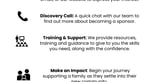
How community sponsorship work
Why Your Support Matters
Volunteering through Community Sponsorship is a powerful act of solidarity. You are not only helping one family — you are strengthening your entire community.
Your support helps families:
And your community benefits:
Full training and expenses covered.
Actively Interviewing
This organisation is scheduling interviews as applications come in. They're ready to hire as soon as they find the right person. Don't miss your opportunity, apply now!
Become a Community Wish Maker - in the Whole of the South East
Right now, 93 children in the South East are waiting for their life changing wish — part of a much bigger picture of children across the UK still waiting for theirs. You can help make that happen, from as little as one hour a month.
Help Make Wishes Come True
Every pound you help raise goes directly towards granting wishes for children facing critical illnesses, creating hope, joy, and unforgettable memories for families who need it most.
What Makes This Role Different?
This is a flexible, ad hoc, volunteer-led role that fits around your lifestyle and commitments. There are no set fundraising targets or fixed weekly hours. You decide how you'd like to support Make-A-Wish and how much time you can give.
Fundraising is at the heart of this role and is driven by your own ideas, local connections, and enthusiasm. Whether it's organising a community event, engaging local businesses, securing donations, or encouraging others to get involved, you'll help generate the funds needed to grant wishes. We'll provide guidance, resources, and support along the way.
How You'll Get Started
Getting started as a Community Wish Maker is simple. Within your first few months, you'll choose a fundraising activity from our Community Fundraising Toolkit or create your own fundraising idea.
You can:
- Organise an activity independently
- Fundraise with friends, family or colleagues
- Team up with other local Community Wish Makers
- Support an existing Make-A-Wish fundraising campaign or event
- Whether it's a bake sale, quiz night, sponsored challenge, workplace fundraiser, school activity or local business partnership, you'll be helping raise the funds needed to grant more wishes
We'll provide resources, guidance and support to help you succeed.
What We're Looking For
You don't need fundraising experience—just enthusiasm, initiative, and a desire to make a difference.
We're looking for people who are:
- Confident building relationships and engaging others
- Self-motivated and proactive
- Creative in finding fundraising opportunities
- Organised and reliable
- Positive, enthusiastic, and passionate about helping others
What we will do for you:
- You will receive a 12 week induction training
- Community Fundraising Volunteer Toolkit to help you get started
- A one-to-one introductory phone call with a member of our team
- Materials to get you started in your role
- A dedicated Volunteer manager
- Access to connections & networks in your region
- Make-A-Wish email address / ID Badge / Letter of Authority to help with your fundraising
- Help & support you with ideas and steward you as much as you would like
- Regular volunteer newsletters with updates, opportunities, and useful information
Commitment
Aged 18 or over
Commitment of at least 12 months
If you're passionate about making a difference and enjoy bringing people together to raise funds for a great cause, we'd love to hear from you
Registered Charity
51 - 100
Together, we create joy, happiness and magical memories through life-changing wishes for children with critical illnesses.
Actively Interviewing
This organisation is scheduling interviews as applications come in. They're ready to hire as soon as they find the right person. Don't miss your opportunity, apply now!
Volunteer Charities & Crowdfunder Support Manager (Remote UK)
Organisation: Influential Stars
Location: Remote (UK based). London or Hertfordshire preferred
Commitment: Flexible hours depending on organisational needs (min of 10 hours per week)
Contract Type: Volunteer
About Us
Influential Stars is a purpose driven platform connecting creators, supporters, and causes through exclusive experiences and campaigns that raise funds for UK charitable organisations. We are a growing team committed to delivering meaningful impact through professionally managed experiences.
Our Story
Influential Stars was founded by Lisa Connell, who is living with an inoperable brain tumour and has spent many years raising awareness and support for UK causes. The platform was created from a deeply personal belief that influence, connection, and community can be powerful forces for good when brought together in the right way.
Volunteers play a vital role in helping turn that vision into real world impact, enabling experiences that raise funds, create joy for winners, and support charitable organisations across the UK.
The Role
We are seeking a compassionate, confident, and highly professional Volunteer Charities and Crowdfunder Support Manager to build and maintain relationships with charitable organisations, community groups, and individuals using crowdfunding pages.
This role involves guiding partners from initial contact through onboarding and maintaining ongoing rapport, ensuring they feel supported, understood, and valued throughout their involvement with the platform.
Key Responsibilities
Identify, approach, and invite suitable charities, community groups, and crowdfunding campaigns to join the platform
Guide partners through the onboarding process from first contact to launch
Build and maintain strong, trusting relationships with both organisations and individuals
Act as a key point of contact for enquiries, support, and reassurance
Maintain regular communication to sustain engagement and rapport
Support individuals who may be experiencing difficult or traumatic circumstances with sensitivity and professionalism
Coordinate with internal team members to ensure partners receive timely assistance
Provide clear information about how the platform works and what to expect
Maintain accurate records of communications and partnership activity using our CRM management system
Ensure all interactions reflect empathy, professionalism, and respect
Skills and Experience Required
Essential:
Strong relationship management or engagement experience
Excellent customer service skills
Outstanding written and verbal communication skills
Confidence communicating by phone, email, and online platforms
High level of empathy and emotional intelligence
Ability to communicate sensitively with people experiencing challenging circumstances
Strong IT skills, including confident use of computer databases and standard office software (e.g. Word, Excel)
Experience using a CRM or similar database system
Highly organised with strong attention to detail
Ability to work independently and manage multiple relationships
Professional, reliable, and approachable manner
Desirable:
Familiarity with HubSpot CRM (preferred but not essential as training will be provided)
Experience working with charities, community groups, or support services
Experience in partnerships, outreach, or fundraising roles
Experience working remotely within a team
Based in London or Hertfordshire for occasional in person meetings (not essential)
Working Arrangement
Fully remote position
Flexible working hours depending on organisational needs
Occasional support calls or meetings with partners
No travel required. However, if you choose to meet with partners in person, reasonable travel costs will be covered where possible
Occasional (optional) in person team meetings
Why Volunteer With Us
Play a vital role in supporting charities, families, and individuals during significant moments in their lives
Help build partnerships that enable meaningful fundraising and impact
Gain valuable experience in relationship management and community engagement
Join a mission driven organisation at an exciting stage of growth
Flexible volunteering that can fit around other commitments
Opportunity to build meaningful professional relationships across the charity and community sectors
Although this is currently a volunteer position, Influential Stars is actively working to grow the platform with the long term aim of creating paid roles. While we are unable to provide a timeframe and future opportunities will depend on the organisation’s growth and incoming work, this role offers the chance to be part of that journey from an early stage.
This role is only open to UK based applications.
Non Charity Employer
To make giving back more accessible, more rewarding and more engaging for everyone involved.