Upload your CV
Save time when you spot your dream job. Upload your CV with ease.
Save time when you spot your dream job. Upload your CV with ease.

Actively Interviewing
This organisation is scheduling interviews as applications come in. They're ready to hire as soon as they find the right person. Don't miss your opportunity, apply now!
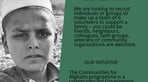
As part of the Government led Communities for Afghans programme, we are looking to recruit individuals or groups (UK BASED ONLY) to make up a team of 6 volunteers to support an Afghan family - you could be friends, neighbours, colleagues, faith groups, veterans, or community organisations are welcome.
We are currently focused on supporting families across Wales, West Midlands and Scotland but be keen to support elsewhere geographically where possible. With this in mind, you may live in these areas, but we are also delighted to bring volunteers together remotely to support a family.
You will be at the heart of this programme. It is a rewarding opportunity to make a real difference!
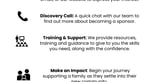
The Communities for Afghans programme is a community-led Government initiative supporting families as they rebuild their lives in the UK. It is a Government-approved scheme that enables local people to welcome Afghan refugee families into their community. Volunteers will be supported by us to find housing for a family, provide practical and emotional support enabling them to settle into daily life and feel a genuine sense of belonging in the community.
How community sponsorship work
Why Your Support Matters
Volunteering through Community Sponsorship is a powerful act of solidarity. You are not only helping one family — you are strengthening your entire community.
Your support helps families:
And your community benefits:
Full training and expenses covered.

Actively Interviewing
This organisation is scheduling interviews as applications come in. They're ready to hire as soon as they find the right person. Don't miss your opportunity, apply now!
Volunteer role - Hub Volunteer
Volunteer manager - Manager
Where you will be based - Property/on-site
Why we want you
We’re seeking friendly, reliable individuals aged 18 or over who want to make a difference in their community. No prior experience is needed, as we provide full training. If you’re open to learning, enjoy working with others, and have a passion for helping people, you’ll fit right in!
You have the time to become a volunteer in your community; you might be looking for work experience, the opportunity to meet new people, or keep active.
By volunteering with us in one of our busy Donation Processing Hubs you will be raising essential funds for Oxfam – all whilst learning new skills and meeting some incredible people.
What you will be doing
The skills you need
What's in it for you
Disclaimer
Additional information: - We warmly welcome everyone to apply and are dedicated to creating an inclusive and diverse environment. If you have any particular needs, please talk to the Manager, and we can consider possible adjustments. - We conduct ID checks for all volunteers and require one reference upon application. If you have any difficulties providing a reference, please speak to a manager for assistance.

 Registered Charity
 More than 1000
We are Oxfam Together we can create a more equal future, free from poverty.


The client requests no contact from agencies or media sales.

Help Shape Healthier Futures for Children and Families
Can you help drive the future success of a growing national charity?
HENRY (Health, Exercise, Nutrition for the Really Young) is seeking passionate and strategic individuals to join our Board of Trustees at an exciting point in our journey.
For over 15 years, HENRY has worked alongside parents, carers, communities and professionals to give babies and young children the healthiest possible start in life. Our evidence-based programmes, training and support help families build healthy habits, strengthen relationships and improve long-term wellbeing, particularly in communities experiencing the greatest health inequalities.
Today, HENRY supports more than 21,000 families every year and trains professionals across health and early years services nationwide. Last year alone:
As we work towards our vision of a healthy and happy start for every baby and child, we are entering a new phase of growth and development. Our ambitious 2030 strategy focuses on expanding our reach, strengthening sustainability, increasing our influence, and maintaining quality and impact as we grow.
About the Role
As a Trustee, you will play a key role in shaping HENRY's future. Working alongside fellow Board members, you will provide strategic leadership, support good governance, oversee organisational sustainability and help ensure we continue delivering meaningful impact for families across the UK.
This is a strategic, non-operational role that offers the opportunity to contribute your expertise while making a lasting difference to children's lives.
Who We're Looking For
We are particularly interested in individuals with experience in:
We also welcome candidates with:
Why Join HENRY?
Joining our Board is both a responsibility and a rewarding opportunity to create lasting social impact.
As a Trustee, you will:
We are committed to building a diverse Board that reflects the communities we serve and encourage applications from people of all backgrounds aged 18 and over.
If you share our belief that every child deserves the best possible start in life, we'd love to hear from you and explore how your skills and experience can help shape HENRY's next chapter.
Ready to make a difference? Read our attached Trustee Recruitment Pack and click 'redirect to recruiter' to be forwarded to our application portal.
Closing date: 9am Wednesday 19th August 2026
Interviews: week commencing 14th September 2026
HENRY is committed to safer recruitment and safeguarding. As a result, all successful trustee applicants will be required to complete a DBS check.

Actively Interviewing
This organisation is scheduling interviews as applications come in. They're ready to hire as soon as they find the right person. Don't miss your opportunity, apply now!
Trustee Vacancies – Join Business Launchpad & Tooting Works
Do you share our passion? Could you be our next trustee?
Do you want to help shape the future of an ambitious social enterprise supporting young entrepreneurs and creating inclusive economic opportunities in South London?
At Business Launchpad (BLP) and Tooting Works (TW), we are recruiting up to four new Trustees to join our Board and support the next phase of our organisational growth and impact.
Business Launchpad is an award-winning youth enterprise charity that supports young people aged 18–30 to start businesses, access employment opportunities, and develop the confidence and skills needed to achieve long-term financial stability. We offer support through enterprise and employability programmes, one-to-one mentoring, coaching, and workspaces, ensuring they have the opportunity to unlock their potential and thrive.
Tooting Works is our social enterprise business centre in Tooting, South London. By providing a range of office units, community spaces, coworking desks at below-market rates, the income generated through Tooting Works directly supports the charitable mission of Business Launchpad. This ensures our unique charity-social enterprise model is sustainable combining social impact with commercial enterprise.
As we continue to strengthen our governance, scale our impact, and deliver our 2025–2028 strategic ambitions, we are looking for passionate and committed individuals who can bring expertise, insight, and constructive challenge to our Board.
We are particularly interested in hearing from individuals with experience in one or more of the following areas:
We are committed to building a diverse and inclusive Board that reflects the communities we serve. We actively welcome applications from people of all backgrounds and those with lived experience of barriers to employment or entrepreneurship.
Previous trustee experience is not essential. We welcome applications from both experienced trustees and individuals considering their first Board role, and we will provide a supportive induction process.
What to Expect
Trustees play a vital role in ensuring the organisation remains mission-led, financially sustainable, and strategically ambitious. Trustees provide governance, oversight, and support to the CEO and Executive Leadership Team, while also acting as ambassadors for the organisation.
The Board typically meets quarterly in South London, with some additional committee meetings and occasional strategy sessions or events throughout the year. Hybrid attendance options are available.
These voluntary roles are unremunerated; however, reasonable expenses will be reimbursed.
Why Join Us?
This is an exciting opportunity to contribute to an organisation that is:
As a Trustee, you will have the opportunity to make a meaningful difference while contributing your expertise within a collaborative, values-driven, and ambitious organisation.
Eligibility:
You cannot be a trustee if…
How to Apply
To express your interest, please send:
If you would like an informal conversation about the opportunity before applying, please contact us.
We look forward to hearing from individuals who share our commitment to creating opportunities, supporting communities, and driving social impact.
The client requests no contact from agencies or media sales.
Actively Interviewing
This organisation is scheduling interviews as applications come in. They're ready to hire as soon as they find the right person. Don't miss your opportunity, apply now!
Would you like to support people who have served in the Armed Forces? You just need the ability to listen, strong IT skills and good written and spoken English. If you think this could be the role for you, we’d love to hear from you.
What is a Caseworker?
Caseworkers visit clients to work out what type of support they need. You will listen without judgement to assess and provide tailored support to help those serving, who have served and their families to navigate life in and beyond military service. Some examples of support are securing funding for special equipment for someone with a disability, adaptions to a property so an older client can remain at home or funds for a rental deposit. Caseworkers also sign-post clients onto specialist local services for advice on benefits, housing, mental health, debt, finding work etc.
Why do we need you?
We’ve been supporting the Armed Forces community since 1885. Our clients come from all backgrounds and age groups and may have served in WW2 or in a more recent conflict like the Falklands or Afghanistan. We’d love the general public to understand what we do and how they can help us.
There are SSAFA branches throughout the UK and overseas who support local volunteers to deliver services to veterans, serving personnel and their families. Some branches are divided into smaller divisions to ensure the best local service delivery. Each branch has a team of volunteer caseworkers, support volunteers, executive roles, and fundraisers.
Volunteer Caseworkers are the lifeblood of SSAFA, supporting a growing number of people in need of financial, practical, and emotional support. Clients come from all backgrounds and age groups and may have served in WW2 or in a more recent conflict like Iraq or Afghanistan.
When would you be needed and where would you be based?
The essential part of the role is visiting clients, so you will need access to a vehicle or another way to travel to meet clients at home or in a care home setting. As part of your local branch, you might have access to an office, but you can complete the administration part of the role from home as long as you have access to IT equipment and the internet.
What would you be doing?
What can you gain from this volunteering role?
What training and support would you receive?
What are we looking for?
We welcome volunteers of all backgrounds, abilities, races, sexual orientations, socio-economic backgrounds, and of all faiths and none. SSAFA are committed to making reasonable adjustments to support volunteers with disabilities, so they have access to the same opportunities and experiences as volunteers who do not.
Minimum Age: 18
Safer Recruitment: SSAFA undertakes a systematic approach and utmost care at every step of the process of volunteer recruitment, selection, and retention to ensure that those recruited are suitable and appropriate. Measures taken at points along this journey work together to make volunteering at SSAFA a positive and safe experience.
References Required: Yes. We will ask for two character references, this can be a former employer or someone that know you well (other than a relative)
Is a criminal record check required? Yes, this is provided by SSAFA at no cost to the potential volunteer. This role requires an enhanced check (including checks against the children and adults barred list)
*A disclosure certificate that contains convictions, cautions, warnings, reprimands, or other information may not automatically mean that you are not able to volunteer. All certificates will be reviewed on a case-by-case basis and, where possible, a modified or alternative role will be offered.
 Registered Charity
101 - 500
Registered Charity
101 - 500
Our vision A society in which the Armed Forces, veterans and their families can thrive.


The client requests no contact from agencies or media sales.
Actively Interviewing
This organisation is scheduling interviews as applications come in. They're ready to hire as soon as they find the right person. Don't miss your opportunity, apply now!
Would you like to support people who have served in the Armed Forces? You just need the ability to listen, strong IT skills and good written and spoken English. If you think this could be the role for you, we’d love to hear from you.
What is a Caseworker?
Caseworkers visit clients to work out what type of support they need. You will listen without judgement to assess and provide tailored support to help those serving, who have served and their families to navigate life in and beyond military service. Some examples of support are securing funding for special equipment for someone with a disability, adaptions to a property so an older client can remain at home or funds for a rental deposit. Caseworkers also sign-post clients onto specialist local services for advice on benefits, housing, mental health, debt, finding work etc.
Why do we need you?
We’ve been supporting the Armed Forces community since 1885. Our clients come from all backgrounds and age groups and may have served in WW2 or in a more recent conflict like the Falklands or Afghanistan. We’d love the general public to understand what we do and how they can help us.
There are SSAFA branches throughout the UK and overseas who support local volunteers to deliver services to veterans, serving personnel and their families. Some branches are divided into smaller divisions to ensure the best local service delivery. Each branch has a team of volunteer caseworkers, support volunteers, executive roles, and fundraisers.
Volunteer Caseworkers are the lifeblood of SSAFA, supporting a growing number of people in need of financial, practical, and emotional support. Clients come from all backgrounds and age groups and may have served in WW2 or in a more recent conflict like Iraq or Afghanistan.
When would you be needed and where would you be based?
The essential part of the role is visiting clients, so you will need access to a vehicle or another way to travel to meet clients at home or in a care home setting. As part of your local branch, you might have access to an office, but you can complete the administration part of the role from home as long as you have access to IT equipment and the internet.
What would you be doing?
What can you gain from this volunteering role?
What training and support would you receive?
What are we looking for?
We welcome volunteers of all backgrounds, abilities, races, sexual orientations, socio-economic backgrounds, and of all faiths and none. SSAFA are committed to making reasonable adjustments to support volunteers with disabilities, so they have access to the same opportunities and experiences as volunteers who do not.
Minimum Age: 18
Safer Recruitment: SSAFA undertakes a systematic approach and utmost care at every step of the process of volunteer recruitment, selection, and retention to ensure that those recruited are suitable and appropriate. Measures taken at points along this journey work together to make volunteering at SSAFA a positive and safe experience.
References Required: Yes. We will ask for two character references, this can be a former employer or someone that know you well (other than a relative)
Is a criminal record check required? Yes, this is provided by SSAFA at no cost to the potential volunteer. This role requires an enhanced check (including checks against the children and adults barred list)
*A disclosure certificate that contains convictions, cautions, warnings, reprimands, or other information may not automatically mean that you are not able to volunteer. All certificates will be reviewed on a case-by-case basis and, where possible, a modified or alternative role will be offered.
Registered Charity
101 - 500
Our vision A society in which the Armed Forces, veterans and their families can thrive.
The client requests no contact from agencies or media sales.
Actively Interviewing
This organisation is scheduling interviews as applications come in. They're ready to hire as soon as they find the right person. Don't miss your opportunity, apply now!
Would you like to support people who have served in the Armed Forces? You just need the ability to listen, strong IT skills and good written and spoken English. If you think this could be the role for you, we’d love to hear from you.
What is a Caseworker?
Caseworkers visit clients to work out what type of support they need. You will listen without judgement to assess and provide tailored support to help those serving, who have served and their families to navigate life in and beyond military service. Some examples of support are securing funding for special equipment for someone with a disability, adaptions to a property so an older client can remain at home or funds for a rental deposit. Caseworkers also sign-post clients onto specialist local services for advice on benefits, housing, mental health, debt, finding work etc.
Why do we need you?
We’ve been supporting the Armed Forces community since 1885. Our clients come from all backgrounds and age groups and may have served in WW2 or in a more recent conflict like the Falklands or Afghanistan. We’d love the general public to understand what we do and how they can help us.
There are SSAFA branches throughout the UK and overseas who support local volunteers to deliver services to veterans, serving personnel and their families. Some branches are divided into smaller divisions to ensure the best local service delivery. Each branch has a team of volunteer caseworkers, support volunteers, executive roles, and fundraisers.
Volunteer Caseworkers are the lifeblood of SSAFA, supporting a growing number of people in need of financial, practical, and emotional support. Clients come from all backgrounds and age groups and may have served in WW2 or in a more recent conflict like Iraq or Afghanistan.
When would you be needed and where would you be based?
The essential part of the role is visiting clients, so you will need access to a vehicle or another way to travel to meet clients at home or in a care home setting. As part of your local branch, you might have access to an office, but you can complete the administration part of the role from home as long as you have access to IT equipment and the internet.
What would you be doing?
What can you gain from this volunteering role?
What training and support would you receive?
What are we looking for?
We welcome volunteers of all backgrounds, abilities, races, sexual orientations, socio-economic backgrounds, and of all faiths and none. SSAFA are committed to making reasonable adjustments to support volunteers with disabilities, so they have access to the same opportunities and experiences as volunteers who do not.
Minimum Age: 18
Safer Recruitment: SSAFA undertakes a systematic approach and utmost care at every step of the process of volunteer recruitment, selection, and retention to ensure that those recruited are suitable and appropriate. Measures taken at points along this journey work together to make volunteering at SSAFA a positive and safe experience.
References Required: Yes. We will ask for two character references, this can be a former employer or someone that know you well (other than a relative)
Is a criminal record check required? Yes, this is provided by SSAFA at no cost to the potential volunteer. This role requires an enhanced check (including checks against the children and adults barred list)
*A disclosure certificate that contains convictions, cautions, warnings, reprimands, or other information may not automatically mean that you are not able to volunteer. All certificates will be reviewed on a case-by-case basis and, where possible, a modified or alternative role will be offered.
Registered Charity
101 - 500
Our vision A society in which the Armed Forces, veterans and their families can thrive.
The client requests no contact from agencies or media sales.
Actively Interviewing
This organisation is scheduling interviews as applications come in. They're ready to hire as soon as they find the right person. Don't miss your opportunity, apply now!
Would you like to support people who have served in the Armed Forces? You just need the ability to listen, strong IT skills and good written and spoken English. If you think this could be the role for you, we’d love to hear from you.
What is a Caseworker?
Caseworkers visit clients to work out what type of support they need. You will listen without judgement to assess and provide tailored support to help those serving, who have served and their families to navigate life in and beyond military service. Some examples of support are securing funding for special equipment for someone with a disability, adaptions to a property so an older client can remain at home or funds for a rental deposit. Caseworkers also sign-post clients onto specialist local services for advice on benefits, housing, mental health, debt, finding work etc.
Why do we need you?
We’ve been supporting the Armed Forces community since 1885. Our clients come from all backgrounds and age groups and may have served in WW2 or in a more recent conflict like the Falklands or Afghanistan. We’d love the general public to understand what we do and how they can help us.
There are SSAFA branches throughout the UK and overseas who support local volunteers to deliver services to veterans, serving personnel and their families. Some branches are divided into smaller divisions to ensure the best local service delivery. Each branch has a team of volunteer caseworkers, support volunteers, executive roles, and fundraisers.
Volunteer Caseworkers are the lifeblood of SSAFA, supporting a growing number of people in need of financial, practical, and emotional support. Clients come from all backgrounds and age groups and may have served in WW2 or in a more recent conflict like Iraq or Afghanistan.
When would you be needed and where would you be based?
The essential part of the role is visiting clients, so you will need access to a vehicle or another way to travel to meet clients at home or in a care home setting. As part of your local branch, you might have access to an office, but you can complete the administration part of the role from home as long as you have access to IT equipment and the internet.
What would you be doing?
What can you gain from this volunteering role?
What training and support would you receive?
What are we looking for?
We welcome volunteers of all backgrounds, abilities, races, sexual orientations, socio-economic backgrounds, and of all faiths and none. SSAFA are committed to making reasonable adjustments to support volunteers with disabilities, so they have access to the same opportunities and experiences as volunteers who do not.
Minimum Age: 18
Safer Recruitment: SSAFA undertakes a systematic approach and utmost care at every step of the process of volunteer recruitment, selection, and retention to ensure that those recruited are suitable and appropriate. Measures taken at points along this journey work together to make volunteering at SSAFA a positive and safe experience.
References Required: Yes. We will ask for two character references, this can be a former employer or someone that know you well (other than a relative)
Is a criminal record check required? Yes, this is provided by SSAFA at no cost to the potential volunteer. This role requires an enhanced check (including checks against the children and adults barred list)
*A disclosure certificate that contains convictions, cautions, warnings, reprimands, or other information may not automatically mean that you are not able to volunteer. All certificates will be reviewed on a case-by-case basis and, where possible, a modified or alternative role will be offered.
Registered Charity
101 - 500
Our vision A society in which the Armed Forces, veterans and their families can thrive.
The client requests no contact from agencies or media sales.
Actively Interviewing
This organisation is scheduling interviews as applications come in. They're ready to hire as soon as they find the right person. Don't miss your opportunity, apply now!
Would you like to support people who have served in the Armed Forces? You just need the ability to listen, strong IT skills and good written and spoken English. If you think this could be the role for you, we’d love to hear from you.
What is a Caseworker?
Caseworkers visit clients to work out what type of support they need. You will listen without judgement to assess and provide tailored support to help those serving, who have served and their families to navigate life in and beyond military service. Some examples of support are securing funding for special equipment for someone with a disability, adaptions to a property so an older client can remain at home or funds for a rental deposit. Caseworkers also sign-post clients onto specialist local services for advice on benefits, housing, mental health, debt, finding work etc.
Why do we need you?
We’ve been supporting the Armed Forces community since 1885. Our clients come from all backgrounds and age groups and may have served in WW2 or in a more recent conflict like the Falklands or Afghanistan. We’d love the general public to understand what we do and how they can help us.
There are SSAFA branches throughout the UK and overseas who support local volunteers to deliver services to veterans, serving personnel and their families. Some branches are divided into smaller divisions to ensure the best local service delivery. Each branch has a team of volunteer caseworkers, support volunteers, executive roles, and fundraisers.
Volunteer Caseworkers are the lifeblood of SSAFA, supporting a growing number of people in need of financial, practical, and emotional support. Clients come from all backgrounds and age groups and may have served in WW2 or in a more recent conflict like Iraq or Afghanistan.
When would you be needed and where would you be based?
The essential part of the role is visiting clients, so you will need access to a vehicle or another way to travel to meet clients at home or in a care home setting. As part of your local branch, you might have access to an office, but you can complete the administration part of the role from home as long as you have access to IT equipment and the internet.
What would you be doing?
What can you gain from this volunteering role?
What training and support would you receive?
What are we looking for?
We welcome volunteers of all backgrounds, abilities, races, sexual orientations, socio-economic backgrounds, and of all faiths and none. SSAFA are committed to making reasonable adjustments to support volunteers with disabilities, so they have access to the same opportunities and experiences as volunteers who do not.
Minimum Age: 18
Safer Recruitment: SSAFA undertakes a systematic approach and utmost care at every step of the process of volunteer recruitment, selection, and retention to ensure that those recruited are suitable and appropriate. Measures taken at points along this journey work together to make volunteering at SSAFA a positive and safe experience.
References Required: Yes. We will ask for two character references, this can be a former employer or someone that know you well (other than a relative)
Is a criminal record check required? Yes, this is provided by SSAFA at no cost to the potential volunteer. This role requires an enhanced check (including checks against the children and adults barred list)
*A disclosure certificate that contains convictions, cautions, warnings, reprimands, or other information may not automatically mean that you are not able to volunteer. All certificates will be reviewed on a case-by-case basis and, where possible, a modified or alternative role will be offered.
Registered Charity
101 - 500
Our vision A society in which the Armed Forces, veterans and their families can thrive.
The client requests no contact from agencies or media sales.
Actively Interviewing
This organisation is scheduling interviews as applications come in. They're ready to hire as soon as they find the right person. Don't miss your opportunity, apply now!
Would you like to support people who have served in the Armed Forces? You just need the ability to listen, strong IT skills and good written and spoken English. If you think this could be the role for you, we’d love to hear from you.
What is a Caseworker?
Caseworkers visit clients to work out what type of support they need. You will listen without judgement to assess and provide tailored support to help those serving, who have served and their families to navigate life in and beyond military service. Some examples of support are securing funding for special equipment for someone with a disability, adaptions to a property so an older client can remain at home or funds for a rental deposit. Caseworkers also sign-post clients onto specialist local services for advice on benefits, housing, mental health, debt, finding work etc.
Why do we need you?
We’ve been supporting the Armed Forces community since 1885. Our clients come from all backgrounds and age groups and may have served in WW2 or in a more recent conflict like the Falklands or Afghanistan. We’d love the general public to understand what we do and how they can help us.
There are SSAFA branches throughout the UK and overseas who support local volunteers to deliver services to veterans, serving personnel and their families. Some branches are divided into smaller divisions to ensure the best local service delivery. Each branch has a team of volunteer caseworkers, support volunteers, executive roles, and fundraisers.
Volunteer Caseworkers are the lifeblood of SSAFA, supporting a growing number of people in need of financial, practical, and emotional support. Clients come from all backgrounds and age groups and may have served in WW2 or in a more recent conflict like Iraq or Afghanistan.
When would you be needed and where would you be based?
The essential part of the role is visiting clients, so you will need access to a vehicle or another way to travel to meet clients at home or in a care home setting. As part of your local branch, you might have access to an office, but you can complete the administration part of the role from home as long as you have access to IT equipment and the internet.
What would you be doing?
What can you gain from this volunteering role?
What training and support would you receive?
What are we looking for?
We welcome volunteers of all backgrounds, abilities, races, sexual orientations, socio-economic backgrounds, and of all faiths and none. SSAFA are committed to making reasonable adjustments to support volunteers with disabilities, so they have access to the same opportunities and experiences as volunteers who do not.
Minimum Age: 18
Safer Recruitment: SSAFA undertakes a systematic approach and utmost care at every step of the process of volunteer recruitment, selection, and retention to ensure that those recruited are suitable and appropriate. Measures taken at points along this journey work together to make volunteering at SSAFA a positive and safe experience.
References Required: Yes. We will ask for two character references, this can be a former employer or someone that know you well (other than a relative)
Is a criminal record check required? Yes, this is provided by SSAFA at no cost to the potential volunteer. This role requires an enhanced check (including checks against the children and adults barred list)
*A disclosure certificate that contains convictions, cautions, warnings, reprimands, or other information may not automatically mean that you are not able to volunteer. All certificates will be reviewed on a case-by-case basis and, where possible, a modified or alternative role will be offered.
Registered Charity
101 - 500
Our vision A society in which the Armed Forces, veterans and their families can thrive.
The client requests no contact from agencies or media sales.
Volunteer Lay Members of Chapter
We are seeking three new lay volunteers to join the Chapter, the Cathedral's governing body and board of trustees.
Position: Lay Members of Chapter
Location: Chichester
Contract: Chapter members are appointed for an initial three-year period and may be reappointed for a further three years.
Chapter meets 6 or 7 times a year and these are, ideally, in-person meetings held at the Cathedral though it can usually accommodate online participation. These meetings are generally up to three hours long and members are also required to prepare in advance. One of the six meetings is reserved to include a full day “Away Day” which is usually held at another location.
Closing Date: 9.00am, 7 August 2026
Interviews: 2 September 2026, Chichester
The Role
These voluntary positions offer an opportunity to help shape the future of the Cathedral, supporting its mission, governance and long-term sustainability. We are particularly interested in individuals who can provide strategic leadership with experience in safeguarding, commercial operations or data protection.
Lay Chapter Members work collaboratively with clergy, employees and fellow trustees to provide oversight, constructive challenge and strategic direction. Chapter normally meets six or seven times each year, and reasonable expenses are reimbursed.
We're seeking communicant members of the Church of England who can think strategically, work collaboratively and contribute positively to the governance of a complex organisation. Successful candidates will be able to analyse information, support sound decision-making and act as ambassadors for the Cathedral.
About You
The Cathedrals Measure requires that Chapter Members are communicant members of the Church of England or of another church which subscribes to the doctrine of the Holy Trinity.
You will have experience in one of the following key areas:
Safeguarding - Significant experience, understanding or professional exposure to safeguarding, risk management, compliance or regulatory frameworks.
Commercial operations - Commercial operations experience in either property, hospitality or retail, ideally obtained within a similar environment.
GDPR - A good understanding of relevant data protection laws, including GDPR, PECR, and their application within a charity setting.
About the Organisation
The Cathedral is a living, working place of worship that has been at the centre of life in Chichester for over nine centuries. It is the Mother Church of the Diocese, which covers East and West Sussex and it is also a visitor attraction, a venue for music and the arts and an all-round hub for the community welcoming over 350,000 visitors each year. Staff do not have to be Christian, but you should understand the Christian mission.
You may also have experience in areas such as Safeguarding, Commercial Operations, Operations, GDPR, Data, Safeguarding Officer, Commercial Operations Officer, Operations Officer, GDPR Officer, Data Officer, Safeguarding Manager, Commercial Operations Manager, Operations Manager, GDPR Manager, Data Manager.
Please note this role is advertised by the recruitment agency acting for the client, Not For Profit People. #INDNFP
Actively Interviewing
This organisation is scheduling interviews as applications come in. They're ready to hire as soon as they find the right person. Don't miss your opportunity, apply now!
The Cyber Helpline is a charity founded by the cybersecurity community to ensure no one faces cybercrime alone.
We provide free, expert support to individuals affected by cybercrime, digital fraud and online harm, helping them understand what has happened, secure their accounts and devices, recover safely and regain control.
Since launching, we have supported more than 100,000 people through our helpdesk and millions more through accessible self-help guidance. Every month, more than 25,000 people access our self-help service for practical advice and support.
We bridge the gap between technical cyber response and human support, combining expert digital guidance with empathy, clarity and care.
As demand for our services grows, we are investing in a stronger brand, marketing and audience engagement to ensure more people can find us when they need us, and more supporters can help sustain and grow our work.
The Cyber Helpline is a dynamic, fast-growth charity that has the ability to really drive change in the online world. We offer a flexible working environment, the chance to work with highly motivated colleagues, work with exciting partners and provide the chance for you to help make a difference.
Role Summary
The Company Secretary is the guardian of The Cyber Helpline’s compliance with both the law and best practice. The Company Secretary will play a key role in ensuring that Board procedures are followed and regularly reviewed. Acting as a resource for the Board, the Company Secretary will also provide guidance on Board members' responsibilities.
Key Responsibilities
The Company Secretary will be responsible for the following:
Ensuring the charity operates in accordance with its governing document, the Charities Act, and the Companies Act 2006. Advising the board on their duties and on any legal and regulatory changes.
Being the subject matter expert on charity law and regulation within the Board.
Organising, attending, and taking minutes at trustee meetings (board and sub-committees), including preparing agendas and circulating papers.
Supporting the trustees by commissioning papers and other work required by the board, recording and tracking progress of actions agreed
Ensuring all mandatory returns, including the annual report and financial statements, are filed on time with Companies House and the Charity Commission.
Informing the Charity Commission of any significant changes in the charity’s structure or management, for example, the appointment or resignation of Trustees.
Assisting with the recruitment, induction, and training of new trustees, and managing conflict-of-interest registers.
Maintaining accurate records, including the register of members and trustees, the register of any charges on the company’s assets and managing high-level correspondence.
Maintaining the charity's registered office as the address for any formal communications. Ensuring that all the charity’s business stationery carries its name, registered number, country of registration and registered address.
Ensuring the security of the charity’s legal documents and owning the charity’s policy for the filing and retention of documents.
Ensuring The Cyber Helpline has adequate insurance in place.
Ensuring the charity is compliant with relevant UK law & regulation.
Supporting the protection of intellectual property.
Person Specification
This role would suit either someone in a Company Secretary role or someone with aspirations to become one. We are happy to support someone looking to make the transition into this role.
Essential Experience
Experience of auditing against standards and policies.
Experience consulting with subject matter experts on complex issues.
Strong attention to detail.
Strong planning, organisation and analytical skills.
Strong communication skills.
Ability to turn theoretical models and guidance into practical frameworks that achieve results.
Ability to deliver project work, as well as communicate and plan at a strategic level.
Strong integrity and honesty.
Passionate about our mission of supporting victims of cybercrime.
Preferred experience
An understanding of or experience in the cyber security industry.
Experience in the not-for-profit / charity sector.
Membership (or on path to membership) of any of the following bodies:
the Institute of Chartered Accountants in England and Wales
the Institute of Chartered Accountants of Scotland
Association of Chartered Certified Accountants
the Institute of Chartered Accountants in Ireland
the Institute of Chartered Secretaries and Administrators
the Chartered Institute of Management Accountants
or the Chartered Institute of Public Finance and Accounting
Be a barrister, advocate or solicitor called, admitted or part-qualified, in any part of the UK
Additional Requirements
Candidates must be 18 years old or older and resident in the UK with the right to work in the UK.
Due to the nature of this role, successful candidates will be required to undergo a criminal record check (e.g. DBS). This is because the role involves access to sensitive information. Any disclosures will be considered on a case-by-case basis in line with relevant legislation.
Engagement: Trustee meetings are quarterly (three remote and one in-person). The individual will provide additional time as required, we expect this to be between 2-4 hours a week for 42 weeks of the year.
What we offer
High-street discounts - Thousands of discounts on travel, shopping, wellbeing, entertainment and more.
Flexible and remote volunteering - we are a remote-first organisation, you’ll have the freedom to volunteer from home (or away - subject to approval).
Cybersecurity at home - we offer free cybersecurity tools to protect your home devices to stay safe online personally, and professionally.
Professional development - Access to ad-hoc training based on your role and professional growth interests
Cybersecurity community - Join a supportive network of over 150 cybersecurity professionals in the UK and USA
The client requests no contact from agencies or media sales.

Actively Interviewing
This organisation is scheduling interviews as applications come in. They're ready to hire as soon as they find the right person. Don't miss your opportunity, apply now!
For more than a century, the RAF Benevolent Fund has stood beside the RAF Family;
through war and peace, hardship and change. From the first day in uniform to the final
years of life, we have been a constant source of emotional, practical and financial support.
Today, our work reaches serving personnel, veterans, families and the bereaved in more
than 30 countries.
As the demands on the RAF Family grow in complexity and urgency, so too must the resilience
of the charity that serves them. Our ability to provide life-changing support, whether keeping a
family in their home, helping veterans navigate injury or isolation, or walking beside the
bereaved, relies on strong, stable and sustainable income streams. Therefore, we are seeking a
Trustee with significant fundraising expertise to help shape and strengthen our long-term
financial future. The successful candidate will join our diverse and highly skilled Board and
Fundraising, Communications and Engagement Committee to:
• play a key strategic role in supporting our fundraising vision and strategy
• provide strategic input into fundraising plans and campaigns
• support and advise on income generation, donor engagement and partnerships
The full role description can be found on our website here. The role is voluntary, however
reasonable out-of-pocket expenses are paid. We will provide the successful candidate with a
bespoke induction programme and relevant training / development.
Interested?
We would love to hear from you if you have the experience and passion we are seeking.
Please send an up-to-date CV and covering email / letter outlining your background, skills,
experience and interest in the role. Email address and contact details can be found on our website. If you have any questions about the role or would like to have an informal
discussion prior to applying, please contact Lisa (information on website).
We welcome applications from anyone who has the experience we are seeking, irrespective of
background, community, industry or protected characteristics. If you require any reasonable
adjustments as part of your application process, please let us know. You must be eligible to be
a charity trustee under UK law to be considered for this role. We operate safer selection
practices; this will involve the successful candidate being required to have a Disclosure and
Barring Service check.
Applications will be considered on a rolling basis, and this position will remain open until we
have found our ideal candidate. No agencies please.
 Registered Charity
101 - 500
Registered Charity
101 - 500
We are the longest-standing Royal Air Force charity, dedicated to supporting serving and former RAF personnel, and their families.
The client requests no contact from agencies or media sales.

Chair
Harrogate Homeless Project
Board meetings take place at Springboard day centre, Oxford Street, Harrogate, HG1 1PP.
Harrogate Homeless Project is the leading charity in the Harrogate district supporting individuals who are homeless, at risk of homelessness or recovering from homelessness. Our mission is to use our expertise to address the root causes of a person’s homelessness and support them to long-term independent living. We aim to influence local, regional and national policy to help deliver better outcomes for our clients.
We have bold ambitions to make a step change in the support given to our clients. We benefit from strong and positive public awareness of our work. That work is supported by a staff team of around 18 people, nearly 50 volunteers and strong links with partners including North Yorkshire Council, other charities and local businesses.
The next period promises to be exciting for Harrogate Homeless Project as we develop our direct services to clients, extend the support offered in our premises by partners, put our influencing of public policy on a firmer footing and to significantly invest in, and expand, our fundraising.
The role.
Our current Chair is leaving in a planned way to take up a non-executive role in another organisation. We are seeking an exceptional successor to lead our Board and work with our executive team to progress our ambitious plans.
We are looking for someone with proven leadership qualities; you will also be well-connected with any of our key partner groups in North Yorkshire – charities, businesses and the public sector. The highest levels of personal credibility are essential for this role and sound judgment in dealings with staff, clients and partners is essential. Our longer-term impact and sustainability rely on rigorous governance and statutory compliance. You will ensure that our oversight, scrutiny and legal compliance arrangements are as strong as possible.
This is a great time to join us, as we work collaboratively with a diverse range of partners to bring hope and empowerment to our clients. If you want to be part of this, we look forward to hearing from you.
The appointment is on a voluntary basis with reasonable expenses reimbursed.
Information
Download the candidate brief from the vacancies section of our website to find out more about the role.
How to apply
To make an application, please visit the recruitment page of our website, read the candidate pack and submit:
Recruitment timeline
Closing date: Friday 31 July 2026
Shortlisting: August 2026
Interviews: 14 September 2026 (provisional)
The client requests no contact from agencies or media sales.
Actively Interviewing
This organisation is scheduling interviews as applications come in. They're ready to hire as soon as they find the right person. Don't miss your opportunity, apply now!
For more than a century, the RAF Benevolent Fund has stood beside the RAF Family;
through war and peace, hardship and change. From the first day in uniform to the final
years of life, we have been a constant source of emotional, practical and financial support.
Today, our work reaches serving personnel, veterans, families and the bereaved in more
than 30 countries.
We are seeking a Welfare and Safeguarding Trustee for an initial term of four years,
(ideally) commencing 1 October 2026.
You will have a relevant background with safeguarding experience (such as nursing, medical,
social care, teaching or other healthcare professional, ideally at a senior level). You will
understand the needs of those who are vulnerable whether its due to age, health and
wellbeing or socio-economic factors and will have the skills and knowledge to advise and guide
on appropriate strategies to ensure the Fund is best able to meet those needs. It is key that
you are able to provide relevant specialist knowledge, support and information and to clearly
articulate issues relating to safeguarding which will be invaluable to the Fund in ensuring it
complies with all legal and good practice requirements in relation to safeguarding and that it
has clear and up-to-date policies and procedures.
Interested?
If you have the experience we are seeking and are as passionate about the RAF Family as we
are, we would love to hear from you. To apply please send an up-to-date CV and covering
email / letter outlining how your background, skills, experience meets the person
specification (see final page) to Lisa Harmshaw (email address in role information attached) our Head
of Governance. If you have any questions about the role or would like to have an informal
discussion prior to applying, please contact Lisa on phone number given in role information attached or via email.
We welcome applications from anyone who has the experience we are seeking, irrespective of
background, community, industry or protected characteristics. If you require any reasonable
adjustments as part of your application process, please let us know. We operate safer selection
practices; this will involve the successful candidate being required to have a Disclosure and
Barring Service check.
Applications will be considered on a rolling basis, and this position will remain open until we
have found our ideal candidate. No agencies please.
Registered Charity
101 - 500
We are the longest-standing Royal Air Force charity, dedicated to supporting serving and former RAF personnel, and their families.
The client requests no contact from agencies or media sales.