Upload your CV
Save time when you spot your dream job. Upload your CV with ease.
Save time when you spot your dream job. Upload your CV with ease.

Fundraising Trustee
Can you help shape CoppaFeel!’s next chapter?
CoppaFeel! has never stood still. From a bold idea around a kitchen table to one of the UK's most recognised health charities, we have continued to challenge convention, reach young people with a life saving message and build a community that believes breast cancer does not need to be diagnosed late.
We are now entering an exciting new chapter. After a period of exceptional growth, fundraising has become increasingly central to what is possible next - creating opportunities to broaden our reach, deepen our impact and invest in the future and so we are looking for a Fundraising Trustee to join our Board.
This is not simply about reviewing fundraising reports or providing technical expertise. It is an opportunity to bring strategic insight, constructive challenge and fresh thinking to help shape how CoppaFeel! builds sustainable income and achieves its ambitions over the next decade.
What we're looking for
We're particularly interested in people with experience of:
● Leading or significantly growing philanthropy, major giving or other high value fundraising
● Developing strategic corporate partnerships and long term supporter relationships
● Unlocking commercial or transformational income opportunities
● Building sustainable, diversified fundraising portfolios
● Leading fundraising through periods of organisational growth and change
● Advising Boards or Executive Teams on fundraising strategy, investment and risk
You don't need to have worked exclusively in philanthropy or corporate partnerships. What matters is evidence of strategic relationship building, senior influencing, commercial judgement and the ability to balance ambition with sustainable growth.
You'll be someone who:
● Thinks strategically rather than operationally
● Is comfortable interrogating data, evidence and return on investment
● Spots opportunities others might miss
● Enjoys healthy debate and constructive challenge
● Challenges with respect, humility and good judgement
● Is excited by ambitious organisations and wants to help shape what comes next
Experience working with or reaching young people is a bonus.
What it's like around the Board table
Our Board is lively, collaborative, respectful, energetic, curious and challenging. There is healthy debate, everyone has a voice and Trustees are encouraged to bring their expertise and challenge thinking when something could be better. The Board has a strong and open relationship with the Executive Team. Trustees provide strategic support and constructive challenge, while giving the team the space to lead and deliver.As CoppaFeel! grows, we're determined to protect what makes us special — our personality, authenticity, entrepreneurial spirit and the legacy of our founder Kris.
Time commitment
Trustees meet quarterly, usually for around 2.5 hours, with additional time for preparation and occasional advice or support between meetings.
Trustees are unremunerated, although reasonable travel expenses can be claimed.
The initial term is three years, with the possibility of reappointment.
This is a genuinely pivotal moment for CoppaFeel!. We're looking for someone who wants to do more than sit around a Board table, someone who wants to help shape the next
chapter of one of the UK's most distinctive and innovative health charities.
If you want to be part of what CoppaFeel! is building next, we'd love to hear from you.
Role closes Friday 2nd October at 2pm


Actively Interviewing
This organisation is scheduling interviews as applications come in. They're ready to hire as soon as they find the right person. Don't miss your opportunity, apply now!
The Consortium for the Accreditation of Sonographic Education (CASE) is a collaboration of professional bodies and scientific societies established to set and uphold standards of training and education in clinical ultrasound (sonography) in the UK. This is achieved through accreditation of sonographic courses. CASE works closely with universities and other higher-education institutions to ensure the highest standards are met.
CASE is a not-for-profit organisation which relies on volunteers to commit their time to ensure the students who graduate from our accredited courses do so with the best in education, mentor support and clinical competency and thus preparing the sonographic workforce of the future.
The Member Organisations that make up the Consortium are:
Further information on CASE can be seen on our website
In over 20 years of operation, the reputation of CASE accreditation as the accepted standard for sonographic education in the UK has grown and become accepted across the NHS and independent sector healthcare providers. In the busy and pressurised context of healthcare provision and diagnosis, CASE accreditation provides the reassurance that a sonographer has been trained to a high standard.
The group of member organisations that provide strategic oversight has operated as a relatively informal collaboration but is now looking to become a legally constituted company.
About the role
CASE is seeking to appoint a part time Independent Chair to provide supportive leadership for the Member Organisations Group.
The Chair of CASE will:
Term of Office
The Chair is appointed for a 2-year term. An extension to the term of office is possible by mutual agreement between the individual and the member organisations.
Expected Time Commitment
Variable, but up to 4 days per year for meetings plus up to 4 days for dealing with documentation, emails and actions.
Compensation
This is a volunteer role, but reasonable expenses will be reimbursed.
The person
How to apply
If you are interested in chairing the CASE Member Organisations’ Board, please apply by 22 September 2026.
Applications should include a CV and a cover letter outlining the skills and experience you would bring to the role, and why you are personally interested in leading CASE.
Interviews will be held online
The client requests no contact from agencies or media sales.
Trustee
Harlow & District Sports Trust
Are you looking for an opportunity to use your skills and experience to make a positive difference in your local community?
Harlow & District Sports Trust is seeking a new Trustee (Non-Executive Board Member) to join its Board and help shape the future of one of Essex's leading community leisure organisations. The Trust operates Harlow Leisurezone, a state-of-the-art wet and dry leisure centre welcoming more than 1.5 million visits each year. Its mission is to provide high-quality sport and leisure opportunities that are sustainable and responsive to community needs.
About the Role
As a Trustee, you will play an important role in helping to guide the organisation's future direction. Working alongside fellow Board members, you will contribute to:
This is an excellent opportunity to gain or further develop board-level experience while helping an established charity continue to thrive.
Time Commitment
The expected commitment is approximately 8-9 evening Board meetings per year, with around four meetings held online and the remainder taking place in Harlow, Essex.
Who We Are Looking For
We welcome expressions of interest from individuals with a passion for community sport, leisure, health and wellbeing. Previous trustee experience is not essential, and we are keen to hear from people with a range of professional backgrounds and experiences.
Why Join Us?
Closing Date: Wednesday 30 September 2026

Actively Interviewing
This organisation is scheduling interviews as applications come in. They're ready to hire as soon as they find the right person. Don't miss your opportunity, apply now!
Chair of Trustees at Watford and Three Rivers Refugee Partnership (WTRRP)
Job summary:
We're looking for a Chair of Trustees to help shape the strategic vision of WTRRP as we move forward into our 25th year as a charity. This would be someone to support us with our strategy in line with our mission and our values. In this role, you will lead the Committee and other Trustees co-chairs of the charity, share responsibility for the agenda and actions of Trustee meetings and AGM, improving good governance and acting as a senior ambassador of the organisation. We are looking for someone with enthusiasm, availability and leadership skills to work collaboratively with our small staff and our volunteers.
WTRRP exists to support asylum seekers and refugees in Watford and Three Rivers who do not yet have settled status in the UK or may have specific needs relating to their application process or welfare. The main services of the charity are a drop-in session and social hub every Tuesday (at St Mary’s Church in central Watford), ESOL classes, providing advice and financial support to its clients and assisting them to integrate into the local community.
The Partnership has grown dramatically over the past 5 years, which is why we are looking for a Chair to join us. WTRRP is run by a committee that meets typically every 1-2 months and it also provides supervision to our 3 staff members and support to our 70 volunteers.
We would welcome applicants with any of the following experience:
Principal responsibilities:
This is an important role that will support the charity as we adapt and change. If you feel that you may have some of the skills we are looking for and want to have an initial chat with our chair, then please contact us.
The client requests no contact from agencies or media sales.

Actively Interviewing
This organisation is scheduling interviews as applications come in. They're ready to hire as soon as they find the right person. Don't miss your opportunity, apply now!
Volunteer Charities & Crowdfunder Support Manager (Remote UK)
Organisation: Influential Stars
Location: Remote (UK based). London or Hertfordshire preferred
Commitment: Flexible hours depending on organisational needs (min of 10 hours per week)
Contract Type: Volunteer
About Us
Influential Stars is a purpose driven platform connecting creators, supporters, and causes through exclusive experiences and campaigns that raise funds for UK charitable organisations. We are a growing team committed to delivering meaningful impact through professionally managed experiences.
Our Story
Influential Stars was founded by Lisa Connell, who is living with an inoperable brain tumour and has spent many years raising awareness and support for UK causes. The platform was created from a deeply personal belief that influence, connection, and community can be powerful forces for good when brought together in the right way.
Volunteers play a vital role in helping turn that vision into real world impact, enabling experiences that raise funds, create joy for winners, and support charitable organisations across the UK.
The Role
We are seeking a compassionate, confident, and highly professional Volunteer Charities and Crowdfunder Support Manager to build and maintain relationships with charitable organisations, community groups, and individuals using crowdfunding pages.
This role involves guiding partners from initial contact through onboarding and maintaining ongoing rapport, ensuring they feel supported, understood, and valued throughout their involvement with the platform.
Key Responsibilities
Identify, approach, and invite suitable charities, community groups, and crowdfunding campaigns to join the platform
Guide partners through the onboarding process from first contact to launch
Build and maintain strong, trusting relationships with both organisations and individuals
Act as a key point of contact for enquiries, support, and reassurance
Maintain regular communication to sustain engagement and rapport
Support individuals who may be experiencing difficult or traumatic circumstances with sensitivity and professionalism
Coordinate with internal team members to ensure partners receive timely assistance
Provide clear information about how the platform works and what to expect
Maintain accurate records of communications and partnership activity using our CRM management system
Ensure all interactions reflect empathy, professionalism, and respect
Skills and Experience Required
Essential:
Strong relationship management or engagement experience
Excellent customer service skills
Outstanding written and verbal communication skills
Confidence communicating by phone, email, and online platforms
High level of empathy and emotional intelligence
Ability to communicate sensitively with people experiencing challenging circumstances
Strong IT skills, including confident use of computer databases and standard office software (e.g. Word, Excel)
Experience using a CRM or similar database system
Highly organised with strong attention to detail
Ability to work independently and manage multiple relationships
Professional, reliable, and approachable manner
Desirable:
Familiarity with HubSpot CRM (preferred but not essential as training will be provided)
Experience working with charities, community groups, or support services
Experience in partnerships, outreach, or fundraising roles
Experience working remotely within a team
Based in London or Hertfordshire for occasional in person meetings (not essential)
Working Arrangement
Fully remote position
Flexible working hours depending on organisational needs
Occasional support calls or meetings with partners
No travel required. However, if you choose to meet with partners in person, reasonable travel costs will be covered where possible
Occasional (optional) in person team meetings
Why Volunteer With Us
Play a vital role in supporting charities, families, and individuals during significant moments in their lives
Help build partnerships that enable meaningful fundraising and impact
Gain valuable experience in relationship management and community engagement
Join a mission driven organisation at an exciting stage of growth
Flexible volunteering that can fit around other commitments
Opportunity to build meaningful professional relationships across the charity and community sectors
Although this is currently a volunteer position, Influential Stars is actively working to grow the platform with the long term aim of creating paid roles. While we are unable to provide a timeframe and future opportunities will depend on the organisation’s growth and incoming work, this role offers the chance to be part of that journey from an early stage.
This role is only open to UK based applications.

Actively Interviewing
This organisation is scheduling interviews as applications come in. They're ready to hire as soon as they find the right person. Don't miss your opportunity, apply now!
Your expert understanding of charity and/or company accounts and financial management will ensure that trustees exercise their financial responsibilities. You will act as lead trustee on overseeing the annual audit, and advise on financial procedures, regular financial reporting and forecasting.
This will involve chairing the Trust’s Audit Committee, which meets once a year to receive draft charity accounts and audit reports for The Abbotsford Trust and its subsidiary Abbotsford Trading Company. The Committee is responsible for recommending accounts for approval to the Board of Directors, and for making recommendations on the appointment of auditors.
You will exercise oversight of the Trust’s financial management throughout the year through membership of the Executive Committee, which meets up to 10 times a year to receive financial reports from management. Trading Company management accounts are the responsibility of a separate Trading Company Board.
This role will suit someone with professional accountancy qualifications and experience of audited accounts. Ideally, but not necessarily, you will have experience of charity accounts.
The client requests no contact from agencies or media sales.
Actively Interviewing
This organisation is scheduling interviews as applications come in. They're ready to hire as soon as they find the right person. Don't miss your opportunity, apply now!
Global Health Access Trust is seeking Country Programme Leads / Country Managers to provide senior local coordination, build trusted relationships and help shape safe, lawful and effective activity in countries where GHAT works or may develop future programmes.
This is a leadership opportunity for experienced people with strong local knowledge who can connect international charitable ambition with the realities of delivery on the ground.
Global Health Access Trust (GHAT) develops, funds and coordinates defined projects that advance health, relieve illness and preserve life for the public benefit. Our work brings together professional and clinical expertise, local knowledge, responsible technology, infrastructure, trusted relationships and accountable funding.
What you could contribute
• Build and maintain key local relationships with partners, institutions and relevant authorities
• Coordinate local assessment, planning and delivery with the GHAT Trust Office
• Help identify healthcare-access, infrastructure, workforce and system needs
• Support the development of appropriate local partnerships and delivery arrangements
• Ensure activity is safe, lawful, culturally appropriate and properly recorded
• Identify local risks, practical constraints and opportunities at an early stage
• Help maintain clear communication between local contributors and the Trust
Who this could suit
We would particularly welcome senior programme, health, NGO, public service or international-development professionals with deep knowledge of their country or region.
You should be someone who is trusted locally, understands how institutions and communities operate in practice, and is comfortable working within written governance, safeguarding and reporting standards.
Strong judgement, cultural awareness, reliability and the ability to build credible relationships are essential.
This is a country-based opportunity. GHAT welcomes applications from people in any country where the Trust may work.
Safeguarding, identity and other role-specific checks will apply before an appointment is confirmed.
The role is voluntary and unpaid. There is no salary, fee, employment benefit or entitlement to expenses.
How to apply
Applications are handled through the Global Health Access Trust website. When you click to apply, you will be taken to GHAT’s Country Leadership & International Delivery section. There you can review this opportunity in context, explore the other current opportunities within this area and select the opportunity that best matches your experience before submitting the GHAT application form.inter
Actively Interviewing
This organisation is scheduling interviews as applications come in. They're ready to hire as soon as they find the right person. Don't miss your opportunity, apply now!
About now-u
now-u is a non-profit that aims to inform, inspire and empower people to help tackle pressing social and environmental issues, in partnership with charities.
People can often feel overwhelmed by large-scale problems and powerless to help, but all of us have the ability to contribute to meaningful change. This is where now-u comes in.
We connect people who are looking for ways to make a difference with impactful organisations and actions, enabling regular learning and action around key local and global issues. By bringing together the actions of individuals across the now-u community, we can help drive positive and lasting change.
About the role
We are looking for a motivated, talented and reliable generalist to join our small non-profit team in the voluntary role of Head of Operations.
You will join the leadership team of our remote charity start-up and work closely with the CEO to help stabilise the organisation’s operations and support its growth.
This is a broad and varied role, suited to someone who is comfortable working across different areas of the organisation, including campaigns, marketing, partnerships, fundraising and core operations.
We are looking for someone who can take a proactive approach, help build and lead small volunteer teams, support the delivery of effective strategies and contribute to high-impact charitable campaigns and future opportunities for now-u.
Strong communication, project management and people skills will be important in helping the organisation deliver its long-term strategy and continue developing sustainably.
Key responsibilities
About you
We are looking for someone who is proactive, organised and comfortable taking responsibility across a range of operational areas.
You should be confident working with different people and teams, able to manage competing priorities and comfortable solving problems as they arise.
You will also need to be motivated by now-u’s mission and committed to making a positive difference through social and environmental causes.
Essential skills
Desirable experience
Time commitment
8–10 hours per week
Length of commitment
This is a long-term voluntary role, with a minimum commitment of 6 months.
What you will gain
This role offers the opportunity to take on a senior operational position within a small and developing non-profit organisation.
You will have the chance to work closely with the CEO and leadership team, contribute to organisational strategy, support teams across different areas of the charity and play an important role in helping now-u grow and strengthen its operations.
It is a strong opportunity for someone who wants to develop further experience in operations, leadership, strategy and the charity sector while contributing to meaningful social and environmental causes.

Using Anonymous Recruitment
This organisation is using Anonymous Recruitment to reduce bias in the first stages of the hiring process. Submit your application as normal and our system will anonymise it for you. Your personal information will be hidden until the recruiter contacts you.
Actively Interviewing
This organisation is scheduling interviews as applications come in. They're ready to hire as soon as they find the right person. Don't miss your opportunity, apply now!
Swansea Carers Centre are seeking an experienced and inspirational Chair to lead our Board of Trustees and help shape the next phase of our development.
About Swansea Carers Centre
Swansea Carers Centre is a vibrant, welcoming Tier 2 charity supporting unpaid carers across the City & County of Swansea. Every year, over 1,800 carers access our services, and more than 10,500 carers have registered with us since our founding. We provide welfare benefits advice, counselling, respite opportunities, dementia support, young adult carer projects, volunteer‑led initiatives, training, social groups and more. The services are all designed to ensure carers feel valued, connected and empowered. We also look to identify hidden carers and make certain that people looking after others can find the support they need.
An unpaid carer is anyone who provides support to a family member, friend or neighbour due to a variety of reasons which could include illness, disability, mental health needs, addiction, or age‑related frailty. Many people do not recognise themselves as carers yet they take on vital responsibilities that can have a profound impact on their wellbeing, finances and daily life. Our vision is a society where carers are recognised, respected and supported as equal partners in care. Our mission is to make a positive difference to carers’ lives by working in partnership with carers, statutory bodies and voluntary organisations.
The Role
The Chair will lead a committed Board of Trustees, ensuring Swansea Carers Centre is well-governed, financially sustainable and forward‑looking.
You will work closely with our CEO and Senior Management Team to embed strong governance practices, support strategic decision‑making, and champion a culture of empowerment across the organisation. This is a pivotal leadership role at a time when carers’ needs are growing, and the charity is strengthening its strategic direction.
We are particularly seeking a Chair who can:
Monthly Board meetings are held in person in Swansea, and we welcome applications from candidates based elsewhere who are willing to travel to attend.
Key Responsibilities
Term: Three years, renewable
Who We’re Looking For
Essential Experience
Desirable
Why Join Us?
This is an opportunity to make a meaningful, lasting impact on the lives of carers across Swansea. You’ll be joining a passionate team, a committed Board, and an organisation with a clear mission, strong values and a desire to evolve its governance and strategic leadership.
If you want to help shape a charity that empowers carers, strengthens communities and delivers high‑quality support, we would love to hear from you.

 Registered Charity
 21 - 50
?Swansea Carers Centre is a specialist voluntary organisation providing support to unpaid carers and former carers across the South Wales.
The client requests no contact from agencies or media sales.
Using Anonymous Recruitment
This organisation is using Anonymous Recruitment to reduce bias in the first stages of the hiring process. Submit your application as normal and our system will anonymise it for you. Your personal information will be hidden until the recruiter contacts you.
Actively Interviewing
This organisation is scheduling interviews as applications come in. They're ready to hire as soon as they find the right person. Don't miss your opportunity, apply now!
📍 Remote | International Team ⏱️ Approximately 1 day per week (8-12 hours) 📅 Minimum 12-month commitment 💙 Volunteer Position
Help Transform Lives Through Safe Water, Sanitation and Hygiene in Uganda
Equal Aqua is an award-winning NGO working to tackle inequalities in water, sanitation and hygiene (WASH) across Uganda. Through partnerships with local communities, schools and grassroots organisations, we help provide sustainable access to safe water, improved sanitation, hygiene education and environmental protection initiatives.
Our international team of 30+ volunteers spans more than 10 countries, united by a shared commitment to creating lasting change. As we continue to grow, we are seeking a passionate and experienced Fundraising Manager to lead our fundraising efforts and help us expand our impact.
Why This Role Matters
Fundraising is at the heart of everything we do.
As Fundraising Manager, you will play a critical leadership role in securing the resources that enable Equal Aqua to reach more communities, develop new projects and improve the lives of thousands of people across Uganda.
This is an exciting opportunity for an experienced fundraiser who wants to use their skills to make a meaningful global impact while working alongside a dedicated and inspiring team of volunteers.
What You'll Be Doing
Strategic Leadership
✅ Lead the implementation of Equal Aqua's fundraising strategy, ensuring alignment with organisational goals, vision and values.
✅ Develop innovative fundraising initiatives to support sustainable organisational growth.
✅ Monitor funding trends and identify new grant and funding opportunities.
Fundraising & Income Generation
✅ Drive income generation through multiple fundraising channels, including:
✅ Support the development of annual fundraising targets and budgets.
✅ Monitor fundraising performance and help maximise income opportunities.
Donor & Supporter Engagement
✅ Manage and grow relationships with existing supporters and donors.
✅ Deliver exceptional supporter stewardship and donor care.
✅ Increase donor retention and maximise long-term supporter value.
Team Leadership
✅ Lead and motivate an international team of fundraising volunteers.
✅ Delegate responsibilities effectively and support team development.
✅ Foster a collaborative, inclusive and high-performing team culture.
Governance & Reporting
✅ Report regularly to the Executive Committee and Board of Trustees.
✅ Contribute content and updates for grant reports and organisational reporting.
✅ Participate in team, committee and governance meetings as required.
Who We're Looking For
We'd love to hear from professionals with experience in:
You'll bring:
✔ Proven fundraising experience and a track record of achieving income targets
✔ Strong relationship management and stakeholder engagement skills
✔ Experience leading or mentoring teams
✔ Excellent communication and organisational abilities
✔ Strategic thinking and a proactive approach
✔ Passion for social impact, international development and WASH equality
Our Impact So Far
Thanks to our volunteers, partners and supporters, Equal Aqua has already achieved:
💧 32,866 people with improved access to safe water
🚻 11,044 people with improved sanitation facilities
📚 11,755 people with improved WASH knowledge and skills
🩸 3,877 people with improved menstrual hygiene knowledge
🏆 British High Commission Award Winner
Every pound raised helps us extend this impact even further.
Why Volunteer With Equal Aqua?
🌍 Make a tangible difference to communities across Uganda
🤝 Join a diverse team of volunteers from around the world
📈 Gain valuable leadership and strategic fundraising experience
🚀 Help shape the future growth of an award-winning NGO
💡 Collaborate with passionate professionals committed to sustainable change
❤️ Use your skills to create real-world impact
Our Vision
To become a leading organisation in Uganda addressing inequalities in WASH and interconnected issues of gender equality and environmental sustainability.
Our Values
At Equal Aqua, we champion grassroots-led development and believe lasting change happens when communities are empowered to shape their own futures. We are committed to creating a welcoming, collaborative and inclusive environment where every volunteer can thrive.
Interested?
If you're passionate about fundraising and inspired by the opportunity to help transform lives through access to safe water, sanitation and hygiene, we'd love to hear from you.
Apply today and help us create a future where everyone has equal access to safe and sustainable WASH services.
#Fundraising #FundraisingManager #VolunteerOpportunity #NonProfitJobs #NGOCareers #InternationalDevelopment #RemoteWorking #CorporatePartnerships #GrantWriting #CharityJobs #SocialImpact #WASH #EqualAqua #VolunteerLeadership #FundraisingJobs #GlobalImpact
 Registered Charity
21 - 50
Registered Charity
21 - 50
To become a leading organisation in Uganda in addressing inequalities in WASH, and interrelated issues of gender and sustainability.


The client requests no contact from agencies or media sales.
Do you enjoy organising things and making this happen?
Are you able to volunteer a few hours a week?
Yes? We’d love to hear from you.
We’re looking for admin volunteers to help with our daily operations. We have a variety of ways you can get involved:
We’ve designed our volunteering programme to be flexible and adaptive to you. All volunteering is 100% remote and you’re supported fully by our team. You control what you do and how many hours per week you want to volunteer. Some roles may require an Enhanced DBS check. If your application is successful, we will ask for a donation towards the cost of your enhanced DBS check if it's required for your role. This cost is £22.60.
Here’s some further information on what’s needed:
Are you over 18 and living in the UK?
You must be over the 18 years of age and live permanently in the UK. You must be a UK resident to apply for this role.
Do you have a laptop?
A laptop and a quiet space to volunteer is essential.
How much time can you give?
A minimum of 2 hours per week is required. We are flexible and like to work around you.
Training
We provide accredited training with 3 short courses needing to be completed prior starting your volunteer role. After, you’ll have access to over 90 accredited courses should you want to study further.
 Non Charity Employer
501 - 1000
Non Charity Employer
501 - 1000
To always be ‘by your side’ when you need mental health peer support.
The client requests no contact from agencies or media sales.
Actively Interviewing
This organisation is scheduling interviews as applications come in. They're ready to hire as soon as they find the right person. Don't miss your opportunity, apply now!
Who We Are
Tell My Truth and Shame the Devil C.I.C. (TMTSD) is a survivor-led organisation being established to create a platform for truth-telling, accountability, community healing and meaningful social change.
Our work centres the voices and experiences of people who have historically been ignored, silenced or left behind by existing systems.
TMTSD is a developing podcast and documentary storytelling platform designed to create space for real human experiences — particularly stories connected to childhood sexual abuse, adverse childhood experiences, survival, resilience and social neglect.
However, TMTSD is intended to become more than a storytelling organisation.
It is being developed as one of the organisations through which a much broader vision can be explored, developed and ultimately brought into reality.
TMTSD is a sister organisation of The SHG Family Group Corp, which is being established as a long-term innovation, creativity and closed-membership ecosystem focused on addressing significant social and economic challenges through technology, education, social infrastructure, sustainable enterprise and international collaboration.
SHG's long-term vision includes the development of interconnected initiatives across areas such as:
The ambition is not simply to create individual projects.
It is to develop interconnected systems, organisations and initiatives capable of creating sustainable economic and social opportunity while improving quality of life — particularly for young people and communities across the Global South.
The Opportunity
We are seeking an exceptional Founding Director / Political Affairs Strategist to establish and lead the Political Intelligence Strategic Relations and Partnerships function within Tell My Truth and Shame the Devil C.I.C.
This is one of the most strategically important founding positions within the organisation.
The purpose of this department is to help move the SHG vision from concept to reality.
Many of the initiatives being contemplated within the SHG ecosystem will ultimately require relationships with:
The Political Affairs function will therefore serve as a strategic bridge between SHG's ambitions and the institutions capable of helping those ambitions become real-world programmes, partnerships and infrastructure.
We are looking for someone capable of building that bridge.
Your Mission
Your central mission will be:
Build the Political Intelligence Strategic Relations and Partnerships (P.I.S.R.P) function within TMTSD into a capability that helps turn SHG's strategic initiatives and long-term vision into credible government, institutional and international partnerships.
You will help establish the relationships, strategies, structures and institutional pathways required for SHG's initiatives to progress from ideas and concepts into viable programmes, organisations, partnerships and real-world projects.
This means understanding not only how governments work, but also:
who needs to be involved, why they would become involved, what value SHG can provide, what conditions need to exist for collaboration, and how an initial relationship can develop into a meaningful long-term institutional partnership.
Your Role as Founding Director
You will become the founding architect of TMTSD's P.I.S.R.P function.
Your role will include determining:
Your Strategic Mandate
You will be given the following founding mandate:
"Establish the P.I.S.R.P function within Tell My Truth and Shame the Devil C.I.C. and build the institutional pathways through which SHG's strategic initiatives can become reality."
The objective is to create a department capable of looking at an SHG initiative and asking:
What would it take to make this real?
Then determining:
The department should ultimately become the function that can say:
"This is how we take an SHG initiative from concept to institutional reality."
Core Responsibilities
The Founding Director will be responsible for building the function from the ground up, including:
Government Strategy
What We Are Looking For
We are not primarily looking for someone with a political science degree.
We are looking for someone who has actually operated around government, institutions and senior decision-makers.
Ideally, your career will include experience across combinations of:
Experience operating across multiple countries, jurisdictions or political systems would be particularly valuable.
Qualifications / Experience
Ideally, you will have:
Exceptional candidates may be considered with a different combination of experience where they demonstrate significant government, institutional or strategic capability.
The Person We Are Looking For
You understand that government affairs is not simply about knowing politicians.
It is about understanding systems.
You understand the difference between:
an introduction → a relationship → an opportunity → a partnership → an institutional programme.
You know how to navigate complex organisations. You know how to identify who actually matters within an institution. You can build credibility with senior stakeholders. You are politically aware without being politically partisan. You understand discretion, integrity and confidentiality. You are diplomatic without being passive. You are strategic without losing sight of execution.
You can take an ambitious idea and begin asking the practical institutional questions required to make it real.
You are comfortable with uncertainty. You enjoy building things that do not yet exist.
You think internationally. You think in decades rather than months. You care about creating meaningful social and economic impact. And importantly:
You want to build a function, not simply occupy a position.
The Founding Leadership Opportunity
This position is initially offered as an unpaid volunteer/member founding leadership opportunity during Phase 1.
The intention is to build the function alongside the organisation rather than create a permanent unpaid executive position.
As TMTSD and the wider SHG ecosystem develop, secure funding, establish operational entities and generate sustainable economic activity, appropriate paid executive positions will be created subject to organisational growth, governance, funding and operational requirements.
The successful Founding Director will therefore have the opportunity to help design the function they may ultimately lead.
To Apply
Please send:
We are particularly interested in understanding what you have actually done, the environments in which you have operated, the complexity of the relationships you have managed, and how you think strategically.

Using Anonymous Recruitment
This organisation is using Anonymous Recruitment to reduce bias in the first stages of the hiring process. Submit your application as normal and our system will anonymise it for you. Your personal information will be hidden until the recruiter contacts you.
Actively Interviewing
This organisation is scheduling interviews as applications come in. They're ready to hire as soon as they find the right person. Don't miss your opportunity, apply now!
Help a growing energy education charity and bring financial rigour to how we manage and grow our impact.
About us
Curieus Games CIC is a UK Community Interest Company, in the process of converting into a CIO (Charitable Incorporated Organisation). Our mission is to raise energy literacy through play. We make energy and climate education fun and accessible. Our vision is to inspire and attract young people to work in the energy sector.
Our flagship programme, Megawatt, consists of an energy-based educational card game supported by a series of workshops. The object of the programme is to engage students on energy and sustainability through gamification and ethical debates. We deliver the programme to primary and secondary schools across the UK, with 30 schools receiving the Megawatt programme in the 25/26 academic year. Schools receive a full day of workshops, the full suite of Megawatt resources, and training to support teachers to integrate Megawatt into curriculum teaching.
We offer our programme to schools for free. We work with energy developers and other organisations to fund our work in schools, delivering community engagement and social value on their behalf. We’ve built partnerships with several high profile energy developers in offshore wind, solar, batteries and nuclear, as well as winning grants from the National Lottery and the Royal Academy of Engineering. We already have funding secured to deliver to 50 schools in the upcoming academic year.
Megawatt has also been translated into French and Polish and is currently being rolled out to schools in France and Poland through partnerships with local institutes.
You can see more about the work we do here - www.megawatt.game
The next chapter
Curieus Games is converting from a Community Interest Company into a Charitable Incorporated Organisation (CIO). As a charity, we will have access to more sources of funding, giving us an opportunity to grow our impact by reaching more schools and developing more resources to teach about the energy transition.
To lead that next chapter, we're building a founding board of trustees to govern the charity into the next phase of our journey and build on the success we’ve had so far.
The role
As Treasurer, you'll be the person who makes sure the charity grows on solid financial footing — guiding our reporting, risk management and financial strategy as we scale from 30 schools to hundreds. You'll bring:
Working arrangements
Six board meetings a year, mostly online with occasional in-person sessions — around 3-5 hours a month in total including meetings. It's a three-year term. The role is voluntary and unpaid, with reasonable expenses reimbursed.
More details are in the attached Trustee Information Pack.
The client requests no contact from agencies or media sales.

Actively Interviewing
This organisation is scheduling interviews as applications come in. They're ready to hire as soon as they find the right person. Don't miss your opportunity, apply now!
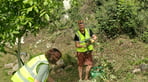
Fort Amherst Heritage Trust cares for Fort Amherst in Chatham, Kent, preserving an important historic site and making it available for the benefit, enjoyment and education of the wider community. The Trust relies heavily on volunteers to help maintain, restore, interpret and promote the site for present and future generations.
Role Purpose
Trustees are collectively responsible for the governance, strategic direction and long-term sustainability of Fort Amherst Heritage Trust. As a Trustee, you will help ensure that the charity fulfils its charitable purposes, complies with its legal duties and makes decisions in the best interests of the Trust and the communities it serves.
Key Responsibilities
· Work with fellow Trustees to set and review the Trust’s vision, strategy and priorities.
· Ensure the Trust carries out its charitable purposes for the public benefit.
· Oversee the responsible management of the Trust’s finances, assets, buildings, grounds and collections.
· Support good governance by complying with the Trust’s governing document, charity law and relevant regulations.
· Monitor risks, policies and procedures, including health and safety, safeguarding, finance, data protection and volunteer management.
· Contribute to discussions and decisions at Board meetings, reading papers in advance and offering constructive challenge and support.
· Act as an ambassador for Fort Amherst, promoting its heritage, community value and volunteer-led work.
· Support fundraising, partnership development and community engagement where appropriate.
· Declare and manage any conflicts of interest and maintain confidentiality where required.
Skills and Experience
We welcome applications from people with a commitment to heritage, community benefit and good governance. Previous trustee experience is helpful but not essential. The Trust is particularly interested in people who can bring one or more of the following areas of experience:
· Heritage, museums, archives, conservation or historic buildings.
· Finance, fundraising, grant applications or business planning.
· Education, learning, interpretation or visitor experience.
· Volunteer management, community engagement or inclusion.
· Marketing, communications, events or digital engagement.
· Legal, governance, risk management, health and safety or safeguarding.
· Property, estates, facilities management or environmental stewardship.
Personal Qualities
· A genuine interest in Fort Amherst, local heritage and public benefit.
· Sound judgement, integrity and a willingness to act collectively with other Trustees.
· Ability to think strategically while understanding practical operational challenges.
· Confidence to ask questions, offer constructive challenge and support good decision-making.
· Commitment to equality, diversity, inclusion and respectful working relationships.
· Willingness to give sufficient time and attention to the role.
 Registered Charity
6 - 10
Registered Charity
6 - 10
The mission of Fort Amherst Heritage Trust is to restore and protect Fort Amherst and develop it as a premier heritage and leisure attraction.


The client requests no contact from agencies or media sales.
Actively Interviewing
This organisation is scheduling interviews as applications come in. They're ready to hire as soon as they find the right person. Don't miss your opportunity, apply now!
Fundraisers
Remote | Minimum 10 Hours per Week | Commission-Based Agreement
Help Secure the Funding That Will Transform Lives
Are you an experienced fundraiser, business development professional, partnerships manager, sales professional or marketer with a proven ability to build relationships and generate new income opportunities?
Do you want to use your skills to help transform lives while being rewarded for the funding you successfully secure?
Project Yananai is seeking ambitious, proactive and results-driven Fundraisers to join our growing global Advancement team. We're looking for people who can identify opportunities, build strong relationships and convert them into sustainable funding that enables our programmes to create lasting social impact.
Working alongside our Chief Advancement Officer and Deputy Chief Advancement Officer, you'll play a key role in securing the funding needed to expand our work across India, South Africa, Zambia and Zimbabwe. This role is offered on a Commission-Based Agreement, rewarding individuals for the funding they successfully secure.
About Project Yananai
Project Yananai is a global non-profit headquartered in the United Kingdom, with Affiliate Entities and National Management Teams in India, South Africa, Zambia and Zimbabwe. Our mission is to inspire and empower individuals and communities by fostering enduring relationships, enhancing sustainable skills and delivering compassionate humanitarian aid. Rooted in Christian values, we are dedicated to nurturing resilient societies that are self-sufficient, spiritually fulfilled and equipped to break cycles of poverty.
Our integrated Theory of Change combines three interconnected programmes that work together to create lasting impact:
• The Journey – strengthening families through relationship education.
• Community Learning Hubs – delivering digital literacy, vocational skills and entrepreneurship programmes.
• Humanitarian Relief Operations – providing emergency assistance while creating pathways to long-term development and self-reliance.
Key Responsibilities
·Research and identify funding opportunities from trusts, foundations, institutional donors, corporate partners and philanthropic organisations.
·Build and maintain relationships with prospective funders, partners and supporters.
·Develop compelling grant applications, funding proposals and sponsorship opportunities.
·Generate new fundraising leads through networking, outreach and relationship building.
·Manage funding opportunities from initial prospect through to successful award.
·Work collaboratively with programme teams to develop high-quality funding proposals.
·Maintain an active pipeline of funding opportunities using our CRM and AI-powered fundraising platform.
·Represent Project Yananai professionally with donors, corporate partners and external stakeholders.
·Contribute ideas and initiatives that help grow Project Yananai's fundraising capability.
·Support donor stewardship and help build long-term funding relationships.
About You
·You may come from a charity fundraising, business development, partnerships, sales, account management, corporate relationship management or marketing background.
·A proven ability to generate income, win new business, secure funding or develop strategic partnerships.
·Excellent relationship-building and networking skills.
·Strong written and verbal communication skills.
·Confidence engaging with senior stakeholders and decision-makers.
·A proactive, self-motivated and target-driven approach.
·Excellent organisational and time management skills.
·A genuine passion for creating positive social impact.
·Previous fundraising or grant-writing experience is advantageous but not essential. We welcome applications from professionals with transferable experience in generating revenue, developing client relationships or securing commercial opportunities.
What We Offer
·The opportunity to help build an ambitious international charity from the ground up.
·Work alongside experienced leaders in fundraising and international development.
·Access to AI-powered fundraising technology that identifies potential funding opportunities and qualified leads.
·Flexible remote working.
·A transparent Commission-Based Agreement that rewards your success.
·The opportunity to make a tangible difference to communities around the world.
Project Yananai is committed to creating an inclusive environment where everyone feels valued and respected. We welcome applications from people of all backgrounds, experiences and cultures.
Project Yananai is a UK Registered Charity (No. 1209060).
 Registered Charity
11 - 20
Registered Charity
11 - 20
Empowering individuals, strengthening communities, developing sustainable solutions.


The client requests no contact from agencies or media sales.