Upload your CV
Save time when you spot your dream job. Upload your CV with ease.
Save time when you spot your dream job. Upload your CV with ease.
Using Anonymous Recruitment
This organisation is using Anonymous Recruitment to reduce bias in the first stages of the hiring process. Submit your application as normal and our system will anonymise it for you. Your personal information will be hidden until the recruiter contacts you.
Actively Interviewing
This organisation is scheduling interviews as applications come in. They're ready to hire as soon as they find the right person. Don't miss your opportunity, apply now!
Trustees have responsibility for overseeing the direction and performance of The Mare and Foal Sanctuary. Our trustees are guardians of the charity’s assets and are responsible for their use and security. Trustees are also responsible for the standard of governance and ensuring the charity meets all legal and regulatory requirements.
Key Responsibilities:
Duties and Tasks:
To work in partnership with other trustees and the Chief Executive.
1) To ensure that the charity has a clear vision, mission and strategic direction and is focused on achieving these:
- to listen to the views of current and future beneficiaries;
- to review the external environment for changes that might affect the charity;
- to review regularly its strategic plans and priorities.
2) To be responsible, with the other trustees, for the performance of the charity and for its corporate behaviour:
3) To ensure that the charity complies with all legal and regulatory requirements:
4) To act as guardians of all the charity’s assets, both tangible and intangible, taking all due care over their security, deployment and proper application.
5) To ensure that the charity’s governance is of the highest possible standard:
Time Commitment and Terms of Appointment:
Attendance at Board meetings once every three months in person usually at the sanctuary’s offices at Honeysuckle Farm, Newton Abbot, Devon. You must attend at least 3 in person visits each year. Trustees are expected to strive to attend all Board meetings.
Attendance for Board meetings includes a trustees’ dinner and overnight accommodation the evening before to enable team building and in-person dialogue. On the day of the Board meeting there is a development session in the morning, followed by the formal Board meeting in the afternoon.
Trustees are also invited to attend events at the sanctuary’s other locations within Devon throughout the year.
Approximately 1 hour a week reading preparation and for decisions outside of trustee meetings is required. Where possible, trustees joining a Committee of the Board is of benefit to the charity and can give you a closer perspective on management aspects of the charity. Committees of the Board meet online at most quarterly, usually less frequently.
Trustees are appointed by the Board of Trustees. The Board will elect trustees for co-opted membership and thereafter confirm full membership at the next Annual General Meeting (AGM) subject to satisfactory performance.
A third of the membership is expected to retire at each AGM with the longstanding members retiring and being re-elected. A trustee can only stand for a maximum of three three-year terms (9 years) before having to retire for a minimum of one year.
The Mare and Foal Sanctuary is committed to supporting its trustees and provides a thorough induction to the organisation and role. You will be expected to attend regular training events relevant to the role, as necessary.
Whilst the role is unpaid, reasonable expenses are payable in line with The Mare and Foal Sanctuary’s standard expenses policy.
Our Commitment to You:
Application Process:
You will meet with some of our existing trustees, our Chair and our Chief Executive through your application process. If your application is successful, you will be offered a full induction programme which includes a personal tour of our sanctuaries in Devon. All candidates must be over 18 and will be subject to DBS and reference checks before being appointed.
To apply, please provide:
If you would like an informal chat before submitting an application, please contact Nicola Pavey (contact details are in the application pack attached)
Please follow the application instructions within the Recruitment Pack
The client requests no contact from agencies or media sales.


Actively Interviewing
This organisation is scheduling interviews as applications come in. They're ready to hire as soon as they find the right person. Don't miss your opportunity, apply now!
If you want to have a governing role in a charity that is dedicated to having a lasting impact on the lives of marginalised young people, we’d like to hear from you!
To learn more about The Outrunners, what we are looking for from new Trustees, and what to expect from the role, please read on:
*
About The Outrunners
The Outrunners support young people to get outdoors, get moving, and build the futures they want - all through the power of running, movement and community. Our vision is a London where everyone is included and no one is left behind.
The young people we work with have incredible talent, creativity and energy - but they don’t get the opportunities they need because of deep structural disadvantages, whether that’s racism, sexism or financial inequality.
We harness the collective energy of the running world to change that: helping young people to access fun and accessible running sessions. We help to improve their physical and mental health, their confidence, and their teamwork skills. But that’s just the beginning. The Youth Practitioners who work with our young people are not just coaches but trusted mentors and role models, helping to keep them on the right path. And our Outrunners Youth Hub is not just a room for bag drop but a specially designed space for young people to hang out before a session, play games, read comics, eat healthy snacks, or try to beat us at table tennis! We also use our brand partnerships to provide work experience opportunities, giving young people that all-important foot in the door and setting them up for bright futures.
We also run two unique marathon and half-marathon training Academies - there is a Youth Academy for young people aged 16-21 as well as a Women’s Academy for ethnically diverse women. We bring people together who have never run long-distance before, help foster a supportive community crew, and give them the skills, kit, coaching and confidence to cross that finish line and realise that they can do whatever they set their minds to - and that running belongs to them, too.
Driven by young people themselves, we are building a community that moves together: removing barriers to participation in running and movement; building connections in London’s diverse neighbourhoods; creating pathways to help young people achieve their ambitions; and driving change to tackle disadvantage and make running truly inclusive. Last year, we supported over 1,150 young people across our programmes.
In the 8 years that The Outrunners has existed, we have rapidly caught the attention of the running world and have grown quickly, thanks to the impactful support of major brands, races, the wider running world and the philanthropic and community sectors. We now have significant partnerships with Nike, Moju and Precision Fuel & Hydration that are taking us to the next level.
We have an experienced team, a growing basis of dedicated supporters, connections in the running and sports world, and a strong income pipeline for 2026/27.
Charity Number: 1189583
*
About our Leadership Team and Board of Trustees
Leadership Team:
Tyler Williams-Green
Role: Founder and CEO
Background: Tyler has 19 years of experience of working in the charity sector and is an experienced Youth Practitioner. He has worked with vulnerable young people helping to address a wide range of complex issues, from mental health through to housing. He has the lived experience of being a Black man growing up in London and currently lives in Hackney. He has been CEO of The Outrunners for 8 years.
Laura Murphy
Role: Co-Founder and Strategic Advisor
Background: Laura has 16 years of experience working in Marketing with a variety of audiences, including young people. She is currently the head of Brand, Marketing and Communication at Girlguiding.
Trustees:
Daniel Burnand - Commercial Real Estate Partner at international law firm BCLP.
Rachel Soloman - Head of Community Investment at Peabody, one of the largest and most established housing associations in the UK.
Lauren Baker - VP Financial Planning & Analysis Exec at AMC Networks with an Executive MBA and Big Four finance experience.
Hamid Vaghefian - Communities & DEI Director and Social Community Engagement Specialist at London Marathon Events.
Sam Browne - Co-Founder and CEO of Let’s Do This, one of the biggest running events onboarding platform.
Simon Wharton - Retired Ex-CIO at BP and volunteer for several sports organisations.
*
Why do we need new Trustees?
We are at the next stage of our development and want to bring on board the expertise and skills that can support and guide our growth. With our strong partnership, increasing influence, and growing network of supporters, we have a major opportunity to grow our impact in the coming years. We currently have a broad range of skillsets from our existing Trustees, who have a wide range of professional backgrounds - including law, the charity sector, and sports organisation founders. As part of our ongoing development, we want to deepen the expertise of this dynamic team.
We want to ensure that The Outrunners are equipped to maximise this opportunity to support more young people and drive real structural change in the running world and beyond.
*
What do we need from our Trustees?
Trustees must be people with independent judgement, an ability to speak their mind, and a willingness to use their knowledge, experience and networks to support The Outrunners.
Although not essential, we are particularly interested in Trustees with either of the following skills and experience:
Experience navigating periods of rapid growth and scaling, including providing governance over the internal infrastructure required to do this sustainably, and managing the risks this entails.
Beyond this, the things we need from our Trustees are:
A passion for shaping a different future for young people and having a positive impact in local communities.
An understanding of the challenges facing young people in Hackney, and an insight into how The Outrunners Charity can best add value to supporting the future generations around us.
The ability to support and guide our organisation’s learning and impact upon the community around us and to think strategically and creatively about the challenges and opportunities ahead.
An understanding of safeguarding policies and procedures that will ensure the organisation is rigorous in its processes, ensuring the safety of the communities it engages with.
Good listening skills and the ability to respect the opinions of others.
Good understanding of the responsibilities required of a Trustee.
Willingness to undertake any necessary training which we require of you.
We are not expecting applicants to have all of these qualities, and expect that the best candidates will come with some others. But we hope that our Trustees between them will be able to cover all of these key attributes and more.
Above all, you need to have genuine enthusiasm and a commitment to achieving the best outcomes for the young people we work with by supporting and guiding our Chief Executive and The Outrunners’ passionate and committed staff and volunteers in their mission to better the lives of marginalised young people in Hackney.
Role Description/Responsibilities:
Desirable - someone who has previous Trustee experience.
Work with the existing board of Trustees and comply with the 6 main duties of being a Trustee which are:
Ensure your charity is carrying out its purposes for the public benefit
Comply with your charity’s governing document and the law
Act in your charity’s best interests
Manage your charity’s resources responsibly
Act with reasonable care and skill
Ensure your charity is accountable
*
What will you get from us?
The Board is committed to tackling the varied challenges of The Outrunners Charity.
In return, you will be rewarded by:
Contributing to making a real difference to the lives of young people in Hackney and beyond;
Being part of a team of staff and volunteers made up of interesting, skilled experts and working closely with The Outrunners Charity's visionary Chief Executive;
Receiving an in-depth induction and opportunities to attend a wide selection of events, with a focus on networking, sharing learning, and celebrating our community and organisational successes;
Obtaining high-quality safeguarding training as well as a bespoke training programme aimed at understanding the needs of the young people that The Outrunners support; and
Becoming part of the founding vision of a young and ambitious charity, which has multiple and well-respected local community links, and a chance to influence the direction in which this charity will be heading to.
*
Time commitment expectations
Board members are expected to attend the four quarterly meetings and AGM, whilst also being flexible and responsive to unexpected changes. Our Board members are active ambassadors for The Outrunners Charity. This means attending and supporting events and taking opportunities to promote and develop the work of The Outrunners Charity through networks and contacts. We therefore ask that Board members commit about 2 days per year to The Outrunners Charity, on top of the four evening Board Meetings a year and an AGM.
The four essential board meetings are 3 hours long. Meetings are held at a date and time which is convenient for all, which is usually a weekday evening, and are held either online or in-person.
Minimum tenure for a Trustee is 2 years.
*
Valuing inclusion
We currently have a very diverse leadership team and we welcome applications from people who are LGBTQ+, people with disabilities, people with mental and physical health conditions, and people from ethnic minority backgrounds.
*
Next steps and what to expect
If you would like to put yourself forward as a potential Trustee please submit your CV and also complete the Trustee application form below, giving us a brief outline of why you are interested in the role and what you think you would bring to The Outrunners. The application form is available here:
TRUSTEE APPLICATION FORM: https://forms.gle/1rnGXDPKmfhHqKuc9
We don’t expect you to cover all the points about The Outrunners, or to respond line by line to this job pack, but we do want to hear how you will make a difference to our organisation and to the people we work with, if you become a Trustee.
We will be accepting applications until 11.59pm on Friday 10th July 2026.
Once we have reviewed the applications, we will follow up with an informal meeting or telephone call before inviting a small number of people to meet with our Chief Executive and current Trustees.
If you would like an informal discussion about these roles then please contact us via our website.
For background information on The Outrunners Charity, please visit our website or our Instagram page.
You can find out more about being a Trustee and what it involves on the Charity Commission website.

Trustee
We're looking for a Trustee to be part of a school trust helping to shape strategy, strengthen governance and support positive outcomes for children and young people.
Position: Trustee
Salary: This is a voluntary role however expenses can be paid in line with the allowances policy
Location: Derby - Meetings are in person, but with an online option. Being local to Derby, or at least having an understanding of the community is important.
Closing date: 29th June
Time commitment: Around 8 meetings a year, mostly in the evening. Plus visit schools during the school day about twice a year.
About the role:
As a Trustee, you will be responsible for governing a charitable company and directing how it is managed and run. Trustees must also ensure that the trust complies with all legal and statutory requirements. Trustees should seek the advice of the board’s governance professional and other professional advice as appropriate.
The trust board works closely with the CEO and other executives. The CEO and colleagues are responsible for the day-to-day operational management of the trust and its schools, whereas the role of the board is strategic.
Key responsibilities will include:
· Determining the trust's mission, values, and long-term ambitious vision.
· Deciding the principles that guide trust policies and approving key policies.
· Appointing and appraising the senior executive leader and making pay recommendations.
· working with senior leaders to develop a strategy for achieving the vision.
· Ensuring that stakeholders are involved, consulted, and informed as appropriate.
· Ensuring that all schools in the trust deliver a broad and balanced curriculum such that pupils are well prepared for the next stage of their education and adult life.
· Taking ownership of the trust’s financial sustainability and ensuring effective resource management across the trust.
About you
We are looking for individuals who are passionate about making a difference and can contribute strategic thinking, professional expertise and sound judgement.
You may bring experience from areas such as:
You will also have:
Previous trustee, governor or non-executive experience is welcome but not essential.
Contributions to the trust board
Trustees should ensure that they are making a positive and meaningful contribution to the board by:
· Attending meetings (typically around 10 meetings each year), reading papers and preparing questions for the senior executive leader in advance.
· Establishing and maintaining professional relationships with senior executive leaders and colleagues on the board of trustees.
· Getting to know schools within the trust, including visiting occasionally during school hours.
· Undertaking induction training and developing knowledge and skills on an ongoing basis.
About the organisation
The organisation is committed to delivering high-quality education and ensuring every learner has the opportunity to succeed. Through strong leadership, effective governance and a clear strategic vision, it aims to create positive outcomes for pupils, staff and communities.
Trustees play a vital role in supporting this mission and helping the organisation achieve its long-term ambitions.
Areas of expertise you may have experience with could include: Finance, education, legal, estates management, compliance, charity work, health.

Actively Interviewing
This organisation is scheduling interviews as applications come in. They're ready to hire as soon as they find the right person. Don't miss your opportunity, apply now!
Position Overview
This is an exciting opportunity for an early-career development professional to build hands-on experience in community fundraising and operational support. Based in the coastal town of Fort Dauphin, the Junior Fundraising and Operational Support Officer will play a key role in strengthening SEED’s community fundraising and supporting crowdfunding campaigns.
A core part of the role will be providing exceptional care to SEED’s community fundraisers, incoming staff and volunteers ensuring timely and professional communication. The postholder will lead volunteer and staff onboarding, supporting smooth and well-prepared arrivals in country, enhance communications and digital content, and assist with operational systems that underpin SEED’s work.
The role will build strong relationships with schools, workplaces, running clubs, and community organisations in donor countries, supporting them to raise vital funds and awareness for SEED’s work. This will include identifying and researching new fundraising opportunities, stewarding community fundraising activities (such as bake sales and seasonal campaigns), and supporting fundraisers and volunteers to use third-party platforms effectively.
Working within a collaborative national and international team, this is an office-based role with occasional field visits with opportunities to gain experience across fundraising, operations, and the realities of working in international development practice in a dynamic, cross-cultural environment.
Title: Junior Fundraising and Operational Support Officer
Location: Fort Dauphin, Madagascar
Commitment: 12 months; Monday to Friday (35 hours a week)
Salary: Voluntary position, with local monthly stipend towards accommodation and a contribution of £650 towards insurance
The client requests no contact from agencies or media sales.
Actively Interviewing
This organisation is scheduling interviews as applications come in. They're ready to hire as soon as they find the right person. Don't miss your opportunity, apply now!
We are seeking an organised and enthusiastic Volunteer Recruitment Officer to utilise their excellent administrative and personal skills to advertise for, shortlist and onboard new volunteers.
Location: Remote (although ability to join occasional face-to-face training and meetings in Bounds Green desirable)
About Bounds Green Food Bank:
Open since June 2020, we serve over 4,600 children and adults in the community. We are committed to improving lives by providing food and essential household items to build a healthy, hunger-free tomorrow. We strive to promote social inclusion by supporting people who find themselves in crisis where they need assistance to feed themselves and their families.
The role:
Liaise with different team leads to create enticing job descriptions for new volunteer roles
Post and manage volunteer adverts on different recruitment websites like Indeed, Charity Job and Third Sector Jobs
Review applications and shortlist suitable applicants, which will include speaking with them to answer questions and collaborating with the relevant team lead to organise interviews or opportunities to visit us to learn more
Update the database with applicant contact points and recruitment progress
Support with onboarding new volunteers, e.g. ensuring they have completed the relevant registration forms, provided any necessary documents,and are able to join our on-line communities.
Person specification:
Excellent written and verbal communication in English
Fantastic organisational skills
Experience in administrative or recruitment roles desirable but not essential
Willing to learn about what we do and why, to engage applicants to join us
Benefits:
Give back to the community - one of the NHS’ 5 Ways to Wellbeing!
Upskill on a range of topics, e.g. customer service, interpersonal skills, organisational abilities and health and safety
Gain a sense of community and meet the huge team of volunteers
The client requests no contact from agencies or media sales.
Actively Interviewing
This organisation is scheduling interviews as applications come in. They're ready to hire as soon as they find the right person. Don't miss your opportunity, apply now!
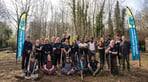
Outdoor Learning Volunteer Officers are a key part of our team at Skelton Grange Environment Centre and are involved in:
- Supporting and leading environmental activities with young people and the local community.
- Planning and preparing sessions - and sometimes even developing new activities to help young people connect with nature.
- You will be trained and supported by experienced project staff and work as part of a team with paid staff, trainees and other Volunteers.
Typical activities for the Outdoor Learning Volunteer role include:
- Running environmental education sessions for school visits during term time.
- Running play activities for groups of children and young people during the school holidays.
- Keeping education day resources up to date and developing new resources, activities or materials as required.
- Helping with the general running of the centre and the project, including both development work and routine maintenance to ensure we are an inspiring location for visitors to experience nature.
Benefits to you:
We aim to involve our Outdoor Learning Volunteer Officers in:
- Running a range of outdoor education and play activities and events with schools and community groups on the Skelton Grange Environment Centre site.
- Planning, risk assessing and running safe and engaging activities outside for children.
- All the necessary skills and knowledge to be able to run the sessions, from bushcraft skills to plant identification to working with children.
The role will give you the opportunity to use your skills and experience in a supportive environment and aims to support you into being able to run activities and lead groups independently.
It's a chance to do something very satisfying and worthwhile and have lots of fun with some great people!
If you want to use this role to move on into employment in the environmental sector we can also provide you with a range of useful training courses, job opportunity information, interview guidance and references.
We will provide expenses to cover volunteer travel costs.
What you need:
We are looking for enthusiastic individuals who are keen to work with young people and to connect people with green spaces.
People volunteer with us for all sorts of reasons: you may have lots of skills that you are keen to share, or you might be looking for something worthwhile to do with your time, or you might be wanting to launch a career in the environment sector.

 Registered Charity
 101 - 500
Connecting people and green spaces to deliver lasting outcomes for both.



The client requests no contact from agencies or media sales.
Actively Interviewing
This organisation is scheduling interviews as applications come in. They're ready to hire as soon as they find the right person. Don't miss your opportunity, apply now!
Help Us Become the “Best Wee Hospice in the UK”
Ardgowan Hospice is on a journey of radical transformation. We are an
extraordinary organisation providing a "cloak" of love, care, and compassion to over 1,000 patients and families in Inverclyde each year.
As we enter a vital new 5-year cycle, we are looking for dynamic, innovative, and proactive Trustees to help shape our future
The Opportunity
Our Trustees are the heart of our governance, ensuring we meet the highest standards of care while navigating a challenging financial landscape. This is your chance to use your professional expertise to make a tangible difference in your community.
We are particularly interested in candidates with backgrounds in:
Clinical Care/Health & Social Care: To support our goal of becoming a centre of excellence in palliative and end-of-life care.
Accountancy/Finance: To help us manage our £12 million capital building project and achieve a balanced budget.
Marketing/Communications: To champion our work and grow our supporter base across Inverclyde and beyond.
Law: To ensure we remain compliant with legislative requirements and best practices.
Want to learn more?
Contact our CEO, Graham Gardiner, to arrange an informal chat or a visit.
The client requests no contact from agencies or media sales.

Actively Interviewing
This organisation is scheduling interviews as applications come in. They're ready to hire as soon as they find the right person. Don't miss your opportunity, apply now!
Could your leadership skills help shape the future of a Hopian? Hopian is a registered charity that provides advice and support for adults and children who have experienced Domestic Violence and Abuse through the provision of refuge accommodation and community support services. We also provide support and access to counselling for people affected by Child Sexual Exploitation.
The Role of Trustee and executive Trustee roles are voluntary positions. A Trustee for the Board is expected to meet the requirements of the board in line with the charities governing documents, governing good practice and legal requirements. We also have a vacancy for a Treasurer should you be interested please visit our Hopian website - recruiter link below for further details.
Trustee Responsibilities :
The Board as a whole is collectively responsible for the success of the charity. A Trustee is a Board Member and has a number of responsibilities in order to ensure robust management of the charity including:
Trustee Duties :
In addition to the above statutory duties, each trustee should use any specific skills, knowledge or experience they have to help the board of trustees reach sound decisions. This may involve scrutinising board papers, leading discussions, focusing on key issues, providing advice and guidance on new initiatives, or other issues in which the trustee has special expertise.
Tasks:
Person Specification
We are looking for a Trustee who has an understanding and acceptance of the legal duties, responsibilities, and liabilities of trusteeship. It is expected that a Trustee takes ownership to develop and maintain this understanding and application of duties. In addition to having:
Experience & Knowledge
Time Requirements
To be able to attend scheduled committee meetings each year and read papers for each board meeting. To be available to for consultation, support and guidance on an ad hoc basis. Much of this contact will be via online, telephone or email.
The client requests no contact from agencies or media sales.
Using Anonymous Recruitment
This organisation is using Anonymous Recruitment to reduce bias in the first stages of the hiring process. Submit your application as normal and our system will anonymise it for you. Your personal information will be hidden until the recruiter contacts you.
Actively Interviewing
This organisation is scheduling interviews as applications come in. They're ready to hire as soon as they find the right person. Don't miss your opportunity, apply now!
St Basils is looking for a new Non-Exec Director / Trustee to join our Board as the Designated Safeguarding Board Member.
About Us
St Basils works with young people aged 16-25 who are homeless or at risk of homelessness, to enable them to find and keep a home, grow their confidence, develop their skills, increase opportunities and ultimately prevent homelessness.
We help just over 4,000 young people each year across the West Midlands, with services in Birmingham, Coventry, Sandwell, Solihull, Warwickshire and Worcestershire. Our services range from providing supported accommodation to outreach, advice, support, employability and engagement services to help young people regain the stability they need to rebuild their lives, gain skills, confidence and employment and move on. The aim is to help them successfully break the ‘cycle of homelessness’ so that they can go on to experience a bright, fulfilling future and never return to a state where they are at risk of homelessness again.
About our Board
We are a registered provider of social housing, a charity and a company limited by guarantee, meaning our Board members are both Directors and Trustees.
To navigate our challenging regulatory landscape, we need to be tightly governed. At the heart of this is a Board with the right knowledge, values, skills and diversity, all whilst working towards our vision that homelessness should not be part of growing up.
As a member of St Basils’ Board, you will be a guardian of St Basils’ charitable purpose. You will be responsible for holding the Senior Leadership Team to account through constructive challenge and support, and for ensuring St Basils’ strategic priorities are met.
You will form part of St Basils’ governance framework, providing oversight of key business areas, such as business planning, safeguarding, risk, finance, health and safety, EDI and business development.
Our Board is made up of 14 members, 2 of which are designated for young people who have lived experience of homelessness and / or St Basils’ services.
St Basils has adopted the RACE Equality Code and is actively seeking applications for Board members from Black communities to ensure our Board is reflective of both the young people that we serve and our dedicated workforce.
About the Role
We are looking for a voluntary Director / Trustee with a professional background in safeguarding to join our Board as the Designated Safeguarding Board Member. Our new Board member will need to have a strong understanding of safeguarding, ideally with experience in supporting vulnerable young people.
As the Designated Safeguarding Board Member, you will:
Our new Director / Trustee will sit on our Service Delivery & Development Committee which oversees both the housing elements of our services as well as the support / progression we provide to our young people. This committee meets virtually, one a quarter.
Although the role is voluntary, reasonable expenses will be paid for costs incurred in undertaking the role.
About You
You will be a Designated Safeguarding Lead (DSL) or have significant experience in a senior safeguarding role.
You will demonstrate sound judgement and be able to challenge confidently and constructively, although you do not need to have Board experience.
You will work within the principles of Equality, Diversity & Inclusion and understand the needs of the diverse young people we serve.
You will put the needs of young people first, be passionate about ending youth homelessness and share our mission, vision and principles.
Time Commitment
You will need to be able to attend the majority of Board and Committee meetings, one of each is held each quarter (8 meetings total per year). Each meeting will last around 2 hours and will normally be held late afternoon/early evening (usually 4pm – 6pm). Board meetings are held in person at St Basils’ Head Office in Birmingham, and Committee meetings are held virtually via Microsoft Teams. The dates for meetings are set by calendar year, towards the end of the previous year.
Meeting papers will be shared via an online portal one week in advance of the meeting to allow for sufficient preparation time.
A Board away day is held each year, usually October, and every other year this includes an overnight stay. This will be fully paid for by St Basils.
We encourage Board members to visit our accommodation services to deepen understanding of our work and support effective governance and decision-making. We would like all Board members to make 2 visits a year if possible.
All travel expenses incurred in attending Board meetings / conducting site visits will be reimbursed by St Basils.
What’s in it for you?
We offer a series of essential online training courses (for example GDPR, Cyber Security, EDI, Safeguarding, Risk Management) and the opportunity to do additional online or in-person training, such as Psychologically Informed Environment training. As part of our commitment to race equality, we provide mandatory Anti-Racism training for all staff and Board members.
You will be part of a knowledgeable and supportive Board and have the opportunity to work alongside young people with lived experience.
You will have the guidance of a knowledgeable Chair to support your development as a Director / Trustee, and you will have access to St Basils’ Senior Leadership Team to help you fulfil your role.
St Basils is a learning organisation and therefore we are able to support and develop Board members who are new to the role. In addition, St Basils has membership with the Board Development Agency, which provides our Board Members with access to webinars and development tools specific to housing sector Boards.
Being a Director / Trustee at St Basils is more than just attending meetings – if you would like to contribute to an organisation that has young people at its core, where you can visibly see the difference you are making, then this is the role for you.
For further information please see the link to the full job pack.
We welcome early applications and will interview on a rolling basis.
The client requests no contact from agencies or media sales.

Actively Interviewing
This organisation is scheduling interviews as applications come in. They're ready to hire as soon as they find the right person. Don't miss your opportunity, apply now!
Brightview Farm – Trustee Opportunity
Help shape a charity that actually changes lives, not just policies.
Brightview Farm isn’t a typical education charity. It’s a place where young people with Special Educational Needs find safety, purpose and a way back into themselves through animals, land, meaningful work, and steady adult relationships.
We’re growing — in impact, ambition and responsibility — and we’re looking for new Trustees who want to use their expertise where it genuinely matters.
Why Join Us?
As a Trustee, you’ll play a key role in guiding a charity that blends education, care and nature-based practice to help young people build confidence, skills and independence. You’ll be joining a Board that believes in doing things properly: thoughtful governance, trauma-informed practice, and a deeply human approach to learning.
You’ll help us:
Who We’d Love to Have Around the Table
You don’t need to be an expert in everything — nobody is. But experience in any of the following would be a real asset:
What Matters Most
If you want your time and expertise to directly support young people who deserve better than the system often gives them, we’d love to talk. We are ideally looking for someone in Essex/Herts who would be able to visit our site and meet other trustees/staff face to face on occasion
Get in touch for an informal conversation. We are currently based near Great Dunmow Essex.
The client requests no contact from agencies or media sales.
Actively Interviewing
This organisation is scheduling interviews as applications come in. They're ready to hire as soon as they find the right person. Don't miss your opportunity, apply now!
About us:
H4All is working to advance the health and wellbeing of residents in the London Borough of Hillingdon.
This is done through our Community Champions programme, which is an initiative made up of organisations and local volunteers who promote positive wellbeing messaging and share healthcare information.
Who are we looking for?
We are looking for committed volunteers who want to combine their passion for coaching and public health. As a Wellbeing Coach Volunteer, you’ll be supporting a community-led programme by working with clients (Punjabi women) with Type 2 diabetes to help them set goals.
This is a meaningful opportunity to reduce health and inequalities in Hillingdon, while gaining hands-on experience and benefiting from free training and support.
Key Responsibilities
Attend two sessions a month with a client (30 minutes each) over a period of 6 months.
Setting goals, developing an action plan and supporting clients to achieve goals
Be able to listen non-judgmentally and communicate effectively
Signposting client to relevant organisations, activities and support
Give regular updates to the Health and Wellbeing Programme Officer
Benefits for you:
Free, specialised training and mentoring provided, enhancing personal and professional skills.
Hands-on experience in wellbeing coaching.
Networking opportunities with healthcare professionals, community organisations and other volunteers.
A chance to make a meaningful difference in people’s lives.
Training and support given:
Mandatory training:
Online Mental Health courses
Diabetes online training
Wellbeing Coach training (ongoing)
Throughout your time volunteering with us, there will be additional online and in-person training that will be offered (depending on interest and projects we are running).
Expenses:
We can provide expenses for travel and parking at events or training.
Skills and attributes required:
Ability to speak Punjabi
Friendly, supportive and non-judgmental attitude.
Effective communicator and active listener.
Respectful of confidentiality and procedures.
Reliable and committed.
Empathetic and understanding of others’ cultures, beliefs and backgrounds.
Desirable:
Previous qualifications or experience in Coaching would be highly beneficial but is not needed.
Reporting to: Health and Wellbeing Programme Officer
Commitment required:
Full induction and Mandatory online courses, such as Health Coaching and Safeguarding online course.
Attend relevant training when offered.
We ask for a commitment of 6 months due to free training and individual support/development offered to our volunteers. In addition, you will be supporting clients on a one-on-one basis.
You’ll be working with a client over a period of 6 months, and meet them at Townfield Doctors Surgery for two 30-minute sessions (twice a month) to track their progress.
Documents Required:
In your application form, you will be asked for 2 references who have known you for at least a year. They can be from a professional, a friend, a support worker etc.
A basic DBS check is required for public-facing roles.
To apply for this role:
A H4ALL application form must be completed. You can email us or visit our website to get an application form.
The client requests no contact from agencies or media sales.
Actively Interviewing
This organisation is scheduling interviews as applications come in. They're ready to hire as soon as they find the right person. Don't miss your opportunity, apply now!
About us
The CFDN is a registered charity and voluntary organisation dedicated to supporting individuals with disabilities and their families of all faiths and none across Essex & East London. Our mission is simple but important: to serve people with disabilities and their families by creating a supportive community and promoting opportunity through our network and events.
Our charity is run by volunteers and led by our trustees and CEO, who are dedicated to keeping our community strong and vibrant. From swimming events at Leyton Lagoon to family disco's, bi-weekly pub group for adults, Saturday club for adults, theatre trips, family BBQs, seaside coach trips, adventure days at Lambourne End Centre for Outdoor Learning and much more, we offer a diverse range of events to suit everyone's interests.
Introduction
We are seeking dedicated individuals to join our team of Volunteer Community Fundraisers and Event Coordinators. As a volunteer, you will have the opportunity to make a positive impact on the lives of people with disabilities and their families and contribute to the betterment of your community. This is a rewarding and fulfilling role that allows you to share your skills, experiences, creativity, have fun and give back.
Please note this is not a paid role but the volunteer will be able to claim reasonable expenses in line with policy. We ask that volunteers commit to a minimum of 4 hours a month.
Location: Across East London and Essex, including Redbridge, Waltham Forest and Havering
Our Charity
The CFDN charity has been in existence since 1962 servicing people with disabilities and their families of all faiths and none across Essex and East London. We rely on our dedicated volunteers to help us support our community and enable people with disabilities with the social, emotional, spiritual and material support they may need.
Many of our volunteers have been with us for 20+ years, and we are looking to extend our dynamic and diverse workforce of volunteers and staff.
Responsibilities
- Help plan, organise and run fundraising initiatives and events
- Market and promote our events and activities across your area
- Assist with project management, including planning, organising, and executing community fundraising projects and events at a local level
- Participate in fundraising efforts face-to-face, online or remotely to support community programs
- Keep up to date with compliance, statutory and mandatory training provided by the charity. Opportunities to learn and develop.
- Promote a fun, welcoming and inclusive environment for our members.
- Work with other fundraisers and give feedback to the CEO and Trustees on fundraising activities and achievements
- Perform administrative tasks such as record keeping, event details, incident reporting and data entry
- Help execute the charity strategic plan and achieve our financial targets to continue our services for many years to come.
Experience
- You must have a genuine desire to help others.
- An understanding of the needs of people with disabilities or SEN or experience in supporting a family member/friend with SEND is desirable.
- Knowledge of event organising or the ability to learn
- Experience in fundraising events and activities or the desire to learn
- Good communication skills
- Ability to use a computer and access our central volunteer hub online
- Organisational skills for administrative abilities
This role is working with vulnerable adults and children; therefore, a satisfactory recruitment process and Disclosure and Barring Service check, including the adult and child barring lists, are required for the role.
As a Community Fundraising Volunteer, you will have the opportunity to make a difference in the lives of others while gaining valuable experience in project management, leadership, and community engagement with the ability to progress skillsets and job opportunities.
Join our team today and be part of a positive community.
The client requests no contact from agencies or media sales.

Actively Interviewing
This organisation is scheduling interviews as applications come in. They're ready to hire as soon as they find the right person. Don't miss your opportunity, apply now!
About Us
Our Vision is to be the leading provider of therapeutic care, education and treatment for children and young people who have experienced early childhood trauma.
Our Mission is to transform the lives of children and young people who suffer severe emotional and psychological difficulties, so they can relate well to others and fulfil their potential.
Our Approach is a form of psychotherapeutic group living and learning modelled on healthy relationships, adapted to the developmental needs of children and young people suffering early childhood trauma. We call this Integrated Systemic Therapy (iST).
Role descriptions and person specification
Role description attached provides more information on the role and responsibilities. For this Trustee role we are particularly seeking individuals with demonstrable Social Care practice experience in an organization of comparable size and scale, in particular with insights into safeguarding.
For more details about Childhood First, please visit our website.
Commitment
Successful candidates will be invited to attend a board meeting will be on 15 September 2026 in Central London.
We hope you will consider making an application. If you have questions about the role and would like an informal conversation before applying please email Michael Joseph, Director of Finance and Corporate Services.
All trustee roles will be subject to background vetting, a Disclosure and Barring Service (DBS) check (which may include overseas checks) which will be maintained by Childhood First for the duration of their term.
We would also be grateful if you would complete the Equality and Diversity monitoring form on the online application process. This form is for monitoring purposes only and is not treated as part of your application.
To make an application please send the documents below.
• A CV or no more than three sides.
• A supporting statement of no more than one side that explains why you are interested in joining our Board of Trustees and the experiences and qualities you believe you can bring in order to be successful in post.
• Please tell us if there are any dates during the selection process (outlined below) when you would not be available to participate.
• If you have a disability and identify any barriers in the job description or person specification, please tell us.
• Please note that successful applicants will be asked to provide details of professional referees and will need to complete a standard DBS check.
The client requests no contact from agencies or media sales.

Young Enterprise is the UK’s leading youth charity specialising in enterprise and financial education. Our vision is that every young person, regardless of their background, is given the opportunity to develop the skills, confidence, and mindset they need to thrive in work and life.
Since our founding, we have supported 7.2 million young people through enterprise and financial education programmes, including 1.1 million who have started Young Enterprise businesses. As a founding member of Junior Achievement Worldwide, we are part of a global network spanning more than 100 countries, preparing young people for success in a global economy.
We are seeking an exceptional individual to become Chair of our Board of Trustees at a pivotal point in our journey. This is a highly influential role, offering the opportunity to lead our Board, support our CEO and senior leadership team, and champion our ambitious 2024–2030 Transforming Futures strategy.
This strategy aims to ensure that every young person has access to the financial education, enterprise capability, and work readiness they need to succeed, while deepening our impact on those facing the greatest barriers.
We are looking for a strategic and well-connected leader who can:
• Lead and inspire a high-performing, diverse Board of Trustees
• Strengthen relationships with government, policy makers, funders, and corporate partners
• Support fundraising and advocacy through strategic introductions and influence
• Ensure excellence in governance, safeguarding, compliance, and financial sustainability
• Act as a visible ambassador for Young Enterprise nationally and internationally
We are particularly interested in hearing from candidates who bring:
• Significant leadership experience at Board or executive level in charity, corporate, or public sectors
• A strong personal commitment to improving life chances for young people
• Credibility and networks among senior decision makers, funders, or policy influencers
• Strategic leadership and governance expertise
• Experience in fundraising, public affairs, or policy advocacy (desirable)
• An interest in education, youth development, enterprise, or social mobility
Above all, we are seeking someone who shares our vision and values and is passionate about helping young people, particularly those facing the greatest barriers, build successful futures.
The successful candidate will chair six Board meetings per year (primarily London-based), participate in events, visits, and stakeholder engagement, and commit approximately 1–2 days per month. This is an unpaid role, but reasonable out-of-pocket expenses will be reimbursed. The initial appointment is for three years, with the possibility of reappointment for an additional term of three years.
Young Enterprise is committed to diversity, equity, and inclusion, and we strongly encourage applications from individuals whose backgrounds reflect the diverse communities and young people we serve across the UK.
Keeping Young People Safe
We are committed to keeping young people safe. All successful candidates will undergo an enhanced DBS (England & Wales) check and receive safeguarding training.
At Young Enterprise, safeguarding is at the core of everything we do. We are committed to promoting the welfare of children and vulnerable adults. All successful candidates will receive ongoing safeguarding training throughout and be expected to uphold excellent safeguarding practice at all times.
How to Apply:
Please refer to our information pack for full details.
If you would like to play a transformational role in shaping the futures of young people across the UK, please send:
• An up-to-date CV (PDF format)
• A supporting statement (maximum two sides of A4) outlining your suitability for the role, based on the essential criteria in the person specification
Applications should be received by 23:30 on 21 June 2026. Interviews will be held between 29 June and 3 July 2026.
For further information, applicants are encouraged to review Young Enterprise’s Annual Report & Accounts and Transforming Futures Strategy.
At YE we are passionate and committed to keeping your data safe and secure. Full details can be found in the YE People’s Privacy Notice.
Join us at this exciting moment and help empower the next generation to succeed.
 Registered Charity
51 - 100
Registered Charity
51 - 100
We empower young people to discover, develop and celebrate their skills and potential.




The client requests no contact from agencies or media sales.

Actively Interviewing
This organisation is scheduling interviews as applications come in. They're ready to hire as soon as they find the right person. Don't miss your opportunity, apply now!
About the Role
We are seeking enthusiastic and committed volunteers to join our team as a Charity Support Officers. This is a flexible position where you can tailor your contribution by choosing the area that best suits your skills and interests:
Key Responsibilities
Depending on your chosen specialism, you may:
Person Specification
We are looking for volunteers who:
What You’ll Gain
Take a look at our events and pop down and visit us! https://www.mentalfightclub.art/whats-on
 Registered Charity
1 - 5
Registered Charity
1 - 5
Supporting Londoners by accessing a non-clinical safe space to 'relate, create and integrate'



The client requests no contact from agencies or media sales.